You can vacuum seal food without a machine using three primary methods. The water displacement technique submerges partially sealed bags in water, allowing barometric pressure to extract air. Alternatively, you’ll use the zipper-lock method by slowly submerging a bag while pressing food downward until water reaches the seal line. For dry goods, you’ll add oxygen absorbers to mason jars for long-term storage. While these manual approaches won’t match commercial sealer effectiveness, they’ll greatly extend shelf life affordably when you understand the specific techniques for different food types.
The Water Displacement Method: A Budget-Friendly Alternative
The water displacement method harnesses barometric pressure to extract air from sealed bags without specialized equipment—you simply submerge a partially sealed bag into water, and the pressure forces air pockets out as you lower it into the container. You’ll leave one corner unsealed before submersion, allowing water pressure to naturally displace air as the bag descends. Once the water level approaches the zipper line, you complete the seal, creating an airtight closure comparable to vacuum-sealed bags.
Double-zipper freezer bags work best for this method due to their superior bag durability and freezer-grade construction. These bags withstand extended cooking times and repeated use without compromising integrity. You’ll need only a pot or container holding sufficient water—no expensive machinery required. This approach delivers professional-quality results using items already in your kitchen. Keep in mind that while this method is effective for air removal, pre-freezing liquids is often recommended to avoid messiness when using traditional vacuum sealers.

Includes 90 freezer food bags, each holding 1 gallon
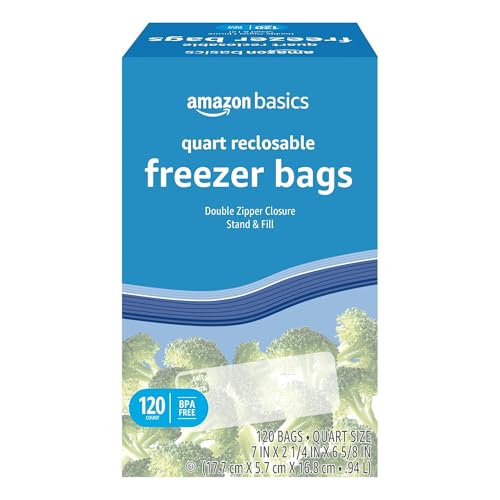
Includes 120 freezer food bags, each holding 1 quart

Food Preservation: Ziploc Gallon Freezer Bags help extend the life of food and protect your food investment
Step-by-Step Guide to Using the Zipper-Lock Bag Technique
Now that you understand how water pressure creates a vacuum seal, you’re ready to execute the technique itself. Start by placing your food in a high-quality freezer-grade bag, leaving a 1-inch opening at the zipper. Remove excess moisture from the food surface to preserve food freshness and minimize ice crystal formation.
This method mimics the function of specialized Ziploc vacuum bags that are compatible with vacuum sealers.
Slowly submerge the partially sealed bag into water, pushing food downward. Water pressure forces air upward and out through the opening. Continue submerging until water nearly reaches the zipper, then seal completely while submerged or immediately after removal.
Press the zipper firmly along its entire length, running your fingers over it twice to confirm a complete closure. These ziplock techniques guarantee an airtight seal that protects your food during storage and preparation. By using this method, you can extend the shelf life of your food significantly compared to conventional storage techniques.

Food Preservation: Ziploc Gallon Freezer Bags help extend the life of food and protect your food investment

Three 10 count boxes of Ziploc 2 Gallon Food Storage Freezer Bags to store and transport fresh food, snacks, and other items

Package Includes—Seventy four (74) Hefty Slider Quart Freezer Bags for meal prepping, lunch packing, camping, traveling, freezer storage, organizing, and more
Preserving Dry Goods Without Special Equipment
While vacuum sealers offer convenience, you don’t need specialized equipment to preserve dry goods effectively. Mason jars with secure lids provide reliable dry goods storage without processing requirements. You’ll wash jars thoroughly with soap and water before filling them with grains, beans, flour, or pasta.
For enhanced preservation, you can add oxygen absorbers to airtight containers, extending shelf life considerably. These absorbers prevent oxidation and inhibit aerobic organism growth, keeping food fresh for years.
Alternative manual sealing techniques include heat-sealing mylar bags using an iron and parchment paper. You’ll store sealed mylar bags in buckets to prevent pest access. Double-bagging in plastic and adding silica gel packs further reduces air exposure and moisture.
Maintain ideal storage conditions—cool, dry, dark environments—to maximize shelf life regardless of your sealing method chosen. However, it’s important to note that a standard vacuum cleaner cannot achieve the same level of sealing effectiveness as dedicated vacuum sealers.
Vacuum Sealing Jars for Reusable Storage Solutions
Several vacuum sealing methods exist for mason jar without relying on traditional electric machines, each offering distinct advantages for your long-term food storage needs. You’ll find four primary approaches: brake bleeder vacuum kits ($20), DIY syringe systems with check valves, oxygen absorber insertion, and FoodSaver jar attachments.
Before vacuum sealing, you must thoroughly wash your jars in hot soapy water and air-dry them overnight completely. For the DIY syringe method, you’ll drill a 4-millimeter hole in your mason jar lid’s center, install check valves for one-directional airflow, then repeatedly pull the syringe plunger until resistance indicates vacuum pressure achievement. This technique is different from the boiling water method which creates a vacuum seal through heat instead of air removal. Additionally, using these methods can help maintain food freshness by slowing microbial growth.
Oxygen absorbers offer simplicity—you insert packets directly before sealing—though they’re incompatible with sugar, salt, and tomato powder. When reopening previously sealed jars, reseal immediately to prevent absorber degradation.

【Suitable for two types of Mason jars】The electric Mason jar vacuum sealer contains two sizes of mouth seals for your daily use. To get the standard mouth seal jar, simply insert the red arrow on the standard mouth seal converter, align it with the unlock symbol on the main unit and then insert it inside the silicone ring in the wide mouth seal area and tighten it clockwise, at this point the arrow is aligned with the lock symbol, which indicates a successful installation.

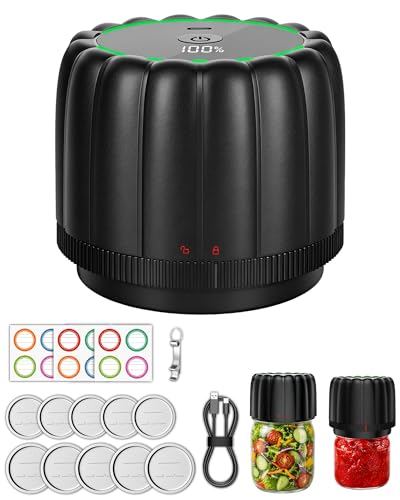
【Superior Sealing Performance, Extend Food Freshness Up to 10x】 Featuring an upgraded -85kpa high-power motor, our jar sealer for mason jars creates a tight, leak-proof vacuum seal that keeps air and moisture out, extending the shelf life of your food by up to 10 times compared to regular lids. Whether you're storing dehydrated herbs, bulk coffee beans, leftover meals, jams, or snacks, this electric mason jar vacuum sealer kit ensures your food stays fresh, crisp, and flavorful for weeks—no more wasted food, no more stale snacks
Freezing Liquids and Sauces Without a Machine
Freezing your liquids solid before sealing is the critical first step—it prevents spills, protects your bags or containers from puncture, and guarantees you’ll achieve a proper seal without liquid being drawn into the machine. Overnight freezing works best for soups, stews, and high-water-content sauces. Use freezer organization strategies by securing bag tops with clips before freezing to prevent leaks during storage. For liquid storage tips, leave adequate headspace for expansion and wipe seal areas dry before closing. Once frozen, you can safely vacuum seal the solid block using zipper-lock bags or alternative containers like straight-sided glass jars. When ready to use, thaw sealed liquids in your refrigerator overnight to maintain texture and prevent bacterial growth. Additionally, consider the benefits of freezing a flavorful beef stew, which can be made without wine, providing a rich alternative for those avoiding alcohol. It’s also important to remember that some recipes like Beef Bourguignon can be easily adapted for freezing, ensuring that you have delicious meals ready to go.
Foods That Work Best for Manual Vacuum Sealing
Since you’re now familiar with freezing techniques, you’ll want to understand which foods respond best to manual vacuum sealing methods. Firm meats like beef chuck and chicken strip effectively into zipper-lock bags using water displacement, while vegetables such as blanched broccoli retain ideal freshness. Flash-frozen berries maintain their structure without deformation during sealing.
Your vacuum sealing techniques improve greatly when you employ best food practices tailored to specific items. Dry goods including rice and pasta seal effortlessly without moisture interference. For delicate foods prone to liquid release, you’ll benefit from pre-freezing soups and sauces to a slushy consistency before sealing. Properly executed, vacuum sealing significantly improves the quality and longevity of frozen foods. Paper towel barriers prove invaluable for controlling moisture from fresh meats and fermented vegetables, protecting your seal integrity while preserving food quality throughout storage. Additionally, vacuum sealing without blanching can be used to preserve other vegetables effectively, just like green beans.
Limitations of Non-Machine Sealing Methods
While manual vacuum sealing offers convenience and accessibility, you’ll encounter significant limitations that can compromise your food preservation efforts. Your manual methods struggle to remove all air effectively, leaving residual oxygen that accelerates spoilage and increases bacterial growth risk. Without specialized equipment like impulse sealers, you can’t achieve uniform heat application, resulting in weak or inconsistent seal integrity prone to leaking. Liquids near seal edges interfere with heat sealing, causing failures you can’t easily control. Additionally, improper sealing creates low-oxygen environments where anaerobic pathogens like Clostridium botulinum thrive, potentially causing foodborne illness. Your manual approach also lacks liquid control measures essential for moist foods, and you’ll likely experience repeated seal failures requiring costly bag replacements, making this method both unreliable and inefficient. Moreover, it is crucial to use food-safe plastics for effective vacuum sealing to ensure safety during storage and cooking. While Ziploc bags are generally safe for sous vide cooking at moderate temperatures, they may not provide the same level of protection as vacuum-sealed options.
Extending Shelf Life on a Budget
Given the limitations of manual vacuum sealing methods, you’ll find that budget-conscious food preservation hinges on leveraging inexpensive, reusable containers and strategic air removal techniques. Your cost-saving strategies begin with repurposing mason jars and freezer bags rather than purchasing specialized vacuum sealer bags. By removing air through water displacement or manual pressing, you’ll greatly extend shelf life for dry goods like lentils, flour, and spices—often by years. This ensures that you can effectively extend food freshness and minimize spoilage. These budget-friendly tips reduce oxidation while maintaining nutritional value and flavor integrity. Bulk purchasing combined with jar sealing lowers per-unit food costs substantially. Storing sealed containers in cool, dark places further maximizes longevity. This methodical approach minimizes spoilage-related waste while keeping your food preservation expenses minimal and sustainable. Additionally, using cast iron skillets can enhance your cooking techniques by evenly distributing heat and preventing burning.

Colorful and Practical Mason Jar Lids: These plastic mason jar lids are available in 8 different colors to meet the color preferences and needs of different customers. Each mason jar lid can be used for different capacities of mason jars brands for balls, kerrs and more. 8 colorful canning lids fit 2.75inch (70mm) outer diameter mouth jar. We have carefully selected 8 different colors, these mason jar lids regular mouth will make your kitchen look vibrant and colorful.

【 Premium Quality Glass Construction】Crafted from high-quality, BPA-free, and lead-free food-grade glass, our overnight oats jars containers with lids offer durability, transparency, and long-lasting reusability. These mason jars are ideal for keeping food fresh and safe, making them a perfect storage solution for your kitchen.
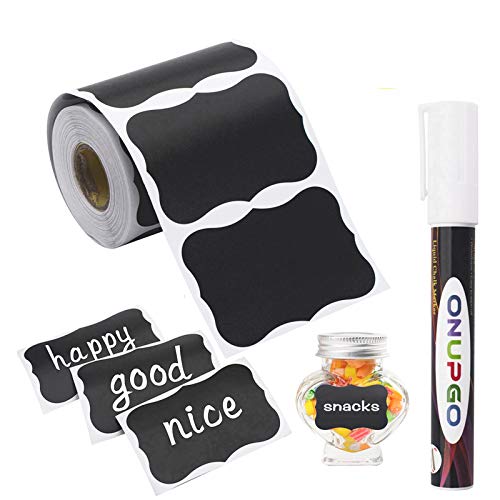
WIDE RANGE OF USE: Totally 180pcs waterproof reusable chalkboard labels works for jars, organizing, labeling pint mason Jar, cookie, canning, jelly jars, spice jars, spray bottle, water or shaker Bottle, wine glasses, coffee or tea tin boxes, canisters, baskets, folders, office supplies. The Chalkboard Sticker labels are decorating and organizing your pantry storage & office, cupboards, garage sales, containers, office, parties, bakeries, coffee shop, craft projects, walls and kids bedrooms.
Comparing Equipment-Free Methods to Commercial Sealers
Two fundamental approaches to vacuum food storage—equipment-free methods and commercial machines—differ markedly in their mechanics, reliability, and suitability for various food preservation tasks. When you use manual sealing techniques like water displacement, you’re relying on inconsistent vacuum strength and prone-to-leak manual seals. Additionally, sous vide cooking showcases how proper temperature control can enhance food preparation and preservation. Commercial sealers generate stronger vacuums with sensor-optimized settings for different food types, minimizing oxygen exposure that drives bacterial growth. You’ll find equipment-free methods adequate for occasional use and emergencies, but they expose food to residual air, shortening preservation time considerably. Commercial machines excel with liquids and long-term storage, reducing freezer burn risk substantially. However, you’ll invest $50 to several hundred dollars upfront plus ongoing bag purchases, whereas manual methods require only basic household items—a genuine cost advantage for budget-conscious users. Additionally, just as with a Dutch oven, proper temperature control is crucial to maintain the quality and longevity of your food storage solutions.

𝐒𝐌𝐀𝐑𝐓 𝐋𝐀𝐁𝐄𝐋𝐈𝐍𝐆 𝐒𝐘𝐒𝐓𝐄𝐌: Move beyond memory-based food storage with a smarter Seal–Label–Track routine. This smart vacuum sealer combines FreshTrack label printing with app-based food management, helping each sealed bag carry clearer information before it reaches the freezer. For homes that want more than a basic sealer, VSP801 helps make food preservation more organized from the start.

【𝟗𝟓𝐤𝐏𝐚 𝐒𝐮𝐜𝐭𝐢𝐨𝐧 & 𝐒𝐢𝐥𝐢𝐜𝐨𝐧𝐞 𝐆𝐚𝐬𝐤𝐞𝐭】Achieve airtight seals in 8-18 seconds with commercial-grade 95kPa suction power and a 130W motor — 50% faster than standard sealers. The upgraded silicone sealing ring prevents leaks, enhances vacuum performance, and extends machine durability, rigorously tested for 3000+ cycles.

【Leak-Proof Double Heat Seal Technology】17mm widened dual sealing strips provide commercial-grade airtight protection with near-zero leakage, locking in freshness, flavor, and nutrition. The food vacuum sealer machine prevents freezer burn and keeps food fresh up to 8X longer.
Converting Single-Use Packaging Into Reusable Containers
Just as you’ve learned to preserve food through manual sealing techniques, you can apply systematic thinking to transform your food storage approach by converting single-use packaging into reusable containers. You’ll standardize your storage system by identifying durable alternatives—glass jars, stainless-steel containers, or collapsible plastic crates—that replace disposable options. This methodical conversion requires you to establish tracking protocols for container circulation, cleaning procedures, and maintenance schedules. You’ll coordinate logistics across your storage spaces, ensuring containers maximize utilization before reconditioning. By adopting reusable containers strategically, you’re reducing material consumption considerably while minimizing waste generation. This systematic shift from single-use alternatives demonstrates how deliberate food storage practices integrate sustainability into your household operations, aligning with circular economy principles while extending container longevity.