You should consume thawed vacuum-sealed salmon within 1-2 days to guarantee it’s safe to eat. Once you thaw your salmon in the refrigerator, treat it as fresh fish and keep it at 32°F to 38°F in an airtight container. Don’t refreeze raw thawed salmon, as this compromises both quality and safety. Discard any salmon that’s been exposed to temperatures above 40°F for more than four hours. Understanding the specific factors that extend or shorten this window will help you maximize freshness and minimize foodborne illness risks.
Understanding Vacuum-Sealed Salmon Storage
When you’re storing salmon in vacuum-sealed packaging, you’re taking advantage of a preservation method that considerably extends shelf life by removing oxygen and creating a barrier against contaminants. This vacuum seal technology slows bacterial growth and prevents freezer burn, making it superior to standard storage methods. Moreover, vacuum sealing can significantly reduce spoilage, much like it does for various cheeses.
Unopened vacuum-sealed salmon lasts up to two weeks refrigerated at 40°F or below. However, once you break the seal, you must treat it as fresh fish and consume it within one to two days. For salmon preservation long-term, freezing vacuum-sealed packages at 0°F extends quality up to six months. Store unopened packages on your refrigerator’s bottom shelf to prevent cross-contamination. Always keep vacuum-sealed salmon in its original packaging until you’re ready to use it. Additionally, vacuum sealing can significantly extend the freshness and storage duration of various meats beyond normal methods.
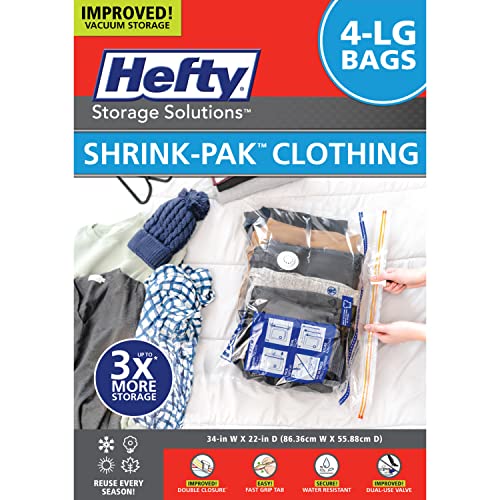
Space Saving Storage Solution: Hefty SHRINK-PAK vacuum storage bags are the perfect storage solution for seasonal clothing and bedding, offering maximum shrinkage and effectively saving space in your closet, suitcase or under your bed

Works with All Desktop Vacuum Sealers: These vacuum sealer bags are designed to work with all large desktop vacuum sealer machines. (Notice: The precut bags have no zipper or air valve and cannot be used with handheld vacuum sealers.)

MULTIPURPOSE, REUSABLE BAGS: These BPA-free, multilayer FoodSaver vacuum seal bags are durable and easy to hand-wash; also safe to use in the microwave, for sous vide cooking, and for freezer storage
The 1-2 Day Rule After Thawing
Why does thawing salmon trigger such a strict consumption timeline? Once you remove frozen salmon from freezing temperatures, bacterial growth accelerates rapidly. The vacuum seal’s protective barrier loses effectiveness because cold no longer inhibits microbial multiplication. Cooking at moderate sous vide temperatures helps ensure the meat reaches safe internal temperatures.
You must consume thawed salmon within 1-2 days to prevent foodborne illnesses like Listeria and Salmonella. Your thawing techniques matter greatly—refrigerator thawing maintains safety better than room-temperature methods, which accelerate bacterial proliferation.
After thawing, store your salmon at consistent temperatures between 32°F to 38°F in airtight containers. Don’t refreeze thawed salmon unless you’ve cooked it first. This narrow window reflects salmon’s vulnerability once thawed; it behaves identically to fresh salmon regarding safety protocols, regardless of its previous frozen state. Vacuum sealing can significantly extend shelf life for raw salmon when frozen, allowing it to maintain quality for up to 1 to 2 years in the freezer.
Why Vacuum Sealing Extends Freshness
Because oxygen fuels bacterial growth and oxidation, vacuum sealing dramatically extends salmon’s shelf life by removing air from the packaging equation. When you vacuum seal thawed salmon, you create an anaerobic environment that inhibits bacterial multiplication and halts oxidation processes that degrade quality. This oxygen elimination prevents the chemical reactions responsible for nutrient depletion and flavor degradation. Additionally, vacuum sealing creates a moisture barrier that stops freezer burn and dehydration, which would otherwise compromise texture and juices. By combining spoilage prevention through oxygen removal with protection against oxidative damage, you can extend your thawed salmon’s freshness remarkably beyond the standard 1-2 day window. This method preserves both nutritional value and delicate flavor profiles effectively, demonstrating that vacuum-sealed food can stay fresh up to five times longer than conventionally stored food.

Compatible with All Desktop Vacuum Sealers: These vacuum sealer bags are designed to work with all traditional desktop vacuum sealer machines. Simple to operate and convenient to use. (Note: These bags do not feature an air valve and are not compatible with handheld vacuum sealers.)
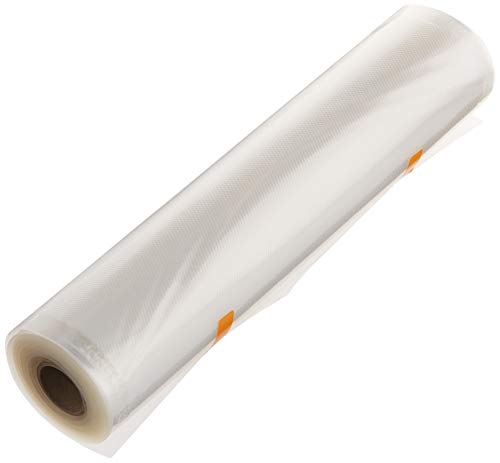
ROLL OUT: Including 2 rolls measuring 11" x19. 6' each, you have the ability to custom cut your bags to any length you wish. A perfect option for the cook who likes to keep their options open.

11-INCH VACUUM SEALER ROLLS THAT CUT TO ANY LENGTH: Users can create the exact bag size needed, reducing waste and allowing efficient storage of meats, produce, leftovers, and bulk grocery items for freezer or pantry use
Proper Refrigeration Temperature Requirements
Maintaining the correct refrigeration temperature is absolutely critical for keeping thawed salmon safe to eat. You should keep your refrigerator set at or below 40°F (4°C) to guarantee proper refrigeration safety and food storage. The FDA and USDA both recommend this standard for perishable foods like salmon.
Temperatures above 40°F allow harmful bacteria to multiply rapidly, increasing your foodborne illness risk. You’ll want to use an appliance thermometer to monitor your refrigerator regularly, especially after power outages. If your thawed salmon has been exposed to temperatures above 40°F for four hours or longer, you should discard it.

【Precise Measurement】Maintain precise cooling temperatures with our fridge thermometer,which accurately displays readings ranging from -40°F to 80°F.Ideal for refrigerators,freezers,kitchens,restaurants,or laboratories—helping you maintain consistent temperatures every time.

Convenient and practical: Our refrigerator thermometer is suitable for traditional refrigerators, freezers, insulated boxes, etc. It has a large dial with clear blue and red area indication on the surface of the fridge thermometer, making it easier for you to read the temperature.

Signs Your Thawed Salmon Has Spoiled
Even with your refrigerator set to the proper temperature, you’ll still need to know what spoiled thawed salmon looks like, smells like, and feels like—because these sensory indicators are your best defense against consuming contaminated fish.
Your spoilage indicators include visual changes: dull gray or brown flesh replacing bright pink, dark spots, sliminess, or mold growth. Perform sensory evaluation by noting odors—fresh salmon has a mild ocean scent, while spoiled fish develops ammonia-like, sour, or rancid smells. Check texture for mushiness, stickiness, or excessive dryness. Inspect packaging for excess liquid, bloating, or broken seals. Taste testing should be your last resort due to health risks. Since thawed salmon remains safe for only 1–2 days, vigilant sensory evaluation prevents foodborne illness. To prevent spoilage, consider proper storage techniques that can help maintain freshness.
Best Practices for Storing Thawed Salmon
Once you’ve thawed your salmon, you’ll need to store it properly to maximize its safety window and maintain quality. Transfer your salmon to airtight storage containers immediately after thawing—this prevents cross-contamination and preserves moisture and flavor. If containers aren’t available, use tight wrapping techniques combining plastic wrap and aluminum foil for maximum protection.
Keep your refrigerator at or below 38°F (4°C) to prevent bacterial growth. Never leave thawed salmon at room temperature. For cooked thawed salmon, airtight containers extend storage to 3-4 days. Fresh thawed salmon remains safe for only 1-2 days, regardless of wrapping method.
Hermetic sealing after thawing is critical—it prevents oxidative spoilage and maintains freshness throughout your storage window. Monitor your appliance temperature continuously to guarantee consistent food safety compliance.

Modular Design: Rubbermaid Storage Containers are compact and stackable, optimizing your kitchen storage space.

Keeps Food Fresh and Flavorful: our patented GAMMA SEAL TECHNOLOGY, featuring a threaded locking system and double gaskets, create a controlled moisture balance making it the ideal airtight dog food storage container (suitable for cat food, too)

Bundle Set: This kitchen & pantry organizers and storage set comes with 24 containers, they are inlaid together, so at first glance you may think there is only the same size, but when you take it apart, you will find FOUR different sizes. Includes 6 Large Tall Containers (2.5 quart /2.8 liters), 6 Large Containers (1.8 quart /2.0 liters), 6 Medium Containers ( 1.3 quart /1.4 liter), 6 Small Containers (0.7 quart /0.8 liters). Perfect for storing flour, sugar, spaghetti, rice, nuts, cereal, snacks, pasta, and more
Freezing vs. Refrigerating Thawed Salmon
After you’ve stored your thawed salmon in the refrigerator, you’ll face a decision about whether to keep it cold or refreeze it—and this choice depends entirely on whether your salmon is raw or cooked. If your salmon is raw, don’t refreeze it; refreezing techniques compromise texture and increase bacterial growth risks. However, if you’ve cooked your thawed salmon, freezing techniques preserve it safely for 2–3 months using airtight containers or vacuum-sealed bags. Alternatively, refrigeration methods keep thawed salmon fresh for only 3 days at 40°F or below. While freezing cooked salmon maintains flavor and texture longer, refrigeration methods suit short-term storage only. Your decision hinges on timing: freeze cooked salmon for extended storage, or refrigerate raw or cooked salmon for immediate consumption within days.
Common Mistakes That Shorten Shelf Life
While proper storage methods can extend thawed salmon’s shelf life, common handling mistakes can drastically reduce it—sometimes to just 1–2 days. Opening vacuum-sealed packaging exposes salmon to oxygen, immediately compromising freshness. You’ll accelerate spoilage by storing salmon in warmer fridge zones, frequently opening the refrigerator door, or leaving it out at room temperature.
Your packaging practices greatly impact longevity. Transferring salmon to non-airtight containers, using damaged seals, or leaving packages unsealed causes moisture loss and bacterial contamination. Handling salmon with unclean utensils introduces pathogens. Additionally, thawing at room temperature or using hot water promotes rapid bacterial growth, while refreezing damages texture and safety. Investing in a vacuum sealer can enhance the quality and longevity of your salmon.
Monitor your refrigerator temperature consistently and refrigerate salmon immediately after opening to maximize shelf life.

80kpa Suction Power - Updated vacuum sealer uses a DC motor pump with electromagnetic perm and pure copper core to enhance its suction power. It sucks all air out tightly to preserve your meat and vegetables for 10 times longer or more to prevent oxidation.

Chef Preserve Ultimate Starter Bundle Includes: 1 Compact Vacuum Sealer, 30 Reusable Vacuum Bags, 3 Glass Vacuum Containers
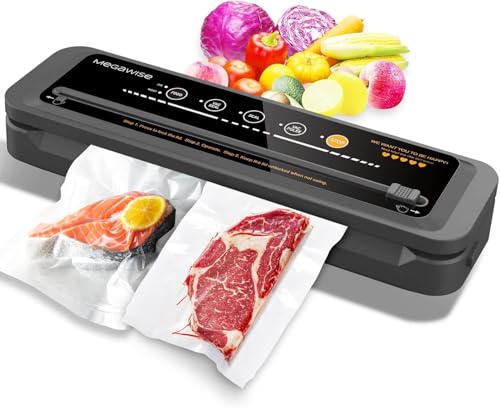
80kPa Suction Power: Updated 2025 vacuum sealer uses a DC motor pump with electromagnetics and pure copper for enhanced suction power. It sucks all air out tightly to preserve your meat and vegetables for 10 times longer or more to prevent oxidation and keep things fresh. Updated version solved many issues found from previous version
Safety Guidelines for Consuming Thawed Salmon
Because thawed salmon’s shelf life is dramatically shorter than frozen salmon’s, you’ll need to follow strict safety protocols to avoid foodborne illness. Your thawed salmon safety depends on consuming it within 1–2 days of thawing. Store it at 0°C to 4°C in airtight containers on your fridge’s coldest shelf to minimize bacterial growth.
When cooking salmon guidelines matter most: prepare your salmon immediately within the 1–2 day window for peak safety and taste. Never refreeze thawed salmon, as this degrades both quality and microbial safety. Discard any salmon showing off smells, slime, or discoloration—don’t rely solely on appearance.
Use clean utensils and surfaces during handling to prevent cross-contamination. Store leftover cooked salmon separately and consume within 3–4 days.