You can sear steaks perfectly using stainless steel skillets, non-stick pans, electric skillets, or grill pans. Pat your steak dry, salt it 30–45 minutes ahead, then preheat your pan until oil shimmers. Sear undisturbed for 3–4 minutes per side to develop a crust, then finish in a 400°F oven for even cooking. Air fryers also deliver excellent results at 400°F in 8–12 minutes. Each method produces restaurant-quality results when you understand the specific techniques involved.
Alternative Cooking Methods for Perfectly Seared Steak
Since cast iron isn’t your only option for achieving a perfectly seared steak, you’ve got several reliable alternatives that’ll deliver the crust and doneness you’re after. A non-stick skillet lets you cook without oil by starting cold, then flipping every 2 minutes over high heat until you reach 120–125°F for medium-rare. An electric skillet set to 400–450°F with minimal oil provides consistent heat for 3–4 minutes per side. Stainless steel pans require preheating until oil shimmers, then searing undisturbed for crust formation. Grill pans create distinctive marks while you oil the steak itself. For thicker cuts, sear in any pan, then finish in a 375–400°F oven until your target temperature hits. Additionally, remember to let the steak rest after cooking to ensure the juices redistribute, enhancing the overall flavor and juiciness. When cooking outdoors, you might also appreciate the versatility of a cast iron Dutch oven for easy dessert options after your meal.
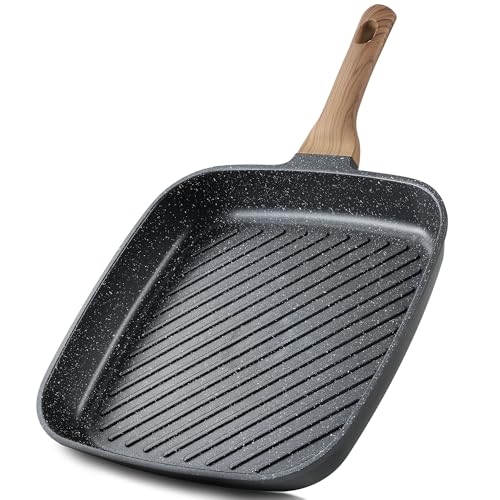
Universal Stovetop Compatibility—Carote grill pan can work flawlessly on gas, induction, electric, and ceramic cooktops. Seamlessly transitions from indoor kitchens to outdoor cooking setups.
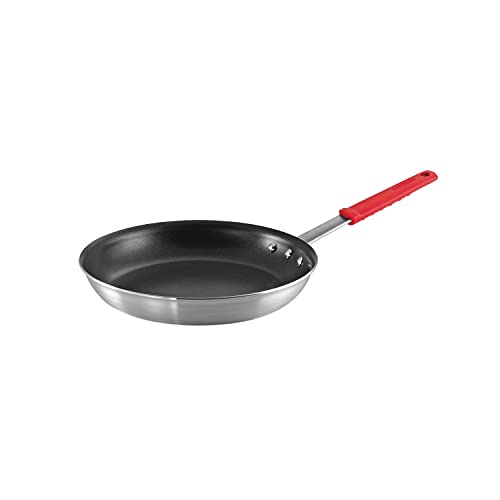
NSF-Certified commercial-grade heavy-gauge aluminum

Versatile Cooking Skillet: The Lodge Cast Iron Skillet is a multipurpose, everyday cooking pan that excels at searing, sautéing, baking, frying, and campfire meals
Essential Seasoning and Preparation Techniques
You’ll transform a good steak into an exceptional one through proper seasoning and preparation, which begins with understanding how salt interacts with meat. Salt your steak 30 to 45 minutes before cooking—this timing allows moisture drawn out initially to reabsorb, enhancing flavor and crust formation. Use coarse kosher salt applied evenly across all surfaces.
Pat your steak dry thoroughly with paper towels to promote the Maillard reaction. Bring it to room temperature before cooking for even seasoning uptake. Build complex flavor profiles by layering garlic powder, paprika, and oregano onto your salt base. Consider compound butters infused with rosemary or thyme to finish. Avoid over-salting, which causes excessive moisture loss and drying. These methodical steps guarantee your steak develops exceptional taste and texture regardless of cooking method.
Mastering Stove-Top Pan-Searing
Three critical elements—pan selection, proper heat, and technique—form the foundation of successful stove-top searing. You’ll want a large, heavy-bottomed stainless steel or non-stick skillet that retains heat evenly and promotes consistent crust development.
Preheat your pan on medium-high heat for 3-5 minutes until very hot. Test readiness by sprinkling water droplets; they should sizzle immediately. Your searing technique requires adding high smoke-point oil—avocado, grapeseed, or peanut—just before placing steaks in the pan.
Place steaks gently without moving them for 3-4 minutes until they release easily. Flip once, sear the opposite side similarly, then sear edges with tongs for one minute per side. Reduce heat to medium, add butter with aromatics, and baste until your steak reaches 5-10 degrees below target temperature. Remove promptly to prevent overcooking. The right heat retention and distribution can significantly enhance the crust and flavor of your steak.

CONFIDENCE IN EVERYDAY COOKING — Proven, dependable performance for everyday cooks looking to upgrade worn nonstick kitchen pans. This stainless steel pan features an uncoated surface with nothing to chip or wear, plus a lifetime warranty.

Sloped sides deliver perfect performance and maximize cooking surface

【Nontoxic 18/10 Cooking Surface】 DELARLO 12 inch Stainless Steel Pan with lid's 18/10 Stainless Steel Cooking Surface Won't React with Food to Alter Natural Tastes, Delivers Fresh, Flavorful Results. Delarlo 12 inch Frying Pan also has More Surface Area than the Average 12 inch Skillet on the Market, Providing a Wider Cooking Space
Oven Finishing for Even Cooking
Once you’ve developed a golden crust through pan-searing, transferring your steak to a preheated 400–450°F oven guarantees the interior cooks evenly without overcooking the exterior. Your oven temperature selection depends on steak thickness: thinner cuts (1 inch) need 5–7 minutes for medium-rare, while thicker steaks (1.5 inches) require 8–10 minutes. Monitor internal temperature, removing your steak 5°F below your target doneness to account for carryover cooking. It’s important to use a meat thermometer to accurately track the internal temperature and ensure perfect doneness.
Baste your steak with melted butter and fresh herbs like thyme or rosemary during oven finishing to enhance moisture retention and flavor penetration. Interestingly, using a 12-inch skillet strikes a balance between versatility and practicality for searing steaks before finishing them in the oven. After cooking, steak resting becomes essential—let your meat rest 5–10 minutes loosely covered with foil. This redistributes juices throughout the muscle fibers, ensuring tenderness and preventing moisture loss when you slice.
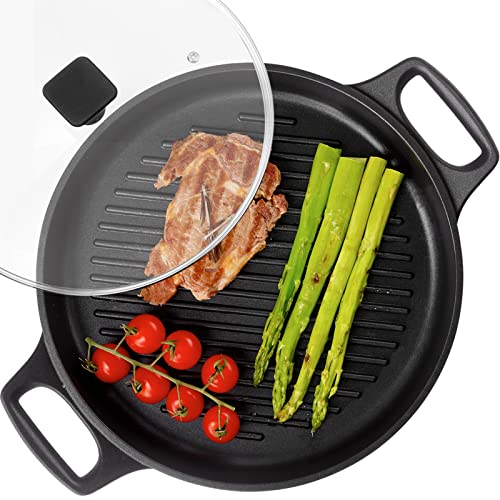
Cast Aluminum Griddle Pan: Lightweight Griddle Pans that work both indoors and outdoors are the best new option for all your cooking needs. Great for grilling steak, fish, BBQ burgers, chicken, bacon and more. Deep ridges and lid reduce splatter and leave less oil behind when cooking
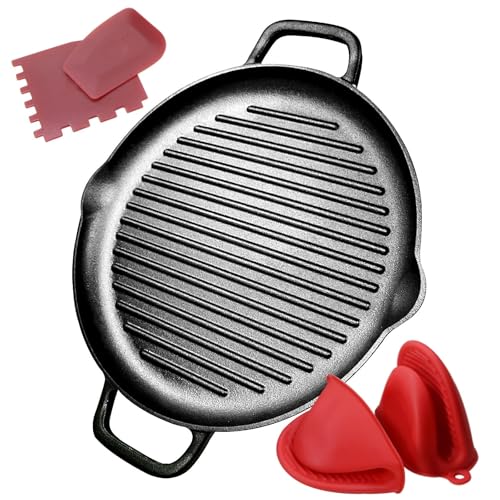
🍳PREMIUM QUALITY GRILL PAN&SiZE: Package include 12.6" Inch griddle Pan, 2 piece Grill Pan Scrapers, 2 piece silicone handles. Our griddle pan with easy grease drain spout and large easy-grip handles.High ribbed ridges keep ingredients out of fat and spouts on two sides can for drip-free pouring out of fat oil, reduce fat intake.Large easy-grip handles convenient to transport and move.

Secure Dual Assist Handle: The Lodge Seasoned Cast Iron Dual Handle Pan features dual assist handles for a secure grip when moving this cast iron skillet
Air Fryer Method for Quick and Easy Results
Air fryers offer a faster alternative to oven finishing, delivering crispy exteriors and perfectly cooked interiors in a fraction of the time. You’ll preheat your air fryer to 400°F for 2–3 minutes before cooking. Pat your steaks dry, coat them with olive oil, and season generously with salt and pepper.
For quick cooking, arrange 1-inch thick steaks in a single layer without crowding. Cook for 8–12 minutes total, flipping halfway through for even browning. Monitor doneness using a meat thermometer: aim for 5°F below your target temperature, accounting for carryover cooking. Unlike traditional methods, air frying eliminates the need for cast iron grill pans, which can scratch glass top stoves.
Remove your air fryer steak and rest it for 5–10 minutes under foil. This allows juices to redistribute, enhancing tenderness. Slice against the grain and serve immediately.