You’ll melt butter in your cast iron skillet, sauté fragrant onions and carrots until golden, then whisk in chicken broth and creamy milk for a velvety sauce. Nestle shredded rotisserie chicken and tender peas into that bubbling filling, season with thyme and poultry seasoning, then crown it all with golden, buttery biscuits. Bake at 425°F until those biscuits turn crispy and brown—about 25 minutes. The result? A showstopping comfort meal that deserves more exploration.
Essential Ingredients for Your Cast Iron Skillet Pot Pie
When you’re building a cast iron skillet chicken pot pie, you’re fundamentally layering together a handful of pantry staples and fresh components that transform into something deeply satisfying.
Your vegetable choices anchor the filling—diced onions, sliced carrots, celery, and peas create textural contrast. For protein options, you’ll reach for shredded rotisserie chicken or cooked chicken breasts, distributing them evenly throughout. Your seasoning blends should include salt, pepper, thyme, and poultry seasoning for complexity. To enhance the flavor of your filling, consider adding fresh herbs such as thyme or rosemary, similar to how they elevate the taste of steak.
Fat sources matter tremendously: butter softens your vegetables and enriches your roux, while milk and chicken broth create a silky béchamel sauce. Flour thickens everything into a cohesive filling. Additionally, cooking chicken thighs in a Dutch oven enhances the flavors and ensures tender, juicy meat in your dish.
Finally, your crust types determine personality—buttery pastry delivers elegance, while biscuit dough offers heartiness. An egg wash guarantees golden browning, while steam vents prevent soggy bottoms.
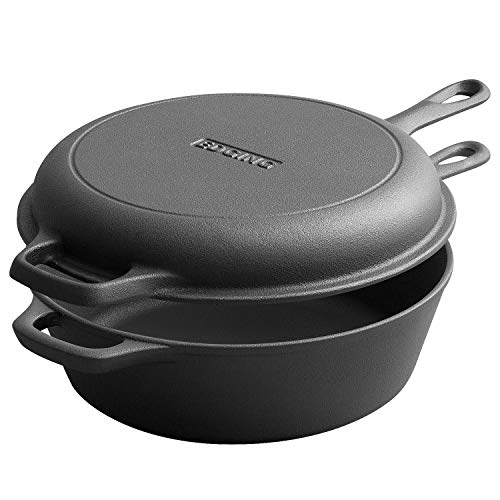
Pre-seasoned 2-in-1 cast iron dutch oven: The 2-In-1 cast iron dutch oven pot with skillet lid has been burned with vegetable oil,(no synthetic coatings or chemicals). The shallow skillet that can be used as a lid


Preparing the Creamy Filling Base
The foundation of your cast iron pot pie starts with three simple elements: butter, vegetables, and heat. You’ll melt butter in your skillet and begin vegetable sautéing with diced onions, carrots, and celery until they’re translucent and fragrant. This step maximizes flavor development. Additionally, utilizing Le Creuset Dutch Ovens can further enhance your cooking experience by evenly distributing heat.
Next comes roux preparation—the magic happens when you sprinkle flour over those softened vegetables and stir constantly for a minute or two. This brief cooking transforms the mixture into a paste that’ll thicken your sauce beautifully.
Gradually whisk in chicken stock and dairy (milk, half-and-half, or heavy cream), stirring continuously to prevent lumps. Simmer gently, letting the sauce thicken into that velvety texture you’re after. Additionally, be mindful that the distance-to-spot ratio can affect cooking methods if you’re using an infrared thermometer to check temperatures. Add thyme, salt, and pepper, adjusting seasonings as you go. You’re building something delicious.
Cooking the Chicken and Vegetables
Now that your sauce is simmering beautifully, it’s time to build those deeper flavors with chicken and vegetables cooked right in your cast iron skillet. Heat oil until shimmering, then sear bone-in, skin-on chicken pieces skin-side down for 3–5 minutes until golden brown. Flip and cook the other side until nearly done. Remove the chicken and sauté diced onions and carrots first, letting them caramelize slightly. Add celery and potatoes, cooking until slightly softened. Return the chicken to the skillet, nestling it among the vegetables. These chicken searing techniques lock in juices while vegetable sautéing tips build complex flavors. You’re creating layers of richness that’ll shine through every bite of your finished pot pie. Using a cast iron skillet enhances the depth of flavor due to its superior heat retention and distribution.

Homemade Pie Tradition: The Lodge Seasoned Cast Iron Pie Pan is designed for homemade pies, baked desserts, and memorable meals around the table

6 INCH CAST IRON SKILLET SET - 4-Piece set includes 4 cast iron 6 inch skillet and 4 wood trivets. This individual casserole dish set is oven safe. Trivets should not be used in the oven or placed on a hot stove. Mini cast iron dishes hold 12 ounces.

Biscuit Topping Options and Preparation
Since your filling’s bubbling away in that cast iron skillet, it’s time to decide on your biscuit topping—and you’ve got options depending on how much time you’re willing to invest. Homemade biscuits deliver the best flavor and texture: combine flour, baking powder, baking soda, salt, and sugar, then cut in cold butter until it resembles coarse meal. Add buttermilk gradually, mixing just until the dough comes together—don’t overmix or you’ll end up with tough biscuits. Proper seasoning of your cast iron skillet before cooking is also crucial for maximizing its non-stick performance.
For convenience, grab refrigerated or frozen biscuits instead. When it comes to biscuit cooking, you can bake them directly atop your filling or separately on a baking sheet for a crispier bottom. Brush with milk before baking to encourage golden browning. Biscuit variations like herb-infused or cheddar bay versions elevate your cast iron masterpiece beautifully.
To enhance the flavor of your dish, consider using a dry cast iron skillet to achieve a perfect brown crust on your biscuits.

Nice Cast Iron Pan: Made of durable cast iron, cast iron biscuit pan is a natural vessel for big, fluffy biscuits and individual desserts which will be applied through years and years of making biscuits, muffins, or scones!

Cast Iron Biscuit Pan

Seven Section Pan: Unique biscuit pan features seven 3.5" diameter x 1"H sections that easily and conveniently make up to 7 biscuits, muffins, scones, cupcakes or more for baking in an oven
Assembling and Baking Your Pot Pie
Your filling’s been simmering away, and those vegetables—the carrots, celery, and peas—are tender and swimming in a rich, buttery sauce that coats the back of a spoon. Now comes the magic: gently laying your biscuit dough over that bubbling filling. You’ll want to cover every inch, tucking edges slightly under or pressing them against the skillet sides to seal everything in. Additionally, make sure to use vacuum sealing bags that are compatible with your sealing system to store any leftovers effectively.
For baking tips, preheat your oven to 400°F to 425°F and position your cast iron skillet in the center. Bake for 25 to 35 minutes until those biscuits turn golden brown and your filling’s actively bubbling around the edges. Once done, let your pot pie rest five to ten minutes before serving—this allows the filling to set and prevents burns while your biscuits firm up beautifully. After your meal, if your cast iron skillet needs restoring, using oven cleaner can effectively strip away built-up organic solids.

CAST IRON CONSTRUCTION: Corn Bread Skillet is made from durable cast iron for even heat distribution and long-lasting performance in the oven or on the stovetop.

Professional Baking Simplified: Bake 8 wedges of your favorite confection, each with perfectly crispy crusts and neatly portioned edges- your cast iron bread pan will evenly bake & retain heat, delivering the perfect, delicious delights each time

With divided compartments, this scone pan allows you to bake multiple loaves of bread at once, saving you time and effort in the kitchen. Create the most delicious chocolate fudge, cookies, cupcake, apple pie, brownies, muffins, and scones using this pre-seasoned cast iron baking pan
Flavor Enhancement Techniques and Serving Tips
While your cast iron skillet‘s still warm from the oven, you’ve got the perfect opportunity to elevate what’s already a comforting classic. Start by finishing your pot pie with herb combinations like rosemary and thyme—they’ll release their aromatic oils into the steam. Sprinkle cheese varieties such as Gruyère directly onto warm biscuits for gooey richness. Citrus flavors transform everything: fresh lemon zest cuts through creamy heaviness while brightening savory depths. For spice techniques, dust red chili flakes across individual portions, letting diners control their heat level. Your protein selection matters—thighs create superior flavor compared to breasts. This texture contrast between crispy biscuit topping and tender chicken creates memorable bites. Additionally, make sure to thoroughly dry the skillet after cleaning; leaving it wet can lead to rust. In addition, be sure to use caution as you handle your cast iron skillet, especially if using it on glass top stoves. Serve immediately while contrasts sing.

Pre-Seasoned to perfection and ready for use Cast iron makes for superior heat retention and even heating of foods Heavy-Duty and durable designed to last for years Hand wash...