

You’ll keep vacuum-sealed venison fresh for up to 12 months at 0°F, though premium cuts like tenderloins extend to 18–36 months under ideal freezing. Ground venison lasts six months maximum. Proper vacuum sealing removes oxygen, preventing oxidation and freezer burn that degrade quality. Maintaining consistent freezer temperatures and using heavy-duty bags directly impacts longevity. Understanding how specific cuts, packaging methods, and storage conditions interact reveals strategies for maximizing your venison’s shelf life considerably.
Understanding Vacuum Sealed Venison Freezer Life
When you vacuum-seal venison and maintain your freezer at 0°F (-18°C), you’re creating an environment where steaks and roasts retain peak quality for up to 12 months. Ground venison extends to six months under vacuum sealing, doubling the three to four-month window with traditional wrapping. Tenderloins and backstrap last six to ten months when vacuum-sealed versus four to six months with double wrapping.
The vacuum sealing process removes oxygen that fuels oxidation and degradation. This controlled environment preserves meat quality by two to three times compared to standard freezer wrapping. Consistency matters—fluctuating freezer temperatures compromise storage duration. Free-range deer meat achieves approximately two years of shelf life when properly packaged and frozen, demonstrating vacuum sealing’s effectiveness for long-term preservation.

Compatible with All Desktop Vacuum Sealers: These vacuum sealer bags are designed to work with all traditional desktop vacuum sealer machines. Simple to operate and convenient to use. (Note: These bags do not feature an air valve and are not compatible with handheld vacuum sealers.)

MULTIPURPOSE, REUSABLE BAGS: These BPA-free, multilayer FoodSaver vacuum seal bags are durable and easy to hand-wash; also safe to use in the microwave, for sous vide cooking, and for freezer storage

Easy Use Design: No scissors required for these bags. Just align to seal and tear to open.
Shelf Life by Cut Type and Quality Standards
Because different venison cuts have varying cellular structures and surface area exposure, they’ll last dramatically different lengths of time in your freezer. Whole muscle cuts maintain peak quality for up to 12 months when vacuum-sealed, while premium steaks like ribeye and tenderloin extend to 18-36 months. Ground venison, however, declines faster—reaching ideal consumption within 3-4 months due to increased surface area and cellular damage from grinding. Quality standards differentiate between safe consumption and peak flavor. While vacuum-sealed venison remains safe indefinitely when frozen, hunters should target 6-9 months for ideal freshness across cut types. Understanding these distinctions helps you maximize both safety and culinary quality based on your specific cuts.
The Role of Freezer Temperature in Storage
Your freezer’s temperature is the single most critical factor determining how long vacuum-sealed venison maintains quality. You’ll achieve prime preservation at -18°C (0°F) or lower, with -26°C extending storage to 10-12 months without significant degradation. Temperature consistency matters equally; fluctuations common in standard refrigerator-freezers accelerate moisture loss and freezer burn through repeated ice crystal growth and recrystallization. You’ll find that chest freezers provide superior freezer efficiency and temperature consistency compared to frost-free models, which cycle temperatures and expose meat to warming during defrost cycles. Ground venison, despite vacuum sealing, requires shorter storage—4 to 6 months maximum—due to increased surface area exposure. Maintain stable conditions and you’ll preserve texture, flavor, and juiciness effectively.

Simple to use: plug it in, set the temp ranges, place the probe, plug in the heater/cooler into the marked outlet

[Compatible with]Temperature Control Thermostat Compatible with Midea, Arctic King, Insignia, Vissani Chest Freezer

🐠🐠【Convenient Design】 Plug and play, easy to use. Support reading with Centigrade or Fahrenheit.
How Vacuum Sealing Extends Meat Preservation
While freezer temperature provides the foundational conditions for preservation, vacuum sealing actively strengthens that foundation by eliminating the primary mechanisms of meat degradation. You remove oxygen that triggers oxidation, which destroys nutrients and alters flavor compounds in your deer meat. Your vacuum efficiency directly correlates with storage longevity—proper packaging techniques create an impermeable barrier preventing moisture evaporation and freezer burn. You’ll preserve vacuum-sealed deer meat up to 12 months frozen, compared to noticeably shorter periods in conventional bags. The airtight environment you create simultaneously inhibits microbial growth by depriving bacteria and mold of oxygen they require. This process is essential, as vacuum sealing significantly extends shelf life beyond traditional methods. By combining precise freezer temperature with superior packaging techniques, you extend preservation capability fivefold, maintaining nutritional content and taste integrity throughout extended storage periods. In fact, vacuum sealed venison can last up to 2 years when properly stored in the freezer.

Made in USA: Proudly manufactured in the United States
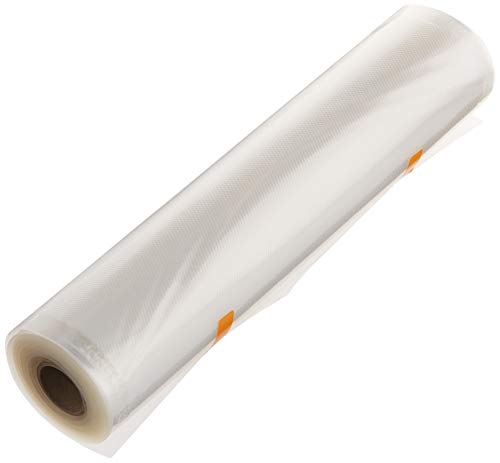
ROLL OUT: Including 2 rolls measuring 11" x19. 6' each, you have the ability to custom cut your bags to any length you wish. A perfect option for the cook who likes to keep their options open.

Customizable Length: Cut the roll to suit your specific storage needs
Comparing Vacuum Sealed vs. Traditional Packaging Methods
When you’re deciding how to store your venison long-term, the packaging method you choose dramatically impacts how long that meat’ll remain usable. Vacuum sealing removes oxygen that accelerates oxidation and bacterial growth, extending storage life 4-6 times longer than traditional wrapping. Your vacuum-sealed steaks maintain quality for 12 months versus 6-9 months with conventional methods. Ground venison stays fresh six months when vacuum-sealed compared to 3-4 months traditionally wrapped. While freezer paper with wax coating provides moderate protection, oxygen-free environments created by vacuum sealing dramatically slow enzymatic degradation. This is because removing oxygen slows bacterial growth and preserves texture and flavor much better than conventional storage methods. Though vacuum sealing requires initial equipment investment, its packaging effectiveness makes it economically advantageous for bulk storage exceeding two years, whereas traditional preservation techniques suit shorter 3-4 month timeframes. Regular maintenance practices like proper storage can further enhance quality during long-term storage.
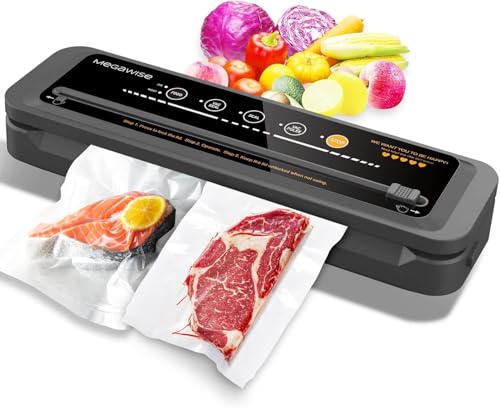
80kPa Suction Power: Updated 2025 vacuum sealer uses a DC motor pump with electromagnetics and pure copper for enhanced suction power. It sucks all air out tightly to preserve your meat and vegetables for 10 times longer or more to prevent oxidation and keep things fresh. Updated version solved many issues found from previous version

Fully Automatic Operation: Fresko fully automatic vacuum sealer, includes 10 pre-cut bags, 140W power, dry & moist modes and bag-mouth clamp (prevent bag from moving for a better seal). The food sealer machine is Ideal for meal prep, food storage, and sous vide cooking

Perfect Vacuum Sealing: With patented Globefish Technology, the vacuum sealer ensures a clear vacuum channel to effectively remove all air by applying over twice the pressure for a tighter, even seal, eliminating any concerns about weak vacuum and sealing
Recognizing Signs of Quality Decline Over Time
Even with vacuum sealing’s protective benefits, deer meat won’t maintain its peak quality indefinitely—degradation occurs through predictable visual, olfactory, and chemical changes that signal when your venison’s no longer worth cooking. Color changes from bright red to brown or gray indicate oxidation and protein breakdown. Odor shifts from mild gamey notes to sour or rancid smells reveal fat oxidation and microbial activity. Texture changes progressing from firm to mushy suggest protein degradation, while slimy surfaces indicate spoilage progression. These spoilage indicators develop gradually over 12–18 months even under ideal freezing. Watch for frost crystals suggesting thaw-refreeze cycles, and monitor for off-flavors or ammonia notes reflecting combined chemical and microbial processes. These signs tell you when quality’s compromised enough to discard the meat.
Managing Freezer Burn and Oxidation Risks
Recognizing spoilage signals helps you identify when deer meat’s deteriorated beyond recovery, but preventing that deterioration altogether requires actively managing the two primary threats to frozen venison: freezer burn and oxidation. You’ll eliminate freezer burn by removing oxygen through vacuum sealing, which creates an anaerobic environment that halts oxidative processes. Chamber sealers provide superior protection compared to standard models by achieving complete air removal. Before sealing, you must pat your meat completely dry—moisture compromises seal integrity and accelerates oxidation risk. Portion your venison into appropriate serving sizes beforehand, reducing exposure during retrieval. Trim excess fat and connective tissue to minimize oxidative surface area. Maintaining consistent freezer temperatures further enhances your vacuum sealing’s effectiveness, preserving your deer meat’s quality throughout extended storage periods.
Storage Guidelines for Ground Venison
Ground venison demands more vigilant storage practices than whole cuts because its increased surface area accelerates both oxidation and freezer burn. You’ll achieve ideal results by vacuum sealing ground venison into meal-size portions before freezing at 0°F or below, which extends shelf life to 6–9 months. Remove all air from bags to maximize preservation. In your refrigerator at 40°F or below, use ground venison within 1–2 days to prevent bacterial growth. For safe thawing, transfer frozen packages to your refrigerator overnight rather than leaving them at room temperature. Avoid refreezing thawed ground venison preparation, as this compromises both quality and safety. Discard any meat displaying off-odors, slimy texture, or discoloration before cooking to 160°F internal temperature. It’s essential to remember that a standard vacuum cleaner is not suitable for sealing food packages properly. Additionally, implementing a HACCP plan can help identify and control food safety hazards associated with vacuum packaging.

Complete Ground Meat Packing Kit: Includes everything to seal freshly ground meat fast—a poly bag tape machine, one roll of freezer-safe poly tape (approx. 1,200 seals), and 50 one-pound wild game meat bags for beef, pork, poultry, or venison

Universal Design: Compatible with All 'Clamp Style' Vacuum Sealer Machines
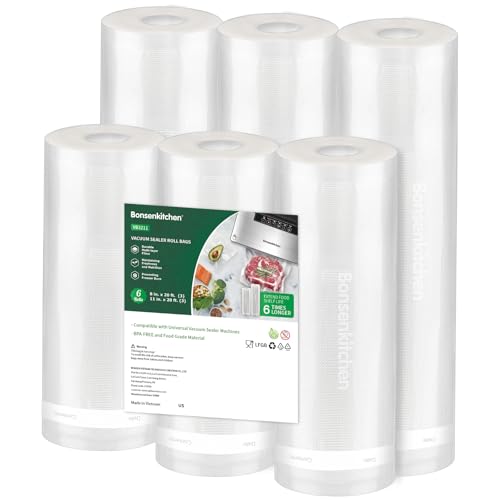
BPA FREE: Bonsenkitchen vacuum food sealer roll bags can be microwaved, frozen, re-used, washed, boiled and dishwasher safe. Allows you to precisely control your cooking temperature to achieve perfect results. You can cook sous vide in Bonsenkitchen bags by placing them in water at any temperature up to 230°F/110°C
Proper Labeling and Inventory Rotation Techniques
While proper refrigeration and thawing procedures protect your ground venison from immediate spoilage, you’ll need systematic labeling and inventory management to maximize the months of frozen storage ahead. Your labeling systems should include the freezing date, cut type, and weight on each vacuum-sealed package using permanent marker or freezer tape to prevent degradation. Implement First-In-First-Out (FIFO) rotation by positioning older packages toward the front and newly sealed meat toward the back. This inventory management approach prevents quality decline by ensuring you consume ground venison within its six-month peak quality window. Regular audits of your frozen stock identify packages approaching quality thresholds, enabling timely use before flavor and juiciness diminish noticeably. Additionally, a light coat of oil can help maintain the quality of other stored foods, similar to how it preserves cast iron skillets. Vacuum sealing is particularly effective for keeping meats fresh, ensuring that they stay flavorful and nutrient-rich for an extended period.
Best Practices for Long-Term Deer Meat Storage
Five critical factors determine how successfully you’ll preserve vacuum-sealed venison over months of freezing: maintaining precise temperature control, investing in quality sealing equipment, understanding cut-specific timelines, preparing meat properly before freezing, and monitoring storage conditions systematically.
You’ll maximize storage potential by keeping your freezer at 0°F (-18°C) consistently. Use heavy-duty vacuum sealing bags in appropriate storage containers rather than standard wrapping—professional-grade equipment extends deer meat quality up to 5X longer. Pat meat dry before sealing to prevent ice crystal formation. Portion into meal-sized packages to minimize thawing cycles. Wrap delicate cuts individually before vacuum sealing to prevent punctures.
Monitor your stored deer meat regularly for discoloration or ice buildup, signaling expedited consumption. Steaks maintain peak quality for 8-12 months; ground venison peaks at 6-9 months.


