You’ll transform your meal prep by vacuum sealing foods to extend shelf life three to five times longer than traditional methods. You’re creating an anaerobic environment that inhibits bacteria, molds, and yeasts while preventing oxidation and freezer burn. You’ll reduce food waste markedly while preserving nutritional value and flavor. Proteins, hard cheeses, blanched vegetables, and grains seal exceptionally well. You’ll uncover how proper sealing techniques, storage organization, and reheating methods maximize your meal prep efficiency.
Why Vacuum Sealing Extends Food Freshness
When you vacuum seal food, you’re actively removing oxygen and creating an anaerobic environment that inhibits aerobic bacteria, molds, and yeasts from proliferating. This process greatly extends shelf life by three to five times longer than traditional storage methods. Vacuum sealing not only extends freshness but also preserves nutritional value, which is vital for maintaining a balanced diet.
By eliminating oxygen exposure, you prevent oxidation that causes rancidity, nutrient loss, and color degradation. Vacuum sealing also traps moisture, preventing freezer burn and dehydration that compromises texture and flavor. Meats remain fresh up to three years when properly sealed, while dry goods last one to two years. Vacuum sealing works best when combined with proper storage temperature practices, ensuring optimal food preservation.
For meal portioning strategies, vacuum sealing enables portion control while maintaining food quality. This approach supports food sustainability by reducing waste and improving cost efficiency, ensuring your meal prep investments yield maximum nutritional and economic returns.

Made in USA: Proudly manufactured in the United States

Dollar Saver: Preserve food up to 3 years in the freezer, maintaining its freshness and taste
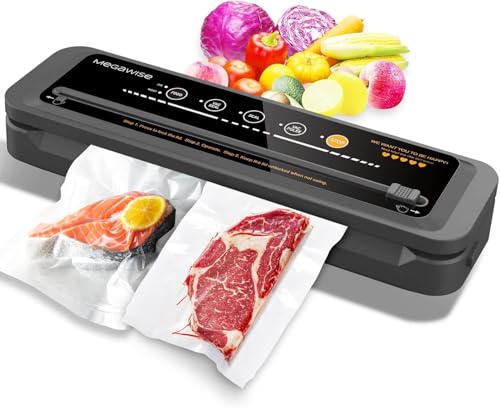
80kPa Suction Power: Updated 2025 vacuum sealer uses a DC motor pump with electromagnetics and pure copper for enhanced suction power. It sucks all air out tightly to preserve your meat and vegetables for 10 times longer or more to prevent oxidation and keep things fresh. Updated version solved many issues found from previous version
Best Foods and Recipes for Vacuum Sealing
Because vacuum sealing extends food freshness considerably, you’ll want to focus on foods that maximize these preservation benefits. Proteins like beef, pork, and chicken remain tender and freezer-burn free for months. Fish and extra-firm tofu absorb marinades effectively when sealed, enhancing flavor profiles, which is similar to how marshmallows are used in a s’mores dip recipe. Hard cheeses maintain moisture and resist mold growth for up to eight months.
For vegetables, blanch green beans and broccoli before sealing to preserve texture and nutrients. Grains and legumes stay protected from infestation during bulk storage. Soups and stews benefit from partial freezing before sealing to prevent bag collapse. Vacuum sealing items also protects food from external contaminants, ensuring safe and delicious meals while camping.
Vacuum sealing tips include using ideal containers sized appropriately for portions. Consider preparing grilled chicken with quinoa and roasted vegetables for balanced meal prep. Marinated tofu cubes with soy-based marinades create convenient plant-based options ready for cooking.
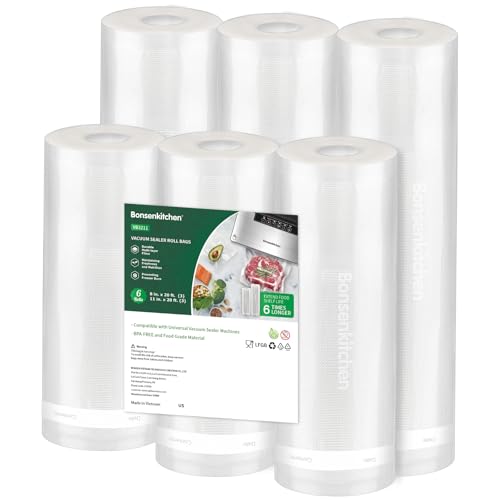
BPA FREE: Bonsenkitchen vacuum food sealer roll bags can be microwaved, frozen, re-used, washed, boiled and dishwasher safe. Allows you to precisely control your cooking temperature to achieve perfect results. You can cook sous vide in Bonsenkitchen bags by placing them in water at any temperature up to 230°F/110°C

【BPA FREE】Bonsenkitchen vacuum food sealer roll bags can be microwaved, frozen, re-used, washed, boiled and dishwasher safe. Allows you to precisely control your cooking temperature to achieve perfect results. You can cook sous vide in Bonsenkitchen bags by placing them in water at any temperature up to 230°F/110°C

Safe and BPA Free: Our vacuum sealer bags are made from BPA-free materials, ensuring they are safe for all types of food storage. They are designed to withstand a wide temperature range from -20℃ to 100℃(-4°F~212°F), making them suitable for microwave ovens, cabinets, fridges, freezers, and even for sous vide cooking. You can confidently use these vacuum seal bags knowing they keep your meals fresh and safe.
Step-by-Step Meal Prep Process
To maximize the benefits of vacuum sealing, you’ll need to follow a systematic approach that begins with thoughtful planning and proceeds through cooking, portioning, sealing, and storage.
Start by selecting batch-friendly recipes that freeze well, then cook large quantities simultaneously using appropriately sized cookware. Cool food to room temperature on sheet pans before sealing to prevent moisture buildup and seal failure.
Apply portion control by dividing meals into appropriate bag sizes—quart bags for individual servings, larger formats for families. Leave adequate headspace for proper sealing and verify bags are clean and dry.
Use your vacuum sealer to remove all air and create an airtight seal. Label each bag with contents and dates for organization and tracking.
These meal prep tips establish efficient workflows while maintaining food safety and freshness throughout storage.
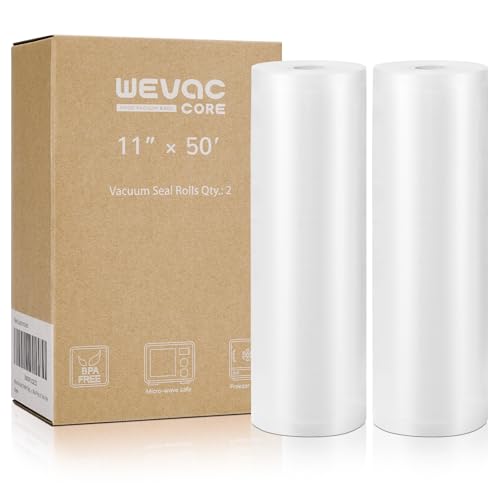
HEAVY DUTY AND PUNCTURE PREVENTION - 2 pack of 11 inch by 50 feet rolls with embossed channels to increase suction, keep fresh without freezer burn or dehydration

ECONOMICAL & & TIME SAVING: Total 150 count Bonsenkitchen 20 Gallon 11" x 16"+ 80 Quart 8" x 12"+ 50 Pint 6" x 10" vacuum sealer bags are different sizes of packaging, meet your different usage needs. Vacuum bags are pre-cut and ready-to-use, saving you time whenever you’re preserving leftovers, preparing make-ahead meals, and portioning bulk items in the freezer.Just pull out and use, no need to cut, no need to seal one side before putting food in

Sealing Method: The open filling bag can be vacuum sealed as well as heat sealing the open top
Vacuum Sealing for Sous Vide Cooking
While sous vide cooking relies on precise water temperature control, vacuum sealing directly enhances the efficiency and quality of this cooking method. When you remove air from your pouches, you eliminate thermal barriers that impede heat transfer. Water conducts heat approximately eleven times more efficiently than air, so direct contact between water and food surface maximizes thermal conductivity and guarantees even cooking within specified timeframes. This is similar to the way Dutch ovens excel in one-pot meals, allowing for even cooking and hearty flavors.
Beyond heat distribution, you’ll experience superior flavor retention. Vacuum-sealed environments lock marinades, juices, and natural compounds within the bag, intensifying taste profiles while preserving nutritional value throughout extended cooking processes. Herbs and spices absorb more effectively in airtight conditions, delivering concentrated flavors that conventional cooking techniques cannot achieve.
This combination of cooking techniques produces consistently tender, juicier results while protecting food integrity during water bath exposure. For serious enthusiasts or batch cooking, investing in a vacuum sealer can provide significant advantages such as improved heat distribution and longer shelf life for your meals.

Fully Automatic Operation: Fresko fully automatic vacuum sealer, includes 10 pre-cut bags, 140W power, dry & moist modes and bag-mouth clamp (prevent bag from moving for a better seal). The food sealer machine is Ideal for meal prep, food storage, and sous vide cooking

【42 PCS Food Vacuum Sealer Set, Use for Home /Restaurant /SuperMarket】Kosbon 42 PCS Sous Vide Vacuum Sealer Set - 30 Reusable Bags, 5 Clips and Sealing Clips for Anova, Joule Cookers.

4 Modes : 'Vac & Seal' - one-touch automatic vacuum and seal, perfect for food that does not deform easily, such as meat, nuts, and vegetables; 'Pulse Vac' - manually control the vacuum process, suitable for soft food or moist food, such as bread or food with soup; 'Seal' - only seal, for potato chip bags; 'Accessory' - designed for vacuuming jars or sous vide bags
Choosing the Right Vacuum Sealer Equipment
Equipment selection makes the difference between effective meal prep and wasted time and money. You’ll need to evaluate key vacuum sealer features to match your specific needs. Consider the sealing method differences between external and chamber sealers: external models work best for dry foods, while chamber sealers handle liquids better. Assess your power requirements based on food types you’ll prepare regularly. Evaluate size constraints within your kitchen space and determine portability needs. Review accessory ports for jar or tube sealing capability. Examine warranty coverage and customer support availability. Balance initial cost against long-term durability and maintenance expenses, including replacement bags and pump upkeep. These factors collectively guarantee you select equipment that delivers reliable preservation and justifies your investment.

【𝐃𝐮𝐚𝐥 𝐕𝐚𝐜𝐮𝐮𝐦 𝐙𝐨𝐧𝐞𝐬 & 𝟔 𝐋 𝐂𝐡𝐚𝐦𝐛𝐞𝐫】Seal liquids, soups, and powders in the roomy upper chamber (approx. 6 L / 300 × 260 × 80 mm). The upper chamber is bag-friendly, working with smooth chamber bags and textured or embossed rolls—from small pouches to larger bags that fit inside—so it isn’t picky about bag types. For bags that can’t fit in the chamber, the independent lower work area handles out-of-chamber sealing with compatible rolls.
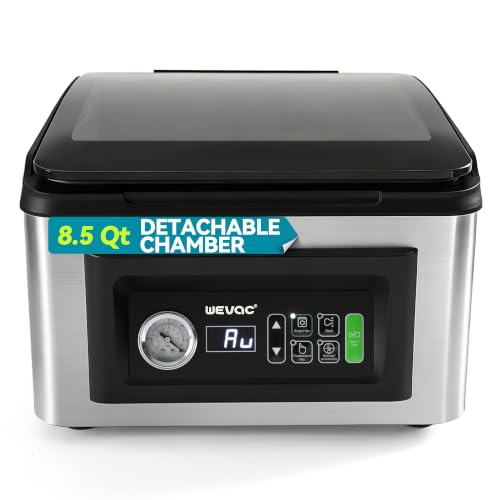
No Guesswork with Auto Vacuum Time: Manual timers often lead to under- or over-vacuuming. This chamber sealer automatically senses the food volume and sets the optimal vacuum cycle for you. One touch is all it takes to achieve a perfect, airtight seal—every time

Lock In Freshness Up To 8x Longer — The InstaSeal vacuum sealer pulls a powerful 60 kPa] airtight seal that stops freezer burn and slows spoilage, so meat, produce, and leftovers stay fresh for weeks instead of days — ideal for meal preppers, hunters, and families buying in bulk.
Storage Organization and Labeling Strategies
Once you’ve selected your vacuum sealer equipment, you’ll need to establish proper storage organization and labeling strategies to maximize the benefits of your meal prep efforts. Label every vacuum-sealed bag with contents and sealing date to track freshness and prevent food waste through portion control. Maintain a visible inventory on your fridge door to monitor stored items systematically.
For freezer management, stack flat vacuum-sealed bags vertically to maximize space and prevent freezer burn. Use plastic bins to section freezer contents by meal type for efficient access. Store long-term frozen foods toward the back to maintain ideal temperature conditions, as this helps prevent freezer burn and ensure food quality.
Implement a first-in, first-out rotation system by consuming older items first. Include reheating instructions on labels as needed to streamline meal preparation and usage. Additionally, vacuum sealing significantly extends the shelf life of food, allowing you to enjoy meals long after preparation.
Reheating and Serving Your Vacuum-Sealed Meals
After you’ve properly stored your vacuum-sealed meals, reheating them safely and effectively requires following specific methods and temperature protocols to preserve food quality and guarantee food safety. You can choose from four primary reheating methods: microwave, sous vide, oven, or stovetop boiling.
For safety precautions, always use food thermometers to verify your meal reaches 165°F (74°C) before serving. Check that your bags are manufacturer-rated for your chosen method and remain intact without leaks or damage.
Your reheating tips should include venting microwave bags to prevent pressure buildup, matching sous vide water temperature to original cooking conditions, and simmering stovetop meals for 10–20 minutes. Select your method based on food thickness and density, as dense foods reheat more evenly in ovens. Avoid reheating multiple times to minimize bacterial contamination risks.