You’ll prevent sticking by preheating your cast iron on medium-high for ten minutes until water droplets dance across the surface. Apply at least a tablespoon of fat—butter, bacon grease, or avocado oil—and swirl it immediately for uniform coverage. Crack eggs onto a flat surface, pour them slowly into the concentrated fat pool, then lower heat immediately. Cover with a lid to trap steam, allowing whites to set evenly. Monitor doneness carefully; properly seasoned, adequately oiled skillets with consistent low heat produce eggs that release effortlessly.
Proper Preheating of Cast Iron
Before you can cook eggs successfully in cast iron, you’ll need to preheat your skillet properly to achieve even heat distribution and prevent sticking. Start on medium heat for initial warming, then increase to medium-high and continue for approximately 10 minutes. This gradual preheating technique prevents thermal shock and promotes consistent heat across the cooking surface.
Verify readiness using the water droplet test: droplets should jump and dance on the surface. Immediate evaporation indicates insufficient heat; continue warming until you observe the jumping response.
Match your burner diameter to your skillet size to guarantee ideal heat distribution without hot spots or underheated areas. Avoid high heat settings initially, as cast iron retains heat efficiently. This methodical approach stabilizes temperature, protects your seasoning layer, and creates perfect conditions for cooking eggs without adhesion. Additionally, the thick cast iron of your skillet enhances even heat distribution, which is crucial for achieving flawless results when cooking eggs. Using a little oil or butter will also help improve the non-stick properties, making it even easier to cook eggs.

YOUR NEW GO-TO SEASONING SPRAY: The Lodge Seasoning Spray is the perfect seasoning spray to maintain your cast iron cookware. It is made of 100% canola oil - no additives or propellants, to protect your cookware and enhance its finish.

PREMIUM CAST IRON CONDITIONING & SEASONING OIL | Made with FOOD grade, solvent-less, refined coconut oil that is safe for food contact and cast iron surfaces. The result is a premium product that does not go rancid.
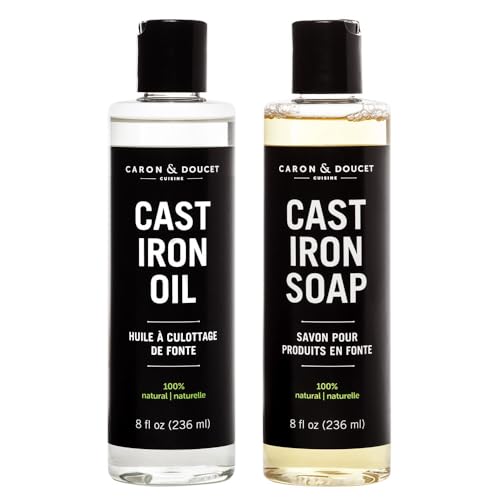
CLEANS CAST IRON | Includes our Cast Iron Soap unlike detergent based soaps, this soap is formulated with 100% natural plant-based oils & free of sulfates, phosphates, parabens & petrochemicals! Gentil on cast iron seasoning & on your hands!
Use of Adequate Fat
After you’ve preheated your cast iron skillet, the next critical step is applying adequate fat to create a reliable non-stick surface. Your fat selection determines both flavor and performance; butter, bacon fat, lard, and avocado oil each offer distinct advantages. Use a tablespoon or more of fat per batch to guarantee complete pan coverage. Insufficient fat increases sticking risk as eggs bond directly to cast iron’s surface. Ample fat fills micro-pores in your seasoning layer, enhancing non-stick properties and enabling even cooking with crispy edges. Additionally, seasoning a skillet with bacon grease not only improves its cooking properties but also imparts a distinct flavor. Immediately swirl the heated fat across all surfaces for uniform coating. This generous application facilitates immediate egg surface sealing upon contact, reducing adhesion considerably. Your fat quantity directly determines cooking success and ease of spatula movement. Additionally, ensure that your cast iron skillet has a smooth bottom to maintain safety when using it on glass cooktops.

Durable Cast Iron Construction: Made from cast iron for long-lasting use and even heat distribution.

HEAVY-DUTY CAST IRON – Built from durable cast iron for long-lasting performance, this skillet is made to handle everyday cooking and years of use in your kitchen, at the campsite, or on the grill.

Made For The Switch: For cooks who love the convenience of nonstick and ceramic cookware but want a pan they'll keep for years, this skillet delivers a familiar cooking experience with the staying power of cast iron.
Egg Placement and Cooking Technique
Once your cast iron skillet’s fat reaches the ideal temperature, you’re ready to deposit your eggs with precision. Start by egg cracking on a flat surface to prevent shell fragments that compromise cooking quality. Pour eggs slowly from a small bowl, positioning them in a concentrated fat area for even heat distribution.
Lower your heat immediately after placement, allowing residual skillet warmth to maintain cooking without burning. Cover the skillet with a lid to trap steam, which naturally lifts eggs from the pan surface. Properly heating the skillet is crucial to ensuring that the eggs cook evenly without sticking. Monitor cooking time carefully—approximately two minutes before flipping for sunny-side-up preparation.
It’s important to remember that ensuring your skillet is properly seasoned can help prevent sticking during the cooking process. When flipping, use a thin spatula with deliberate movements to minimize tearing and protect yolk management. Limit second-side cooking to thirty seconds maximum, preventing overcooking and sticking. Remove eggs promptly upon reaching desired doneness.

Stainless Steel Spatula: Metal spatula is made of food grade stainless steel material, durable and corrosion resistant, can be used for a long time without rusting.
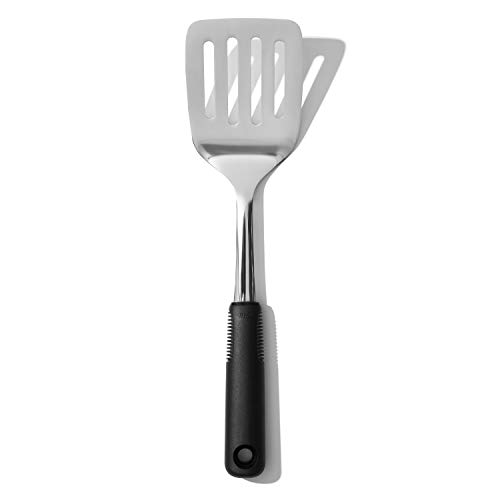
Sturdy stainless steel turner effortlessly lifts, flips, chops and drains
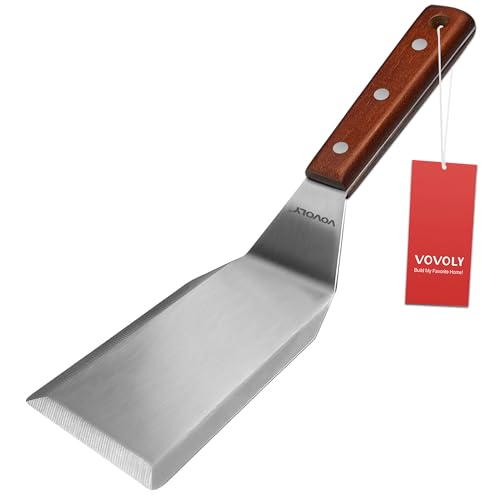
High Quality Stainless Steel: This metal spatula is made of thickened and hardened stainless steel, perfect for cast iron skillets, and smashing burger.
Seasonal and Surface Condition of Skillet
A properly seasoned cast iron skillet is fundamental to preventing sticking and ensuring consistent egg cooking performance. You’ll achieve excellent results with a smooth, black, shiny patina—the hallmark of effective seasoning techniques. If you notice rough or flaky surfaces, your skillet requires re-seasoning through thin, even layers applied at correct temperatures. Properly applying high smoke point oil is crucial in the seasoning process, as it helps create a resilient non-stick surface.
Your skillet maintenance routine directly impacts egg adhesion. Regular cooking with oil strengthens the non-stick surface by filling uneven spots and reinforcing the polymerized layer. If seasoning flakes, scrub with a nylon brush and salt, then re-season methodically using thin coats at moderate temperatures. Avoid boiling water after seasoning, as this softens the polymerized layer and induces sticking. Consistent maintenance preserves your skillet’s cooking performance, and proper cleaning and drying are essential to prevent rust and enhance the seasoning.
Temperature Control During Cooking
While your skillet’s seasoning creates the foundation for non-stick performance, temperature control during cooking determines whether you’ll actually achieve that result. Once you’ve added eggs, immediately reduce heat to low—this adjustment is essential for temperature management. High heat causes eggs to cook too rapidly, resulting in rubbery texture and sticking issues.
Low heat allows eggs to set gradually while maintaining heat retention within your cast iron, enabling them to release naturally from the pan. You’ll notice eggs sizzling gently rather than violently, and egg whites setting evenly without browning at the edges. When you nudge them gently, they’ll slide easily across the surface. This consistent, low-heat approach produces tender eggs that slip right off your pan effortlessly. Additionally, cooking in a well-seasoned cast iron skillet ensures that you maximize its non-stick capabilities and keep the pan safe for everyday use. It’s particularly important to preheat the skillet properly to achieve that ideal cooking surface, enhancing the non-stick effect further.

Superior Heat Retention: The Cast Iron Skillet distributes heat evenly across the surface for perfect cooking results. Ideal for searing, sautéing, frying, baking, and more.

Exceptional Heat Retention: Enjoy perfectly cooked meals with cast iron skillets that provide even heat distribution, ideal for searing, frying, and baking in a 12 inch frying pan.

Thoughtfully Designed Cast-Iron Skillet: This 8-inch iron skillet showcases ergonomic handles, spatula-friendly sidewalls, and generous pour spouts
Additional Tips and Troubleshooting
Even with proper temperature control, you’ll encounter occasional challenges that stem from pan preparation rather than cooking technique. If eggs stick persistently, inspect your seasoning for dull spots or gaps requiring re-seasoning. To ensure optimal cooking conditions, periodically check your cast iron skillet’s seasoning for wear and tear. You can experiment with alternative fats—ghee offers high smoke points while coconut oil provides distinct flavor profiles. Different egg varieties respond differently; scrambled eggs tolerate slightly higher heat than delicate fried eggs. Clean your pan immediately after cooking to prevent residue buildup that compromises non-stick properties. Use minimal water and soft brushes to preserve seasoning. For stubborn stuck bits, scrape gently with a spatula. Maintain a light oil coating post-cleaning. These troubleshooting strategies address root causes, ensuring consistently successful egg cooking regardless of preparation method. Additionally, cleaning your cast iron skillet with a chain mail scrubber can help maintain its seasoning while effectively removing stuck bits.

TLC for your griddle cooktop: All you need to build a slick, easy-release surface that's protected from rust and easy to work with using Blackstone griddle seasoning and cast iron conditioner

RESTORE & PROTECT YOUR CAST IRON: Keep skillets, Dutch ovens, griddles, grill grates, and carbon steel cookware in peak condition with our premium cast iron skillets seasoning oil. Builds a durable protective layer that helps prevent rust, preserves the classic black patina, and maintains naturally nonstick cooking performance.

Mild and Easy: Grapeseed Oil is at its best in stir-fries and sautés; it doesn't overwhelm other ingredients and lets fresh flavors shine. When grilling or frying, it is a must-have in the pantry.