If you’re wondering how to turn a humble pork roast into a melt-in-your-mouth meal, the answer lies in slow cooking and building flavor.
Searing the meat first and then simmering it at a low temperature helps achieve tender, fall-apart perfection.
With a sweet and savory sauerkraut base packed with apples, onions, and spices, this dish is both comforting and flavorful.
Keep reading to learn how to master this classic Dutch oven recipe from start to finish.
Why a Dutch Oven Delivers Even Cooking and Moisture Retention
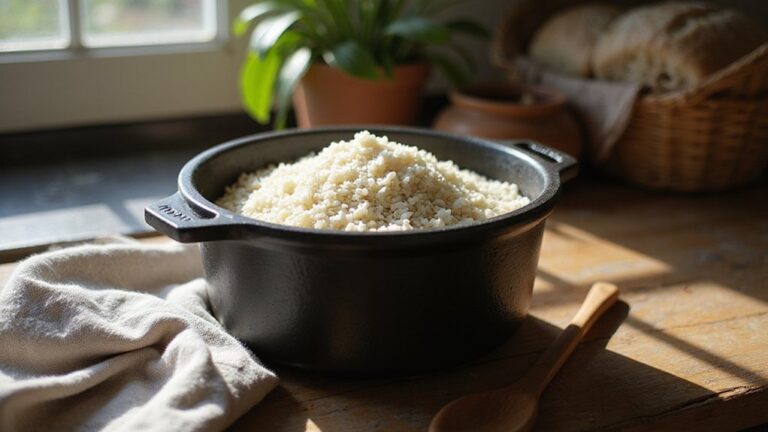
A Dutch oven delivers even cooking and moisture retention because it traps steam and distributes heat uniformly. The cast iron’s superior thermal mass absorbs heat steadily, maintaining a consistent temperature around 300°F, which prevents hot spots. Its heavy lid creates a tight seal, locking in moisture and enabling continuous steaming. As steam rises and condenses, it bastes the food naturally, keeping it juicy and tender. Unlike lighter cookware that heats unevenly or loses moisture quickly, a Dutch oven surrounds your food with uniform heat and moisture, making it ideal for slow-cooked, braised, or roasted dishes. This versatile pot can also be used to prepare classic recipes like Beef Stew and Beef Bourguignon. This reliable heat and moisture retention result in flavorful, evenly cooked meals with minimal fuss. To ensure the meat is safely cooked, the internal temperature must reach at least 145°F for pork. You can verify this safely using a digital meat thermometer with a waterproof rating, as it is suitable for checking both meat and liquid temperatures. If the cast iron surface develops rust over time, you can restore it using a vinegar spray solution to loosen the corrosion before reseasoning.

Even Heat Distribution Retention: This Umite Chef Dutch oven Made with heavy-duty enameled cast iron, ensures even heat distribution for perfect searing and slow cooking, locking in flavors. thickened walls lock in heat for slow braising, searing, and baking. Unlike thin pots that scorch food, this professional-grade Enameled cast iron potSuperior heat retention after preheating (allow 5-7 mins for even distribution). CRITICAL: Always cool naturally for 45+ mins before cleaning. Thermal shock (hot-to-cold contact) cracks enamel. USE TIP: Preheat 2-3 mins on medium-low only

PFAS-FREE & NON-TOXIC COOKWARE: ATTENTION: If your manual mentions "enamel" or "low-medium heat only", it is incorrect. This is 100% pure cast iron cookware! Not Enamel-Coated: Safe for High-Heat Cooking! Metal utensils OK (avoid sharp edges) Every Umite Chef cast iron pot has been burned with 100% natural, food-grade vegetable oils—absolutely zero PFAS, PFOA, PTFE, synthetic coatings, or toxic chemicals. Our seasoning naturally builds with use, developing a superior non-stick surface over time while ensuring oven-to-table safety

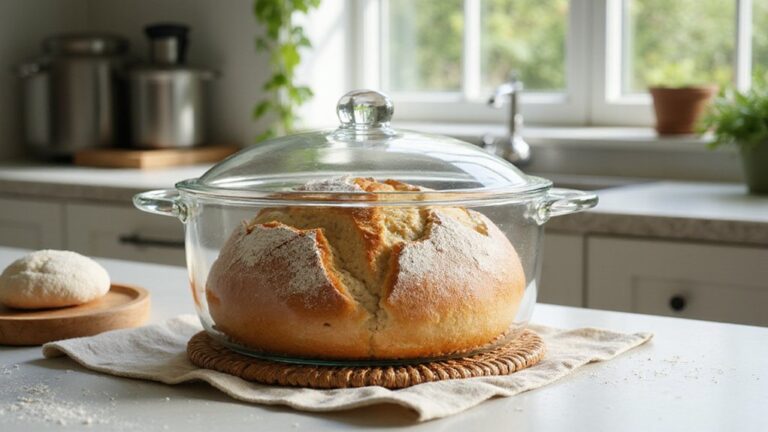
BREAD BAKER'S DUTCH OVEN, 500°F OVEN-SAFE, SOURDOUGH-READY – one of the highest ratings in its class – delivering the sustained heat that sourdough, artisan bread, and pizza dough demand. Thick cast-iron walls trap and circulate heat like a brick oven, producing bakery-quality crusts at home. The tight-sealing lid features raised self-basting nodes that continuously recirculate steam: a perfect moisture chamber, every single bake.
How to Season and Sear a Dutch Oven Pork Roast
To season and sear a Dutch oven pork roast effectively, start by preparing the meat for optimal flavor. Pat the roast dry with paper towels to remove excess moisture, then let it sit at room temperature for about 30 minutes. This helps promote even cooking and better browning. Next, build a balanced dry rub by combining salt, pepper, garlic powder, and smoked paprika. For additional depth, consider adding cumin or coriander. Incorporate dried thyme or rosemary to enhance herbal notes. Coat the entire surface of the roast evenly with the spice mixture. Dutch ovens are also excellent for making creamy sauce in recipes like chicken pot pie. A Dutch oven provides even heat distribution for consistent searing and moist cooking throughout the braise. You can further reduce energy costs by making small adjustments of 1-2 degrees to your home thermostat while the roast braises. Preheating the Dutch oven gradually helps prevent enamel cracking during cooking.
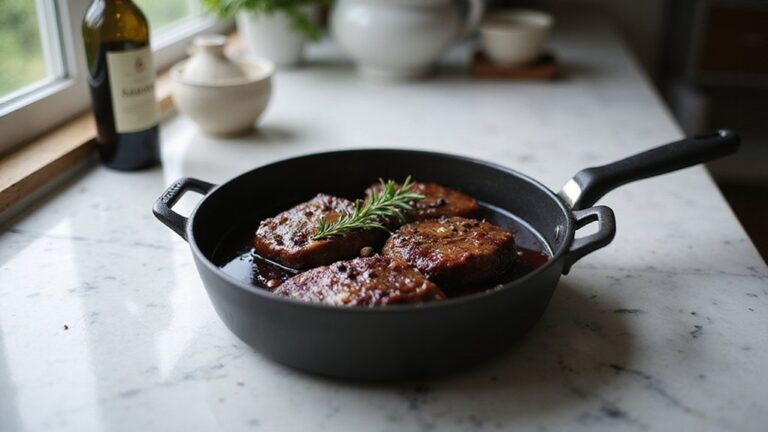
Heat oil in the Dutch oven until shimmering—this ensures a good sear. Sear the pork on each side for 2 to 6 minutes, only flipping when the meat releases easily from the surface. A deep golden-brown crust is your goal, not cooking the meat through at this stage. Once seared, remove the roast from the Dutch oven. Deglaze the pan with broth, scraping up the browned bits, which are packed with flavor. This step helps create a rich base for the roast’s braising phase and prevents burning. Set the pork aside briefly, ready to be cooked further in the recipe.

A delicious and juicy meal -- with easy cleanup! Cooking bag included.
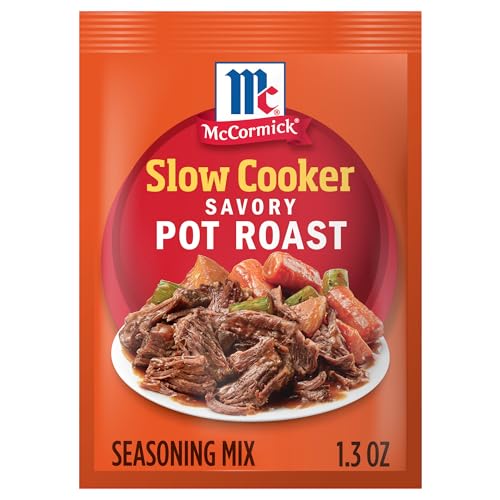
HOMEMADE FLAVOR: Make homestyle pot roast with McCormick Slow Cooker Savory Pot Roast Seasoning Mix in your slow cooker or electric pressure cooker.

One 4.76 ounce container of Pork Rub & Seasoning
Build a Sauerkraut Base With Apples and Spices for Sweet-Savory Depth
To build a flavorful sauerkraut base with apples and spices that offers a sweet-savory balance, start by preparing your spice blend. Crush juniper berries and caraway seeds to release earthy, piney notes that complement the tang of the sauerkraut. Add a pinch of grated ginger and ground cloves to introduce warming, aromatic complexity without overwhelming the dish. For the apple component, peel and shred tart Granny Smith apples into ½-inch ribbons. Sauté these apple shreds with thinly sliced onions in butter until they turn translucent and develop a golden hue, which signals caramelization and adds depth. Using a spice infuser prevents biting into the crushed berries and seeds during cooking. Always work in a well-ventilated area when using high heat to reduce smoke and prevent fire hazards. After cooking any similar dish in a cast iron skillet, dry it thoroughly on the stovetop to prevent rust.
Once the apples and onions are ready, stir in your rinsed sauerkraut along with the prepared spice mixture. Pour in a small amount of reserved kraut juice or apple cider—enough to cover the layered ingredients. Cover the pan and simmer on low heat for around 10 minutes. This short simmer softens the flavors and allows the spices to meld. Afterwards, uncover and increase the heat slightly to boil off excess liquid, stirring occasionally until the mixture reaches a jam-like consistency. Finish by seasoning with black pepper and salt, then let the dish rest overnight. This resting period enhances the sweet and savory flavors, making it an excellent addition before serving with pork. Achieving a similar precise texture with eggs would require a sous vide water bath to control temperature and timing.

Distinctive Flavor Profile: Finely ground from juniper berries (Juniperus Communis), this powder carries a sharp, piney aroma with subtle citrus undertones. It’s the same unmistakable note that defines and adds depth to both savory and sweet recipes.


Certified Organic Spice Duo – Includes Geo-Fresh organic ginger powder (1.4 oz) and organic clove powder (1.59 oz), both USDA certified and non-GMO.
Dutch Oven Pork Roast Cooking Time and Temperature Guide
Preheat the Dutch oven to 300°F for a fall-apart pork shoulder. Cook it covered for about 3 hours until it reaches 190°F to 205°F. If you prefer a standard roast, set the oven to 350°F and plan for about 20 minutes per pound, aiming for an internal temperature of 145°F. To keep the cookware in good condition, hand-wash after each use with a soft sponge and warm soapy water, avoiding steel wool that can damage the enamel. For a balanced approach, roasting at 325°F for 25 to 30 minutes per pound is effective, with an internal temperature goal of 145°F to 150°F. To achieve a crusty pork loin, roast uncovered at 425°F for 40 to 50 minutes until the internal temperature hits 140°F to 145°F. For bone-in cuts, start at 450°F for 30 minutes to develop a good crust, then lower the temperature to 350°F to finish cooking gently. Remember, ingredient substitutions, like swapping pork shoulder for loin, will alter cooking times. While grilling techniques vary, using a Dutch oven helps lock in moisture; just be sure to monitor the temperature with a meat thermometer to avoid over or undercooking. For similar one-pan meals, proper browning techniques improve the texture of ground beef recipes with cast iron. A cotton yarn handle cover provides a protective grip on hot cast iron handles for safer handling.

Temperature Range: 140° to 190°F / 60° to 87°C. Probe Length: 4.75-inches Dial Diameter: 2.375-inches

Precision Cooking, Perfect Results: Never overcook again! This digital meat thermometer features a food-safe probe with ±1.8°F accuracy and a 40" heat-resistant cable, continuously monitoring your BBQ, oven, or smoker from 14°F to 572°F for perfectly cooked meals every time

STAYS IN THE MEAT WHILE IT COOKS, NO BATTERY EVER: Push the 4.5-inch stainless steel probe into the roast, close the oven door and read the 2.5-inch dial through the glass. Bimetal mechanics: nothing to charge, nothing to replace, nothing to set up.
Rest, Slice, and Serve Over Sauerkraut for Best Flavor
Allow the pork to rest for 20 to 30 minutes after roasting. This resting period is crucial for redistributing the juices within the meat, ensuring moist, tender slices. The combination of your cooking temperature and the Dutch oven’s heat retention makes this step non-negotiable; skipping it risks ending up with dry meat. When slicing, opt for your preferred thickness, but thicker cuts are better at retaining moisture when served over sauerkraut. Be sure to coat the pork thoroughly with mustard as a binder, so that the dry seasoning mixture adheres effectively. If you use a cast iron Dutch oven, avoid prolonged soaking with acidic ingredients to prevent damage to the seasoned surface. For a properly seared crust, preheat the cast iron to a high temperature before adding the meat. For maintenance after cooking, it is best to apply PAM spray for light seasoning rather than soaking the pan.
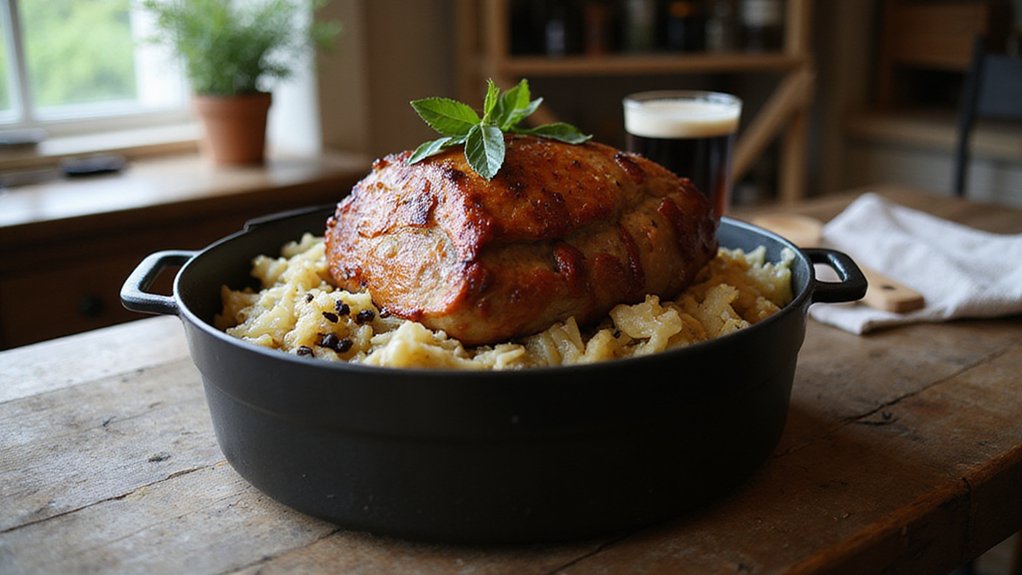
Before cooking, marinate the pork in a simple salt and sugar brine. This step helps lock in juiciness and provides a nice contrast with the tangy sauerkraut. Once sliced, spoon the reduced pan juices—stirred with apple cider vinegar—over the meat and sauerkraut. The acidity balances the richness, cutting through the fat and delivering a traditional, flavorful dish.