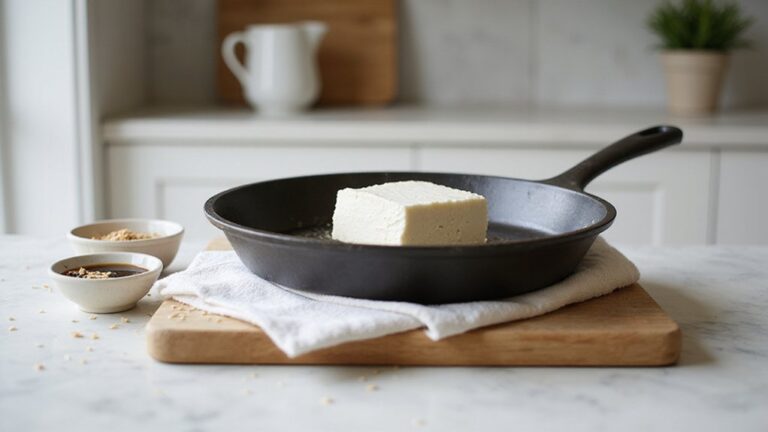
You can safely use vinegar baths to remove rust from cast iron skillets when you limit soaking to 20–40 minutes maximum. The acetic acid dissolves iron oxide through oxidation-reduction reactions, transforming rust into soluble iron acetate. However, prolonged exposure beyond one hour causes metal etching and pitting, which irreversibly damages your skillet’s surface and compromises seasoning. You’ll need immediate post-soak scrubbing, thorough drying, and oil application to restore protection. Understanding the complete mechanics of this process reveals why timing and aftercare prove essential.
Understanding the Purpose of Vinegar Baths
Vinegar baths work by leveraging acetic acid to dissolve rust and mineral deposits that’ve accumulated on your cast iron skillet’s surface. This chemical process breaks down oxidation without compromising the underlying metal structure. The vinegar benefits extend beyond rust removal—the acid restores your skillet‘s original smoothness, preparing it for effective re-seasoning afterward. Additionally, this method can be particularly effective when addressing rusty cast iron cookware that needs thorough cleaning.
You’ll find vinegar baths particularly valuable when mechanical scrubbing fails to eliminate stubborn buildup. The method proves cost-effective and accessible since you likely have vinegar at home. For cast iron pieces with heavy rust or improper storage damage, this approach offers a practical solution that traditional cleaning methods can’t achieve. The acidic environment systematically dissolves surface contaminants, making restoration feasible without specialized equipment. Additionally, creating a paste of baking soda can be a complementary cleaning technique to further assist in rust removal after a vinegar soak.
How Vinegar Baths Remove Rust From Cast Iron
The chemical transformation that removes rust from cast iron relies on acetic acid‘s ability to dissolve iron oxide compounds through an oxidation-reduction reaction. When you submerge your skillet in vinegar, the acid converts rust into soluble iron acetate that you can easily remove from the surface.
During soaking, black iron oxide residue accumulates as rust breaks down into particles. Understanding this vinegar chemistry helps you recognize progress—darker solution indicates active rust removal. You’ll notice rust particles detaching from the cast iron, particularly when you scrub between soaking intervals using stainless steel pads.
The effectiveness of this process depends on rust severity. Light surface rust may disappear in a single session, while heavily crusted pieces require multiple soaking cycles to dissolve accumulated corrosion completely. Proper maintenance of your cast iron skillet is essential in preventing rust from forming again after treatment.

Cast Iron Rust Remover: The Lodge Rust Eraser is a compact, abrasive rust eraser that restores cookware and other cast iron pieces with precision rust removal

EVAPO-RUST RUST REMOVER: Evapo-Rust effortlessly removes rust from automotive parts, hardware, tools, cookware, and antiques without any scrubbing or sanding.
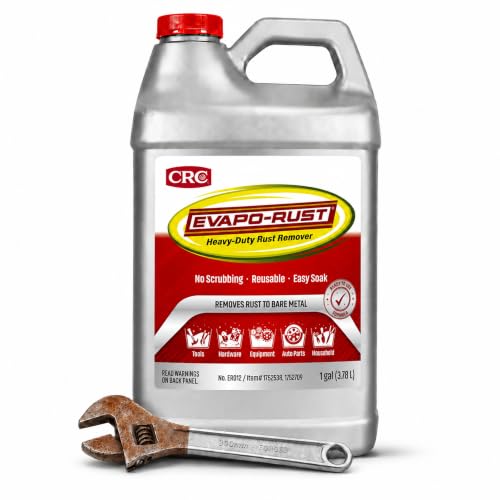
EVAPO-RUST RUST REMOVER:: Evapo-Rust is a non-corrosive rust remover dip for restoring rusty treasures. With Evapo-Rust you can remove rust to bare metal without sanding or scrubbing. Just soak, rinse, and reuse.
The Risks of Prolonged Soaking
While vinegar’s acetic acid effectively dissolves rust, extended soaking poses significant risks that can damage your cast iron beyond the original corrosion. Prolonged exposure causes metal etching, creating a rough, sandpaper-like surface that impairs seasoning adhesion and compromises smoothness. Your soaking duration directly impacts damage severity—hours of submersion accelerate pitting corrosion, weakening structural integrity through microscopic holes that worsen progressively. Additionally, cast iron cookware is known to be generally safe and beneficial when properly cared for, unlike some other materials.
Acid concentration determines safe exposure times; a standard 50/50 vinegar-water ratio limits ideal soaking duration to 20–40 minutes per session. Exceeding this window degrades existing seasoning layers and exposes bare metal to flash rust. Multiple short soaks with rinsing between intervals prove superior to single prolonged baths, allowing incremental rust removal while controlling cumulative acid damage and preventing irreversible deterioration. Additionally, it’s essential to season the skillet with oil after cleaning to maintain its natural non-stick properties and prevent rusting.

YOUR NEW GO-TO SEASONING SPRAY: The Lodge Seasoning Spray is the perfect seasoning spray to maintain your cast iron cookware. It is made of 100% canola oil - no additives or propellants, to protect your cookware and enhance its finish.

TLC for your griddle cooktop: All you need to build a slick, easy-release surface that's protected from rust and easy to work with using Blackstone griddle seasoning and cast iron conditioner
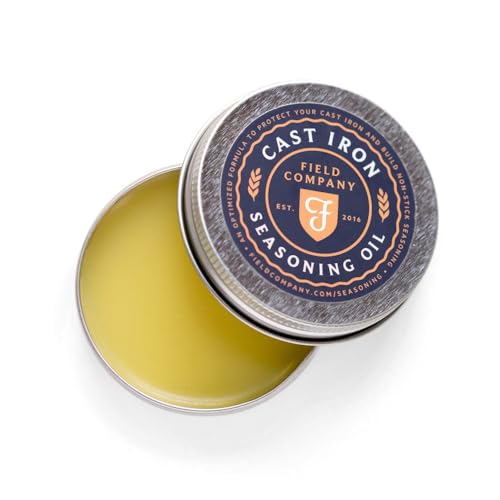
HOW TO USE: The key to naturally nonstick cast iron cookware? Cook often, and apply Seasoning Oil every time you clean your pan. Clean your cast iron with soap and a brush, then use a chain mail scrubber to smooth out existing seasoning layers. Apply a dab of Seasoning Oil and spread it thinly over the surface with a paper towel or clean rag. Wipe away excess oil to leave a dry, matte finish.
Surface Damage and Pitting Explained
Beyond controlling soaking duration, you’ll need to understand the specific damage mechanisms that compromise your skillet’s surface. Etching occurs when vinegar’s acid dissolves iron, particularly in rust-prone areas, removing the top layer and creating an uneven surface texture. Pitting—small holes or depressions—forms where metal corrodes, and vinegar deepens existing pits by dissolving surrounding iron. This damage proves permanent; you can’t restore the original smoothness through seasoning alone. Regular maintenance through proper skillet care is essential to prolong its life and performance.
Pits trap food and moisture, promoting rust formation and complicating cleaning. After vinegar treatment, your skillet may feel rough, appear dull, and resist even oil absorption. Seasoning pools unevenly in depressions, creating hot spots. Severe damage necessitates mechanical intervention like sanding, potentially affecting cooking performance permanently. It’s essential to remember that modern dish soaps are still safe and effective for cleaning cast iron cookware, which can help reduce any stubborn residues after vinegar treatments.
Recommended Time Limits and Best Practices
Your cast iron skillet’s fate hinges on strict adherence to time limits, as most experts recommend keeping vinegar baths between 20 and 40 minutes per soak. Never exceed 30 minutes to minimize etching risk, and absolutely avoid soaking overnight or for extended periods beyond one hour.
For heavily rusted skillets, employ frequency variations through multiple short soaks rather than one prolonged session. Repeat the process 2–4 times, inspecting progress between cycles. Check your skillet every 20–30 minutes during soaking, removing it immediately if excessive bubbling appears. Remember that excessive exposure to prolonged soaking in water can lead to rust and other damage.
Use a 50/50 vinegar-to-water ratio for safety during longer soaks. After each session, scrub thoroughly with steel wool, rinse with cold water, and dry immediately to prevent new rust formation. To effectively maintain your skillet, always make sure to apply a thin layer of oil after cleaning to prevent rust and maintain its seasoning.
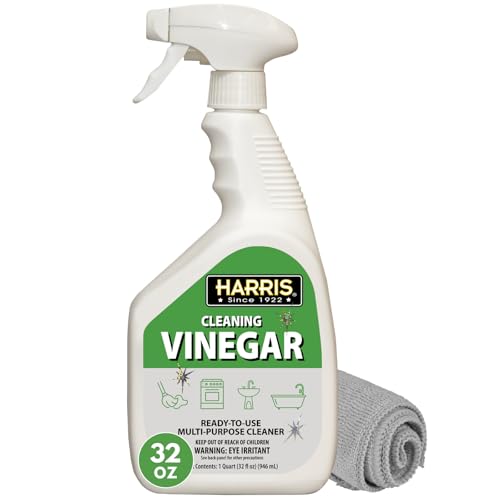
Pre-Mixed & Ready To Use: This effective & easy vinegar spray bottle powerfully cuts through grease & grime—no diluting required

Aunt Fannie's Extra Strength All Purpose Cleaning Vinegar: Contains distilled white vinegar specifically formulated for cleaning with 6% acidity; No added scents, dyes, or other additives
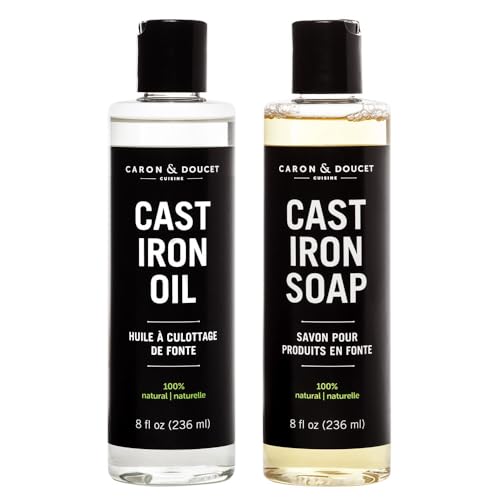
CLEANS CAST IRON | Includes our Cast Iron Soap unlike detergent based soaps, this soap is formulated with 100% natural plant-based oils & free of sulfates, phosphates, parabens & petrochemicals! Gentil on cast iron seasoning & on your hands!
Impact on Seasoning and Non-Stick Properties
Because vinegar’s acetic acid chemically breaks down iron oxide, it doesn’t discriminate between rust and your skillet’s protective seasoning layer—the polymerized oil film that provides non-stick performance. Prolonged exposure causes seasoning degradation, stripping away the bonded oil layers that create your pan’s slickness. You’ll notice the surface becomes rough and abrasive, compromising food release and cooking experience. Recovery requires multiple seasoning rounds—potentially five or more applications—to rebuild the protective coating through thin oil applications and high-temperature baking. The polymerization process demands preheating before oiling for ideal bonding. Without proper non-stick restoration post-vinegar bath, your skillet remains persistently dry and textured. Regular use helps build and maintain your skillet’s natural nonstick seasoning, so controlling exposure duration and immediately re-seasoning are critical to preventing irreversible damage to your cast iron’s functionality. Additionally, routine maintenance such as hand washing and avoiding high heat can help preserve your skillet’s longevity and performance.
Alternative Rust Removal Methods to Consider
Since vinegar‘s aggressive acid removal comes with seasoning degradation risks, several alternative methods offer more controlled rust elimination with varying tradeoffs between effectiveness, equipment requirements, and seasoning preservation. Steel wool provides fast physical abrasion without chemicals, though aggressive scrubbing risks surface scratching. Regularly using a cast iron skillet helps maintain its seasoning and prevents rust buildup in the first place. Evapo Rust eliminates this concern entirely—its non-toxic formula removes rust through soaking without damaging base metal or original seasoning. You’ll need only 30 minutes to overnight soaking time. Alternatively, using a natural abrasive combination of coarse salt and potato can also effectively lift rust while preserving the skillet’s integrity. Electrolysis removes rust thoroughly while preserving seasoning but demands specialized equipment and electrical setup. Salt and oil scrubbing offers gentleness for light rust while maintaining seasoning integrity, ideal for routine maintenance rather than heavy corrosion. Each method requires re-seasoning post-treatment. Your choice depends on rust severity, available equipment, and acceptable tradeoffs between speed and seasoning preservation.

TOUGHER THAN THE TOUGHEST RUST: Easy to use spray gel that clings to iron, steel and other metals to remove rust fast

Goodbye Rust: Remove rust stains around the home with a heavy-duty rust removal product trusted for over 60 years. The unique cleaner gel clings to dissolve rust stains on contact for difficult-to-reach places.

RESTORE BEFORE YOU PROTECT – Rust Free is designed to remove existing rust, corrosion and stains from compatible surfaces, giving customers a focused restoration step before long-term protection is applied.
Maintaining Your Cast Iron to Prevent Future Rust
Once you’ve removed rust through vinegar soaking or alternative methods, the real work of prevention begins. You’ll establish a preventive maintenance routine that protects your investment. Oil your pan after every use, applying a thin layer of high-quality oil like vegetable or canola. Heat it in a 350°F oven for one hour, upside down, to build a protective patina. Properly seasoning your skillet is crucial for its longevity.
It’s also important to understand that while cast iron is generally safe for glass cooktops, using caution can help prevent scratches or damage to the surface. Conduct routine inspections regularly, checking for moisture or rust signs. Store your skillet in a dry, well-ventilated area away from humid environments. Never leave it wet or damp. When cleaning, use minimal soap and dry immediately afterward. Avoid prolonged high heat, which burns off seasoning. By maintaining consistent preventive practices, you’ll greatly reduce rust recurrence and enhance your pan’s longevity.

Mild and Easy: Grapeseed Oil is at its best in stir-fries and sautés; it doesn't overwhelm other ingredients and lets fresh flavors shine. When grilling or frying, it is a must-have in the pantry.

100% GRAPESEED OIL BULK SIZE: Expertly crafted by The Olive Oil People using wine grape seeds imported from France

Mild and Easy: Grapeseed Oil is at its best in stir-fries and sautés; it doesn't overwhelm other ingredients and lets fresh flavors shine. Great for everyday use, high heat cooking, and for DIY beauty applications