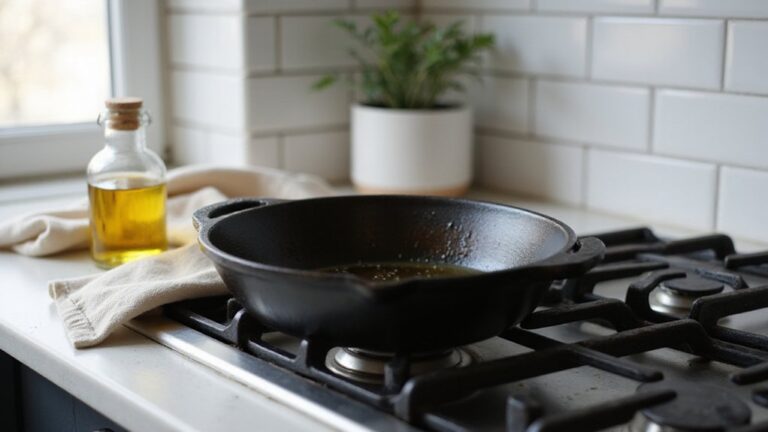
You’ll brown ground beef perfectly in cast iron‘s heat-retaining surface, creating superior crusts through the Maillard reaction. Start by seasoning your beef with kosher salt, black pepper, garlic powder, and onion powder. Layer in sautéed aromatics—onions, garlic, and bell peppers—then incorporate your choice of beans, rice, or vegetables. Deglaze with beef broth or salsa to meld flavors. From cowboy skillet pie to Mexican-style variations, you’ll uncover how cast iron transforms simple ingredients into restaurant-quality meals.
Why Cast Iron Is Perfect for Ground Beef
When you’re browning ground beef, you’ll want cookware that distributes and retains heat evenly—and that’s where cast iron excels. The skillet’s thick, heavy construction maintains consistent high temperatures throughout the cooking process, preventing temperature drops when you add cold meat. This exceptional heat retention enables superior browning techniques, allowing you to develop a deeply caramelized crust that non-stick pans can’t match. Additionally, cast iron pans are known for their excellent heat retention, ensuring your beef cooks evenly all the way through.
Cast iron’s rough surface texture provides abundant contact points for the Maillard reaction, accelerating crust development and enhancing flavor through caramelization. The material reaches and sustains the high temperatures necessary for ideal searing. With proper seasoning, you’ll need minimal additional oil, as the naturally developed non-stick surface handles ground beef efficiently. Additionally, cooking with cast iron can help improve iron intake by leaching small amounts of iron into your food. Your investment in quality cast iron pays dividends through generations of superior cooking performance.

Seasoned with oil for a natural, easy-release finish that improves with use
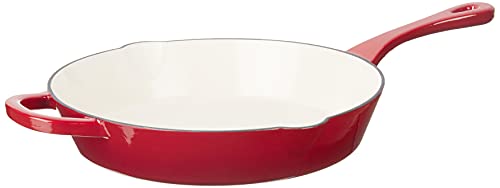
Distributes and retains heat evenly
Essential Ingredients and Seasonings
The foundation of exceptional cast iron ground beef dishes rests on mastering three essential seasoning categories: basic aromatics, heat enhancers, and finishing elements. You’ll start with kosher salt, freshly cracked black pepper, and granulated garlic or onion powder to establish your flavor base. For seasoning techniques, layer your heat elements strategically—combine cayenne or chili powder with smoked paprika to build complexity without overwhelming your dish. Your flavor balancing succeeds when you sauté minced onions and garlic first, creating an aromatic foundation. Add bell peppers for texture and natural sweetness. It’s important to note that using a well-seasoned cast iron skillet prevents sticking and enhances the cooking experience. Finish with beef broth, Worcestershire sauce, or fresh herbs like cilantro. This methodical approach guarantees you develop deep umami notes while maintaining harmony between each ingredient’s contribution, especially when using proper technique to ensure the cast iron surface is well-prepared for cooking.

Made with real McCormick herbs and spices

Made with real McCormick herbs and spices

PURE & SIMPLE INGREDIENTS. Crafted with just coarse kosher salt and 16 mesh coarse ground black pepper. No fillers, additives, or preservatives. A clean 2-ingredient classic for seasoning meats, veggies, and everyday meals.
Cowboy Skillet Pie
Cast iron’s unmatched heat retention makes it ideal for building this hearty one-pan comfort dish, where you’ll brown ground chuck or Angus beef directly in the skillet, then layer sautéed aromatics—onions, garlic, and bell peppers—to establish your flavor foundation. Additionally, the good heat retention of cast iron skillets allows for better texture in the final dish. Add black-eyed peas, corn, and enchilada sauce or taco seasoning for southwestern depth. You’ll spread your chosen topping options—buttermilk biscuit batter, cornbread, or mashed potatoes with shredded cheese—evenly across the filling. Bake at 350–400°F for 20–40 minutes until golden. Cowboy variations incorporate smoked sausage or diced green chilies for complexity. The skillet’s even heat distribution guarantees uniform browning while the filling heats through, creating textured, caramelized layers that define this budget-friendly family favorite. Additionally, the Dutch oven’s superior heat retention enhances flavor while cooking, making it a staple for similar recipes.
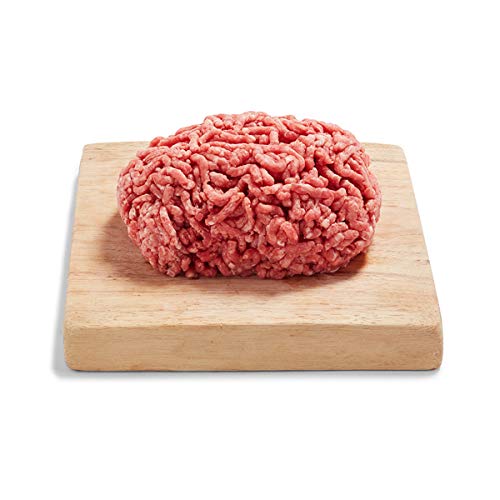
Meets standards for animal welfare, feed, and more, so you can know about what you're buying (and eating)

Meets standards for animal welfare, feed, and more, so you can know about what you're buying (and eating)

Ground Beef and Rice Skillet
A straightforward one-pan meal, ground beef and rice skillet combines browned meat, uncooked long-grain rice, and aromatic vegetables in a single cast iron vessel to create a complete dish that’ll satisfy your family’s hunger while minimizing cleanup. You’ll brown 1 lb ground beef, sauté onions and peppers, then add 1 cup rice with 1.5–2 cups broth and canned tomatoes. Seasoning combinations like cumin, taco seasoning, or Worcestershire sauce enhance flavor depth. Simmer covered 15–30 minutes until rice absorbs liquid and reaches tenderness. To achieve proper temperature accuracy, rice variations accommodate different palates: Mexican-style incorporates beans and chilies; Italian-style adds peas and basil. Top with shredded cheese for melting. These skillet techniques and cooking times make ground beef and rice skillet ideal for meal prepping and weeknight dinners. Additionally, vacuum sealing leftovers with a good KPA measurement can help maintain their freshness for longer storage.
Mexican Ground Beef Skillet
Because you’re working with bold, layered flavors, you’ll want to build them methodically in your cast iron skillet. Start by browning one pound of ground beef with diced onions and garlic, then incorporate taco seasoning, cumin, and chili powder. Add a 15-ounce can of black or pinto beans, diced tomatoes, and tomato sauce or salsa to create your base.
To ensure a superior sear, it’s crucial to preheat the skillet before adding your ingredients. For spicy variations, include green chiles or Rotel tomatoes to amplify heat and tang. Simmer until flavors meld—about ten minutes.
Top your skillet with cheddar or Mexican blend cheese, allowing it to melt completely. Your skillet toppings can include fresh cilantro, sliced avocado, or green onions for brightness. Serve immediately with tortillas or chips while the cheese is still warm. Additionally, cooking in a cast iron skillet provides superior heat retention, which is essential for achieving a perfect sear on your ingredients.
Loaded Ground Beef and Potatoes Skillet
When you’re craving comfort food that comes together in one vessel, this skillet delivers layers of smoky, savory flavors built methodically from the ground up. You’ll render bacon first, then brown one pound of lean ground beef in the rendered fat, seasoning it with dry mustard, smoked paprika, garlic powder, and Worcestershire sauce. Layer thinly sliced potatoes underneath and above the beef, then pour milk over everything before baking at 400°F for 40–50 minutes. Top with shredded cheddar halfway through. The result? A rustic presentation of tender potatoes, seasoned beef, and melted cheese that emerges hot from your cast iron skillet. Additionally, the Dutch oven’s versatility makes it a great alternative for this dish if you prefer slow cooking methods. The Lodge Dutch oven can transition seamlessly from stovetop to oven, providing excellent heat management for even cooking. Garnish with crumbled bacon and green onions for finishing touches.
Ground Beef and Zucchini Skillet
Start by heating your cast iron skillet over medium-high heat, then brown one pound of ground beef until no pink remains—roughly 5–7 minutes. Drain excess grease to prevent a greasy finish. Sauté diced onion and minced garlic for 2–3 minutes until fragrant, building the foundation for beef flavor. Properly preheating the skillet ensures an even cook and helps prevent sticking.
Add sliced or spiralized zucchini noodles, cooking briefly for 2–5 minutes to maintain a tender-crisp texture. Incorporate seasonings like cumin, chili powder, and paprika, then deglaze with beef broth or salsa for depth. Simmer briefly to meld flavors.
Finish by topping with shredded cheddar or Mexican cheese blend, then broil until melted and lightly browned. Using cast iron can be safe on a glass top stove, but be sure to place the pan gently to avoid scratching. Garnish with fresh cilantro or parsley for brightness. This one-pan meal delivers high protein and low-carb bulk from zucchini, perfect for quick weeknight dinners.
Cooking Techniques for Best Results
Mastering your cast iron skillet’s performance will elevate the ground beef and zucchini recipe from good to exceptional. Start with proper oil selection—a well-seasoned skillet needs minimal oil, while stainless steel requires adequate coverage to prevent sticking. Preheat over medium-high heat until shimmering occurs.
Your sautéing techniques should prioritize surface contact. Press ground beef into a flat layer and resist stirring for 4-5 minutes, allowing crust formation through the Maillard reaction. Flip and repeat before crumbling. This patience develops irreplaceable caramelized flavor compounds. To ensure optimal results, consider using an oven-safe meat thermometer to monitor cooking temperatures accurately.
Add zucchini after initial browning, maintaining medium-high heat to prevent steaming. Avoid overcrowding—work in batches if necessary. Season only after browning completes to prevent moisture loss. This methodical approach guarantees crispy edges, deep flavor, and prime texture throughout your skillet dish. Additionally, remember that proper skillet care is essential for maintaining the cooking surface and ensuring long-lasting non-stick performance.
Nutritional Benefits and Meal Adaptations
Ground beef delivers substantial nutritional value that extends far beyond its rich, savory flavor—a 3.5 oz cooked serving provides approximately 26g protein for muscle synthesis, 2.7mg iron for oxygen transport, and 4.8mg zinc for immune support. You’ll maximize health benefits by selecting lean varieties (80/20 or leaner) to reduce saturated fat while retaining essential nutrients. Deep fry thermometers are not suitable for measuring internal meat temperatures, which is crucial for ensuring food safety when cooking ground beef.
Dietary adaptations enhance your skillet meals’ nutritional profile. Pair beef with fiber-rich vegetables or vitamin C sources like bell peppers to boost iron absorption and micronutrient density. You can substitute portion of the ground beef with legumes to lower fat while maintaining protein levels. Cooking in cast iron slightly increases dietary iron through mineral leaching, further amplifying nutritional advantages. Balance your portions strategically—typically three ounces—to support heart health without sacrificing protein’s muscle-building benefits. Additionally, be mindful of environmental factors that can affect thermometer accuracy, as they can play a role in how cooked meats may be perceived.