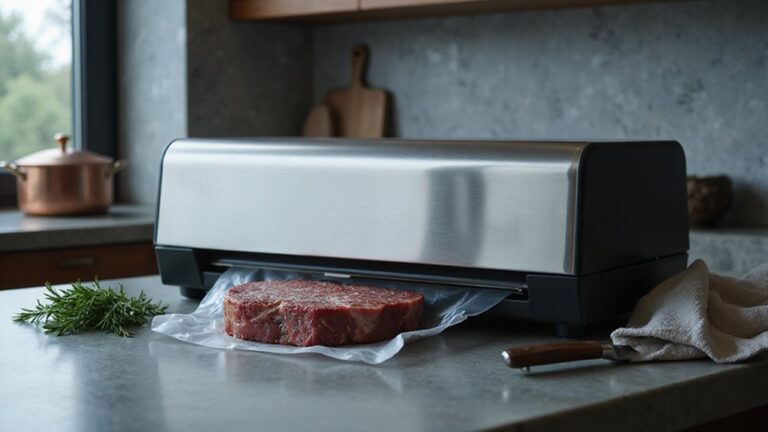
You’ll transform ordinary cuts into restaurant-quality dishes by mastering sous vide precision. Try ribeye at 57°C for exceptional marbling, tender brisket at 68°C for succulent gelatin, or salmon at 122°F for moist, flaky results. Chicken breasts cook safely at 145°F–150°F while maintaining moisture. Finish with searing to develop the Maillard reaction, then apply complementary sauces and flaky salt garnishes. Each technique’s specific temperatures and timings reveal superior flavor and texture that’ll elevate your culinary repertoire.
Tender Beef Cuts for Every Occasion
When you’re planning a sous vide meal, selecting the right cut makes all the difference in achieving your desired texture and flavor profile. For special occasions, ribeye cooking at 57°C for 2–4 hours delivers exceptional marbling and juiciness. If you’re seeking ideal tenderness, beef brisket requires 68°C for 24–48 hours, transforming dense collagen into succulent gelatin. Tenderloin sous vide at 54°C for 1–3 hours provides elegant, medium-rare results perfect for fine dining. For budget-conscious preparations, chuck roast benefits from extended sous vide at 55–80°C for 8–72 hours, becoming fork-tender for stews and braises. Each cut’s connective tissue content determines your best temperature and duration, ensuring consistently superior results across all occasions. Additionally, be sure to lift the Dutch oven instead of sliding it on glass stove tops to avoid potential scratches. Remember to thoroughly dry the steak before searing for the best crust.

One 7 oz package of Hillshire Farm Ultra Thin Sliced Deli Meat, Roast Beef

One 13 oz Hillshire Farm Ultra Thin Sliced Roast Beef Sandwich Meat
Perfectly Cooked Poultry Dishes
While beef’s connective tissue requires extended heat to break down, poultry presents a different challenge: achieving moisture and food safety simultaneously at lower temperatures. You’ll master sous vide techniques by understanding pasteurization thresholds starting at 130°F. For chicken breasts, cook at 145°F–150°F for 1.5–2 hours, seasoning with Italian herbs, garlic, and lemon before sealing. To ensure safety, use a meat thermometer to check that the internal temperature reaches the recommended level. Chicken thighs require 165°F for 2 hours, ensuring both tenderness and poultry safety. Whole chickens demand 150°F for approximately 6 hours after spatchcocking. Post-cooking, you’ll sear each cut briefly to develop skin crispness. Vacuum-sealing properly prevents bag flotation, while resting sealed poultry 10–20 minutes enhances moisture retention, delivering consistently succulent results. Using sous vide allows for precise temperature control which is vital for achieving perfectly cooked poultry.

✔️【Wide Range of Use】Made of PE/PA food grade material, FIRAWER sous vide cooking bags are reusable up to 10 times, can keeps fresh for meat, seafood, vegetables, fruits, grains, nuts snacks and sandwiches, ect. Suitable for kitchen, camping, spring outing, travel and other scenes.
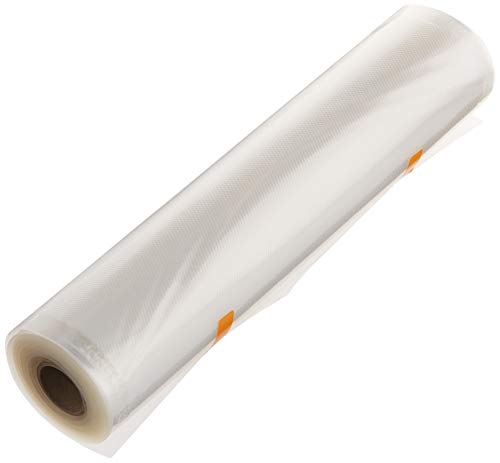
ROLL OUT: Including 2 rolls measuring 11" x19. 6' each, you have the ability to custom cut your bags to any length you wish. A perfect option for the cook who likes to keep their options open.

SEAL THE DEAL: Vacuum sealing is hands down the best way to ensure no air enters your bag during a sous vide cook – ensuring your food will stay fully submerged while cooking, and seal in maximum flavor. Additionally, the ability to seal, freeze, and store food for later makes prepping your meals in advance a breeze (Voltage: 110).
Delicate Seafood Preparations
Unlike poultry and beef, seafood demands restraint—shorter cook times, lower temperatures, and precise timing separate perfectly cooked fish from rubbery disappointment. You’ll master sous vide salmon at 122°F for 20-45 minutes, achieving moist, flaky results. White fish sous vide at 130°F delivers firm yet tender flesh ideal for snapper or sea bass. For shrimp cooking, target 140°F to maintain juicy firmness. Scallop recipes benefit from 126°F for silky consistency. Lobster tails require butter poaching at moderate temperature for approximately 30 minutes to retain juiciness. Cooking seafood requires proper temperature control to avoid overcooking and ensure perfect results.
Season strategically with citrus, garlic, dill, and fresh herbs before vacuum sealing. Incorporate aromatic vegetables and butter pats for flavor depth. Post-cooking, execute a quick high-heat sear to develop golden crusts and caramelized surface flavors that elevate your preparation.
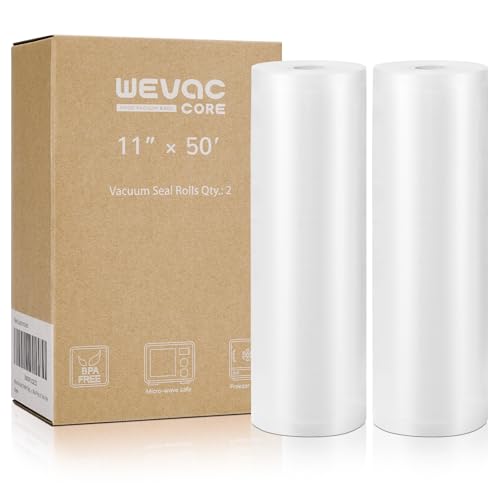
HEAVY DUTY AND PUNCTURE PREVENTION - 2 pack of 11 inch by 50 feet rolls with embossed channels to increase suction, keep fresh without freezer burn or dehydration

【BPA FREE】Bonsenkitchen food sealer roll bags can be microwaved, frozen, re-used, washed, boiled and dishwasher safe. Allows you to precisely control your cooking temperature to achieve perfect results. You can cook sous vide in Bonsenkitchen bags by placing them in water at any temperature up to 195°F/90°C.

VACUUM SEALER BAGS ROLLS: 8"x20' 3rolls+11"x20' 3rolls, XinBaoLong Food Saver Bags Rolls, Commercial Grade, Heavy Duty, BPA Free for Vac Storage, Kitchen Gadgets, Kitchen Accessories
Flavorful Vegetable Sides
Vegetables don’t require the restraint that seafood demands, yet they’ll benefit enormously from sous vide‘s precision—you’ll find that controlled temperatures transform humble roots and greens into concentrated, tender preparations that’d be difficult to achieve through traditional cooking methods.
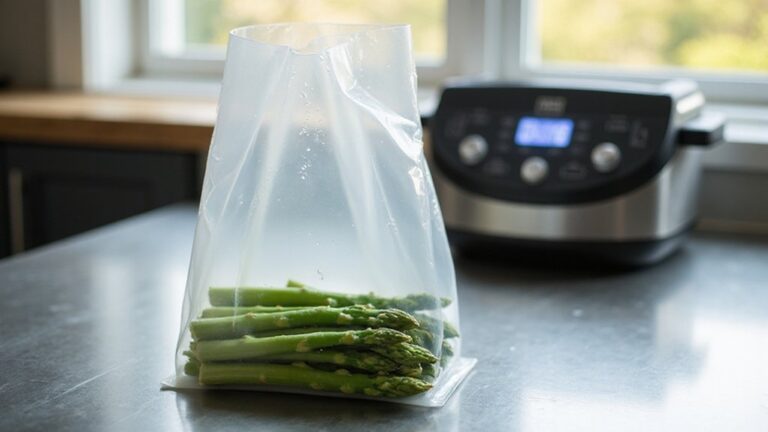
You’ll maintain water bath temperatures between 180°F and 185°F for ideal sous vide vegetables. Flavor infusion occurs through vacuum-sealed aromatics: maple syrup with butternut squash, honey and butter with carrots, lemon juice and garlic with asparagus. Cook butternut squash, carrots, and beets for 45 minutes; asparagus requires just 12 minutes for bright, crisp results.
Post-cooking finishing techniques elevate your vegetables further. Pan-searing root vegetable medleys creates textural contrast, while crumbled feta, fried sage, and toasted almonds provide complementary toppings. These preparations preserve natural flavors while delivering restaurant-quality presentations.
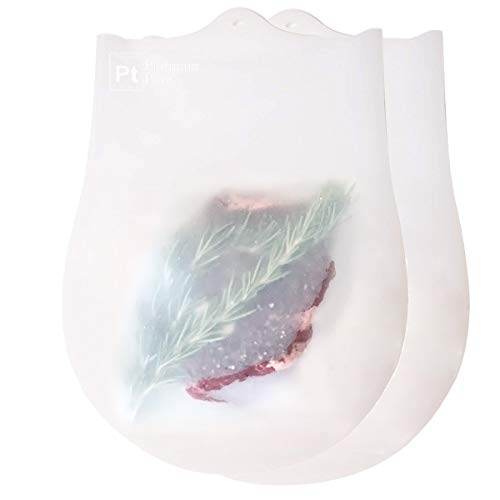
NOT ALL SILICONE IS CREATED EQUAL: 100% Platinum Pure LFGB silicone with No FILLERS – Surpasses minimums, the silicone in our sous vide bags is certified to the much more stringent European LFGB standards. Our platinum pure curing process ensures there are no by-products, BPA, BPS, PVC, or Phthalates. Our silicone bags are completely odorless and will not affect food odor or flavor.
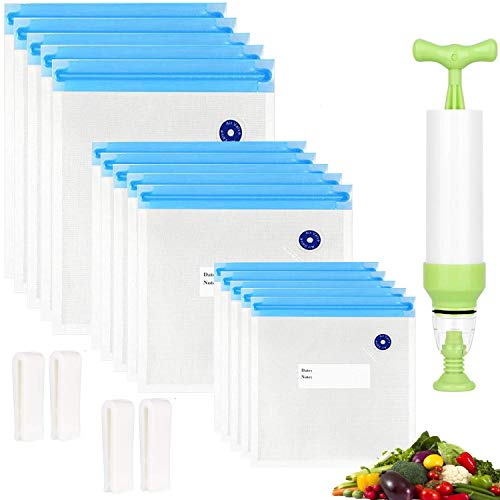
High-Quality Material: Crafted from food-grade materials to ensure safety and durability during sous vide cooking.

Mastering Flavor Enhancements and Finishing Techniques
How do you transform a perfectly cooked protein from good to extraordinary? You’ll master finishing techniques that elevate your sous vide results. Start by implementing strategic marinade techniques before cooking—vacuum-sealed bags amplify flavor penetration through salt application and aromatics like garlic and rosemary. After cooking, sear your protein 15-30 seconds per side to develop the Maillard reaction, using butter for maximum browning. This creates textural contrast against the tender interior. Vacuum sealing can also help maintain food texture and flavor during freezing, ensuring freshness when you’re ready to cook. Layer flavors through flavor infusion by adding complementary sauces post-sear. For finishing touches, apply flaky salt and herb garnishes. Ice baths preserve your desired texture. These multi-stage methods—marinade preparation, precision searing, and strategic sauce application—transform your protein into a refined, restaurant-quality dish with complex taste profiles and exceptional presentation. Using specialized sous vide bags can significantly enhance the safety and reliability of your cooking process.

Compatible with All Desktop Vacuum Sealers: These vacuum sealer bags are designed to work with all traditional desktop vacuum sealer machines. Simple to operate and convenient to use. (Note: These bags do not feature an air valve and are not compatible with handheld vacuum sealers.)

Customizable Length: Cut the roll to suit your specific storage needs

【42 PCS Food Vacuum Sealer Set, Use for Home /Restaurant /SuperMarket】Kosbon 42 PCS Sous Vide Vacuum Sealer Set - 30 Reusable Bags, 5 Clips and Sealing Clips for Anova, Joule Cookers.