You’ll remove air from sous vide bags using several effective methods. Vacuum sealers eliminate air pockets most efficiently, though water displacement works well without equipment—simply submerge your sealed bag, leaving a small opening for hydrostatic pressure to expel air. Manual squeezing and straw sucking techniques offer quick alternatives for delicate foods. Positioning items flat minimizes air entrapment zones. Each method has distinct advantages depending on your equipment and food type, and exploring these techniques reveals which approach best suits your cooking needs.
Common Air Removal Methods
There are five primary techniques you can use to remove air from sous vide bags, each with distinct advantages depending on your equipment, food type, and precision requirements. Manual squeezing offers quick results but may leave residual air, particularly with irregularly shaped items. Vacuum sealing with dedicated equipment provides superior performance, though standard edge sealers struggle with liquids while chamber models excel. Reusable vacuum seal bags with hand pumps offer sustainability for repeated food storage, despite challenging cleaning protocols. The straw suction technique delivers low-cost accessibility but inconsistent results. Finally, balloon-assisted air removal works through atmospheric pressure principles, though it’s less reliable than mechanical alternatives. For serious sous vide applications, investing in proper vacuum equipment guarantees peak air removal and food preservation outcomes. Using a vacuum sealer helps to extend shelf life significantly by removing oxygen and preventing spoilage, making it a valuable method for sous vide preparation.
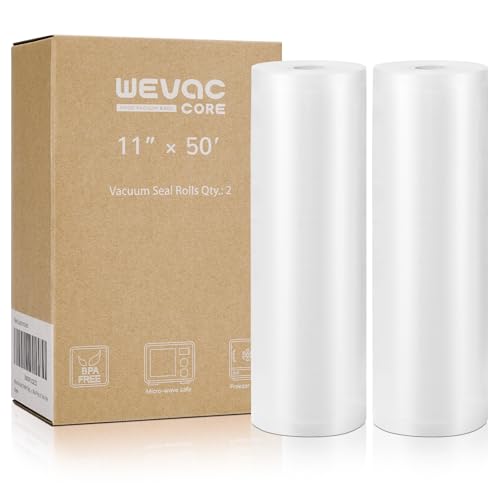
HEAVY DUTY AND PUNCTURE PREVENTION - 2 pack of 11 inch by 50 feet rolls with embossed channels to increase suction, keep fresh without freezer burn or dehydration
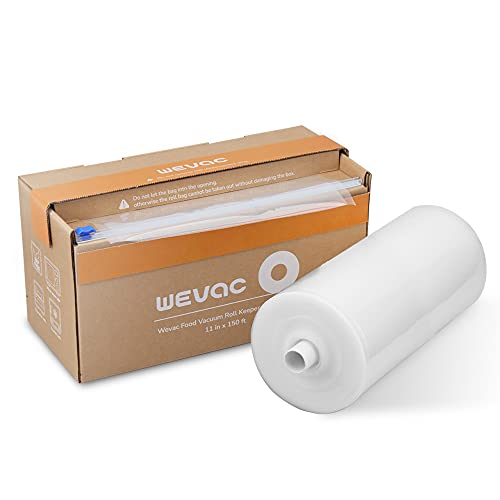
HEAVY DUTY AND PUNCTURE PREVENTION - 1 pack of 11 inch by 150 feet roll with embossed channels to increase suction, with a cutter box for cutting and storage, keep fresh without freezer burn or dehydration
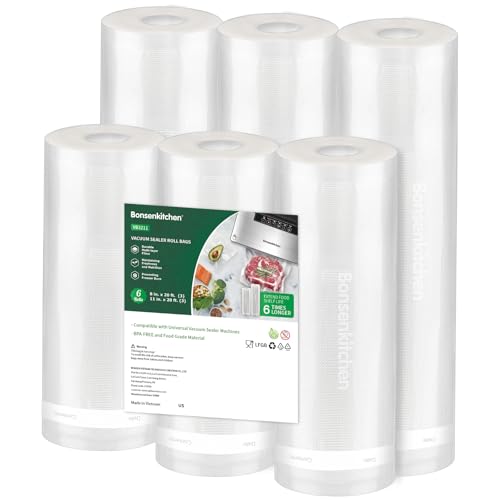
BPA FREE: Bonsenkitchen vacuum food sealer roll bags can be microwaved, frozen, re-used, washed, boiled and dishwasher safe. Allows you to precisely control your cooking temperature to achieve perfect results. You can cook sous vide in Bonsenkitchen bags by placing them in water at any temperature up to 230°F/110°C
Water Displacement Technique
The water displacement method offers an equipment-free alternative that harnesses hydrostatic pressure to expel air from sous vide bags. You’ll place food in a BPA-free resealable bag, leaving a 1-2 inch opening unsealed. Slowly submerge the bag into your water bath while keeping the opening above the surface. As you lower it, water pressure gradually forces air out through the gap. Gently massage the bag to dislodge remaining air bubbles toward the opening. Once fully submerged, you’ll seal it completely. This technique eliminates trapped air pockets that compromise cooking efficiency, enhancing heat transfer during sous vide preparation. It’s cost-effective, accessible to beginners, and ideal for delicate foods or marinades that vacuum sealers might damage.
Vacuum Sealer Advantages
While water displacement offers an accessible entry point, vacuum sealing delivers superior results that transform your sous vide experience. You’ll eliminate air pockets that compromise heat transfer efficiency, ensuring uniformly cooked food throughout. Vacuum sealing benefits extend beyond cooking—you’re locking in juices and marinades that intensify flavor while preventing evaporation during prolonged water bath exposure.
In addition, vacuum sealing can significantly extend food freshness by removing air, thereby slowing microbial growth and oxidation. For food preservation, vacuum sealing extends shelf life up to five times longer by inhibiting oxidation and microbial growth. In fact, frozen vacuum-sealed foods typically last 2 to 3 years on average. You’ll protect against freezer burn and dehydration when storing frozen items. The sealed environment prevents cross-contamination and reduces spoilage, minimizing waste. Reliable seals prevent leakage during extended cooking periods, maintaining your meal’s integrity. Vacuum sealers provide automatic, one-touch operation, streamlining your prep work and enabling efficient batch cooking for advanced meal planning.
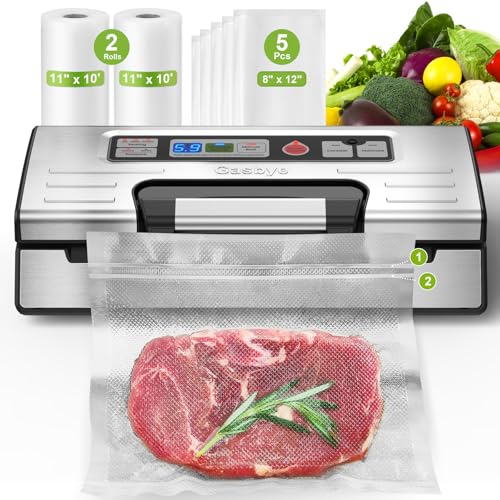
[95kPa Powerful Suction + Pulse Mode Control] Use Auto Vac & Seal for one-touch everyday sealing—powerful 95kPa suction delivers consistent vacuuming and tight seals. Use Pulse Mode for gentle, step-by-step control. It’s ideal for delicate foods to help prevent crushing, and for moist foods to help keep liquids in the bag—for cleaner, more reliable seals

Fully Automatic Operation: Fresko fully automatic vacuum sealer, includes 10 pre-cut bags, 140W power, dry & moist modes and bag-mouth clamp (prevent bag from moving for a better seal). The food sealer machine is Ideal for meal prep, food storage, and sous vide cooking

👍Innovative Pressure Release Function – The FEPPO vacuum sealer with bags automatically releases pressure at -40kpa, ensuring efficient sealing and easy detachment without mess. No more struggles or spills, unlike traditional models.
Manual and Alternative Approaches
Vacuum sealers aren’t your only option for removing air from sous vide bags—you can achieve satisfactory results through manual techniques and budget-friendly alternative solutions that don’t require specialized equipment. The water displacement method leverages external pressure to expel air as you submerge your sealed bag. This method can help achieve similar results to traditional braising techniques that often utilize moisture and heat to infuse flavor. The manual arm method lets you physically press air toward the opening before sealing. For hands-on control, the straw sucking technique provides direct air extraction, though it demands careful execution to prevent contamination. Reusable silicone bags with hand pumps offer a middle-ground approach, combining efficiency with reusability. These manual techniques eliminate air effectively while keeping costs minimal, making them ideal when vacuum equipment isn’t available or practical for your cooking needs. Ultimately, while a vacuum sealer is not absolutely necessary, it can enhance your sous vide cooking experience significantly.
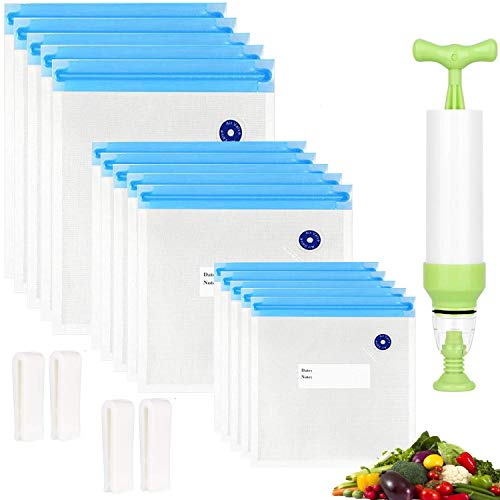
High-Quality Material: Crafted from food-grade materials to ensure safety and durability during sous vide cooking.
![[30 PACK] Reusable Vacuum Sealer Bags for Sous Vide Cooker w/ Hand Pump | Includes 3 Size Bags, 4 Clips, 2 Clamps, 1 Hand Pump | Complete Sous Vide Cooker Accessories](https://m.media-amazon.com/images/I/51kHakdRI4L._SL500_.jpg)
𝐄𝐕𝐄𝐑𝐘𝐓𝐇𝐈𝐍𝐆 𝐘𝐎𝐔 𝐍𝐄𝐄𝐃 𝐈𝐍 𝐎𝐍𝐄 𝐊𝐈𝐓:Get a complete vacuum sealing setup in one box. This 37-piece kit includes 30 reusable bags in small, medium and large sizes, plus a hand pump, 4 sealing clips and 2 pot clamps. Start cooking and storing food the day it arrives, with no extra parts, add-ons or separate purchases to track down.

【Upgraded Vacuum Pump】Our upgraded vacuum pump is designed to easily and cleanly suck out air, with no need to spend much time aligning the pump and valve.
Overcoming Common Air Removal Challenges
Even with careful technique, you’ll likely encounter obstacles when removing air from sous vide bags—residual air pockets stubbornly cling to irregularly shaped foods, water displacement methods demand precise timing to prevent leaks, and manual techniques often leave behind small bubbles that compromise your seal’s effectiveness.
To overcome these challenges, position foods flat rather than stacking them, which minimizes entrapment zones. Massage bags gently during water submersion to dislodge trapped air around complex food shapes. For persistent air pocket solutions, consider using balloon inflation inside bags as an alternative displacement method. Make sure your vacuum sealer remains clean and properly maintained, and select bags compatible with your equipment. These targeted strategies greatly improve seal quality and achieve more complete air removal for peak sous vide results.