You’ll achieve restaurant-quality steaks by sealing your seasoned cut in a food-grade bag and cooking it in a precisely heated water bath—maintaining 129°F to 144°F depending on your desired doneness. Cook times vary by thickness, typically one to four hours for standard cuts. Once cooked, you’ll pat it dry and sear it in a screaming-hot cast iron pan with high-smoke-point oil for 45 seconds to two minutes per side. The specific techniques for each step reveal the critical details that separate good steaks from exceptional ones.
Temperature Guidelines for Your Desired Doneness
When you’re cooking steak sous vide, precision starts with understanding how temperature directly correlates to your desired doneness level. Different steak cuts require specific temperature ranges to achieve optimal results. For rare, target 120°F to 128°F with a minimum one-hour cook time, yielding a meaty texture with deep red coloring. Medium-rare demands 129°F to 134°F, producing that prized pink center within forty-five minutes to one hour. It’s important to ensure that the thermal center of the steak is reached for accurate doneness. Medium steaks need 135°F to 144°F over one to four hours for buttery tenderness. Medium-well reaches 145°F to 155°F, developing firmness with slight pink centers. Well-done requires 156°F and above, eliminating all pink. After cooking, a high-heat sear is essential to develop a flavorful crust while maintaining a tender, evenly cooked interior. You’ll maximize flavor enhancement by selecting appropriate cook times within these ranges, ensuring your steak cuts develop excellent texture and color profiles.

Pros have been doing it for years, and now you can too. Sous vide (pronounced sue-veed) is a cooking technique that utilizes highly precise temperature control in a circulating bath of water to deliver consistent, edge-to-edge perfect results, with virtually no risk of overcooking your food.


Precise Temperature Control: Adjustable from 77℉ to 203℉ with ±0.9℉ control accuracy, this sous vide cooker helps you fine-tune doneness and texture, whether you prefer a tender steak, delicate fish, or soft-cooked eggs.
Preparing and Sealing Your Steak
Now that you’ve determined your target temperature and cook time, you’ll want to prepare your steak for the water bath. Start by choosing steak with good marbling and pat it dry with paper towels. Remove surface moisture to guarantee proper searing later.
Season your steak with salt and pepper before sealing, unless you’re freezing it for later use. Consider your seasoning options: add herbs like thyme or rosemary, or try Montreal steak spice. A small amount of olive oil helps distribute seasonings evenly.
Use a vacuum sealer for best results, or employ the water displacement method with a quality zip-top bag. Vacuum sealing removes air to ensure even cooking and enhances flavor retention; however, for safety and quality, it’s crucial to use bags that are food-grade and heat-resistant. Remove all air to maximize heat transfer. Double-bag for added safety. Confirm your bags are food-grade and heat-resistant. Check for leaks before placing your steak in the water bath.
Setting Up and Using Your Water Bath
Your water bath setup determines whether you’ll achieve the precise, consistent results that make sous vide worthwhile. Start with container selection—stainless steel pots offer superior heat retention, while insulated ice chests reduce energy consumption and temperature fluctuations during extended cooks.
Position your immersion circulator securely to the container’s side, ensuring it’s fully submerged without touching walls. Fill the bath with 3–5 quarts of water, then heat to your target temperature before adding your steak. Use a thermometer to verify accuracy.
Once your water reaches the desired temperature, submerge your sealed steak completely, keeping it away from container sides and bottom. The circulator maintains temperature within 0.1°F, ensuring uniform cooking throughout your steak’s thickness.

【Sous Vide Precision Cooker Silicone Lids】This a heavy silicone lid designed for Anova, it is also compatible with most sous vide cookers,Sous vide containers with lids help you to get a perfect cook while achieving great flavor
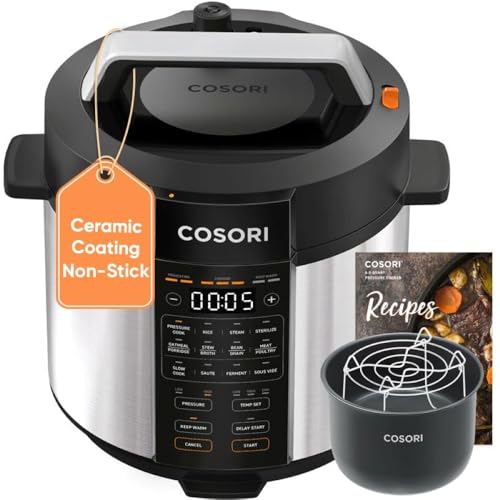
𝟵 𝗠𝗮𝗰𝗵𝗶𝗻𝗲𝘀 𝗶𝗻 𝟭: Pressure Cook, Rice, Steam, Sterilize, Oatmeal/Porridge, Stew/Broth, Bean/Grain, Meat/Poultry, Slow Cook, Sauté, Ferment, Sous Vide, Keep Warm

1. Upgraded Stronger Hinged Lid: Redesigned with a thicker split-hinge structure to replace the old thin one-piece hinge, giving the lid better strength and durability for repeated opening and closing.
Cooking Times Based on Steak Thickness
Since sous vide’s precision depends on thermal penetration, you’ll need to adjust your cooking duration based on how thick your cut is. Thin steaks of one inch or less require just 40 minutes minimum at 120°F-156°F, allowing faster meal preparation. Standard steaks between 1.5 to 2 inches demand 1-4 hours at 135°F-144°F for medium doneness. Thicker cuts of 2-3 centimeters benefit from approximately 2 hours 50 minutes at 58°C, following the rule of one hour per centimeter. Extra-thick steaks over 2 inches need 3-4 hours at 145°F-155°F for uniform thermal penetration. Your steak thickness directly determines cooking methods and time requirements, ensuring consistent results across all cuts and doneness preferences.

Perfect results every time: Never over or under cook your food again. The Anova Precision Cooker Nano circulates water at the exact temperature required for perfectly cooked meals, no matter what's on your menu..Temperature : 0˚-92˚C (32˚-197˚F) | +/- 0.1˚C (0.2˚F) accuracy.

WiFi & App Remote Control - Cook from Anywhere: Control your sous vide cooking remotely with ease. Once connected to your 2.4GHz WiFi network via the INKBIRD app, you can monitor the temperature, adjust settings, and start or stop your cook from anywhere-suitable for busy households and multitasking cooks

Get Doneness Right: Take the guesswork out of medium-rare steaks, juicy chicken, tender fish, and more with precise control that keeps the water at your chosen temperature. With 1100W power for baths up to 15L, continuous circulation moves heated water throughout the container and around your food for steady, even heat from every direction.
Searing and Serving Your Sous Vide Steak
Once you’ve finished cooking your steak sous vide, the final step—searing—transforms the moist surface into a caramelized crust that locks in flavor and texture. Pat your steak completely dry with paper towels, then season with salt and pepper at 0.8-1% salt by weight. Heat a cast iron pan on high until it’s extremely hot, then add avocado or grapeseed oil just as it begins smoking. Keep in mind that while cast iron is generally safe for glass cooktops, you should use caution to prevent scratches or damage. Place your steak in the pan and let it sear undisturbed for 45 seconds to 2 minutes per side, pressing gently for even contact. Flip and repeat, optionally searing the edges vertically. For finishing touches, add butter near the end and serve immediately to preserve the crispy exterior and juicy interior you’ve achieved through these sizzling techniques. Remember to ensure your oil is hot enough before adding the steak to prevent sticking and create a perfect sear.