Ever wonder how to get that perfect sear and juicy interior in a ribeye steak? Achieving steakhouse-quality results at home is all about timing, temperature, and technique.
By mastering a few simple steps, you’ll be able to cook a steak that’s tender, flavorful, and beautifully crusted.
The full guide below will walk you through every detail to elevate your steak game.
Bring Steak to Room Temperature Before Cooking
Bringing your steak to about 55–60°F before cooking is ideal. This usually means letting it rest uncovered on a wire rack over a tray for 20 to 40 minutes, depending on thickness. The goal is to reduce the temperature difference between the cold interior and the hot pan, which helps prevent the outside from burning while the inside remains raw. It’s important not to let it warm fully to room temperature; a slight coolness is sufficient for even cooking. However, scientific experiments show that after one hour at room temperature, the internal temperature of the meat only increases by about 5°C, indicating the limited practical benefit of this step. This precision contrasts with sous vide cooking, which uses precise temperature and timing to achieve specific textures. To prevent flash rust from forming on the skillet after cleaning, the seasoning oil should be applied while the pan is still wet. For accurate temperature checks, use an infrared thermometer with a proper distance-to-spot ratio to ensure the reading reflects only the steak’s surface.
During this resting period, you can also improve your seasoning process. Salt the steak at least 30 minutes before cooking to allow time for reabsorption, which locks in flavors deeper into the meat fibers. If you salt it aggressively around minute 10, about 89% of the moisture loss occurs by minute 12, reabsorbing afterward and enhancing flavor. After 20 minutes, be sure to thoroughly dry the surface with paper towels. Dab it even if it looks dry because removing surface moisture ensures a perfect crust when you hit it with high heat.
Preheat Your Cast Iron Skillet for a Smoking Sear
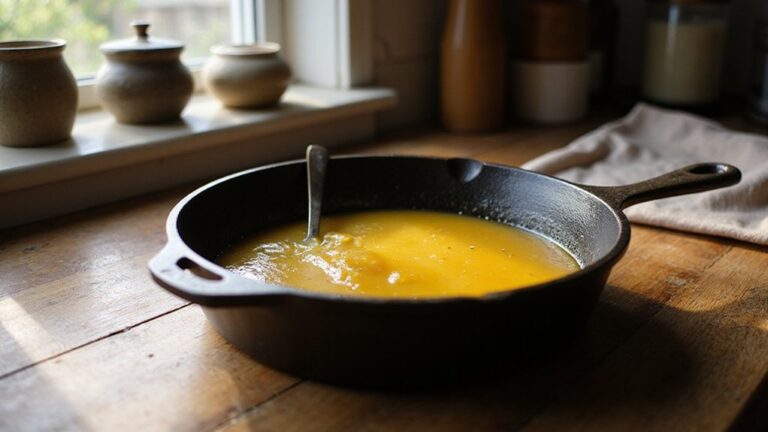
Watch for key smoke indicators: once you add a high-smoke-point oil, it should immediately shimmer and produce a wispy cloud of smoke. Wait until the smoke lessens to about a quarter of its initial volume—this means the pan has reached the ideal temperature for searing. Adding your steak too early, while the oil is still smoking heavily, can cause burning and uneven searing. Patience here ensures a delicious, crispy crust without the bitterness of burnt oil. Proper seasoning of your cast iron skillet with high smoke point oils also ensures optimal non-stick performance and longevity. To maintain the skillet’s seasoning after cooking, be sure to dry the skillet completely and apply a thin layer of oil. This technique mirrors how a Dutch oven pot roast develops a rich crust by searing a well-seasoned chuck roast in a hot vessel before slow cooking.

Light Buttery Flavor That Elevates Every Meal: Algae Cooking Club Chef-Grade Algae Oil enhances every dish with subtle richness. Its neutral profile makes it ideal for searing, baking, and dressings, transforming everyday meals into gourmet experiences.

Mild and Easy: Grapeseed Oil is at its best in stir-fries and sautés; it doesn't overwhelm other ingredients and lets fresh flavors shine. When grilling or frying, it is a must-have in the pantry.
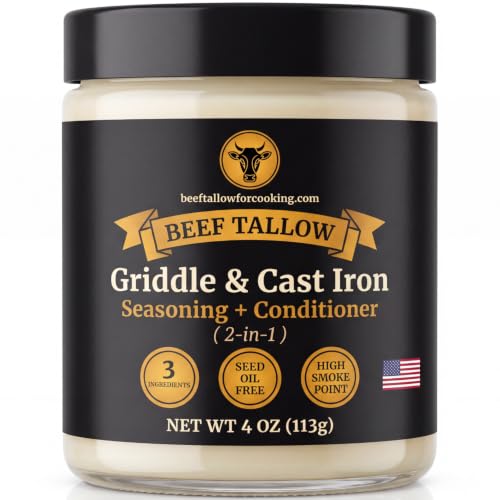
THE SEED OIL FREE FORMULA — Golden Render is the world's first seed oil free, tallow-based griddle seasoning & cast iron conditioner. While others use soy, shortening, grapeseed, sunflower or canola, we use just 3 clean ingredients: beef tallow, avocado oil & beeswax.
Sear Each Side for a Golden-Brown Crust
To achieve a perfect golden-brown crust, you should sear each side of the steak for about two minutes. This initial high-heat process forms a flavorful, caramelized surface that’s essential for flavor and texture. After establishing this crust, switch to flipping the steak every 30 seconds using tongs, which promotes even browning while preventing burning. Don’t forget to sear the fatty edges for approximately 30 seconds each—press them against the pan to render the fat completely. Your goal is a dark, caramelized surface that only a super-hot skillet can deliver. If the crust starts to scorch, decrease the heat slightly to maintain that ideal golden-brown color without burning. To further ensure even browning, preheat your cast iron pan in oven at 450°F for even heat distribution before moving it to the stovetop. Steaks benefit from thorough drying before high-heat cooking, as removing surface moisture prevents steaming and helps prevent freezer burn during storage. Regular use and proper maintenance of the skillet will help build and preserve its non-stick seasoning over time. However, for precise cooking of any attached sauces or sugars, a digital probe thermometer is essential for monitoring the actual internal temperature rather than relying on surface readings.

5.5-inch square skillet for grilled cheese or ham & cheese sandwiches


Durable Cast Iron Construction: Made from cast iron for long-lasting use and even heat distribution.
Set Oven Temperature and Timing for Medium-Rare
To achieve a medium-rare finish, set your oven to 375°F for a balanced bake that reaches the internal temperature of 125°F in about 6 minutes for a 1-inch steak. This temperature ensures even cooking without drying out the meat. To enhance flavor, season the steak by salting it 45 minutes before cooking—this improves browning and taste. Use an instant-read thermometer to check the thickest part of the meat, aiming for 125°F before resting. If your steak is thicker, lower the oven temperature to 275°F and bake for 35 to 40 minutes using the reverse-sear method. For optimal rise and structure, ensure your baking vessel has a tight-fitting lid and sufficient depth of at least 4 to 5 inches. Remember to remove the steak from the oven 20°F below your target temperature to account for carryover cooking during resting. Adjust the timing based on your steak’s thickness and always preheat the oven fully before starting. For sous vide preparation, you can use specialized Ziploc vacuum bags with a hand pump to seal the steak before cooking. When using an infrared thermometer to check surface temperatures, remember to account for reflective surfaces that can distort readings.
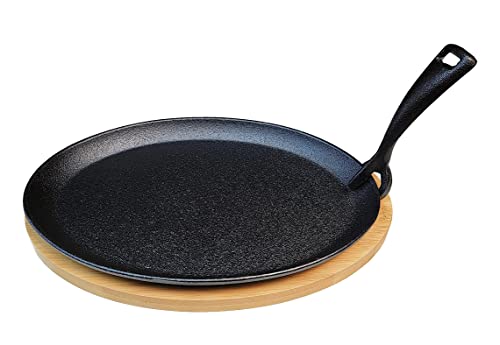
The Cast Iron Sizzling Plate serves 1 person in general and measures 10" long, 7.1" wide and 0.8" tall approximately. The set weighs about 3.3pounds.The Wooden base is 10.6" long, 7.5" wide and 0.4" tall. The cast iron handle is 5.3" long.
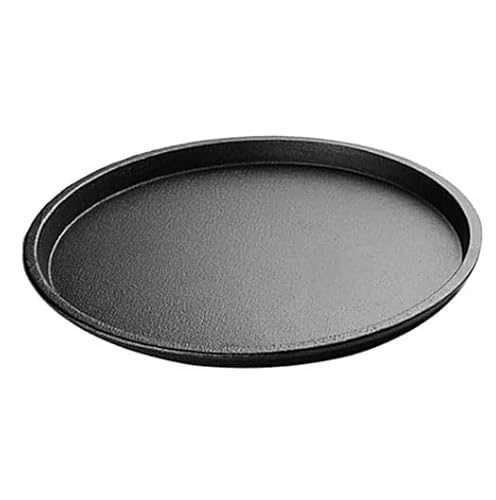
High quality commercial iron casting for durability excellent heat retention using cast iron. Suitable for cooking in induction ceramic campfire grill broiler and oven.

Complete Set: Includes 2 grill pans with built-in handles, 2 detachable handles, and 2 wooden trays; dual sizes cater to different cooking needs; the handles make lifting easy and prevent scalding; the wooden tray keeps tabletops safe from damage
Rest Your Steak for Juicy Results
After removing your ribeye from the oven, you should let it rest for 5 to 10 minutes. This period allows the muscle fibers to relax and the juices to redistribute throughout the steak. Resting is especially important for marbled beef because the fat helps retain moisture, but only if you follow proper techniques. This step is essential for achieving juice redistribution within the meat. Just as with glasswork, the steady rotation of the steak during handling ensures even heat distribution and prevents stress points. The Dutch oven’s ability to retain heat and moisture through a tight-fitting lid similarly enhances the flavor of meats during cooking.
Don’t slice into the steak immediately; doing so will cause those flavorful juices to escape. Loosely tent the meat with foil to keep the heat in while allowing steam to escape—pressing the foil tightly can ruin your crust. Rest on a warm plate or a wire rack, avoiding cold surfaces which can cool down your steak. To ensure accuracy earlier in the cooking process, you should insert a thermometer into the thickest part of the meat to avoid bones and fat.
The ideal resting time for a 1.5-inch thick steak cooked to 130°F is between 7 and 12 minutes. Be aware that carryover cooking can raise the internal temperature by 3 to 5°F, so it’s best to remove the steak slightly early. Indoor rest periods don’t require tight foil unless it’s drafty. Use this time to prepare your sides, then serve your steak with a crisped crust for maximum flavor.