You’ll achieve ideal steak searing in a 10 to 12-inch cast iron skillet, which balances superior heat retention with practical stovetop compatibility. This size range provides sufficient surface area for single or double steaks while maintaining thermal mass above 400°F for consistent browning. The 10-inch skillet requires 10-15 minutes preheating, while a 12-inch demands slightly longer but offers maximum heat retention. Proper burner contact and skillet weight directly impact your crust quality—factors that vary greatly by size.
Why Cast Iron Skillets Are Ideal for Cooking Steak
Because cast iron skillets maintain superior heat retention and distribute warmth evenly across their surface, you’ll achieve consistent browning and searing that other cookware can’t match. The pan’s high thermal mass prevents temperature drops when you place cold steak on it, sustaining searing temperatures above 400°F for ideal crust development through the Maillard reaction. Additionally, cast iron skillets are known for their even heat transfer, making them a preferred choice among chefs for achieving perfect steak.
Cast iron’s cooking benefits extend beyond initial searing. You can seamlessly shift from stovetop to oven, combining high-heat searing with gentle finishing to achieve precise doneness while preserving an excellent crust. As you use the skillet repeatedly, its seasoned surface develops natural non-stick properties, allowing you to cook with minimal fat while protecting the steak’s structural integrity and juices. These cooking benefits make cast iron invaluable for steak preparation, as they provide a superior crust that enhances the overall flavor experience.
Understanding the 10 to 12-Inch Sweet Spot
When you’re shopping for a cast iron skillet dedicated to steak, you’ll find that the 10 to 12-inch range offers the ideal balance of cooking surface, burner compatibility, and practical handling. A 10.25-inch skillet delivers 83% more surface area than an 8-inch option, while a 12-inch skillet provides 38% additional space compared to a 10-inch. This size range accommodates single or double steaks with vegetables, enabling you to execute complete cooking techniques simultaneously in one pan. The 12-inch skillet particularly excels at managing butter basting and pan sauces while maintaining even heat distribution across your cast iron. Both sizes fit standard stovetop burners efficiently, maximizing thermal contact without creating hot spots. For home cooks, this sweet spot eliminates the maneuverability challenges of larger pans while preventing cramped conditions inherent in smaller skillets. Additionally, the importance of preheating the pan ensures even cooking and prevents food from sticking, making these skillets particularly effective for steak preparation. Properly seasoned cast iron skillets can enhance your cooking experience, allowing for superior flavor and easy cleanup.

Collectible Cast Iron Skillet: Celebrate America’s 250th Anniversary with this special skillet; featuring lyrics and imagery from "America the Beautiful," the skillet is designed for cooking, gifting, and collecting

Steady Heat Distribution - This cast iron skillet locks in even heat across every inch, delivering that perfect golden sear on steaks, crispy cornbread edges and beautifully caramelized vegetables that make every home-cooked meal taste restaurant-worthy.
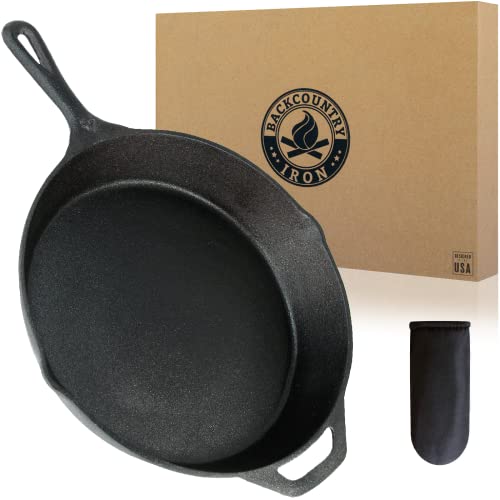
Backcountry Iron’s 12 inch round cast iron has superior heat retention for even cooking. This skillet comes pre seasoned, ready to use out of the box! This pan has a 12.25 inch diameter, measures 12.75 inches spout to spout, and has a handle length of 4.75 inches.
Heat Retention and Even Searing Capabilities
You’ll find that the 10 to 12-inch skillet’s superiority extends beyond its cooking surface and burner fit—it’s the skillet’s thermal performance that truly determines whether you’ll achieve a golden, evenly-crusted steak or a patchy, unevenly-seared result.
Cast iron’s exceptional thermal mass enables superior temperature consistency during searing. Thicker bases resist temperature drops when you place cold meat on the surface, maintaining the high heat needed for proper caramelization. This heat management capability prevents hot spots and promotes uniform crust development across your steak. Properly seasoning your skillet is essential to maintain these thermal properties, ensuring optimal performance during cooking.
The medium-sized skillet strikes the ideal balance: substantial enough to retain steady temperatures yet responsive enough for precise cooking control. Furthermore, the skillet’s natural non-stick properties improve over time, allowing for seamless food release and easier cleanup. Regular skillet maintenance preserves these thermal properties, ensuring your pan continues delivering reliable, even searing performance for years.
Smaller Skillets: When 8-Inch Pans Make Sense
While the 10 to 12-inch skillet dominates steak cooking, an 8-inch cast iron pan excels for single portions and controlled searing. You’ll appreciate the small portion practicality when cooking individual steaks, as the compact surface area matches standard cuts precisely. The quick heat up characteristic reduces your preheat time considerably, allowing faster temperature stabilization for efficient searing without prolonged waiting. You’ll use less cooking oil and butter, making it economical for solo meals. The lighter weight enhances your control during flipping and temperature adjustments on standard stovetops. You’ll also benefit from easier cleaning compared to larger pans. This skillet suits thinner cuts requiring less cooking surface and time, making it ideal for weeknight meals. Additionally, you’ll find it perfect for kitchen spaces with limited counter and storage capacity, especially when you consider the rich sauces that can complement your steak dish. Proper care, including seasoning oil after each use, ensures the skillet remains non-stick and resistant to rust.

【Premium Enameled Cast Iron】Crafted from heavy-duty enameled cast iron,this 8 inch skillet offers superior durability, excellent heat retention, and even heat distribution. Ideal for long-lasting daily use, this frying pan is perfect for searing, sautéing, baking, grilling, and roasting a variety of dishes.

SEASONED COOKWARE FOR IMMEDIATE USE: Pre-seasons every pan with 100% natural vegetable oil, giving it a non-stick finish without synthetic chemicals, to enhance the non-stick performance and deliver authentic flavors right out of the box. The more you use your skillet, the better the seasoning becomes for effortless cooking.

Quality Cast Iron Frying Pan: The Lodge Seasoned Cast Iron Skillet is loved for its great heat retention, incredible durability, and ability to make almost any recipe you dream up
Larger Skillets: Cooking for Crowds and Trade-Offs
Cast iron skillets at 13 inches and beyond offer dramatically different capabilities than their 8-inch counterparts, accommodating 3-4 steaks or larger cuts simultaneously without crowding. You’ll eliminate batch cooking and finish meals faster while enabling one-pan preparation with vegetables and complementary ingredients.
However, you’ll face critical trade-offs. Larger skillets demand appropriately sized burners; undersized heat sources create hot spots and inconsistent searing. You’ll also contend with increased weight for handling and storage, plus extended preheating times that consume more energy. Furthermore, it’s important to note that using cast iron grill pans may pose risks to glass top stoves if precautionary measures are not taken.
For crowd cooking and larger portions, 12-15 inch skillets prove ideal for family gatherings and entertaining. You’ll achieve superior heat distribution and surface area for proper crust development. Additionally, using a cast iron skillet allows for caramelized exterior while cooking meats, enhancing their flavor. Verify your stovetop burner diameter and oven space accommodate these dimensions before investing in larger-format cast iron.
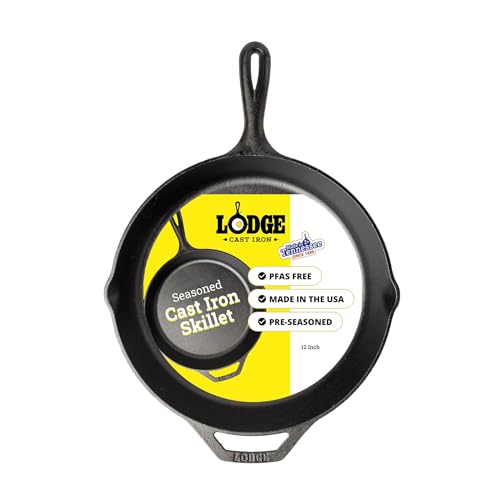
Quality Cast Iron Frying Pan: The Lodge Seasoned Cast Iron Skillet is loved for its great heat retention, incredible durability, and ability to make almost any recipe you dream up

Versatile Cooking Skillet: The Lodge Cast Iron Skillet is a multipurpose, everyday cooking pan that excels at searing, sautéing, baking, frying, and campfire meals

Secure Dual Assist Handle: The Lodge Seasoned Cast Iron Dual Handle Pan features dual assist handles for a secure grip when moving this cast iron skillet
Matching Your Skillet to Your Stovetop Burner
Because heat distribution depends entirely on burner-to-cookware alignment, matching your skillet’s diameter to your stovetop’s burner size directly determines searing quality and consistency. When your skillet’s bottom exceeds your burner’s dimensions, you’ll create hot spots that cook steaks unevenly and risk warping the cookware. Conversely, burners that are too small for your pan leave edges without adequate heat contact, preventing proper crust development. Maintaining an ideal skillet size also enhances the cooking process, allowing for optimal searing and flavor development.
Your cookware compatibility with specific burner sizes guarantees heat radiates evenly across the entire cooking surface. On electric and induction cooktops, heat patterns extend from center outward, so proper alignment maximizes this efficiency. If you’re using a larger skillet, consider bridge burner features on some cooktops or spanning two adjacent burners set to identical temperatures for peak performance. An appropriate skillet size ensures even heat distribution for perfectly cooked steaks.
Weight and Maneuverability Considerations
Once you’ve matched your skillet to your burner, you’ll need to contemplate how the pan’s weight affects both its performance and your ability to handle it safely. A 12-inch skillet delivers maximum heat retention for superior steak searing, but demands greater physical capability and refined handling techniques. You’ll need proper oven mitts and controlled movements when transferring between stovetop and oven. A 10-inch pan offers better weight balance for regular home cooks, remaining manageable during extended cooking sessions while still accommodating standard steaks. Consider your upper body strength and cooking frequency when deciding. Heavier pans resist temperature drops during searing, yet require adapted techniques for safe manipulation. The ideal choice depends on balancing heat performance against your practical ability to control the pan confidently.
Single Steak Versus Multiple Steaks: Size Recommendations
Your skillet choice fundamentally shifts based on whether you’re searing one steak or several simultaneously. For a single steak, you’ll want an 8 to 10-inch skillet that concentrates heat efficiently and heats faster, creating the critical high-sear temperature you need. This size provides adequate surface area without wasting energy.
When cooking multiple steaks, you’ll need at least 12 to 15 inches to prevent overcrowding. A 12-inch skillet typically accommodates steaks for four people without compromising sear quality. Cramped surfaces reduce heat contact and cause steaming rather than searing, undermining your results.
Consider using two smaller skillets instead of one oversized pan when preparing steaks with sides. This approach balances heat distribution and cooking capacity, ensuring even searing across all pieces while maintaining ideal surface contact.
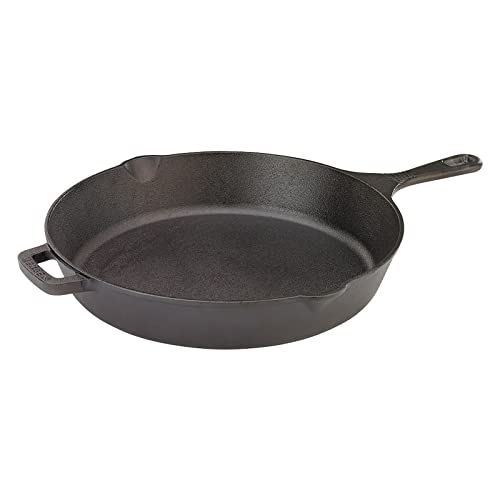
QUALITY CONSTRUCTION: Heavy-duty cast iron pre-seasoned with 100% natural vegetable oil for superior heat retention and even cooking every time

SEASONED COOKWARE FOR IMMEDIATE USE: Pre-seasons every pan with 100% natural vegetable oil, giving it a non-stick finish without synthetic chemicals, to enhance the non-stick performance and deliver authentic flavors right out of the box. The more you use your skillet, the better the seasoning becomes for effortless cooking.

MULTI-FUNCTIONAL: Our cast iron cookware is multi-functional, and suitable for many different cooking methods. Use our skillets on the stove top, in oven, over a campfire, and even when slow-cooking! Our set is great for frying, sauteing, cooking, grilling, and more.
Preheating Times and Heat Distribution by Size
Selecting the right skillet size addresses half the equation; ensuring that the pan reaches perfect searing temperature completes the picture. Your preheating speeds depend directly on skillet dimensions. Smaller 8-9.5 inch pans reach ideal temperature in 5-8 minutes, while medium 10-12 inch skillets require 10-15 minutes. Larger 13+ inch pans demand 15-20+ minutes for uniform heating across the entire surface. Additionally, the heating process for other cooking methods, such as using a Dutch oven, can influence cooking times and techniques.
Heat efficiency improves with proper burner matching—your burner must contact the skillet’s full diameter. Mismatches create hot spots and prolong preheat times. Medium skillets offer superior heat retention and distribution, cooling minimally when you add your steak. Larger pans provide extended temperature stability for thick cuts, while smaller ones dissipate heat rapidly post-searing. Use an infrared thermometer to verify surface temperature before cooking. Additionally, pre-seasoned cast iron pans benefit from gradual seasoning through cooking practices that enhance their non-stick properties over time.
Achieving Restaurant-Quality Steak Crusts at Home
Three critical factors—heat retention, oil selection, and surface contact—determine whether you’ll achieve that coveted restaurant-quality crust at home. Your cast iron’s thermal mass prevents temperature drops when cold meat contacts the surface, maintaining consistent searing conditions. For oil application, brush extra-virgin olive oil directly onto your steak before placing it in the preheated skillet. This method guarantees ideal contact with the hot pan surface. Press the steak gently for 3-5 minutes, distributing pressure evenly across the bottom to promote uniform caramelization. Searing the steak properly not only develops the crust but also enhances the overall flavor profile. Flip every 3-5 minutes to develop an even, deep-brown crust on each side. Remove at 120°F internal temperature and rest 5-10 minutes. Proper skillet maintenance—keeping your cast iron seasoned and dry—guarantees consistent results every time. Additionally, letting the steak rest after removing it from the heat allows the juices to redistribute for maximum flavor and tenderness.
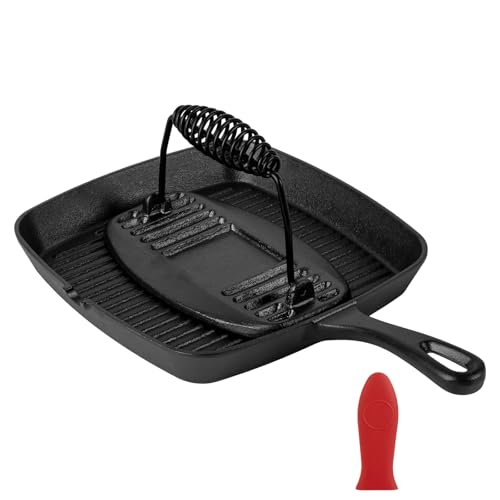
【Heavy-Duty Cast Iron Grill Pan】This tastedeli 9.25 inch cast iron grill pan is crafted from premium heavy-duty cast iron, ensuring excellent durability, superior heat retention, and even heat distribution. Perfect for everyday use as a frying pan, skillet, or searing pan, it works great for grilling steaks, burgers, fish, vegetables, or chicken indoors and outdoors.
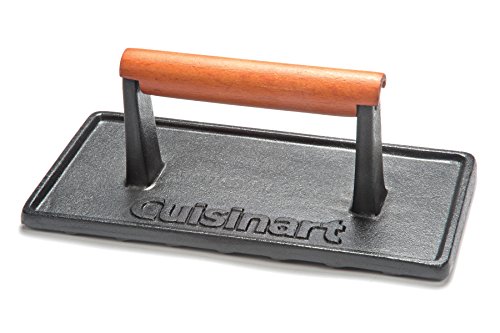
DURABLE: Heavy-duty 2.4-pound cast iron for even heat distribution and durability.
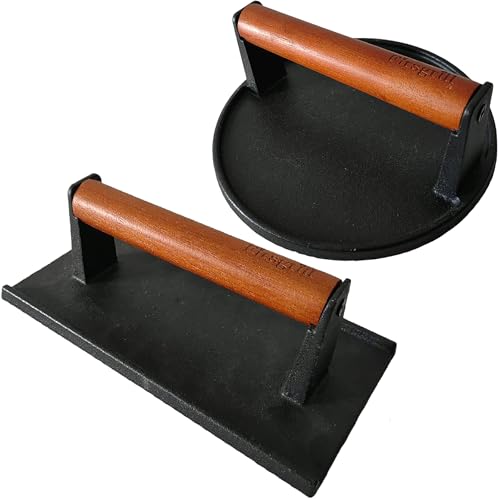
BURGERS – Perfect for smash burgers with beautiful grill marks BACON – Keeps strips flat and cooks evenly STEAKS – Helps sear and cook evenly THIN MEATS – Works great on any flat-top griddle or outdoor grill.