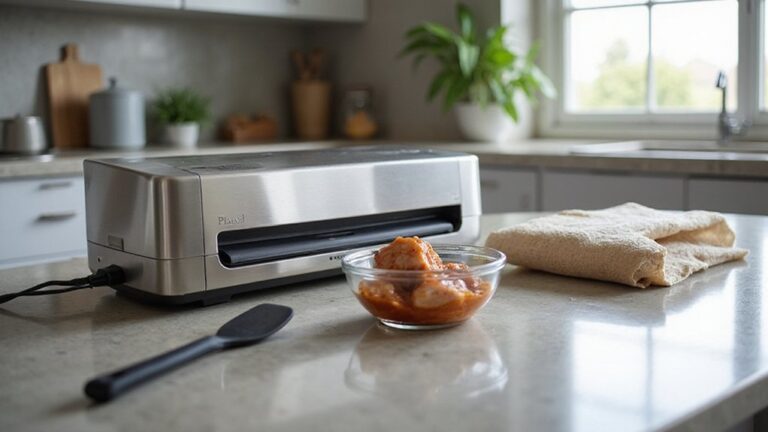
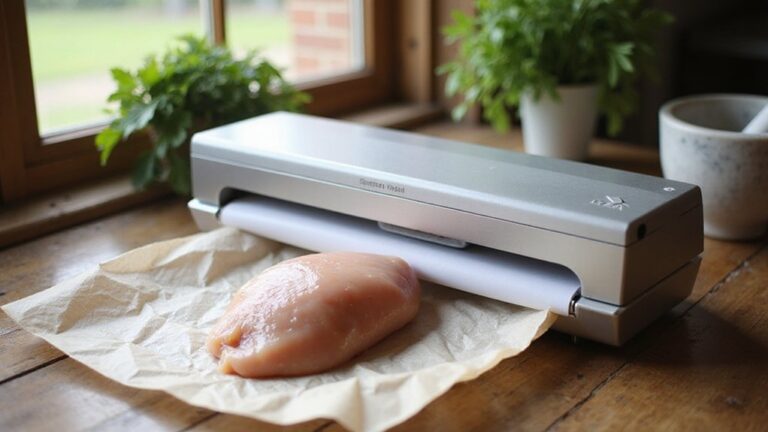
You’ll remove husks and silk thoroughly, then pat your corn completely dry to prevent moisture-related seal failures. Cut both cob ends for proper bag fit, arrange ears flat to maximize vacuum contact, and manually remove excess air before sealing. Maintain your freezer at consistent temperatures for best results. You’ll achieve six to twelve months of storage while preserving natural sweetness, though peak quality occurs within four months before enzymatic degradation noticeably affects flavor and texture—details on maximizing longevity await further exploration.
Preparation Steps for Unblanched Corn Vacuum Sealing
Before you vacuum seal corn, you’ll need to select ears that’ll deliver ideal results in storage. Choose corn with intact husks and silk, harvested within 24 hours if possible. Inspect kernels for plump, milky texture without drying or discoloration. Reject ears with bruises, worm damage, or brown spots, as these compromise longevity.
Next, begin husk removal by stripping all outer layers completely. Thoroughly brush away silk strands to prevent contamination inside your bags. Rinse the ears under cool water, removing loose silk and residual particles. Pat them dry with paper towels to eliminate surface moisture that could interfere with sealing integrity. Finally, inspect the corn carefully, ensuring no debris remains near seal lines before bagging.

Compatible with All Desktop Vacuum Sealers: These vacuum sealer bags are designed to work with all traditional desktop vacuum sealer machines. Simple to operate and convenient to use. (Note: These bags do not feature an air valve and are not compatible with handheld vacuum sealers.)

Easy Use Design: No scissors required for these bags. Just align to seal and tear to open.
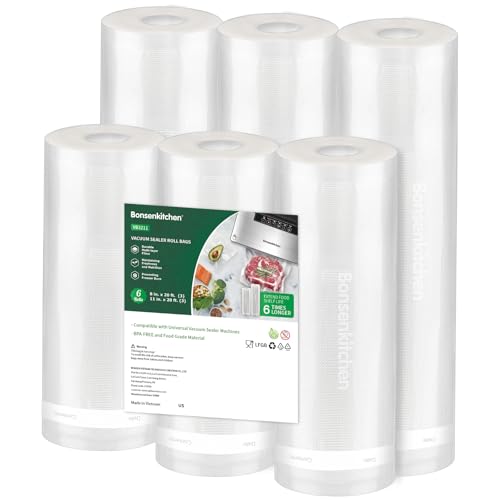
BPA FREE: Bonsenkitchen vacuum food sealer roll bags can be microwaved, frozen, re-used, washed, boiled and dishwasher safe. Allows you to precisely control your cooking temperature to achieve perfect results. You can cook sous vide in Bonsenkitchen bags by placing them in water at any temperature up to 230°F/110°C
The Vacuum Sealing Method for Corn on the Cob Without Blanching
To guarantee your corn fits properly in the vacuum bag and maintains an effective seal, you’ll want to cut off both ends of each cob before bagging. Distribute ears evenly throughout the bag, spacing them to eliminate air pockets that cause ballooning. Center the bag opening precisely over your vacuum sealer’s gasket to create an airtight seal. For enhanced vacuum performance, manually remove excess air using mouth suction or a vacuum hose before final sealing. Consider applying an additional sealing pass to increase durability, particularly important when preserving different corn varieties. Elevate the bag with a book during sealing to maintain a flat surface and prevent wrinkles that compromise preservation quality. This methodical vacuum sealing approach works effectively across various corn varieties.
Storage Quality and Longevity
While vacuum sealing extends corn’s frozen lifespan considerably, you’ll want to understand that non-blanched ears maintain quality for approximately 6 months to 1 year, with some sources reporting up to 2 years under ideal conditions—though those typically involve prior blanching. Beyond six months, you’ll notice accelerated quality degradation as enzymatic activity continues despite vacuum protection. Sugar converts to starch faster without blanching, compromising sweetness and texture. Your storage duration directly depends on freezer temperature consistency; fluctuations expedite deterioration. Vacuum sealing slows oxidation and moisture loss, but it cannot completely halt enzymatic breakdown. To maximize longevity, you’ll freeze corn immediately after sealing at the lowest possible temperature. Monitor for texture changes and off-flavors as indicators of quality decline.

HEAVY DUTY AND PUNCTURE PREVENTION - 200 pack of 6 by 10 inch precut bags with embossed channels to increase suction, with a box for storage, keep fresh without freezer burn or dehydration
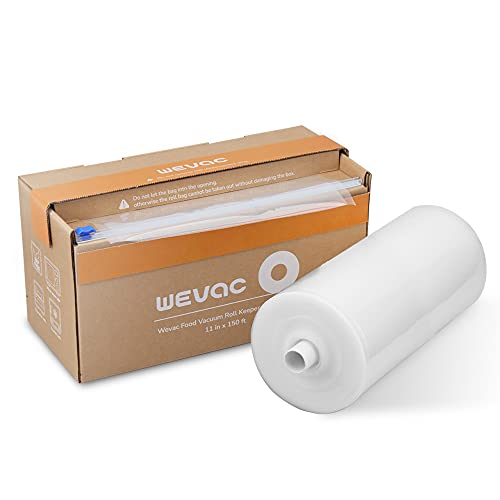
HEAVY DUTY AND PUNCTURE PREVENTION - 1 pack of 11 inch by 150 feet roll with embossed channels to increase suction, with a cutter box for cutting and storage, keep fresh without freezer burn or dehydration

ECONOMICAL & & TIME SAVING: Total 150 count Bonsenkitchen 20 Gallon 11" x 16"+ 80 Quart 8" x 12"+ 50 Pint 6" x 10" vacuum sealer bags are different sizes of packaging, meet your different usage needs. Vacuum bags are pre-cut and ready-to-use, saving you time whenever you’re preserving leftovers, preparing make-ahead meals, and portioning bulk items in the freezer.Just pull out and use, no need to cut, no need to seal one side before putting food in
Common Challenges and Tips
When you’re vacuum sealing corn without blanching, you’ll encounter several interconnected obstacles that demand careful attention to technique. Moisture control remains your primary challenge—corn’s high water content risks seal failures and machine damage. Place folded paper towels inside bags to absorb escaping liquid before it compromises your sealer. Confirm complete husk and silk removal, as remnants trap moisture and cause bag ballooning. Arrange ears flat and evenly to maximize vacuum channel contact and maintain seal integrity. Leave adequate space at the bag opening for efficient sealing. Expect post-seal expansion from natural corn gases; this doesn’t necessarily indicate failure. Use appropriate machine settings for untreated corn, and consider custom-sized vacuum bags for ideal fit and reduced excess air. Furthermore, vacuum sealing extends shelf life significantly by removing oxygen, so following these tips ensures optimal preservation of your corn on the cob. Additionally, maintaining proper food handling practices is crucial, as these steps ensure the longer-lasting quality of vacuum-sealed food by inhibiting bacteria growth.

Universal Design: Compatible with All 'Clamp Style' Vacuum Sealer Machines
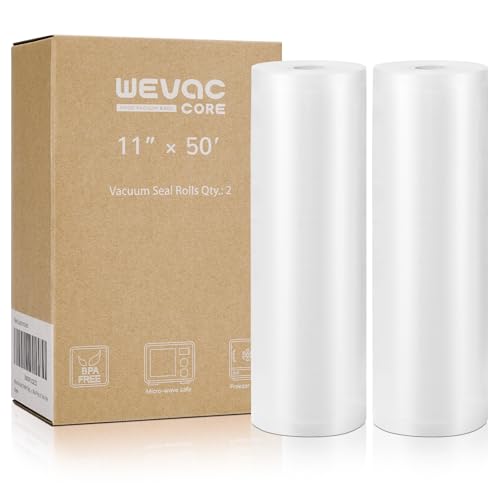
HEAVY DUTY AND PUNCTURE PREVENTION - 2 pack of 11 inch by 50 feet rolls with embossed channels to increase suction, keep fresh without freezer burn or dehydration

【Clear Vacuum Bags】Our sealable vacuum bags are made of high quality materials can withstand high temperature, food save bags Boilsafe,Freezable and Reuseable.There will be an error of 1 inch between the product size and the actual working size.The real working size after sealing is 3 x 5 inches.Please choose carefully when purchasing.
Cooking and Reheating Frozen Vacuum-Sealed Corn
Reheating your vacuum-sealed frozen corn demands method selection based on your desired texture, time constraints, and equipment availability. You’ll find boiling delivers quick results in 5-7 minutes when you drop the sealed bag directly into water. Microwaving offers speed in just 2-3 minutes after poking steam holes. For precision cooking, sous vide requires 40 minutes from frozen, producing consistently tender kernels. Air frying yields browning in 12 minutes total at 370 degrees Fahrenheit. Baking in foil develops enhanced flavor through slight kernel browning over 35-45 minutes at 400 degrees Fahrenheit. Your frozen corn cooking method ultimately depends on balancing convenience against desired texture outcomes. Each corn reheating technique delivers distinct results worthy of consideration based on your specific needs.

NOT FOR USE WITH FOOD SAVER HOUSEHOLD VACUUM SEALERS - for use with chamber vacuum sealer machines and heat bag sealers only.

The information below is per-pack only
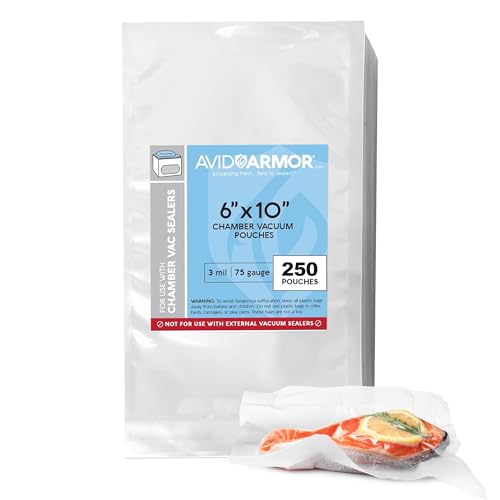
NOT FOR USE WITH FOOD SAVER HOUSEHOLD VACUUM SEALERS - for use with chamber vacuum sealer machines and heat bag sealers only.
Benefits and Considerations of No-Blanch Vacuum Sealing
Because you’re looking to streamline your corn preservation process, skipping the blanching step offers tangible advantages in both time and simplicity. You’ll eliminate preparation labor while the corn’s husk naturally shields against freezer burn. Vacuum sealing removes air that accelerates oxidation, maintaining freshness without blanching’s extra step. Additionally, using a tight-fitting lid can help improve the vacuum sealing process.
However, you should understand the trade-offs. Unblanched corn contains active enzymes that gradually degrade flavor and texture during storage, potentially causing sogginess after thawing due to increased cell wall breakdown. You’ll notice minimal sensory differences within a few weeks, but longer storage reveals noticeable quality loss. For peak corn preservation, store unblanched vacuum-sealed ears up to four months. Though enzyme activity doesn’t compromise food safety, it does affect quality. You’ll maintain superior nutrition and fresh-picked characteristics through short-term storage compared to blanched alternatives. Additionally, vacuum sealing works by reducing oxygen exposure, which helps limit the impact of enzyme activity on the corn’s quality over time.
Why Vacuum Sealing Outperforms Traditional Freezer Bags
How does removing air from storage bags transform corn preservation? You’ll find that vacuum sealing creates an airtight environment that greatly slows oxidation, which is the primary culprit behind freezer burn. Traditional ziplock bags allow continuous air seepage, causing dehydration and quality degradation that vacuum sealing prevents.
When you vacuum seal corn on the cob, you’re preserving sweetness and firmness without blanching—something freezer bags can’t match. The reduced oxygen exposure inhibits bacterial and mold growth while maintaining nutritional integrity. Your corn retains superior flavor preservation and color compared to standard storage methods. Additionally, vacuum sealed corn remains high quality for over a year, thanks to its ability to minimize oxidation and spoilage, while ziplock alternatives deteriorate within weeks to months. The process of vacuum sealing significantly extends shelf life by removing oxygen, ensuring long-lasting preservation. The compressed packaging occupies considerably less freezer space, enabling efficient bulk storage with minimal waste.

【Suitable for two types of Mason jars】The electric Mason jar vacuum sealer contains two sizes of mouth seals for your daily use. To get the standard mouth seal jar, simply insert the red arrow on the standard mouth seal converter, align it with the unlock symbol on the main unit and then insert it inside the silicone ring in the wide mouth seal area and tighten it clockwise, at this point the arrow is aligned with the lock symbol, which indicates a successful installation.
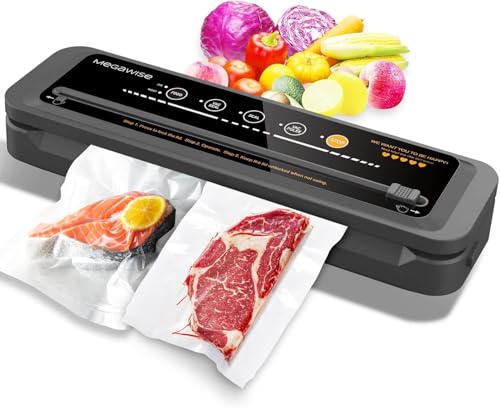
80kPa Suction Power: Updated 2025 vacuum sealer uses a DC motor pump with electromagnetics and pure copper for enhanced suction power. It sucks all air out tightly to preserve your meat and vegetables for 10 times longer or more to prevent oxidation and keep things fresh. Updated version solved many issues found from previous version

80kpa Suction Power - Updated vacuum sealer uses a DC motor pump with electromagnetic perm and pure copper core to enhance its suction power. It sucks all air out tightly to preserve your meat and vegetables for 10 times longer or more to prevent oxidation.