Wondering how to get a perfect top round steak with a savory crust and tender inside? Searing it in a cast iron skillet is one of the best ways to do that, giving you a flavorful and juicy finish.
Master these essential steps, and you’ll be turning out restaurant-quality steaks right at home. Keep reading to learn exactly how to achieve it.
How to Prep Your Top Round Steak and Cast Iron Skillet
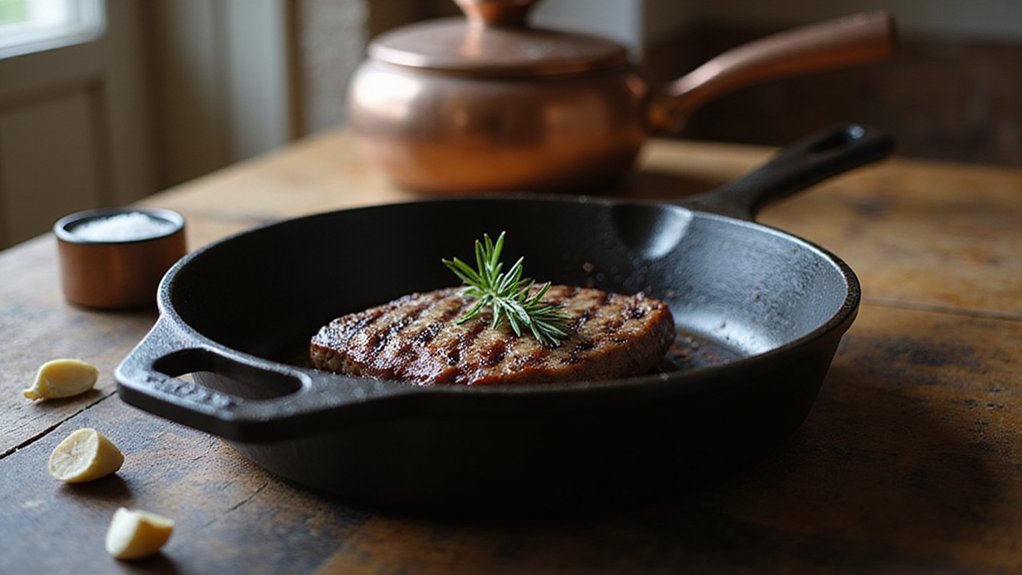
To prep your top round steak and cast iron skillet, start by removing your steak from the fridge 20 to 40 minutes before cooking to bring it to room temperature. Pat it dry thoroughly with paper towels to remove excess moisture, which can prevent proper browning. Let the steak rest uncovered for about 20 minutes. Meanwhile, heat your empty cast iron skillet over medium heat for at least five minutes, then increase to medium-high. You’ll know it’s ready when water droplets dance on the surface. Add a tablespoon of ghee or avocado oil; wait until it shimmers before adding the steak. If you plan to grill vegetables later, do that now. For extra juiciness, consider finishing the steak with a sous vide after searing, using a precise water bath to achieve a consistent internal temperature. Rub salt into both sides 30 minutes before cooking—hold off on adding pepper until after searing. If your skillet’s seasoning is worn, apply a thin layer of flaxseed oil and bake it upside down to restore the non-stick surface. If the skillet has rust, use a vinegar spray solution for no longer than 30 minutes to remove it without pitting the metal. Now you’re all set to cook.
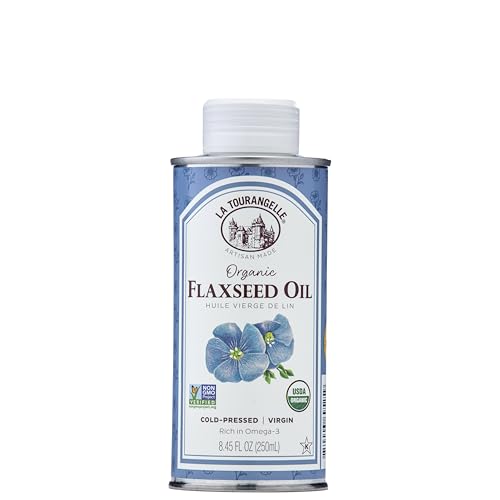
Organic Flaxseed Oil: This oil provides over 7 grams of plant based Omega-3, making it the ideal ingredient to add to your smoothies, oatmeal, or salad dressings.

USDA ORGANIC FLAXSEED OIL, GROWN AND PRESSED IN THE USA: One ingredient and nothing else. The flax is grown and pressed in North Dakota, then bottled for cast iron care rather than for cooking.

USDA ORGANIC FLAXSEED OIL, GROWN AND PRESSED IN THE USA: One ingredient and nothing else. The flax is grown and pressed in North Dakota, then bottled for cast iron care rather than for cooking.
The Best Seasoning Strategy for a Thick, Flavorful Crust
Start by applying 1 to 2 teaspoons of coarse kosher salt per steak about 30 minutes before cooking. This amount pulls out surface moisture, which helps develop a deep, flavorful crust. Freshly ground coarse black pepper should be pressed firmly into the meat so it sticks during searing, ensuring the pepper remains embedded in the crust. For herb infusion, wait until the butter-basting stage to add chopped rosemary or thyme; adding herbs too early risks burning them during the high-heat sear. Rub the steak thoroughly with avocado oil before seasoning; the oil helps the salt and pepper adhere evenly and promotes uniform browning. This method creates a thick, flavorful crust while keeping the interior moist and tender. For inspiration on similar techniques, consider how Beef Stew recipes rely on a heavy pot’s heat retention to build a deep sear on meat before braising. The heavy lid of a cast iron skillet mimics the tight seal of a Dutch oven, which traps steam and heat to help form that crust. Achieving this crust also requires monitoring pan temperature closely, similar to how a forehead thermometer reads surface heat rather than deep internal temperature.
How to Sear Top Round Steak Without Drying It Out
To sear top round steak without drying it out, start by thoroughly drying the surface with paper towels to remove moisture. Excess water creates steam during searing, which hinders browning and can lead to overcooking the interior. Once dry, apply oil-based rubs or dry brines to enhance flavor without adding moisture. Preheat your cast iron skillet in a hot oven and then transfer it to a medium flame. Add two tablespoons of oil until shimmering, then carefully place the steak in the pan. Use high heat for about two minutes per side to develop a crust, then reduce to medium-low to continue cooking. To ensure even heat distribution and prevent the steak from drying out, flip it every 1.5 to 2 minutes. This frequent flipping helps avoid a gray band forming along the edges. Cook the steak until it reaches an internal temperature of 130°F for medium-rare, then let it rest for five minutes before slicing. For optimal meal prep, you can vacuum seal leftover portions to extend freshness and prevent freezer burn, preserving flavors and nutrients. These vacuum bags, such as FoodSaver bags, are designed to withstand boiling temperatures and are BPA-free for safe sous vide storage. Additionally, after searing, proper cleaning with warm, soapy water and a soft sponge helps maintain the skillet’s seasoning and prevents rust.

YOUR NEW GO-TO SEASONING SPRAY: The Lodge Seasoning Spray is the perfect seasoning spray to maintain your cast iron cookware. It is made of 100% canola oil - no additives or propellants, to protect your cookware and enhance its finish.

Compact Wok Design: The Lodge Cast Iron Mini Wok combines durable cast iron with a compact design for stir fry favorites, sides, and everyday cooking versatility
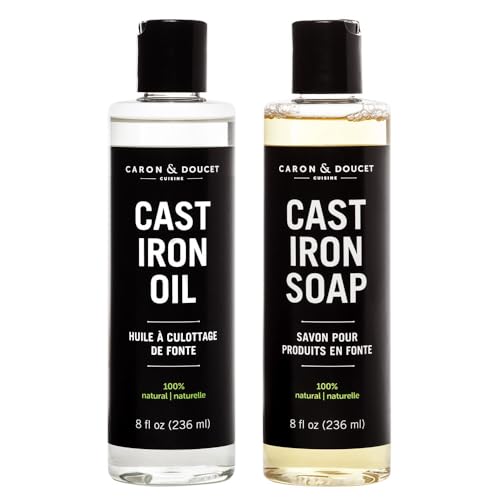
CLEANS CAST IRON | Includes our Cast Iron Soap unlike detergent based soaps, this soap is formulated with 100% natural plant-based oils & free of sulfates, phosphates, parabens & petrochemicals! Gentil on cast iron seasoning & on your hands!
Why Butter Basting Makes Top Round Steak Taste Tender
Butter basting makes top round steak taste tender by harnessing heat transfer and flavor development. When you spoon hot butter over the searing surface, it accelerates the Maillard reaction on the cooler top side. This browning process creates deep, savory flavors and adds complexity that plain oil cannot match. The dairy solids in butter brown quickly, forming nutty compounds that enhance taste. As you baste, the fat penetrates surface cracks in the meat, delivering flavor directly into its structure.
Additionally, butter helps coat lean sections, promoting even fat distribution across the cut. This helps prevent dry spots and ensures a more uniform tenderness. Continuous basting keeps the top side warm without excessive heat, reducing the risk of overcooking or drying out the meat. The hot butter also minimizes moisture loss by reducing evaporation from the surface. Incorporating aromatics like thyme or garlic into the butter infuses the steak with layered, woodsy notes, enriching flavor without burning herbs.

Bold Garlic and Herb Flavor: Packed with savory garlic and herb taste in every spoonful

If you like herb butter on your steak, look no further. This is an expertly mixed seasoning with herbs and spices that match the rich taste of butter. Simply soften the butter, add the seasoning, churn and refrigerate again. Then add a slice of the herb butter to your meats, sausages or corn. Great for any BBQ dish.

Savory seasoning blend of garlic, butter and spices for grilling meat and seafood
What Internal Temperature Should Your Top Round Steak Be?
For top round steak, the ideal internal temperature depends on your desired level of doneness. Aim to remove the steak from the heat at about 130°F for rare or 135°F for medium-rare because carryover cooking during resting will raise the temperature by approximately 5°F. For medium, target 140°F. To ensure tenderness and safety, cook to at least 145°F, although this results in a medium-well doneness and can make the meat tougher. Using an instant-read thermometer inserted into the thickest part, avoiding bone or fat, is your best bet for accurate results. Regular temperature checks do not result in juice loss, making frequent probing key to achieving the desired steak temperature. Remember, resting the steak briefly after cooking allows the juices to redistribute and slightly increases the internal temperature. For the most accurate reading, aim the probe tip at the thermal center of the steak, ensuring it is not touching the pan. Cooking at a low temperature helps ensure tenderness, similar to how pot roast becomes tender after hours of slow braising. Just as with pancakes, carefully preheating your skillet ensures even heat distribution and prevents hot spots that could burn the meat.
Don’t Skip Resting Your Top Round Steak: Here’s Why
Resting your top round steak for 5 to 7 minutes after cooking is essential for a tender, juicy result. During this time, muscle fibers relax after being tight from heat. This relaxation makes the meat easier to chew and helps juices redistribute throughout the steak. Without resting, you could lose about 30 to 40 percent of the juices when you cut into it. Resting also allows the muscle fibers to relax and redistributes juices for an evenly moist texture. To keep the pan in perfect condition for future searing, you should clean it with hot water, dry it thoroughly, and apply a thin layer of oil after use to prevent rust and maintain the seasoning.
Additionally, resting prevents excessive moisture loss and accounts for carryover cooking, which raises the internal temperature by approximately 10°F. During cooking, even heating of the steak is critical to avoid cold spots, much like when soldering with a butane torch. To achieve a perfect medium-rare finish, remove your steak 5 to 10 degrees below your target temperature before resting. Let it sit uncovered in a warm spot without tenting to allow the juices to settle evenly.
How to Slice Top Round Steak for Maximum Tenderness
To achieve maximum tenderness, slice your top round steak against the grain. First, identify the direction of the muscle fibers by looking for the lines that run through the meat. Then, cut perpendicular to these lines to shorten the fibers, making each bite easier to chew. Maintain a sharp knife and use a gentle press-and-pull motion—sharp blades prevent feathered edges and make clean cuts. Aim for slices about ¼ to ½ inch thick, as thinner slices will feel more tender and easier to eat. Marinating the steak in acidic ingredients like vinegar or citrus for four to twelve hours helps break down tough fibers before cooking. After cooking, let the steak rest for about ten minutes to allow the juices to redistribute. Finally, slice thinly across the grain for a tender, enjoyable bite. Letting the steak rest for five minutes post-cooking retains juices and improves texture.
Why Top Round Steak Needs a Different Approach Than Ribeye
Top round steak requires a different approach than ribeye because it comes from a heavily exercised, lean muscle group. Unlike ribeye, which relies on its high fat content to guarantee tenderness and juiciness, top round has minimal marbling and needs extra preparation to become tender. Its muscle fibers are dense and tough, a result of originating from the rear leg that bears more weight and workload. As a result, cooking it at high heat and for long periods can make it chewy instead of tender. To optimize its quality, you should marinate or mechanically tenderize the meat, and cook it to a medium-rare temperature between 125°F and 130°F. Never cook it past 140°F, as it will become tough and difficult to chew. Using a meat thermometer to monitor the oil temperature during searing ensures consistent high heat without exceeding the oil’s smoke point. Slicing thin or braising are effective methods for serving top round steak successfully, since these techniques help break down the muscle fibers and enhance flavor and tenderness. This cut, being slightly tougher than sirloin, requires more careful preparation to ensure tenderness. For a different cut, basting with butter and aromatics after searing is a key technique used to infuse flavor and moisture. Hanging your cast iron skillets on a secure wall rack keeps them easily accessible for tasks like searing this steak at the perfect high heat.