You’ll cream softened butter with granulated and brown sugars, then fold in dry ingredients without overmixing. Spread your dough evenly in a generously buttered cast iron skillet and bake at 350°F for 15-20 minutes until golden-brown edges frame a soft center. The skillet’s heat retention creates crispy exteriors while keeping the inside wonderfully chewy. Cool for 20-30 minutes, then serve warm with vanilla ice cream or sea salt. Uncover how simple technique adjustments release bakery-quality results.
Basic Recipe Components
Since you’re building a cast iron skillet cookie from the ground up, understanding how each ingredient functions is vital to achieving that perfect balance of chewy centers and crispy edges.
Your sugar types matter greatly. You’ll combine granulated sugar for crispness with brown sugar for moisture and chewiness, creating complexity in flavor. Butter preparation is equally important—cream softened butter with your sugars to develop proper texture and structure. A well-seasoned skillet can enhance the cookie’s crispiness while preventing sticking, giving you an even better result.
Leavening agents like baking soda and salt work together to control spread and enhance flavor depth. Your dry ingredients, primarily all-purpose flour, provide structural integrity when whisked together before combining with wet components.
Finally, chocolate add-ins—whether semi-sweet, milk, or dark varieties—get folded in last, preserving their integrity. This layered approach guarantees your skillet cookie develops the ideal texture throughout, while regularly cooking with oil in your skillet can further improve seasoning and maintain its non-stick surface.


Large Cast Iron Baking Pan: The Lodge Seasoned Cast Iron Baking Pan delivers consistent heat retention and distribution for even edge-to-edge heating

Durable Cast Iron Construction: Made from cast iron for long-lasting use and even heat distribution.
Equipment and Pan Preparation
Your success with cast iron skillet cookies depends heavily on selecting the right equipment and preparing your pan properly. You’ll want to choose an 8-inch, 10-inch, or 12-inch cast iron skillet based on your desired cookie thickness and texture. Larger skillets produce thinner cookies with shorter baking times, while smaller ones create thicker, chewier results.
For pan preparation, you’ll need to apply your grease technique carefully. Coat your skillet generously with softened butter, guaranteeing complete coverage across the bottom and sides. This essential step creates that signature crispy exterior while protecting your dough from sticking. Additionally, it’s important to thoroughly dry your skillet after washing to maintain its seasoning and cooking performance.
Using a rubber spatula, spread your dough evenly throughout the skillet, pressing gently to distribute it uniformly. This even distribution guarantees consistent baking and best texture development throughout your cookie. Additionally, consider heat retention of your cast iron skillet during baking, which can enhance the overall texture and flavor of the cookie.
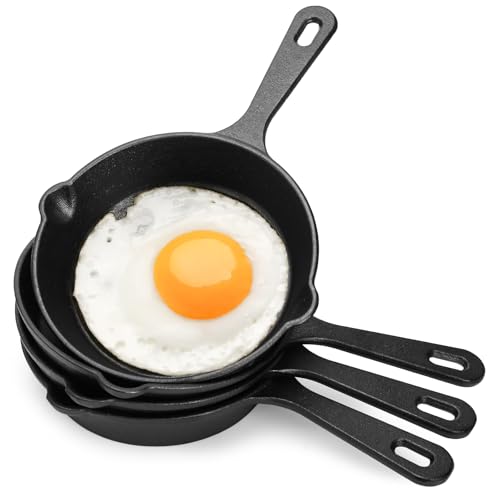
【Space-Saving Design & Universal Cooktop Compatibility】Each 5.5-inch cast iron pan for eggs features a hanging hole for easy storage. Compact yet durable, they’re ideal for small kitchens or RVs. Use these small cast iron skillets on all heat sources: induction, electric, gas, halogen, and even ovens. No compatibility worries—just versatile performance for any kitchen setup.

Precise heat distribution: the cast iron pan has better retention and distribution of heat. Even heat distribution for improved cooking and frying even on grills, stoves or induction hobs.

NON-TOXIC CAST IRON SKILLET: Make your food sizzle with Modern Innovations Mini Cast Iron Skillet Value Pack! Made of premium quality cast iron, our skillets are nearly indestructible and are an exceptional source of iron nourishment. Our mini cast iron skillet set is perfect for individual servings. Use them for cooking/serving appetizers and dips, frying an egg, baking mini desserts like baked cookies or brownies, and more!
Mixing Method and Dough Preparation
To build your cast iron skillet cookie, you’ll start by melting your butter—either directly in the skillet over stovetop heat or in a separate microwave-safe bowl for convenience. Once melted, you’ll incorporate both granulated and brown sugar, then immediately add eggs while mixing rapidly to prevent cooking from residual heat. Blend in vanilla extract to complete your wet ingredients phase. It’s important to remember that using cast iron grill pans on a glass top stove may require extra caution to prevent scratching.
Separately, whisk together flour, baking soda, and salt in a medium bowl, ensuring even distribution. Fold this dry ingredients mixture into your wet combination using careful, deliberate strokes—avoid overmixing, which toughens the dough. Gently fold in chocolate chips, reserving a portion for topping. Your resulting dough texture should appear thick and cohesive, ready for pressing into your prepared skillet. For optimal results, ensure your skillet is well-seasoned to prevent flash rust during baking.
Baking Temperature and Time Guidelines
Once you’ve pressed your dough into the skillet, getting the temperature right is essential for achieving that perfect balance between a gooey center and crispy edges. Preheat your oven to 350°F for even baking throughout, or choose 375°F if you prefer faster baking with crispier edges. At 350°F, you’ll typically bake for 15 to 20 minutes, depending on your desired doneness.
Watch for key doneness indicators: golden-brown edges, a deep golden-brown top, and a cooked-through center that remains soft. Wrinkled edges signal proper baking. Cast iron’s exceptional heat retention means your skillet stays hot after removal, potentially shortening bake times. Additionally, using a cast iron skillet allows for superior heat distribution, contributing to an evenly baked cookie. Remember that preheating the skillet before adding your dough is also recommended for optimal results. Check that your cookie’s internal temperature reaches 195°F–200°F for ideal results. Avoid overbaking, which creates dry, hard centers.
Cooling, Serving, and Flavor Variations
The moment your cast iron skillet cookie emerges from the oven, patience becomes your greatest ally. You’ll want to employ smart cooling techniques—leaving it in the skillet for 20-30 minutes stabilizes texture while residual heat finishes cooking without overbaking. This creates that coveted soft center with crisp edges. Remember that proper care for your skillet after baking plays a vital role in maintaining its performance for future recipes.
For serving suggestions, you’ve got flexibility. Serve it warm with vanilla ice cream for maximum gooeyness, or cool completely before slicing into wedges for easier sharing. Sprinkle flaked sea salt post-baking to enhance complexity.
Explore flavor variations by incorporating browned butter for nutty depth, dark chocolate chunks for richness, or whiskey for sophisticated warmth. These additions transform your basic recipe into something memorable. Additionally, preparing your skillet by preheating it ensures even cooking and a fantastic texture.
Make ahead tips: refrigerate dough 1-2 days or freeze up to three months. Baked wedges freeze beautifully too, thawing quickly when cravings strike.

Reliable Heat Resistance: Designed for skillets 9 inches and larger, the Lodge Silicone Hot Handle Holder delivers a secure grip on hot cookware with heat resistance up to 500°F
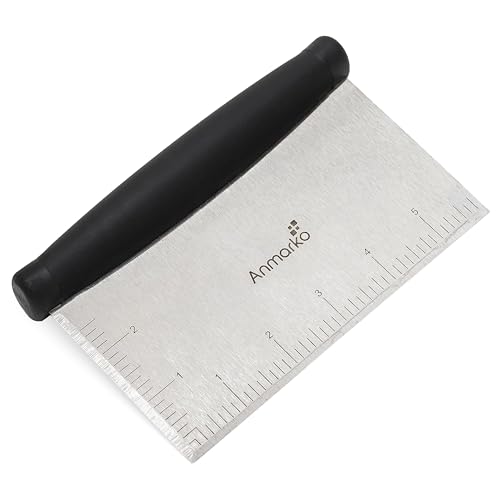
Bench scraper - is good for cutting cookie dough and pastry dough sectioning pie crusts, chopping salad and vegetables as well as griddle grill accessories for your home kitchen or backyard barbecue .

What you receive: You will receive 4 hot handle holders, a good combination and practical kitchen tools to meet your use; Color: as shown in the picture, be careful of high temperature fire when using