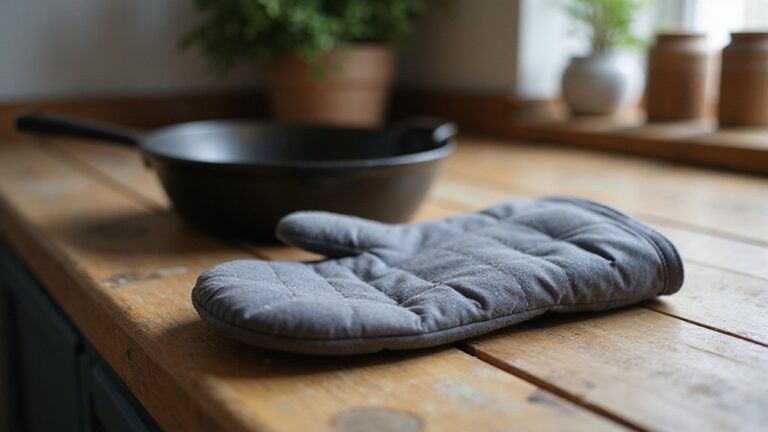
Yes, you can safely cook with water in a cast iron skillet, especially briefly. Quick water exposure during cooking or cleaning won’t harm well-seasoned pans. However, prolonged moisture combined with acidic foods compromises your seasoning layer and accelerates rust formation. The key is immediate drying and proper maintenance afterward. To protect your investment long-term, understanding moisture management and the best protective techniques becomes essential for peak pan performance.
Understanding Cast Iron Seasoning and Water Exposure
When you cook with water in cast iron, you’re engaging with a surface whose protective properties depend entirely on seasoning—a polymerized oil layer that bonds to the metal through high heat. This layer fills microscopic crevices, creating a hydrophobic barrier that prevents rust. However, water exposure can compromise this protection by penetrating the seasoning and promoting oxidation. You needn’t fear seasoning myths suggesting water destroys your pan instantly. Brief water contact during cooking or cleaning won’t harm properly polymerized seasoning. The real risk emerges from prolonged water exposure combined with acidic foods, which degrades the protective layer. Additionally, when cared for properly, cast iron skillets can actually leach dietary iron into your food, potentially offering health benefits. Proper care after each use, such as thorough drying and oiling, is essential to maintain this protective layer. Understanding this distinction helps you cook confidently while maintaining your cast iron’s durability through proper drying and immediate oiling after water exposure.
Short-Term Water Use and Safe Cooking Methods
As long as your cast iron’s seasoning remains intact, you’ll find that brief water exposure during cooking and cleaning poses minimal risk to your pan’s durability. Quick rinsing followed by thorough drying effectively prevents rust formation while maintaining your seasoning layer. It is vital to remember that proper cleaning techniques play a crucial role in preserving your skillet’s longevity.
Steam cooking and moisture management require strategic approaches. Preheat your skillet before adding water-based foods to enhance performance and reduce sticking. Short-duration cooking methods like steaming vegetables or deglazing are entirely feasible with proper seasoning. Use wood utensils to protect the polymerized coating during these processes. Additionally, using modern dish soaps can aid in cleaning stubborn food residue without harming the seasoning.
However, avoid prolonged simmering with acidic liquids, which compromises seasoning and risks iron leaching. After any water exposure, immediately dry your pan using stovetop heat or towels. This maintenance practice guarantees your seasoning barrier remains robust and protective against rust formation.

Easy Cleanup Tool: The Lodge Scrub Brush is designed to help tackle stubborn food residue and simplify cast iron cookware cleanup

Scrubs without soap to preserve seasoning and protect surfaces

EARTH FRIENDLY MATERIALS: Crafted with a bamboo handle and recycled plastic for environmentally friendly cleaning.
The Risk of Prolonged Water and Acidic Cooking
While short-term water exposure poses minimal danger to well-seasoned cast iron, prolonged contact with moisture and acidic liquids fundamentally compromises your pan’s protective barrier. Extended simmering of acidic foods like tomatoes or vinegar penetrates your seasoning layer, exposing raw iron to oxidation and rust formation. This degradation weakens your cooking surface, causing flaking that potentially contaminates your meals with seasoning fragments. Additionally, cooking vegetables before adding eggs, much like how it’s done in frittata preparations, can help maintain the integrity of your cast iron’s surface.
Prolonged acid exposure increases iron leaching into food, altering flavor and nutritional content. Constant moisture from extended cooking times accelerates corrosion, requiring frequent re-seasoning to maintain integrity. Quick acidic applications—such as deglazing—pose minimal risk compared to slow simmering. For extended acidic cooking, enamel-coated cast iron offers superior resistance. Prioritize preventing rust formation by limiting prolonged water and acid contact, then immediately dry and oil your pan afterward. Additionally, using cast iron allows for greater heat retention, which is vital for achieving the perfect sear on steaks.

【Premium Enameled Cast Iron】Crafted from heavy-duty enameled cast iron,this 8 inch skillet offers superior durability, excellent heat retention, and even heat distribution. Ideal for long-lasting daily use, this frying pan is perfect for searing, sautéing, baking, grilling, and roasting a variety of dishes.

Moisture-Locking Lid: The Lodge Essential Enamel Braiser features a moisture-locking design ideal for broiling, braising, baking, or roasting
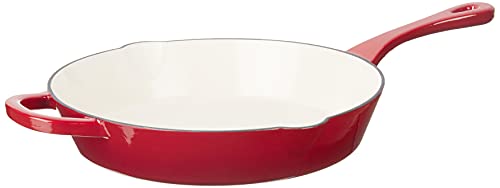
Distributes and retains heat evenly
Proper Cleaning Techniques After Water-Based Cooking
Properly cleaning your cast iron skillet after water-based cooking is essential to maintaining its seasoning and preventing rust formation. Your post cooking techniques should prioritize immediate action while the pan remains warm. Rinse with hot water using a non-abrasive sponge, then apply mild dish soap for stubborn residue. Avoid prolonged soaking, which promotes corrosion. Water cleaning methods require thorough drying—use paper towels immediately, then apply low heat on your stovetop for complete moisture removal. To further protect your skillet, consider applying a thin layer of light olive oil to the cooking surface while warm, spreading evenly and wiping excess to prevent stickiness. This re-seasoning step restores your skillet’s protective coating and maintains its longevity. Additionally, using a coarse kosher salt as an abrasive can effectively help remove stuck-on food without damaging the skillet’s surface.
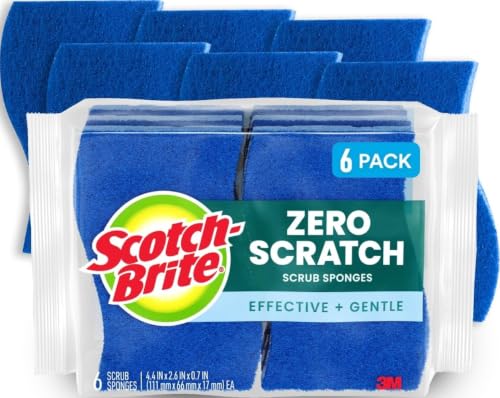
SIX SCRUBBING SPONGE: This pack of Scotch-Brite Zero Scratch Scrub Sponges includes 6 sponges

NINE SCRUBBING SPONGES: This pack of Scotch-Brite Zero Scratch Scrub Sponges includes 9 sponges

THREE SCRUBBING SPONGES: This pack of Scotch-Brite Delicate Clean Scrub Sponges includes three dish sponges
How Water Affects Seasoning Durability Over Time
Your cast iron’s seasoning layer doesn’t disappear simply because you’ve used water during cooking and cleaning—but understanding how water interacts with your skillet’s protective coating over extended periods reveals why post-cleaning drying habits matter so much. Moisture impact accelerates oxidation when you allow water to linger on the surface. Rust formation begins in microscopic pores where seasoning coverage remains incomplete, undermining your skillet’s protective integrity. Regular maintenance is critical to seasoning longevity, as it involves immediate drying after water exposure. The hydrophobic polymerized oil layer repels brief water contact, but prolonged moisture penetrates micro-holes, initiating oxidation beneath the surface. Additionally, it’s essential to remember that proper seasoning must be maintained to ensure your skillet retains its optimal cooking performance over time. Rust removal strips existing seasoning, creating a deterioration cycle. Your drying routine directly determines whether water temporarily compromises or permanently damages your skillet’s seasoning durability.
Safety Considerations When Using Water in Cast Iron
Although water poses minimal food safety risks to cast iron cookware, it creates genuine hazards you should understand before cooking with liquid-based dishes. The primary concern isn’t contamination—well-seasoned cast iron prevents undesirable iron leaching—but rather the physical dangers inherent to the cookware itself. Cast iron retains and releases heat slowly, creating significant burn risks when you’re handling hot pans or touching retained moisture. The cookware’s substantial weight poses dropping hazards, particularly on glass stovetops where impact can cause breakage. Water exposure also threatens the skillet’s integrity; prolonged contact accelerates rust formation and degrades your seasoning layer. Proper cleaning and maintenance are crucial to prolonging the life of your cast iron. You’ll minimize these risks by preheating before adding water, ensuring quick evaporation, and immediately drying your cast iron afterward. Proper handling and moisture management protect both you and your cookware. Additionally, following techniques for searing the ribs can enhance your overall cooking experience by achieving rich flavors while managing moisture effectively.
Best Practices for Maintaining Your Cast Iron Skillet
Since cast iron’s durability depends almost entirely on consistent maintenance, you’ll want to establish routines that protect your skillet’s seasoning and prevent deterioration. After each use, clean your pan with warm soapy water and a non-abrasive pad immediately following cooldown. Dry thoroughly with a towel, then briefly heat the skillet to evaporate all moisture, including areas under the rim. Apply a light oil coating to create a moisture barrier that prevents oxidation and rust formation. Remember to avoid soaking the skillet, as this can damage the seasoning. Regular use and proper maintenance help build and preserve your skillet’s seasoning. Store your pan in a cool, dry environment with plastic separators between pieces to verify airflow. Perform a seasoning refresh several times yearly by baking thin oil layers in the oven, reinforcing your pan’s nonstick surface and protective coating.

YOUR NEW GO-TO SEASONING SPRAY: The Lodge Seasoning Spray is the perfect seasoning spray to maintain your cast iron cookware. It is made of 100% canola oil - no additives or propellants, to protect your cookware and enhance its finish.
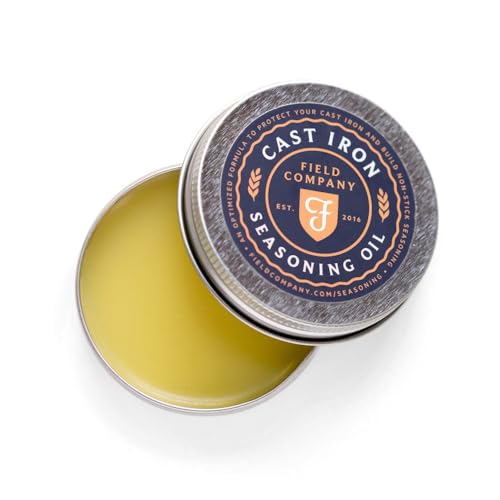
HOW TO USE: The key to naturally nonstick cast iron cookware? Cook often, and apply Seasoning Oil every time you clean your pan. Clean your cast iron with soap and a brush, then use a chain mail scrubber to smooth out existing seasoning layers. Apply a dab of Seasoning Oil and spread it thinly over the surface with a paper towel or clean rag. Wipe away excess oil to leave a dry, matte finish.
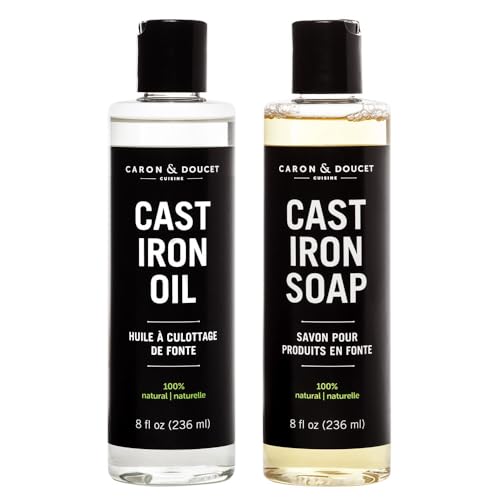
CLEANS CAST IRON | Includes our Cast Iron Soap unlike detergent based soaps, this soap is formulated with 100% natural plant-based oils & free of sulfates, phosphates, parabens & petrochemicals! Gentil on cast iron seasoning & on your hands!