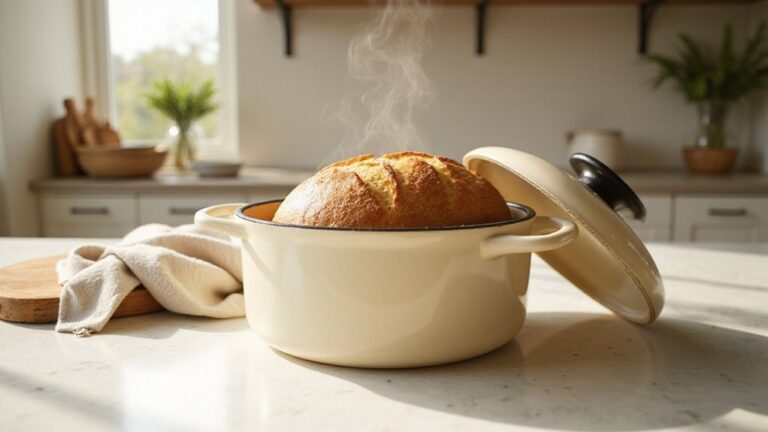
You’ll start by evaluating your Dutch oven’s condition, then gather steel wool, vinegar, and baking soda. Soak it in a 50/50 water-vinegar solution to loosen rust, then scrub with wire brushes or steel wool. For deeper pitting, consider electrolysis or Evapo-Rust. After thorough rinsing and heat-drying at 300–450°F, apply thin oil coats and bake to re-season. Store it dry to prevent future corrosion. The specific techniques vary greatly based on your rust severity.
Assessment and Preparation for Rust Removal
Before you’ll need to thoroughly assess your Dutch oven’s condition and gather the proper supplies. Start with a damage inspection, examining the pot for cracks, chips, warping, or structural weakness across the body, lid, handles, and rim. Check for loose debris, old seasoning, and food residue requiring removal. Document the initial state with photos for reference.
Next, assemble your cleaning supplies: steel wool, stiff brushes, abrasive pads, dish soap, baking soda, white vinegar, clean cloths, paper towels, and aluminum foil. Select a high smoke point oil like flaxseed, canola, or grapeseed for re-seasoning. Having everything ready prevents interruptions during restoration. Take time identifying any manufacturer markings that aggressive cleaning might affect, ensuring you’ll preserve valuable information while effectively removing rust and old seasoning layers. Additionally, consider soaking your Dutch oven in a 50/50 water and vinegar solution to help loosen rust and buildup effectively before scrubbing. This method can help make the process of removing the old seasoning and rust much easier, particularly if you are aiming for a full restoration using multiple seasoning rounds.
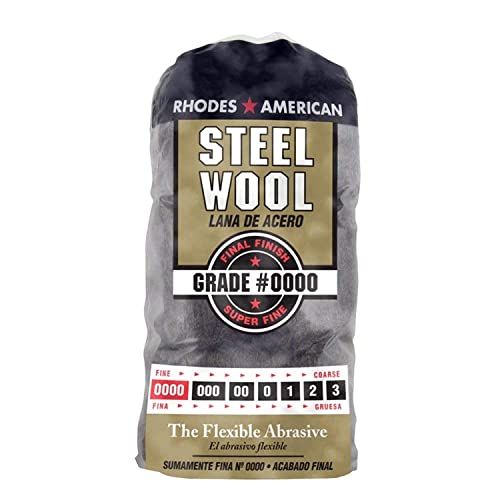
Steel wool super fine grade #0000 used in cleaning, polishing, buffing and refinishing

CUTS GREASE: Effectively removes tough grease and grime from cookware and surfaces
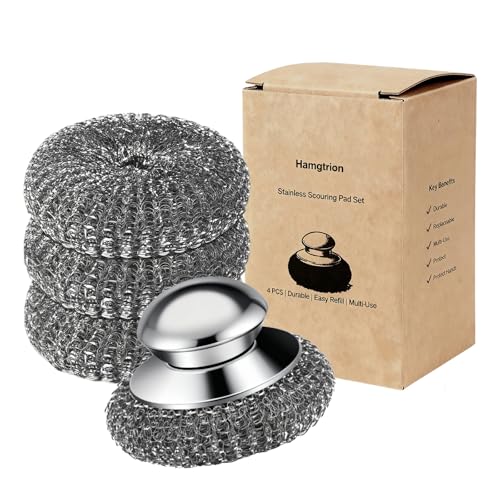
【Upgraded Design with Handle for Safe & Effortless Cleaning】 Say goodbye to messy hands and wasted pads! Our innovative steel wool scrubber features a comfortable handle, offering a secure grip and protecting your hands from grease and debris. This stainless steel scrubber is the ultimate replacement for traditional, unwieldy metal scrubber pads, making tough cleaning tasks simple and hassle-free.
Identifying Surface Rust Versus Deep Pitting
Now that you’ve gathered your supplies and inspected your Dutch oven’s overall condition, you’ll need to distinguish between surface rust and deep pitting to determine your restoration approach. Surface rust appears as a uniform, reddish-brown powdery layer that you can easily wipe or scrub away with steel wool. The underlying iron remains smooth and intact. Deep pitting, conversely, creates irregular craters and depressions that feel rough and uneven to the touch. These permanent indentations won’t disappear with cleaning. Run your fingers across suspicious areas—surface rust feels relatively smooth, while pitting feels cratered. Examine the texture visually too. Surface rust indicates salvageable cookware requiring standard restoration. Deep pitting suggests compromised durability and potential cooking performance issues, warranting careful consideration before proceeding.
Gathering Essential Materials and Tools
Successfully restoring your rusty Dutch oven requires assembling the right combination of cleaning supplies, abrasive tools, and protective materials before you begin working. Your material selection should include dish soap, soft sponges, Bar Keeper’s Friend, baking soda, and diluted white vinegar for initial cleaning phases. For tool organization, gather coarse steel wool, metal scouring pads, wire brushes, and metal scrapers to address rust buildup systematically. You’ll also need safety equipment including heat-resistant gloves and adequate ventilation setup. Additionally, consider using a light coat of oil after cleaning to preserve the surface during the restoration process. Finally, stock seasoning materials like Liquid Crisco or food-grade mineral oil, salt, and lint-free cloths for protective coating application. Having everything organized and accessible before starting guarantees efficient restoration without interruptions or ineffective substitutions. Additionally, ensure your thermometer can withstand high heat, as these are essential for monitoring temperatures during the cleaning and seasoning processes in order to maintain an effective high-temperature gauge.

Pack of 12 steel wool pads

2 PADS OF 3 GRADES EACH: 2 Each of Fine, Medium & Coarse

Steel wool medium coarse grade #2 used in cleaning, polishing, buffing and refinishing
Techniques for Effective Rust Removal
With your materials and tools properly organized, you’re ready to tackle the rust removal process itself. You’ll find effective techniques vary based on rust severity. For surface corrosion, wire wheels and cup brushes work efficiently on cast iron. Hand sanding with fine steel wool suits light spots without aggressive damage. Dual-action sanders with variable speeds offer versatility across different areas. For deeper rust, combine mechanical methods with chemical solutions like Evapo-Rust or vinegar soaking to dissolve embedded corrosion. The process can be further enhanced by utilizing electrolysis cleaning methods, which effectively remove rust buildup from cast iron. Work in small sections, applying moderate pressure to prevent material loss. Clean between passes with compressed air to reveal remaining rust spots. Progress through successive abrasive grades, shifting from coarse removal to fine finishing for professional results. Additionally, it’s important to ensure that your Dutch oven’s lid fits tightly during cleaning, as the tight-fitting lid plays a crucial role in cooking evenly and retaining flavors.
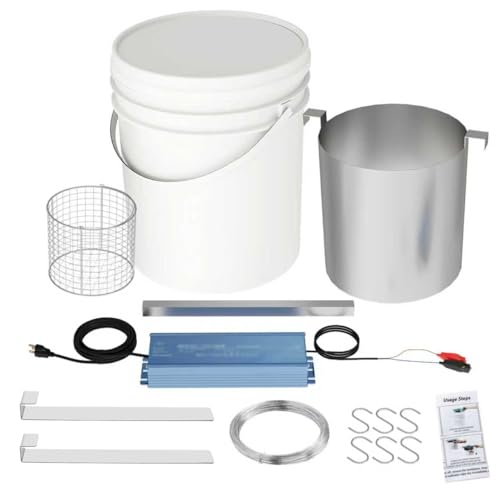
Gentle Rust Removal: Electrolysis kit for metal only removes the rust layer without damaging the metal surface, protecting the metal integrity and extending the life of the tool

Support Local: By choosing Hickory Summit, you’re supporting a US-based, family-owned small business backed by the SBA. Enjoy trusted quality and exceptional service with every order.

EVAPO-RUST RUST REMOVER: Evapo-Rust effortlessly removes rust from automotive parts, hardware, tools, cookware, and antiques without any scrubbing or sanding.
Soaking and Scrubbing Methods
Immersing your Dutch oven in chemical or natural solutions dramatically accelerates rust removal by loosening corrosion’s grip on the cast iron surface. You’ll prepare soaking solutions using either distilled white vinegar diluted 1:1 with warm water or baking soda mixed with dish soap. Limit vinegar soaking to under 2 hours, checking rust flaking every 15-30 minutes by scratching gently with your fingernail. Additionally, scrubbing techniques such as using coarse steel wool or stiff-bristled brushes combined with dish detergent will effectively break down remaining rust. After cleaning, it is important to dry thoroughly to prevent moisture from causing further rust. Once rust begins flaking, remove the pan immediately and rinse thoroughly. Your scrubbing techniques should employ coarse steel wool or stiff-bristled brushes combined with dish detergent to break down remaining rust. For stubborn deposits, apply an oil and salt paste, rubbing firmly across interior and exterior surfaces. Finally, dry your Dutch oven completely using heat to prevent flash rusting before seasoning.
Cleaning Process Post-Rust Removal
After you’ve loosened and removed the bulk of rust through soaking and scrubbing, your Dutch oven requires a systematic cleaning regimen to eliminate all residual corrosion, debris, and contaminants before re-seasoning. Your cleaning techniques should focus on thorough rinsing to expunge all vinegar, salt, and oil residues. Additionally, consider using the boiling water method for tough residues left on the surface. Heat-dry the Dutch oven at 300–450 degrees for 10 minutes, ensuring complete moisture removal that prevents flash rust formation. These restoration processes demand meticulous attention to detail. Conduct an extensive post-cleaning inspection, examining all surfaces for remaining rust or debris. Apply coarse steel wool to any stubborn spots requiring spot treatment. Verify that bare metal areas are smooth and residue-free, confirming your Dutch oven’s readiness for re-seasoning application. Remember, the seasoning process is crucial for maintaining your Dutch oven’s natural non-stick properties and preventing future rust.
Washing and Drying Your Dutch Oven
Once you’ve completed the rust removal and initial inspection, thoroughly rinsing your Dutch oven becomes the critical next step in eliminating all residual cleaning agents, loose rust particles, and debris before proceeding to heat-drying. Use warm water and non-abrasive cleaning tools to remove all contaminants without damaging the metal surface. For regular cleaning, you can use soap and warm water to ensure a thorough cleanse. Multiple rinses may be necessary depending on rust severity. After rinsing, immediately dry with lint-free cloths to prevent flash rusting. For ideal moisture removal, employ oven drying techniques by placing your Dutch oven in a preheated 300–450°F oven for 10–20 minutes. This heat-drying method evaporates moisture from microscopic pits where rust initiates. Additionally, ensuring that your Dutch oven is thoroughly dried after washing can help mitigate future rust issues. Avoid air drying alone, as prolonged dampness accelerates rust formation on cast iron’s porous surface.
Re-Seasoning the Dutch Oven
Your thoroughly dried Dutch oven now requires seasoning to restore its protective coating and prevent future rust formation. Begin by selecting appropriate seasoning oils like Crisco shortening, vegetable oil, or lard, which offer high smoke points and even coverage. Apply thin, uniform coats across all surfaces—interior, exterior, lid, and handles—using a cloth to prevent pooling. If you’re planning to use your Dutch oven for making Delicious Dutch Oven Desserts, be sure to seal it properly during the seasoning process.
Position your Dutch oven upside down in the oven for ideal heat circulation. Heat management is critical: start at 300-350 degrees Fahrenheit for 15-20 minutes to remove residual moisture, then maintain that temperature for one to two hours for the main seasoning bake. This process creates a natural, healthy non-stick surface that improves with use and care.
After cooling to a safe temperature, buff away excess oil with a clean cloth. Repeat this process multiple times to build progressively thicker, more durable protective layers.

Mild and Easy: Grapeseed Oil is at its best in stir-fries and sautés; it doesn't overwhelm other ingredients and lets fresh flavors shine. When grilling or frying, it is a must-have in the pantry.

100% GRAPESEED OIL BULK SIZE: Expertly crafted by The Olive Oil People using wine grape seeds imported from France

Healthy High Heat Oil: Expeller-pressed from fresh avocados and protected in our iconic light-blocking tin, this smooth, neutral oil preserves freshness and flavor. Fire up the grill, sear the perfect steak, or master a golden, crispy fry — all without losing the natural taste of your ingredients. With a high smoke point and everyday versatility, Sear & Sizzle should be every kitchen’s secret weapon.
Maintenance Tips to Prevent Future Rust
Since moisture accelerates rust formation, you’ll want to dry your Dutch oven immediately after washing—don’t let it air-dry. Place it on low heat to evaporate residual moisture, then wipe all surfaces with a soft cloth. For added assurance, warm it in the oven briefly. Maintaining your Dutch oven properly can help ensure its longevity while preventing issues like enamel damage that could lead to rust. Regular use helps build and maintain the Dutch oven’s natural nonstick seasoning, which is crucial for its performance.
Your preventive care strategy should include storing the Dutch oven in cool, dry locations away from humidity sources like sinks and dishwashers. Use breathable covers rather than sealed plastic bags, which trap moisture and promote rust.
Implement routine checks by inspecting the rim, handle, and exterior regularly for rust signs or water spots. Address minor rust immediately. Periodically apply thin oil layers to vulnerable areas. Additionally, avoid stacking items inside and use wooden utensils to protect the seasoning.

Made of cast iron and seasoned with natural vegetable oil. Excellent in heat retention and even heating

YOUR NEW GO-TO LID LIFTER: The Lodge Camp Dutch Oven Lid Lifter keeps outdoor cooking safe and fun. It allows you to easily lift hot lids off your dutch oven as well as transport your dutch oven from an open flame to your table.

【Collapsible 4 tier Cooling Rack】 Features a sturdy construction with a collapsible & adjustable design. Geesta wire cooling rack works works well for everything, from small items like cupcakes and muffins to large pies and cakes of significant weight.
Troubleshooting Severe Rust and Damage
When rust penetrates beyond surface level, you’ll need to employ specialized removal techniques tailored to the severity of corrosion. Electrolysis tanks effectively eliminate heavy rust from cast iron, while steel brush drill attachments mechanically strip thick layers before chemical treatment. For moderate to heavy rust damage, soak your Dutch oven in alfalfa hay and apple cider vinegar solution for 24–48 hours. It’s essential to remember that short soaks in vinegar can help minimize damage while restoring rusted surfaces.
Restoration challenges emerge when deep pitting develops. Severe pitting harbors bacteria and compromises cooking performance, potentially requiring professional restoration or replacement. Aggressive scrubbing or chemical use can create new pits, further thinning metal and reducing durability. Visual inspection after cleaning determines whether damage is cosmetic or structural. If your Dutch oven exhibits extensive pitting, cracks, or fails to hold seasoning, replacement becomes the safest option. It’s worth noting that using products like Evapo-Rust can be safe for cooking supplies when properly applied to remove rust without risking food contamination.