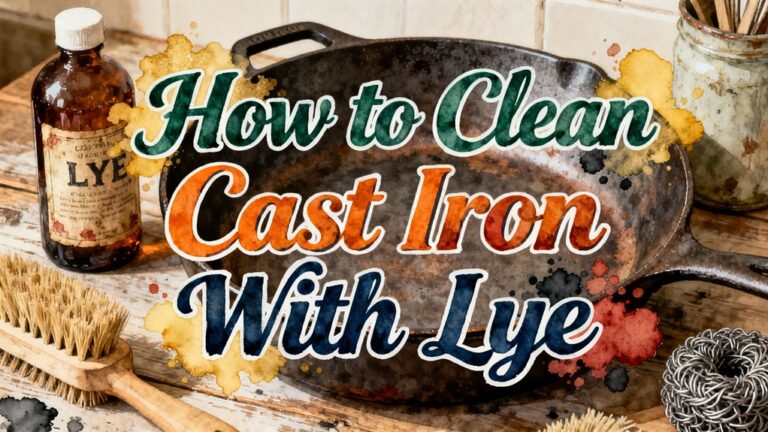
Yes, you can safely use oven cleaner on cast iron skillets. You’ll want to choose a sodium hydroxide-based aerosol formula like Easy-Off Heavy Duty™ for best results. The lye breaks down carbonized buildup and old seasoning through saponification. Always wear thick rubber gloves, work outdoors, and use a respirator mask for protection. Soak your skillet one to four days depending on buildup severity, then re-season thoroughly. However, there’s much more to understand about proper technique and when alternative methods might serve you better.
Why Oven Cleaner Works on Cast Iron
Because oven cleaner contains lye (sodium hydroxide), it’ll break down organic material like old seasoning and baked-on food through a process that doesn’t damage the cast iron itself. The chemical properties of lye react with fats and oils, converting them into soap-like substances you can easily rinse away. This saponification process dissolves carbonized residue effectively, eliminating stubborn buildup without excessive scrubbing.
You’ll notice superior cleaning efficiency compared to traditional methods because the cleaner penetrates deep into multiple layers of grime and seasoning. The chemical reaction accelerates in warm, moist environments—especially when you seal your pan in a plastic bag. Extended soaking time allows the lye to work through accumulated deposits, loosening rust and carbon with minimal physical effort required from you. Additionally, using oven cleaner is a powerful technique, akin to how Dutch ovens on stovetops can handle various cooking methods effectively.
Choosing the Right Type of Cleaner
When you’re ready to strip your cast iron skillet, selecting the right oven cleaner makes all the difference between efficient restoration and wasted effort. You’ll want aerosol formulas containing sodium hydroxide, as they adhere best to cast iron surfaces. Easy Off Heavy Duty™ remains the industry standard due to its thick, foamy consistency that maintains prolonged contact with seasoning and carbonized residue.
To ensure your skillet remains in excellent condition after cleaning and avoid damage, remember to always apply a light coat of oil to the exposed cast iron edges to protect them.
Avoid cleaners marketing themselves as “fume-free” or “no lye,” since these alternatives use less effective ingredients like ethanolamine. Store-brand options often contain lower lye concentrations, reducing efficacy. Check labels carefully to confirm sodium hydroxide as the primary active ingredient.
Regarding application tips, spray liberally across all surfaces and wrap your skillet in plastic to prevent evaporation. This guarantees maximum contact time and superior cleaning results. For optimal results, consider that proper reseasoning methods will restore your skillet after the cleaning process.

HEAVY DUTY CLEANING: Ideal for cleaning ovens/oven doors, broilers/broiler pans and barbecue grills.

HEAVY-DUTY GREASE REMOVAL - Fast-acting foam breaks down baked-on grease, grime, and carbon on contact—even on cold surfaces—reducing the need for heavy scrubbing

Powerful Fume-Free Formula – Cleans tough baked-on Food & Grease without harsh fumes.
Safety Precautions and Protective Gear
Before you apply oven cleaner to your cast iron skillet, you’ll need to establish a robust safety protocol—sodium hydroxide poses serious risks to your skin, eyes, and respiratory system if you’re not properly protected. Invest in thick rubber protective gloves that cover your wrists to shield against caustic burns. The ventilation importance can’t be overstated; work outdoors or in exceptionally well-ventilated spaces to minimize harmful fume inhalation. Wear a respirator mask over your mouth and nose for additional respiratory protection. Keep children and pets completely away from your work area during the entire cleaning process. Never mix oven cleaner with other household chemicals, as this creates toxic reactions. Store the cleaner in its original container, secured away from curious hands.

CHEMICAL RESISTANT GLOVES: Durable PVC coating protects against harsh chemicals, adhesives, detergents, and diluted bases and acids, making them ideal chemical gloves

Heavy-Duty Chemical Resistance: High-end nitrile gloves possess excellent chemical resistance, providing a tough barrier against harsh substances such as industrial solvents and cleaners, so you can handle lab work or heavy-duty tasks with confidence.

How to Apply and Contain the Cleaner
Now that you’re properly equipped with protective gear, applying the oven cleaner requires a methodical approach to maximize effectiveness while containing hazardous fumes and chemical runoff. Your spray technique should guarantee even coverage across the skillet’s surface, focusing on rust and buildup areas without pooling excess product. Double-bag the skillet in heavy-duty plastic to create an effective containment solution, sealing it tightly after application. Position the skillet flat inside the bag to maximize cleaner contact, rotating it occasionally during soaking. Keep the bagged skillet in a cool, well-ventilated area away from children and pets. After soaking completes, carefully remove the skillet and rinse thoroughly with cold water. Using warm water to clean your skillet helps to prevent further damage. Use a soft brush to remove loosened residue, then dry immediately to prevent oxidation. Additionally, ensure you remove rust effectively as it can lead to cooking issues later on.
The Soaking Process and Timeline
Once you’ve sealed your cast iron skillet in the plastic bag, the soaking duration becomes critical to balancing effective cleaning with surface preservation. You’ll typically need one to four days, depending on buildup severity. Light seasoning removal requires one to two days, while heavy rust or carbon necessitates longer soaking. Proper care and maintenance, particularly during the seasoning process, can greatly enhance the skillet’s longevity and performance.
Your monitoring process is crucial—inspect the pan every 24 hours without fail. Check for air bubbles during vinegar soaks, which signal chemical reactions eating the iron. Remove the skillet immediately if bubbles appear to prevent surface damage.
Don’t exceed recommended timeframes. Lye’s corrosive nature deteriorates cast iron integrity over extended periods. After each soak, wipe residue thoroughly before applying a second coat if needed. This disciplined approach guarantees effective restoration without compromising your skillet’s structural integrity. Additionally, using modern dish soaps can help in cleaning stubborn food residue on cast iron cookware.
Removing Buildup and Residue
Applying oven cleaner requires deliberate technique to maximize effectiveness while protecting yourself from lye’s caustic nature. You’ll spray or brush the cleaner across your skillet’s surface, ensuring complete coverage of buildup areas. The sealed bag method prevents the cleaner from drying out while the lye penetrates stubborn residue.
After soaking overnight, you’ll remove your skillet and rinse thoroughly with water. Employ proper cleaning techniques by scrubbing with non-abrasive pads or steel wool to lift remaining debris. Additionally, it is important to remember that lye does not remove rust, so you may need a separate solution for rust removal. These maintenance tips prove essential: inspect for leftover buildup and repeat the process if necessary. Complete rinsing removes all chemical traces before you proceed to re-seasoning. This methodical approach effectively dissolves baked-on carbon and old seasoning, maintaining the skillet’s seasoning and restoring your skillet’s surface.

YOUR NEW GO-TO ENAMELED CAST IRON CLEANER: The Lodge Enameled Cast Iron Cleaner will keep your enamel cast iron pans looking and cooking its best for generations. This gentle cleanser is entirely bleach and dye-free and specially designed to clean enameled cast iron, inside and out.

Bottle Size: 8. 45 fluid ounces (250ml)

YOUR NEW GO-TO ENAMELED CAST IRON CARE KIT: The Lodge 5 Piece Care Kit has all the essentials to use and care for your cast iron cookware. The set includes a 11oz Cleaner, Black Pan Scraper, Scrub Brush, Package of Pot Protectors, and Use & Care Booklet. This care kit will keep your enameled cast iron and stoneware pans looking and cooking its best for generations.
When Oven Cleaner Won’t Work
While oven cleaner works well for most cast iron restoration projects, you’ll encounter situations where chemical treatment alone won’t suffice. Heavy rust, deeply embedded carbonization, and thick baked-on seasoning layers resist standard oven cleaner applications. Skillets with cracks, chips, or multiple layers of old buildup present accessibility challenges that chemicals can’t overcome.
Dispelling common cleaning myths, understand that oven cleaner has genuine limitations. Burnt-on enamel, polymerized oils, and mineral deposits remain stubbornly resistant to chemical intervention. For these instances, using a baking soda paste can effectively help remove some of the baked-on buildup. You’ll need oven cleaner alternatives for severe cases. Consider electrolysis for rust removal, mechanical scrubbing with steel wool, or vinegar soaking to loosen deposits. For extensive damage, professional restoration services with specialized equipment provide superior results that home methods cannot achieve. Additionally, using natural methods like coarse salt and potato can effectively clean and condition your cast iron skillet without chemicals.
Restoring Your Skillet After Cleaning
After you’ve exhausted chemical and mechanical methods to remove rust and buildup, your stripped skillet requires careful restoration to regain functionality and longevity. You’ll begin skillet seasoning by coating your dried pan with Crisco while preheating your oven to 300 degrees. Wipe away excess oil thoroughly to prevent sticky residue. To build a durable, nonstick seasoning layer, it’s essential to bake the skillet upside down for optimal results. Bake for 15 minutes at 300 degrees, then increase temperature to 400 degrees for 1.5 to 2 hours. Allow the skillet to cool completely before handling. Repeat this seasoning cycle multiple times for best results. For rust prevention, apply a thin oil layer after each use and cleaning. Regular maintenance prevents future restoration needs and preserves your cast iron’s durability. To enhance the seasoning process, ensure it’s coated with coarse kosher salt after cleaning, which helps maintain its natural non-stick properties.

YOUR NEW GO-TO SEASONING SPRAY: The Lodge Seasoning Spray is the perfect seasoning spray to maintain your cast iron cookware. It is made of 100% canola oil - no additives or propellants, to protect your cookware and enhance its finish.

TLC for your griddle cooktop: All you need to build a slick, easy-release surface that's protected from rust and easy to work with using Blackstone griddle seasoning and cast iron conditioner
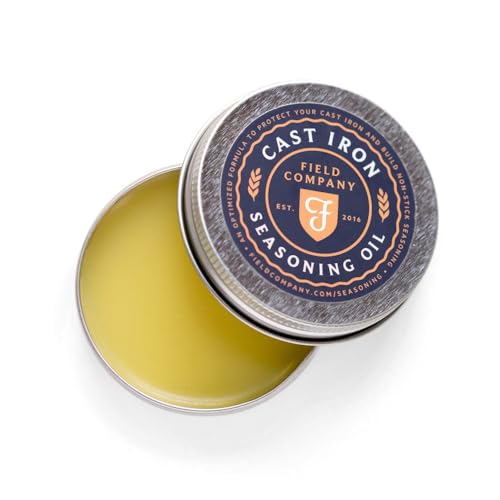
HOW TO USE: The key to naturally nonstick cast iron cookware? Cook often, and apply Seasoning Oil every time you clean your pan. Clean your cast iron with soap and a brush, then use a chain mail scrubber to smooth out existing seasoning layers. Apply a dab of Seasoning Oil and spread it thinly over the surface with a paper towel or clean rag. Wipe away excess oil to leave a dry, matte finish.