You can technically use a cast iron grill pan on your glass top stove, but it’s not recommended without precautions. Cast iron’s rough, textured bottom scratches glass surfaces easily, and its significant weight risks cracking if dropped or slid. Thermal shock from temperature fluctuations and uneven heat distribution create additional hazards. You’ll need to lift the pan carefully, inspect its condition thoroughly, and consider using a heat diffuser. However, understanding the specific risks and proper techniques can help you make an informed decision about your cookware.
Understanding Glass Top Stove Compatibility
Why are cast iron grill pans problematic on glass top stoves? Cast iron presents significant compatibility challenges with glass stove surfaces. Raw cast iron pans feature rough, unpolished bottoms that scratch glass easily. Their substantial weight increases crack risk if you drop or slide them across the surface. Additionally, cast iron’s uneven heat distribution can create localized pressure points, potentially causing thermal stress on the glass. When you place extremely hot cast iron on a cold glass stove—or vice versa—thermal shock becomes a serious concern. The thick construction of cast iron makes it durable but may not be suitable for delicate glass surfaces. The textured cooking surface of grill pans compounds these issues by trapping debris that can further damage the glass. Regular maintenance, including proper cleaning and drying, helps you make informed decisions about cookware selection for your glass stove.

【BASIC CAST IRON GRILL PANS】: Northriver Casting cast iron square grill skillet is fully made of high grade cast iron, has greater retention and distribution of heat to help you improve your cooking level and leave the perfect grill marks. Cast iron cookware release trace iron during the cooking process, which is conducive to health.

Steakhouse Sear At Home: The Lodge Square Cast Iron Grill Pan delivers high-heat searing and bold grill marks while channeling excess grease away

Nonstick & Easy to Clean: The Switzerland ILAG nonstick coating is very effective in preventing anything from sticking to the surface, even with minimal oil, and also makes cleaning a breeze, just wipe it with a paper towel or rinse it with water. Free of PFOA and PFOS.
Assessing Your Cast Iron Pan’s Condition
Before you place your cast iron grill pan on a glass top stove, you’ll need to assess its current condition thoroughly. Start with a rust evaluation by inspecting the surface for orange or reddish discoloration, rough texture, or pitting. Light surface rust requires scrubbing with kosher salt and a wet towel, while moderate rust demands soaking in a 1:1 vinegar-water solution. Additionally, if the rust is severe, you might want to consider using an electrolysis tank to restore the pan more thoroughly. Next, conduct a seasoning evaluation. A properly seasoned pan appears uniformly black and shiny with food releasing easily during cooking. If you notice patchy, dull areas, visible bare metal, or increased sticking, your pan requires reconditioning. Apply thin oil layers and bake at 375°F for one hour to restore seasoning. It’s important to ensure your pan is properly filled to prevent any issues during cooking. Confirm your pan’s flat bottom surface is smooth and clean before using it on your glass stovetop.
Weight and Structural Risks
Once you’ve confirmed your cast iron grill pan is in good condition, you’ll need to contemplate the significant structural challenges that heavy cookware poses to glass cooktops. Cast iron grill pans typically weigh ten pounds or more, creating concentrated pressure that can exceed your cooktop’s safe load thresholds. Proper weight distribution becomes critical—flat-bottomed pans distribute force more evenly than curved alternatives, reducing structural strain. However, impact force presents an equally serious concern. Dropping or roughly placing your grill pan risks immediate cracking and permanent damage. You must lower the cookware deliberately rather than setting it down with standard motions. Even minor careless handling can compromise your cooktop’s integrity irreversibly. Additionally, you should ensure that you avoid thermal shock by gradually heating both the pan and the cooktop together. To protect your glass cooktop, consider the excellent heat retention of Dutch ovens, which allows for even cooking and could reduce the need for heavy pans.
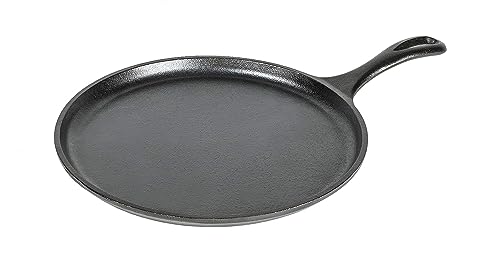
Pre-Seasoned & Ready to Use: The Lodge Cast Iron Griddle comes naturally pre-seasoned and ready to use for tortillas, pancakes, and more right from the box


Cast Iron Grill Pan: This 11-inch square grill pan, a part of Lodge's Chef Collection, is a durable cast iron pan ready to help you experiment in the kitchen like a pro
Preventing Scratches and Damage
Because cast iron’s rough surface can easily scratch tempered glass, you’ll need to take deliberate precautions to minimize contact damage. Start by inspecting your grill pan’s bottom for rough spots or unevenness. If necessary, sand progressively with finer grits to smooth the surface. Season the pan thoroughly—applying thin oil layers and baking at 400°F repeatedly creates a protective coating that reduces scratching risk. Additionally, ensuring proper refilling technique is crucial when using tools like butane torches to avoid accidental scratches and maintain your cooktop’s integrity.
Before each use, clean both your cooktop and pan bottom with a damp cloth to remove debris that could cause scratches. Always lift your grill pan instead of sliding it across the surface. Consider using a heat diffuser as a barrier between pan and glass. Additionally, improper use of tools like a butane torch can expose surfaces to unnecessary risk, similar to preventing scratches while maintaining your cooktop’s integrity. These practices work together for preventing scratches while maintaining cooktop integrity and extending your appliance’s lifespan.

Product: full heat sink for electric stove tops, brand new, pack of 4, each diffuser tripod measures approximately 3-3/4 inches X 3-3/4 inches

This stove top heat diffuser ring works with standard size burners. It firmly supports a wide range of small to medium cookware and cast iron pans and helps prevent sliding while cooking for safer operation. Please note this accessory is not intended for gas‑stove use
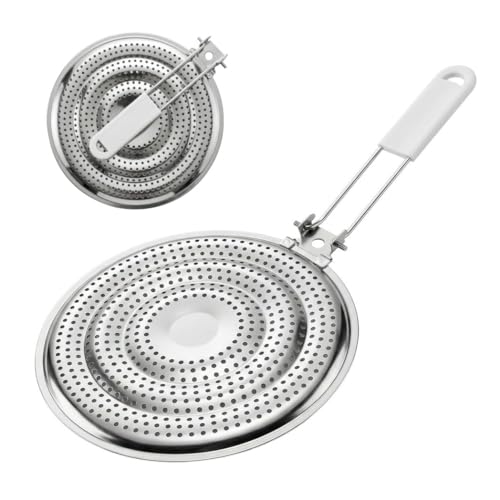
HIC Kitchen Heat Diffuser: Creates a flat cooking surface, distributes heat evenly, and reduces scorching in pans with hot spots
Temperature Management and Heat Performance
Using a cast iron grill pan on a glass cooktop presents distinct thermal challenges that differ considerably from gas or induction cooking. You’ll notice slower heat responsiveness requiring patient temperature adjustments and extended preheating periods. Cast iron’s exceptional heat retention capacity can trigger your cooktop’s safety limiters, causing automatic shutdowns that interrupt cooking. Once heated, the pan maintains high temperatures long after burner deactivation, complicating recipe timing adjustments. Additionally, be cautious of exceeding the safe operational thresholds for your cooktop, as the metal properties of cast iron can potentially lead to excessive heat that jeopardizes both your cookware and the cooktop.
To optimize performance, guarantee your grill pan’s flat bottom makes complete contact with the burner surface. Monitor heat carefully to prevent exceeding safe operational thresholds for cooktop components. Expect longer cooking times and experiment with burner settings to achieve consistent results. Success depends on your willingness to manage temperature proactively rather than relying on responsive heat control. Additionally, maintaining a properly seasoned cast iron surface can significantly improve nonstick capabilities, minimizing cooking complications.
Safe Handling Techniques
Safe handling of cast iron grill pans on glass cooktops demands meticulous attention to technique and protective measures. You must prioritize proper lifting when repositioning your cookware—never drag or slide the pan across the surface, as this causes scratches and potential glass damage. Your cookware placement requires equal care; guarantee the pan’s base aligns with the burner diameter to distribute heat evenly and prevent stress on the glass. Before cooking, clean your grill pan’s bottom thoroughly to remove carbon buildup that could abrade the surface. Additionally, using cast iron requires proper seasoning to maintain the non-stick surface and enhance its cooking performance. During cooking, refrain from shaking or shifting the pan; instead, use utensils to manipulate food within it. After finishing, immediately transfer the hot cookware to a cooling rack or trivet. This disciplined approach protects both your grill pan and cooktop from preventable damage. For those who enjoy outdoor cooking, using a cast iron skillet or Dutch oven can create delicious desserts that are perfect for camping trips.
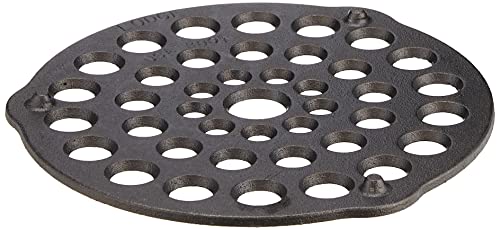
8-inch preseasoned cast-iron meat rack/trivet designed for all Lodge Dutch ovens 4 quarts or larger

WHAT'S IN THE BOX: One 12-inch pre-seasoned cast iron grill pan with Italian olive wood trivet

Pre-seasoned cast iron, reversible grill/griddle with user friendly handles; oven safe to 500 degrees Fahrenheit
Maintenance Practices for Longevity
Maintaining your cast iron grill pan demands consistent attention to cleaning, handling, and temperature management—practices that’ll extend both your cookware’s lifespan and your glass cooktop’s integrity. Establish regular maintenance schedules to inspect for cracks, chips, or wear that could scratch your cooktop. Apply seasoning techniques routinely by coating the pan with cooking oil, which prevents rust and reduces food sticking. Additionally, it’s essential to apply a thin coat of oil after cleaning to help maintain and build up the seasoning. Regularly check for rust and promptly address any signs of deterioration to ensure continued performance. Store your pan with a moisture barrier inside to absorb humidity. Avoid stacking heavy cookware on cast iron surfaces, as this causes chipping. Clean both pan and cooktop regularly to remove accumulated debris. Allow complete cooling before storage to prevent thermal stress, ensuring your grill pan remains reliable for years of dependable cooking performance.
When Porcelain Enamel Coating Makes a Difference
While consistent maintenance protects your cookware and cooktop from gradual wear, the material composition of your cast iron grill pan itself plays an equally important role in preventing damage. When you use porcelain enamel coating, you’re leveraging considerable enamel benefits that directly enhance cooking efficiency and safety. The smooth, glass-fused surface prevents direct metal-to-glass contact, greatly reducing scratch risk during placement and movement. Additionally, the coating doesn’t compromise heat retention—it actually promotes even heat distribution across your cooking surface, eliminating hot spots that could damage your cooktop’s temperature limiters. Moreover, using a cast iron skillet can increase iron content in your meals, offering potential health benefits. However, you must inspect your pan regularly for chips or cracks. Compromised coating exposes raw cast iron, which can immediately scratch your glass top. Remember that proper maintenance is essential to ensure the longevity and performance of your cookware. Verify your specific pan’s compatibility with your stove before use.
Superior Alternative Cookware Options
Because cast iron’s weight and texture pose inherent risks to glass cooktops, you’ll want to explore cookware specifically engineered for this application. Lightweight cookware constructed from stainless steel, aluminum, or hybrid materials offers superior safety without sacrificing performance. Flat bottom options guarantee peak heat distribution and maximum contact with your cooktop surface. Stainless steel clad cookware provides exceptional versatility for searing and oven-roasting while remaining scratch-resistant. Ceramic nonstick alternatives like GreenPan Valencia Pro deliver easy maintenance and require lower operating temperatures, reducing stress on glass surfaces. Copper pans, though incompatible with induction cooktops, excel at rapid heat responsiveness for delicate recipes. Carbon steel options such as Merten & Storck combine lightweight construction with pre-seasoned convenience, making them ideal replacements for cast iron on glass stoves. Additionally, using cookware with higher emissivity ratings can help achieve accurate temperature readings when preparing food.

CONFIDENCE IN EVERYDAY COOKING — Proven, dependable performance for everyday cooks looking to upgrade worn nonstick kitchen pans. This stainless steel pan features an uncoated surface with nothing to chip or wear, plus a lifetime warranty.

CONFIDENCE IN EVERYDAY COOKING: This Cuisinart Chef’s Classic stainless steel cookware set brings together pots and pans for searing, simmering, boiling and steaming, with glass lids to monitor food as it cooks and a steamer insert for vegetables. Backed by a lifetime warranty.
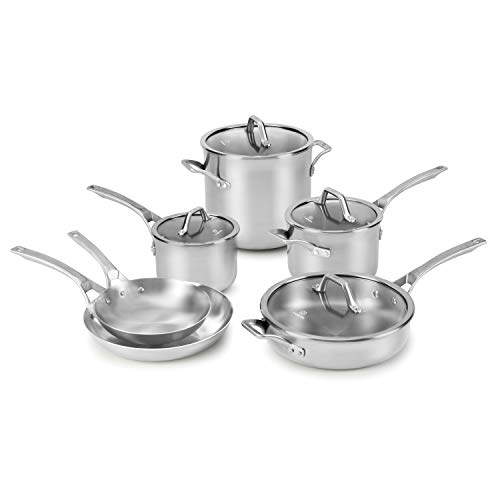
Even-Heat Distribution: Triple-layer aluminum core for exceptional browning, searing, and sautéing
Checking Manufacturer Guidelines Before Use
Before you use cast iron on your glass top stove, you’ll need to consult your appliance’s manufacturer guidelines—they’re your primary resource for understanding what cookware’s actually safe for your specific model. Your manual specifies compatible cookware types and establishes weight limits to prevent physical damage. Most manufacturers explicitly warn against raw cast iron due to scratching and cracking risks, recommending porcelain enamel-coated alternatives instead. Review cookware safety requirements regarding bottom flatness and smoothness. Check whether your manual advises lifting rather than sliding cookware across the surface. It’s important to ensure the bottom of cookware is smooth to prevent damage to your stove. Document any specific restrictions about cast iron use, as ignoring manufacturer recommendations voids your warranty and risks costly damage. Additionally, be aware that enameled cast iron can be a safer option for glass top stoves due to its smooth surface and durability. Take time to verify these guidelines before introducing cast iron to your cooktop.