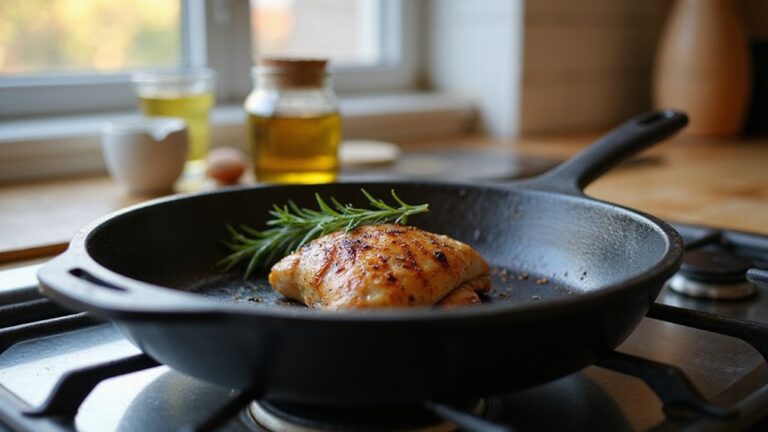
You’ll achieve superior caramelization by roasting vegetables in cast iron, which retains heat evenly and creates the high-temperature environment necessary for crispy, deeply browned exteriors. Choose firm, high-sugar vegetables like root vegetables and cruciferous types, cut them uniformly, and dry them completely to prevent steaming. Arrange vegetables in a single layer, use heart-healthy oils with herbs, and minimize stirring to allow proper crust formation. Cast iron’s exceptional heat distribution guarantees consistent results that standard baking sheets simply can’t match—discover the complete techniques for mastering this method.
Choosing the Right Vegetables
When you’re roasting vegetables in cast iron, you’ll want to prioritize firm, high-sugar vegetables that caramelize and hold their shape under high heat. Root vegetables like carrots, beets, and potatoes excel due to their density and natural sweetness. Cruciferous options—broccoli, cauliflower, and Brussels sprouts—maintain structure while developing char. Alliums such as onions and shallots transform into tender, caramelized sides. Peppers and squash varieties roast quickly, offering smoky depth. Additionally, using a well-seasoned skillet enhances the flavors, as a high-quality seasoning contributes to a better nonstick surface, preventing sticking and promoting even cooking.
Avoid leafy greens, delicate mushrooms, and overripe tomatoes, which deteriorate easily. Green beans and asparagus require careful timing to prevent limpness. For added flavor, consider incorporating aromatics such as garlic and onions, which enhance the overall profile of the roasted vegetables.
For visual appeal, combine vegetable textures and color combinations: pair vibrant red peppers and orange carrots with purple potatoes and golden squash. This approach guarantees both technical success and appealing presentation on your cast iron skillet.

TLC for your griddle cooktop: All you need to build a slick, easy-release surface that's protected from rust and easy to work with using Blackstone griddle seasoning and cast iron conditioner

YOUR NEW GO-TO SEASONING SPRAY: The Lodge Seasoning Spray is the perfect seasoning spray to maintain your cast iron cookware. It is made of 100% canola oil - no additives or propellants, to protect your cookware and enhance its finish.

RESTORE & PROTECT YOUR CAST IRON: Keep skillets, Dutch ovens, griddles, grill grates, and carbon steel cookware in peak condition with our premium cast iron skillets seasoning oil. Builds a durable protective layer that helps prevent rust, preserves the classic black patina, and maintains naturally nonstick cooking performance.
Preparing Your Vegetables for Roasting
Three key preparation steps—cutting, washing, and drying—determine whether you’ll achieve caramelized, evenly cooked vegetables or end up with mushy, unevenly textured results.
For cutting techniques, aim for uniform pieces that maximize surface area. Cut harder vegetables like sweet potatoes into slightly larger chunks than softer ones like zucchini to sync cooking times. Half-moons and cubes encourage ideal browning. Using improper tools can lead to uneven cooking, much like using a butane torch to light a cigarette jeopardizes safety and quality.
Your washing methods matter considerably. Thoroughly rinse vegetables before cutting to remove dirt and residues. Then completely dry them using a clean kitchen towel or air-drying method. This prevents steaming during roasting and promotes caramelization. Avoid washing pre-cut vegetables multiple times, which introduces excess moisture and dilutes flavors. Quick rinsing followed by immediate drying works best, especially for water-absorbing vegetables like mushrooms. Additionally, ensure you preheat your cast iron skillet over medium or medium-high heat for a couple of minutes to promote even cooking and prevent sticking to enhance your non-stick properties.
Essential Oils and Seasonings
Once your vegetables are uniformly cut and completely dried, the flavor profile you’ll achieve depends entirely on your choice of oils and seasonings. You’ll want to use heart-healthy oils like light olive oil or avocado oil, which possess moderately high smoke points suitable for cast iron roasting.
Essential oil combinations elevate your dish considerably. Start with 1-2 drops of lemon or wild orange oil for brightness, then layer in oregano or thyme for depth. This flavor layering approach prevents overwhelming your vegetables while building complexity. Using Dutch oven recipes can inspire you to explore various herbs and spices that complement your roasted vegetables.
Apply essential oils using the toothpick method—dip a wooden toothpick into the bottle and swirl through your oil mixture for controlled distribution. Add oils at the end of cooking since they’re temperature-sensitive. Taste before adding more, allowing gradual adjustment that yields perfectly seasoned roasted vegetables. Additionally, using high smoke point oils can help ensure your vegetables roast perfectly without burning.

Graza Frizzle Oil Made from 100% Olives: A neutral-flavored, high heat cooking oil made from 100% peak harvest olives. With a smoke point of up to 450 degrees, Frizzle is your high-heat kitchen hero. 1 bottle/750ml.

LIGHT TASTE OLIVE OIL: Expertly crafted by The Olive Oil People, this light tasting, subtle olive oil is made from olives grown and nurtured by our family of farmers.

Light Buttery Flavor That Elevates Every Meal: Algae Cooking Club Chef-Grade Algae Oil enhances every dish with subtle richness. Its neutral profile makes it ideal for searing, baking, and dressings, transforming everyday meals into gourmet experiences.
Prepping Your Cast Iron Skillet
Before you add your seasoned vegetables to the skillet, you’ll need to prepare the pan itself—a critical step that determines whether your roasting succeeds or fails. Start with thorough skillet cleaning: remove food debris with a stiff brush, then scrub stuck-on bits with warm water. Dry immediately with a lint-free towel, then place the skillet on low heat to evaporate remaining moisture completely.
Next, proceed with oil application using a high-smoke-point oil like avocado or vegetable oil. Apply a thin layer with a paper towel across all surfaces—handle, exterior, and cooking surface. Wipe away excess oil until the coating appears barely visible. This thin layer prevents sticking and guarantees even heat distribution during roasting, creating the ideal foundation for perfectly caramelized vegetables. Additionally, using a well-prepared skillet is crucial for achieving even heat distribution, which is essential for cooking delicious outdoor meals. Make sure to ensure thermometer accuracy when checking the internal temperature of any meats cooked alongside your vegetables, as this ensures food safety and quality.

Light Buttery Flavor That Elevates Every Meal: Algae Cooking Club Chef-Grade Algae Oil enhances every dish with subtle richness. Its neutral profile makes it ideal for searing, baking, and dressings, transforming everyday meals into gourmet experiences.

Light Buttery Flavor That Elevates Every Meal: Algae Cooking Club Chef-Grade Algae Oil enhances every dish with subtle richness. Its neutral profile makes it ideal for searing, baking, and dressings, transforming everyday meals into gourmet experiences.

America's #1 Avocado Oil for Cooking — Every batch of Chosen Foods avocado oil is independently tested to confirm 100% pure avocado oil with no fillers or seed oil blends. Our purity standard was verified by UC Davis as one of only two avocado oil brands to pass their rigorous quality test. This bottle delivers the clean, neutral taste and consistent high-heat performance that has made Chosen Foods the avocado oil of choice for home cooks, professional chefs, and clean-eating households across the United States.
Roasting Methods and Techniques
Now that you’ve prepared your skillet, you’re ready to explore the roasting methods that’ll transform your vegetables into caramelized perfection. You can utilize stovetop techniques for direct, high-heat searing that rapidly caramelizes vegetables, or employ oven roasting at 400°F–425°F to intensify flavors while maintaining tender interiors. For outdoor cooking, campfire roasting delivers smoky flavors through radiant coal heat, creating rustic textures. You’ll achieve ideal results by combining methods—starting on the stovetop and finishing in the oven for superior browning and tenderness. This technique mirrors the superior heat retention of a Dutch oven, ensuring consistent searing and uniform cooking. Additionally, using a cast iron skillet allows you to enjoy the benefits of natural non-stick surface, making it easier to cook and clean up. Avoid overcrowding your skillet; arrange vegetables in a single layer to promote proper airflow and prevent steaming, which produces soggy rather than crispy results.
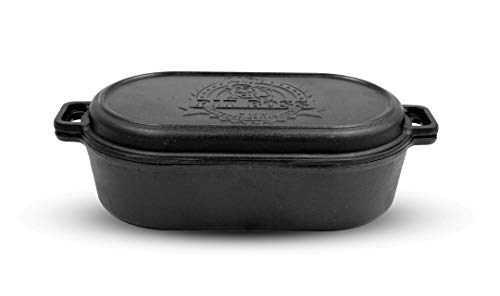
Made from 100 percent cast Iron material
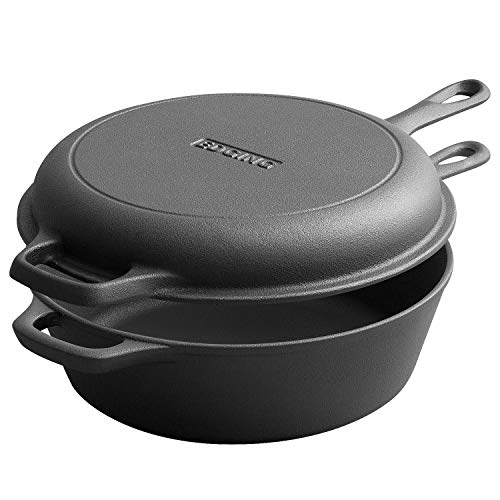
Pre-seasoned 2-in-1 cast iron dutch oven: The 2-In-1 cast iron dutch oven pot with skillet lid has been burned with vegetable oil,(no synthetic coatings or chemicals). The shallow skillet that can be used as a lid

Homemade Favorites: The Lodge Seasoned Cast Iron Baker’s Skillet is designed for rolls, cobblers, breads, and everyday recipes fresh from the oven
Temperature and Timing Guidelines
Three critical factors—temperature consistency, vegetable density, and piece size—determine whether you’ll achieve perfectly caramelized vegetables or disappointing, undercooked results. Set your oven settings to 425°F for ideal roasting; this temperature balances crispier edges with even cooking throughout. Proper cast iron skillet care ensures your cookware performs at its best, contributing to superior results.
Root vegetables and winter squash require 25–40 minutes, while delicate asparagus finishes in 8–15 minutes. Your roasting duration depends directly on vegetable density and uniformity of cuts. Preheating your cast iron skillet accelerates cooking by promoting immediate browning from residual heat. The skillet’s ability to retain heat is crucial in achieving the desired caramelization.
Stir halfway through to guarantee even caramelization. Dense vegetables benefit from longer roasting times, so adjust accordingly. Pierce vegetables with a fork to verify tenderness—they’re done when golden brown and fork-tender. Crowding your skillet extends roasting duration unnecessarily by trapping steam.
Achieving Perfect Caramelization
While timing and temperature create the foundation for roasted vegetables, the execution of proper preparation and pan management determines whether you’ll actually achieve the caramelized exterior that makes cast iron roasting worthwhile. Pat vegetables dry before cooking to eliminate excess moisture that interferes with browning. Arrange them in a single layer without overcrowding—surface contact between vegetable and skillet directly determines caramelization development. Resist the urge to stir frequently; allow adequate time for crust formation before turning. These caramelization tips prove essential: minimize interference during the initial cooking phase, strategically turn vegetables to expose uncooked surfaces, and resist layering or stacking. Finish with lemon juice or sesame oil to balance the sweetness developed through proper caramelization technique.


Innovative Design: Carote enameled cast iron pot features a porcelain-enameled shell and a spray floral painted pattern on a traditional enamel braiser pan, making it both practical and collectible, adding a touch of color to your kitchen. Our shallow braiser pan features sturdy double handles and a matching lid, and its ergonomic design makes it easy to move from stovetop to oven.

YOUR NEW GO-TO PAN: Lodge cast iron cookware is the perfect kitchen tool for beginners, home cooks and chefs. Cast iron can handle any kitchen cooktop, oven, grill, and open flame. Crafted in America with iron and oil, its naturally seasoned cooking surface creates an easy-release and improves with use.
Storage and Reheating Tips
Since you’ve invested effort in perfecting your cast iron roasting technique, you’ll want to preserve those caramelized vegetables properly through smart storage and reheating.
Store roasted vegetables in airtight containers within your refrigerator organization system for ideal freshness. Your storage duration window is 3-4 days maximum—plan weekly batch roasting accordingly to avoid quality degradation. Use 9″ x 13″ containers, separating raw and roasted vegetables to streamline meal prep decisions. Properly cleaning your cast iron skillet after use will further enhance the preservation of flavors.
Reheat using cast iron skillets rather than microwaves. Cast iron’s even heat distribution prevents cold spots and sogginess while preserving the vegetable texture you’ve carefully developed. Place your seasoned skillet over medium heat, add vegetables, and warm through until heated completely. This technique maintains caramelization integrity far better than alternative reheating methods. Additionally, consider incorporating sous vide cooking for perfectly textured vegetables to complement your roasted creations.
Why Cast Iron Is Ideal for Roasting
Sure! Here is the modified content based on your requirements:
—
Cast iron skillets outperform other cookware types for roasting vegetables because they distribute heat uniformly across the pan’s surface, preventing the hot spots and uneven cooking that plague conventional baking sheets. You’ll achieve superior caramelization when you leverage cast iron benefits—the material reaches and maintains high temperatures that naturally brown vegetable sugars, developing crispy exteriors while preserving tender interiors. This effectiveness is similar to how vacuum sealing maximizes the preservation of food, ensuring quality during storage.
Your cooking techniques improve with cast iron’s versatility. You can shift seamlessly from stovetop sautéing to oven roasting at temperatures between 375°F and 450°F, depending on your vegetables. The skillet’s exceptional heat retention prevents accidental burning and guarantees consistent results throughout the cooking process. Additionally, it’s important to note that you should avoid cooking acidic foods in cast iron skillets, as this can affect the seasoning and flavor of your dish.
Additionally, you’ll capture fond—those caramelized browned bits—which you can incorporate into pan sauces for enhanced flavor complexity. Cast iron’s durability means your investment improves with each use, developing better non-stick properties over decades of cooking.
—
Let me know if you need any further adjustments!