You’ll create irresistibly moist, golden cornbread in under 30 minutes by combining Jiffy mix with cast iron’s superior heat retention. Whisk together two boxes of mix, four eggs, and 1⅓ cups milk, then pour into a preheated, butter-greased skillet at 400°F. The cast iron develops a crispy, caramelized crust while the interior stays tender. Bake 18–25 minutes until a toothpick comes out clean. Rest it briefly, then serve warm with butter and honey. To reveal pro techniques for perfecting every batch, explore what comes next.
Essential Ingredients You’ll Need
Because cast iron cornbread relies on a foundation of quality ingredients working in harmony, you’ll want to understand what each component contributes to your final result. Your key ingredients start with two boxes of Jiffy mix, which provide wheat flour, degerminated cornmeal, sugar, animal shortening, and leavening agents. You’ll need four large eggs for binding and moisture, plus 1⅓ cups milk total—buttermilk works best for tanginess and improved rise. Additionally, the traditional definition of Dutch oven refers to a heavy cooking pot, which emphasizes the importance of using the right tools in the kitchen. Half a stick of salted butter melts in your preheated skillet to create those crispy, golden edges you’re after. Additionally, it’s important to properly season your skillet to enhance the flavor of your cornbread and prevent sticking.
For dietary alternatives, you can substitute milk with soy, almond, or coconut milk, and replace eggs with aquafaba or unsweetened applesauce for vegan-friendly results. These swaps maintain your cornbread’s texture while accommodating different dietary needs.

Exceptional Heat Retention: Enjoy perfectly cooked meals with cast iron skillets that provide even heat distribution, ideal for searing, frying, and baking in a 12 inch frying pan.

Superior Heat Retention: The Cast Iron Skillet distributes heat evenly across the surface for perfect cooking results. Ideal for searing, sautéing, frying, baking, and more.

Versatile Cooking Skillet: The Lodge Cast Iron Skillet is a multipurpose, everyday cooking pan that excels at searing, sautéing, baking, frying, and campfire meals
Step-by-Step Preparation Instructions
Three key stages—mixing, heating, and baking—transform your ingredients into golden, crispy cornbread that’ll have everyone coming back for seconds.
Start by combining Jiffy corn muffin mix, eggs, and milk in a large bowl. Whisk until thoroughly blended, achieving the right batter consistency—slightly lumpy but well-incorporated. Consider doubling the eggs for richness, and optional additions like sour cream or buttermilk enhance moisture and flavor. Avoid overmixing, which creates dense texture. Additionally, using cornmeal and flour as part of your mix can contribute to a traditional cornbread flavor.
Next, focus on skillet preparation. Remove your preheated cast iron skillet from the 400°F oven using mitts. Coat it generously with melted butter, oil, or bacon grease, swirling to distribute evenly. The skillet must be hot but not smoking.
Pour batter into the center and gently spread to about one inch depth. Smooth the top for uniform browning, then bake eighteen to twenty-five minutes until golden brown and a toothpick comes out clean. Remember, Dutch oven cooking techniques can also be applied for creating delicious cornbread while camping.
Preheating Your Cast Iron Skillet
Getting your cast iron skillet properly preheated is the foundation of exceptional cornbread—it’s what separates a golden, crispy exterior from a dense, soggy disappointment. Place your skillet in a cold oven and let it heat alongside the oven reaching 375°F to 400°F for 10 to 15 minutes. These preheating techniques guarantee uniform heat distribution before you add your batter. Once heated, carefully remove the skillet using oven mitts and immediately coat it with butter or oil. This greasing step triggers the Maillard reaction when batter hits the surface, creating that desirable crispy crust. The sizzle you’ll hear confirms proper temperature. Properly preheating your skillet also helps the batter start baking immediately upon contact, ensuring even heat distribution throughout your cornbread. Remember that maintaining your skillet by avoiding thermal shock from sudden temperature changes is essential to preserving its durability. Good skillet maintenance—proper heating and cooling—preserves your pan’s longevity while assuring superior baking results every time.

Homemade Favorites: The Lodge Seasoned Cast Iron Baker’s Skillet is designed for rolls, cobblers, breads, and everyday recipes fresh from the oven

Quality Cast Iron Frying Pan: The Lodge Seasoned Cast Iron Skillet is loved for its great heat retention, incredible durability, and ability to make almost any recipe you dream up

Secure Dual Assist Handle: The Lodge Seasoned Cast Iron Dual Handle Pan features dual assist handles for a secure grip when moving this cast iron skillet
Mixing the Batter Correctly
The secret to outstanding cast iron skillet cornbread lies in how you combine your ingredients—not what you combine. Your mixing techniques matter tremendously for achieving the perfect texture.
Start by combining wet ingredients separately: beat eggs completely, then blend in melted butter, sour cream, and buttermilk. This approach prevents curdling and guarantees even distribution. Additionally, ensuring that your skillet is pre-seasoned cast iron can enhance the overall cooking experience by providing a naturally non-stick surface. Next, create a well in your dry Jiffy mix and gradually pour in the wet mixture, folding gently with a spatula or fork.
The ingredient order is vital. Resist the urge to eliminate every lump—lumpy batter actually produces lighter, more tender cornbread. Overmixing activates gluten, creating unwanted toughness. Stop stirring the moment ingredients combine. This restraint delivers the moist, delicate crumb you’re seeking. Remember, using a Dutch oven can enhance your baking process by retaining and distributing heat evenly, resulting in an even bake.

CREATED FOR YOUR FAVORITE CAST IRON: Specially crafted for cast iron for the crispiest, crunchiest, most delicious cornbread.

CREATED FOR YOUR FAVORITE CAST IRON: Specially crafted for cast iron for the crispiest, crunchiest, most delicious cornbread.

Cornbread mix for homemade cornbread or muffins with the taste of real honey
Achieving the Perfect Golden Crust
Once you’ve mastered the batter’s delicate balance, you’re ready to focus on what transforms good cornbread into extraordinary cornbread: that crackling, golden-brown crust that shatters between your teeth. Your preheated cast iron skillet becomes the foundation for this magic. The fat—whether butter, bacon fat, or oil—must sizzle when you pour in your batter, creating immediate color contrast between the pale interior and emerging golden exterior. Cook on the stovetop for one minute before transferring to the oven, intensifying edge browning. The seasoning process of your skillet enhances this crust’s flavor and crispiness, developing as the crust crisps while the interior remains tender. To achieve accurate cooking temperatures for perfect doneness, consider the emissivity of materials, as it can influence the heat absorption and cooking results. Bake until edges turn deep golden and pull slightly from the skillet’s sides. A clean toothpick through the center confirms doneness without overbaking, which sacrifices that coveted crispiness.
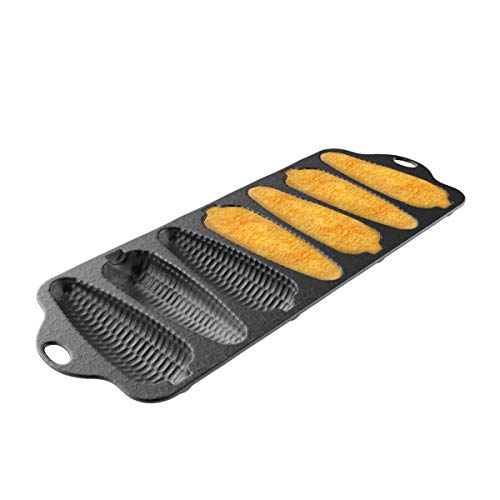
CAST IRON - Conveniently pre-seasoned and constructed from sturdy and durable cast iron this even-cooking cornbread pan will survive tough wear and tear lasting for many years to come!

8 IMPRESSION WEDGE PAN: Whether you like sweet or savory, this pan will help you make treats to share.

6 IMPRESSION CORNSTICK PAN: Bake delicious, dunkable sides for soups and chilis.
Baking Time and Temperature Guidelines
Now that your skillet’s sizzling fat awaits your batter, you’ll want to dial in the right temperature and timing to transform it into that perfect golden masterpiece. Bake at a standard 400°F for ideal results. Most recipes recommend 18-23 minutes for a 10-inch skillet, though larger batches or added sour cream may push timing toward 30-35 minutes. Your oven preferences matter—gas ovens often cook faster than electric models, so monitor accordingly. Use the toothpick test: insert it in the center, and you’re done when it emerges clean. These baking techniques guarantee your cornbread sets properly without drying out. Starting with a preheated, greased skillet accelerates crust development and keeps timing efficient. Additionally, remember that cast iron retains heat well, so watch for browning to ensure perfect results. A good bake also mimics how the searing process in cooking steak enhances flavor through high heat.
Testing for Doneness
Determining when your cornbread’s reached perfect doneness requires checking multiple indicators rather than relying on a single test. You’ll want to examine the top—it should display a golden-brown color with crispy, browned edges and a firm, set surface. The techniques for creating a crusty exterior are similar to those used in baking no-knead artisan bread, which relies on steam to enhance texture.
Use the toothpick method next. Insert it through the center; it should emerge clean or dry without wet batter clinging to it. For the most reliable results, grab an instant-read thermometer and check your cornbread’s internal temperature—aim for 200°F to 209°F. Additionally, you can make a variety of delicious dishes in your Le Creuset Dutch Ovens, showcasing their versatility for both savory and sweet recipes.
Your texture assessment is equally important. The cornbread should feel firm to the touch and resist gentle pressure. The crumb structure must hold together without falling apart or revealing wet spots. These doneness indicators guarantee perfectly baked cornbread every time.
Cooling and Serving Tips
After you’ve pulled your golden cornbread from the oven, the cooling process is just as essential as the baking itself—it’s what transforms your just-baked creation into the perfect slice. Let your cornbread rest in the cast iron skillet for 5 to 10 minutes, then transfer it to a wire rack for complete cooling within 20-30 minutes. This two-stage cooling method prevents sogginess while maintaining ideal texture, similar to ensuring even cooking in a baked frittata.
Avoid slicing immediately; a 15 to 20-minute resting period enhances sliceability and prevents crumbling. Once cooled, serve your cornbread warm or at room temperature alongside classic serving accompaniments like butter, honey, or maple syrup. For savory pairings, complement chili, pot roast, or jambalaya. Cut into wedges or squares based on your presentation preference, and enjoy that perfect balance of crispy edges and tender interior. Additionally, ensure your cast iron skillet has a good seasoning to promote no-stick cooking and enhance flavor.
Nutritional Information Per Serving
Whether you’re crafting a basic Jiffy cornbread or elevating it with cream and cheese, understanding the nutritional profile helps you make informed choices about this beloved side dish.
Your caloric breakdown ranges from 74 to 203 calories per serving, depending on recipe variations and ingredients you select. The primary protein sources come from eggs—typically two per recipe—delivering around 4 grams of protein per serving in standard preparations. Adding shredded cheese boosts protein content by 2-4 additional grams.
You’ll find approximately 28 grams of carbohydrates in basic versions, with cream-style corn adding 3-5 grams more. Fat content sits around 7 grams per serving from the mix itself, though butter and cheese additions increase this substantially.
Jiffy mix fortification provides essential B vitamins and enriched iron, supporting your energy metabolism while you enjoy this classic comfort food. This versatility allows for alternative baking vessels that can create delicious cornbread without a cast iron skillet.
Creative Variations and Flavor Additions
Once you’ve mastered the nutritional basics of cast iron skillet cornbread, you’re ready to transform this humble side dish into something uniquely yours. You can create cheesy variations by folding in cheddar or pepper jack for savory twists, while spicy mix-ins like jalapeños and cayenne deliver heat. Fruity additions such as pineapple or cranberries introduce unexpected dimension, while herb enhancements featuring rosemary or smoked paprika deepen complexity. Protein-packed options including bacon, sausage, or shredded chicken make cornbread a complete meal. You’ll achieve impressive texture combinations by layering ingredients strategically—crispy parmesan crusts, tender corn kernels, and umami-rich mushrooms work harmoniously. Sweet toppings like honey or maple syrup complement savory foundations beautifully, creating memorable flavor profiles that elevate your cast iron creation beyond ordinary. Additionally, ensure that the torch should be turned off and cooled down before any refilling to ensure safety during cooking.

Cornbread mix for homemade cornbread with a great cheesy taste and a jalapeño kick
Cornbread mix for homemade cornbread with a great cheesy taste and a jalapeño kick

CLASSIC MUFFIN MIX: Cornbread muffins are home-baked treats that are quick for families on the go