
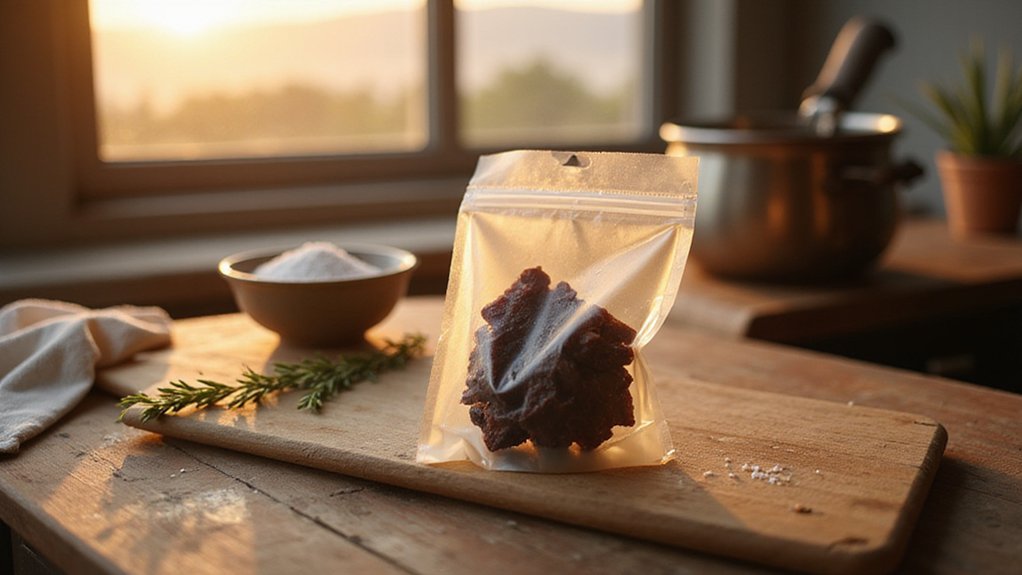
Wondering how long your vacuum-sealed beef jerky stays fresh? Typically, unopened bags kept in a cool, dark pantry can last up to a year.
Homemade jerky without preservatives, on the other hand, only stays good for about one to two months.
How you store it once opened also makes a big difference. Keep reading to find out the best ways to preserve your jerky and enjoy it safely.
Vacuum Sealed Jerky Lasts 3-6 Months at Room Temperature
Commercial vacuum-sealed beef jerky can last up to one year at room temperature when stored properly. Keep it in a cool, dark pantry below 21°C to maintain freshness. The vacuum seal effectively blocks moisture and oxygen, which helps preserve the jerky’s flavor and texture over this extended period. To ensure maximum shelf life, avoid exposing the package to direct sunlight or heat. Homemade vacuum-sealed jerky, however, typically lasts only about 1 to 2 months at room temperature without preservatives. Proper drying before sealing is essential for prolonging its shelf life, but it will generally not match the longevity of commercial products. Additionally, vacuum sealing protects against pests and spoilage, similar to how it preserves dry staples like rice, beans, and pasta from moisture and insects. For best results, treat the jerky similarly to restoring a cast iron skillet by ensuring the surface is completely dry before sealing to prevent spoilage. As with cast iron cooking, using high smoke point oils during drying can help create a better surface seal.

These plastic vacuum seal bags can be used to store fruits, vegetables, meat, duck's neck and other foods as you like. It also ideal for storing, packaging, sampling, displaying, kitchen storage or home organization.
These plastic vacuum seal bags can be used to store fruits, vegetables, meat, duck's neck and other foods as you like. It also ideal for storing, packaging, sampling, displaying, kitchen storage or home organization.
Does Refrigeration Extend Vacuum Sealed Jerky Shelf Life?
Refrigeration can help extend the shelf life of opened vacuum-sealed jerky, but it offers limited benefits for unopened packages. Once a package is opened, refrigeration slows microbial growth and oxidation, typically pushing freshness from a few days to 1–2 weeks. However, for unopened packages, the existing packaging design already provides a stable environment that preserves jerky for up to 12 months at room temperature. In this case, refrigeration doesn’t significantly lengthen storage time. This stability is achieved by removing oxygen to create an airtight seal that protects food from spoilage and bacteria growth. If you choose to refrigerate homemade unopened jerky, it can last about 1–2 months in the fridge, compared to a shorter period at room temperature. But it’s crucial to ensure the package is properly sealed before refrigerating; moisture exposure can lead to mold growth or spoilage. Refrigeration may cause condensation if the jerky transitions between different temperatures, so always let the package come to room temperature before opening. Vacuum sealing prevents spoilage by inhibiting bacteria and mold growth.


Protect Delicate Foods From Crushing: These vacuum food storage containers feature BPA-free borosilicate glass bodies that keep soft berries, salads, and baked goods intact; replaces squeezing vacuum bags so your delicate ingredients stay fresh and whole

Premium Vacuum Seal Technology: Experience the ultimate in food preservation with R-PACK's advanced vacuum seal technology. This feature ensures your food stays fresher for longer, reducing spoilage and waste
Can You Freeze Vacuum Sealed Jerky for Longer Storage?
Freezing vacuum-sealed jerky can significantly extend its shelf life, potentially up to 1–2 years if properly stored. To get the best results, ensure your jerky has cooled to room temperature before freezing. This prevents excess moisture from forming inside the package, which can lead to spoilage.
Vacuum sealing before freezing is essential. It removes nearly all air, protecting the jerky’s flavor and texture from freezer burn and oxidation. Proper sealing ensures the jerky remains in optimal condition for over six months, with minimal quality loss. Without a proper vacuum seal, your jerky is more vulnerable to freezer burn, which can alter taste and texture. This process is similar to how flaxseed oil polymerization when heated creates a hard, durable nonstick finish on cast iron, as the chemical bonding prevents degradation over time.
While freezing might cause a slight change in flavor, it remains one of the best methods for bulk storage. Once opened, you should consume frozen jerky within three to five days, similar to fresh jerky. Always vacuum seal and freeze your jerky to prevent degradation during long-term storage.

HEAVY DUTY AND PUNCTURE PREVENTION - 200 pack of 6 by 10 inch precut bags with embossed channels to increase suction, with a box for storage, keep fresh without freezer burn or dehydration
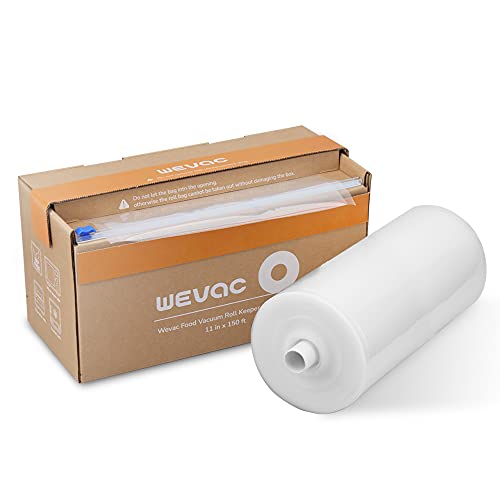
HEAVY DUTY AND PUNCTURE PREVENTION - 1 pack of 11 inch by 150 feet roll with embossed channels to increase suction, with a cutter box for cutting and storage, keep fresh without freezer burn or dehydration

【BPA FREE】Bonsenkitchen vacuum food sealer roll bags can be microwaved, frozen, re-used, washed, boiled and dishwasher safe. Allows you to precisely control your cooking temperature to achieve perfect results. You can cook sous vide in Bonsenkitchen bags by placing them in water at any temperature up to 230°F/110°C
Vacuum Sealed vs. Ziplock: Which Storage Lasts Longer for Jerky?
Vacuum sealing significantly extends the shelf life of jerky compared to ziplock bags. In the pantry, vacuum-sealed jerky can last 1 to 2 months, whereas ziplock bags typically last only about a week. When stored in the fridge, vacuum-sealed jerky stays good for 3 to 12 months, while ziplock bags provide only 1 to 2 weeks of freshness. In the freezer, vacuum-sealed jerky maintains quality for 6 to 12 months, while ziplock storage limits you to roughly 3 months. Overall, vacuum sealing offers longer storage durations and preserves better quality for your jerky. Commercial jerky generally lasts longer than homemade due to preservation methods. For home cooks seeking consistent results, similar principles apply to sous vide recipes that rely on precise temperature control. Achieving a similar long-lasting result requires using a heavy-bottomed or non-stick pan that gets very hot, just like the high-heat process used for blackening fish.

【Clear Vacuum Bags】Our sealable vacuum bags are made of high quality materials can withstand high temperature, food save bags Boilsafe,Freezable and Reuseable.There will be an error of 1 inch between the product size and the actual working size.The real working size after sealing is 3 x 5 inches.Please choose carefully when purchasing.

Compatible with All Desktop Vacuum Sealers: These vacuum sealer bags are designed to work with all traditional desktop vacuum sealer machines. Simple to operate and convenient to use. (Note: These bags do not feature an air valve and are not compatible with handheld vacuum sealers.)
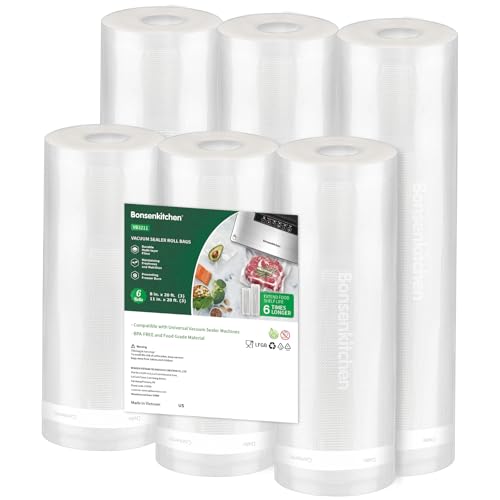
BPA FREE: Bonsenkitchen vacuum food sealer roll bags can be microwaved, frozen, re-used, washed, boiled and dishwasher safe. Allows you to precisely control your cooking temperature to achieve perfect results. You can cook sous vide in Bonsenkitchen bags by placing them in water at any temperature up to 230°F/110°C
How Long Does Vacuum Sealed Jerky Last After Opening?
After opening vacuum-sealed jerky, it stays at peak freshness for about 3 to 5 days at room temperature. To extend this period, re-sealing the original packaging or storing it in an airtight container helps preserve flavor and prevent spoilage. Refrigerating opened jerky can prolong its quality for 1 to 2 weeks. Homemade jerky typically lasts up to a week once opened, while commercial varieties can remain good for several months if kept properly refrigerated. Freezing in airtight packaging keeps opened jerky safe for around 6 months, provided it is resealed well. Avoid exposing jerky to warmth before resealing, as this can cause condensation and promote spoilage. Proper storage after opening is essential for maintaining both the taste and safety of your jerky. For example, a similar approach to seasoning and simple storage is used in Dutch oven chicken recipes for camping, where layering flavors and airtight preparation are key to successful outdoor cooking. Just as cast iron seasoning relies on polymerized oil to bond and protect the metal, the jerky’s shelf life depends on keeping the surface free from moisture and air after opening. Ensuring a smooth, well-seasoned surface on the container or packaging helps prevent moisture pockets that could spoil the jerky.
What Factors Affect Vacuum Sealed Jerky Shelf Life?
The shelf life of vacuum-sealed jerky primarily depends on controlling moisture, temperature, and packaging integrity. Ensuring the seal remains intact is crucial; a compromised seal allows oxygen and contaminants to enter, significantly shortening its lifespan. Store your jerky in a cool, dark environment such as a pantry, avoiding direct sunlight to prevent internal condensation and mold growth. While aging in a freezer is not recommended unless aiming for multi-year storage, ambient room temperatures are suitable. However, refrigeration can negatively affect texture, so it’s best avoided unless necessary. Vacuum-sealed jerky has higher water activity than oxygen absorber packaging, which inherently reduces its product longevity. If you need to check the jerky’s surface temperature before sealing, do not rely on an infrared thermometer unless the jerky is stirred vigorously first to ensure accuracy. Adding oxygen absorbers can further reduce residual oxygen levels to approximately 0.01%, significantly extending shelf life by preventing rancidity and mold. For comparison, precise temperature control used in sous vide cooking methods, such as 165°F for 15 minutes, can achieve similar consistency in moisture management for other foods.
Make sure the jerky has cooled to room temperature before sealing to prevent moisture buildup inside the package. Proper packaging materials and using oxygen absorbers can help prevent fat rancidity caused by oxygen infiltrating the package. Regularly inspecting the seal and storage conditions will keep your jerky safe and delicious for as long as possible.
Why Moisture Control Matters for Vacuum Sealed Jerky
Moisture control is critical for vacuum-sealed jerky because excess water can lead to spoilage and reduce shelf life. Maintaining water activity (Aw) at or below 0.85 ensures safety and stability, with 0.88 being the upper safety limit under vacuum. If the moisture content is too high, sealing alone won’t fix the problem—your packaging will just trap the moisture inside. Similarly, a Dutch oven’s heat retention and even cooking are ideal for slow-cooked dishes like whole chicken stew or hearty chili, which rely on balanced moisture for safety and flavor.
Residual moisture causes condensation during cooling, which creates high-moisture zones inside the bag where bacteria can thrive. This moisture migration redistributes water within the package, increasing the risk of spoilage. To prevent this, cool your jerky to room temperature before sealing and test pieces using the bend test: if it bends without cracking, it needs more drying. Keeping the seal area clean and dry prevents contamination, and adding desiccant packs helps absorb any remaining moisture. Proper moisture control makes your jerky safe for up to six months on the shelf or even a year when refrigerated.
Do Oxygen Absorbers Help Vacuum Sealed Jerky Last Longer?
Yes, oxygen absorbers can significantly extend the shelf life of vacuum-sealed beef jerky, often from a few weeks to over a year. They work by chemically removing residual oxygen from the packaging, providing much better oxygen elimination than vacuum sealing alone. Even after vacuum sealing, some oxygen remains inside the package; absorbers eliminate it completely, creating an inert environment that slows oxidation and prevents bacterial growth. Without oxygen absorbers, your jerky typically lasts only 6 to 12 months. Using fresh absorbers, however, can push this stability to 12 months or more, and stored in Mylar bags in a cool, dark pantry, jerky can last two to three years. Hot storage areas can shorten that shelf life. It’s important to check that the absorber is active—if the pouch sucks in within 24 hours, it’s working properly. Combining oxygen removal with controlling moisture below 20 percent maximizes your jerky’s longevity.

✅ 【Preminum Food Grade Oxygen Absorbers】: Our factory have 18 years experience in oxygen absorber, Also we have ISO9001 Certificate, All our oxygen absorbers are preminum food grade material and tested under strict food regulation, Very safe to be used with foods and pharmaceuticals storage.

NOTE - Bags may NOT shrink like a vacuum bag when the oxygen has been removed. Absorbers do NOT absorb air; they absorb oxygen which is only 20% of the air. About 1/5 of the air volume will be gone, 4/5 remains no matter how many absorbers are used. food grade oxygen absorbers o2 absorbers food grade

[FOOD GRADE & SAFE ] Our Oxygen Absorbers packaging is made of food-grade material and passed strict food testing, so it can be safely stored with food without peculiar. Products are strictly tested to ensure the highest level of compliance to safety standards.
What Are the Signs of Spoiled Vacuum Sealed Jerky?
Spoiled vacuum sealed jerky typically shows several clear signs that indicate it is no longer safe to eat. A major warning sign is a change in flavor; if you notice a sour, rancid, or ammonia-like taste, it’s best to discard the jerky immediately. Texture changes also reveal spoilage: a slimy, sticky, or slippery coating suggests bacterial biofilm formation, while mushiness or crumbling indicates the meat has gone past safe consumption.
Visible mold—white fuzz, greenish patches, or gray-brown spots—is a strong sign that the jerky is spoiled and must be thrown away. Additionally, a swollen or bulging vacuum bag signals bacterial gas production, which is hazardous. If the jerky smells off, musty, or feels damp and lifeless upon touch, it is unsafe to eat. Relying on your senses is the best way to determine if your jerky is still good, even if the vacuum seal appears intact. When preparing jerky for vacuum sealing, you must ensure items are dry and properly folded to prevent moisture-related spoilage.


