

You shouldn’t expose your cast iron skillet to extreme heat exceeding 500°F, as bonfire flames cause warping and cracking. Don’t simmer acidic foods longer than 30-45 minutes, which degrades seasoning and invites rust. Avoid harsh soaps and abrasive scrubbers that strip protective oils. Never let your skillet soak in water, as moisture accelerates oxidation. Don’t cook sticky foods before you’ve established proper seasoning. Understanding these critical mistakes will transform how you maintain your skillet’s longevity.
Using Too Much Heat
A bonfire’s flames might seem like the perfect medium for outdoor cooking, but they’re actually one of the worst threats to your cast iron skillet. Bonfires reach temperatures exceeding 2,000°F—far beyond your cookware’s safe limits. Such extreme heat causes permanent warping, cracking, and molecular damage to the metal itself. In addition to this, prolonged exposure to high temperatures can result in poor seasoning**** that diminishes the skillet’s effectiveness.
You’ll also encounter severe overheating consequences when using uncontrolled heat sources. High temperatures ruin seasoning and compromise the skillet’s structural integrity. Additionally, thermal shock occurs when you move a scorching pan from flames to cool surfaces, creating dangerous stress fractures. It is essential to remember that the polymerization of oils during seasoning builds a non-stick layer that can be easily damaged by excessive heat.
Instead, use your home oven, which maxes out around 500°F—a manageable temperature. Preheat skillets slowly over medium heat on stovetops. These controlled methods protect your investment while ensuring safe, reliable cooking performance.

Reliable Heat Resistance: Designed for skillets 9 inches and larger, the Lodge Silicone Hot Handle Holder delivers a secure grip on hot cookware with heat resistance up to 500°F

SKEMIX Silicone Hot Handle Holder Set - 4 pack heat resistant handle covers designed for cast iron skillets, frying pans, and metal cookware, providing safe and secure handling during cooking.

Moisture-Locking Cast Iron Cover: The Lodge Seasoned Cast Iron Lid features a tight-fitting design that seals in moisture and supports even, consistent cooking
Cooking Acidic Foods for Too Long
While acidic foods like tomatoes, vinegar, and wine can enhance your cast iron cooking, they’ll damage your skillet if you leave them simmering too long. Extended exposure—beyond 30–45 minutes—degrades the polymerized oil layer protecting your pan’s surface.
Your sauce selection and cooking duration directly impact seasoning integrity. Tomato-based sauces pose the greatest risk, potentially imparting metallic flavors to your dish as the seasoning breaks down. Prolonged contact strips away protective layers, exposing bare iron underneath and increasing rust vulnerability. To preserve the skillet’s longevity, it’s essential to monitor cooking times, as regular cooking with oil contributes to developing and strengthening the seasoning. Additionally, the heat retention and even heat distribution of cast iron skillets can further enhance cooking when used correctly.
While short-term acidic cooking remains safe and doesn’t compromise food safety, frequent long-term exposure weakens seasoning progressively. For recipes requiring extended simmering, use enameled cast iron or stainless steel instead. Reserve bare cast iron for quick sautéing or brief deglazing with acidic ingredients.
Cleaning With Harsh Methods
Just as prolonged acidic exposure compromises your skillet’s seasoning, so too do harsh cleaning methods strip away the protective oil layer you’ve carefully built. Harsh detergents and abrasive tools inflict considerable damage to cast iron’s nonstick surface.
Strong soaps strip the polymerized seasoning and leave residues affecting food flavor. Abrasive scrubbers like steel wool expose bare metal to rust while creating micro-scratches that weaken protection. Instead, employ mild soap with soft-bristle brushes or chainmail scrubbers for stuck-on food. To maintain optimal performance, using modern dish soaps can actually be safe and effective for cleaning cast iron cookware.
Baking soda, though occasionally useful for deep cleaning, wears down seasoning through repeated use. Chemical cleaners like bleach corrode cast iron irreversibly—reserve these only for enameled surfaces as a last resort. After cleaning, always apply a thin oil layer and reheat your skillet. This essential step maintains seasoning, prevents rust, and extends your skillet’s lifespan considerably. Remember that thorough drying after cleaning is crucial to avoid any moisture that can lead to rusting.

Easy Cleanup Tool: The Lodge Scrub Brush is designed to help tackle stubborn food residue and simplify cast iron cookware cleanup

Scrubs without soap to preserve seasoning and protect surfaces

【Cleaning Dishes & Pans】Perfect for washing dishes, cast iron pans, and other stubborn stains
Letting Cast Iron Soak in Water
One of the most damaging habits you can develop is letting your cast iron skillet soak in water. Extended soaking duration dramatically increases rust risk because cast iron’s porous surface absorbs moisture, causing iron oxidation. This moisture exposure compromises your skillet’s seasoning—the polymerized oil layer that prevents rust and provides nonstick properties.
Prolonged water contact strips away seasoning protection, exposing bare iron to accelerated oxidation. Even acidic solutions like vinegar-water mixes cause surface etching when soaked longer than one to two hours, roughening the pan’s texture and complicating future seasoning attempts. Proper care is essential for maintaining your skillet’s natural non-stick properties. Regular use helps build and maintain the skillet’s natural seasoning, enhancing its performance over time.
Instead, clean your skillet promptly after cooking using warm water and a brush. Dry it thoroughly immediately on the stove, then apply a thin oil layer. This approach preserves your seasoning and prevents the costly restoration work that prolonged soaking necessitates.

YOUR NEW GO-TO SEASONING SPRAY: The Lodge Seasoning Spray is the perfect seasoning spray to maintain your cast iron cookware. It is made of 100% canola oil - no additives or propellants, to protect your cookware and enhance its finish.
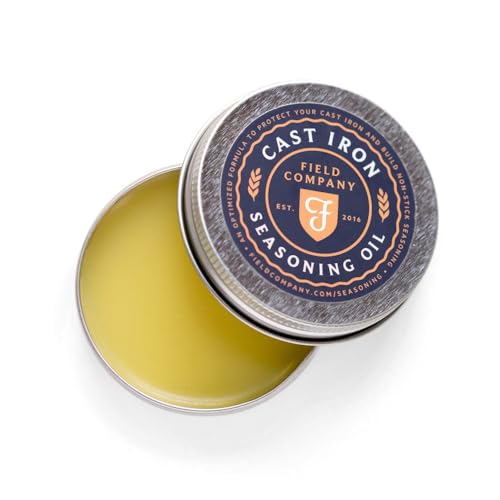
HOW TO USE: The key to naturally nonstick cast iron cookware? Cook often, and apply Seasoning Oil every time you clean your pan. Clean your cast iron with soap and a brush, then use a chain mail scrubber to smooth out existing seasoning layers. Apply a dab of Seasoning Oil and spread it thinly over the surface with a paper towel or clean rag. Wipe away excess oil to leave a dry, matte finish.
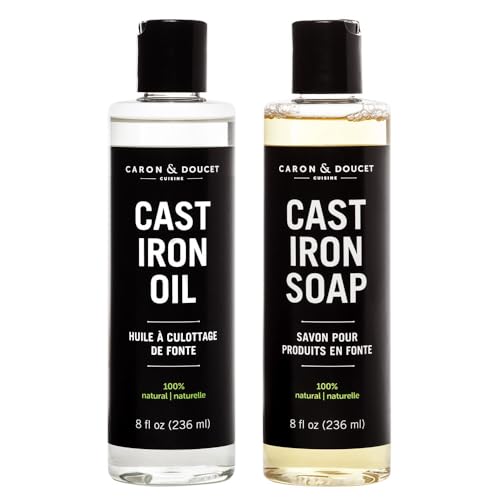
CLEANS CAST IRON | Includes our Cast Iron Soap unlike detergent based soaps, this soap is formulated with 100% natural plant-based oils & free of sulfates, phosphates, parabens & petrochemicals! Gentil on cast iron seasoning & on your hands!
Cooking Sticky Foods Too Early
Cooking sticky foods too early can lead to disappointing results and affect your skillet’s longevity. Beyond preventing water damage, you’ll also need to wait before cooking certain sticky food types like eggs, pancakes, and French toast. These foods demand a well-established seasoning layer to prevent adhesion and damage to your skillet’s nonstick properties. In order to achieve optimal performance, understanding the importance of heat retention during the cooking process is crucial.
Cooking sticky foods prematurely creates microscopic traps where food particles lodge, compromising your pan’s performance. The resulting residue becomes difficult to clean and further deteriorates existing seasoning techniques you’ve employed. This degradation perpetuates future sticking problems, diminishing your cooking experience.
Build your skillet’s seasoning through regular use with fatty foods first. Preheat adequately for 4-5 minutes, adding food only when oil shimmers. Apply sufficient oil coating and avoid high heat without proper seasoning. These disciplined seasoning techniques establish the robust nonstick foundation necessary for successfully cooking delicate, adhesion-prone foods. The skillet’s natural non-stick properties improve over time, making patience crucial for optimal cooking results.


