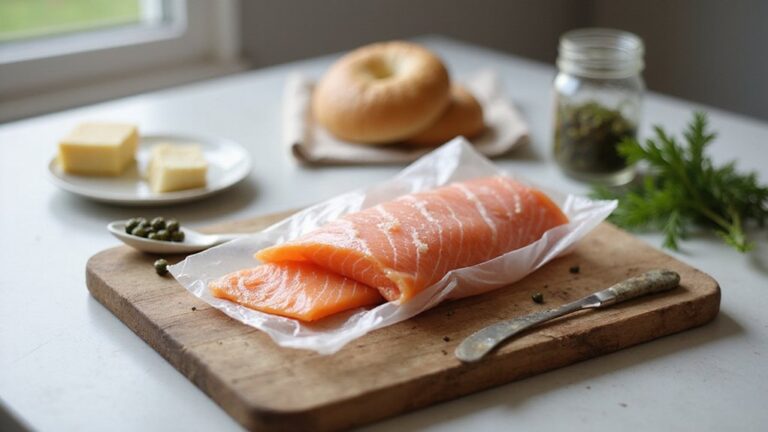
You’ll freeze salmon effectively without a vacuum sealer by blotting surface moisture, dividing into meal-sized portions, and wrapping tightly with plastic wrap pressed directly against the fish. Layer freezer paper or aluminum foil over the plastic wrap for additional protection. Use heavy-duty resealable freezer bags, manually pressing out trapped air before sealing. Store flat at 0°F or below. Label packages with dates. Properly wrapped salmon maintains quality for 2-3 months. The specific techniques for maximizing preservation and preventing freezer burn warrant further exploration.
Preparing Your Salmon for Freezing
To preserve your salmon’s quality during freezing, you’ll need to follow five essential preparation steps that work together to prevent texture degradation and freezer burn. Start by gently blotting your salmon with paper towels—moisture removal is critical since surface water creates ice crystals that compromise texture and flavor. Next, divide your salmon into meal-sized portions, allowing you to thaw only what you need and maintain salmon freshness in unused pieces. Place each portion in a freezer-safe zip-top bag and label it with today’s date. Press out as much air as possible before sealing; vacuum sealing is ideal but manual squeezing works effectively for home freezing. Finally, arrange portions flat in your freezer for even freezing, which prevents uneven thawing and preserves best quality.
Wrapping Salmon With Plastic Wrap and Freezer Paper
While zip-top bags work adequately for salmon freezing, wrapping your fish in plastic wrap and freezer paper provides superior protection against freezer burn and moisture loss. Start by pressing plastic wrap tightly against the salmon’s surface, removing air pockets to block oxygen transfer and oxidation. This creates an effective moisture barrier during freezing.
Next, add a second protective layer using freezer paper or aluminum foil, wrapping it snugly around the plastic wrap. This dual-layer approach mimics professional kitchen practices and shields the delicate plastic from punctures and damage.
For portioned salmon, insert freezer paper sheets between individual pieces before wrapping. This prevents portions from freezing into one solid block, enabling selective thawing. Label the exposed freezer paper with the date and portion details for efficient organization and rotation.

Freezer Paper Roll: Contains one 100 square foot roll of Reynolds Kitchens Plastic Coated Freezer Paper, measuring 66-2/3 feet x 18 inches

CLING WRAP WITH SLIDE CUTTER-Contains one roll of Reynolds Quick Cut Plastic Wrap with slide cutter, measuring 225 feet long by 12 inches wide (225 square feet)

Plastic Food Wrap: Add our plastic food wrap to your household items to extend food freshness with a tight seal
Using Resealable Freezer Bags Effectively
Because resealable freezer bags offer convenient, cost-effective salmon storage when you select and use them properly, they rival more elaborate freezing methods in protecting your fish from freezer burn and oxidation. Choose heavy-duty, freezer-specific freezer bag types labeled with double-seal features for superior air protection. Press out as much air as possible using the water displacement method: slowly submerge the sealed bag in cold water to eliminate air pockets before final sealing. Pre-freezing liquids can be a practical solution to maintain quality and prevent mess if you are considering vacuum sealing in the future; however, with resealable bags, this is usually unnecessary. Verify your sealing techniques create completely closed seals to prevent moisture loss. For added security, double-bag your salmon portions. Label each bag with the freezing date using a permanent marker, then store flat in your freezer at 0°F or below. This approach maximizes preservation quality and minimizes waste. Additionally, using proper food handling practices is essential to prevent bacteria growth during storage and to ensure food safety.

Package Includes—Fifty six (56) Hefty Slider Gallon Freezer Bags for meal prepping, leftovers, camping, traveling, freezer storage, organizing, and more
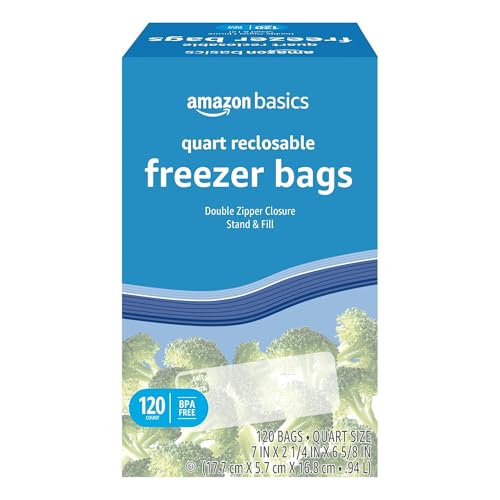
Includes 120 freezer food bags, each holding 1 quart

Versatile Food Storage Solution - Get more bang for your buck with these resealable plastic bags for food. The pouches come in bundles of 2 or 4 boxes - Bag size, 13 x 15.6 in (33 x 39.7 cm)
Removing Air Without a Vacuum Sealer
You don’t need specialized equipment to achieve vacuum-sealer results when freezing salmon. Several air removal techniques deliver excellent preservation without expensive machinery.
The water displacement method effectively removes trapped air by submerging your sealed bag gradually, letting water pressure push oxygen outward. Alternatively, manual pressing works efficiently—flatten your salmon in the freezer bag and squeeze out air before sealing the final inch firmly.
Double wrapping provides another proven seal alternative. Layer plastic wrap tightly around your salmon, then add freezer paper for additional protection. For a middle-ground approach, use Ziploc vacuum bags with built-in valves and a hand pump to extract air.
You can also freeze salmon suspended in chilled water, creating a protective ice barrier that eliminates oxygen exposure entirely. Each method greatly reduces freezer burn risk and maintains quality throughout storage. Additionally, using techniques that minimize air exposure can significantly enhance the preservation of your salmon during freezing.

[Maximize Storage Space by 80%] Unlock unparalleled space-saving with our premium vacuum storage bags, meticulously designed to shrink your clothes and bedding items like duvets, pillows, and comforters down to 20% of their original size. Ideal for both room organization and maximizing suitcase space, these bags transform cluttered areas into tidy, spacious zones, making them essential for vacuum seal bags for clothing.
Expand your storage by up to 80%: Our vacuum seal storage bags effortlessly compress clothes, blankets, pillows, and travel essentials in seconds, transforming overcrowded closets and overpacked suitcases into clean, organized space- no clutter at home, no unnecessary luggage fees. Just more room whenever you need it.

【42 PCS Food Vacuum Sealer Set, Use for Home /Restaurant /SuperMarket】Kosbon 42 PCS Sous Vide Vacuum Sealer Set - 30 Reusable Bags, 5 Clips and Sealing Clips for Anova, Joule Cookers.
Preventing Freezer Burn and Oxidation
Proper pre-treatment and protective layering techniques are essential for maintaining salmon’s quality during freezing. You’ll prevent oxidation by dipping your salmon in cold water with ascorbic acid for twenty seconds, creating a protective shield that reduces freezer burn risk. Double-wrapping with plastic wrap and aluminum foil minimizes air exposure, while the glazing method forms an ice barrier that protects against dehydration. You should place parchment paper between portions to prevent sticking and reduce oxidation on exposed surfaces. Maintain consistent freezer temperatures at 0°F or lower, and store salmon in a manual defrost freezer when possible to avoid repeated thaw cycles. Furthermore, similar to vacuum sealed meat, maintaining a consistent temperature will help ensure meat’s freshness and quality over time. Handle frozen portions carefully to prevent movement that compromises packaging integrity and accelerates freezer burn development.
Optimal Freezer Storage Practices
Maintaining consistent freezer conditions forms the foundation of effective salmon preservation. You’ll achieve ideal results by keeping your freezer at or below 0°F (-18°C), ensuring temperature stability that prevents thaw-freeze cycles. These fluctuations degrade texture and flavor greatly.
Store your salmon in the coldest part of your freezer—typically the back or bottom drawers—away from the door where temperatures vary. Avoid placing it near frequently opened areas or stacking heavy items on top, which can crush the fish.
Arrange packages flat with adequate space around them for proper air circulation and even freezing. Use dedicated freezer bins to prevent cross-contamination with other foods. This strategic positioning, combined with unwavering temperature control, preserves your salmon’s quality for three to six months.

【Patented Design】MSERCUOR deep freezer organizer bins are made of antirust metal, which has good corrosion resistance and can effectively prevent rust and maintain a good condition even in a humid environment. The sides are completely straight—not slanted—so they use the freezer space much more efficiently. Everything stays organized, easy to see, and easy to grab without digging around. Sturdy, well-designed, and absolutely worth it if you want a more functional freezer.

[Fit Most 7 Cu.Ft Chest Freezer] Please measure the dimensions of the freezer before purchasing, as different brands of freezers vary in size. It’s also perfect for organizing and storing items in pantries, kitchens, closets, laundry rooms, storage cabinets, and on metal shelves.

Efficient Stackable Design: Our freezer organizer bins maximize vertical freezer space with the stackable design, allowing you to neatly organize and store multiple bins on top of each other for easy access and better space utilization. No need to worry about the food getting buried.
Labeling and Organizing Your Frozen Salmon
While proper freezer conditions preserve your salmon’s quality, systematic labeling and organization guarantee you’ll actually use it before it deteriorates. Your labeling techniques should include the freezing date, weight, and preparation state (raw or cooked) on waterproof labels or permanent markers. This prevents confusion during meal prep and tracks storage duration effectively.
For organized storage, arrange salmon flat until frozen, then stack strategically with newer packages in the back and older ones forward for first-in, first-out rotation. Use clear containers to identify contents without opening packages, and group similar types together. Maintain a written inventory log if you’re freezing large quantities. This systematic approach minimizes freezer door openings, reduces waste, and assures you locate specific portions quickly.
Proper Thawing Techniques
Since you’ve invested time in freezing your salmon correctly, thawing it properly is equally critical to preserving quality and guaranteeing food safety. You’ll find two primary thawing techniques: refrigerator thawing (12-24 hours at below 40°F) and cold water thawing (approximately 1 hour with water changes every 30 minutes). Both methods maintain thawing safety by preventing bacterial proliferation in the danger zone.
Avoid unsafe practices like room temperature or hot water thawing, which compromise texture and promote contamination. You shouldn’t use microwaves, as they cause uneven cooking. Keep in mind that using an oven-safe thermometer can help monitor the internal temperature during cooking for food safety.
Once thawed, cook your salmon immediately—within 1-2 days maximum. You must keep thawed salmon refrigerated until cooking and never refreeze without cooking first. These thawing techniques guarantee your frozen salmon retains maximum quality and remains safe for consumption.
Shelf Life and Quality Maintenance
Now that you’ve mastered the proper thawing methods, understanding how long your frozen salmon will maintain quality becomes your next priority. You’ll want to keep non-vacuum-sealed raw salmon frozen for 2-3 months maximum at -18°C (0°F) or lower. Cooked salmon maintains acceptable quality for up to 2 months when properly wrapped. For shelf life considerations, you should label all packages with freeze dates and rotate stock accordingly. When evaluating quality, examine the salmon’s color—it should remain pink or orange without discoloration. The flesh must feel firm, not mushy. Avoid any sour or excessively fishy odors upon thawing. Maintaining optimal quality is crucial, and proper wrapping can preserve moisture and texture, as seen in vacuum-sealed ham’s preservation method. When keeping smoked salmon, you’ll minimize quality degradation by maintaining consistent freezer temperatures and preventing temperature fluctuations that compromise protein integrity and moisture retention.