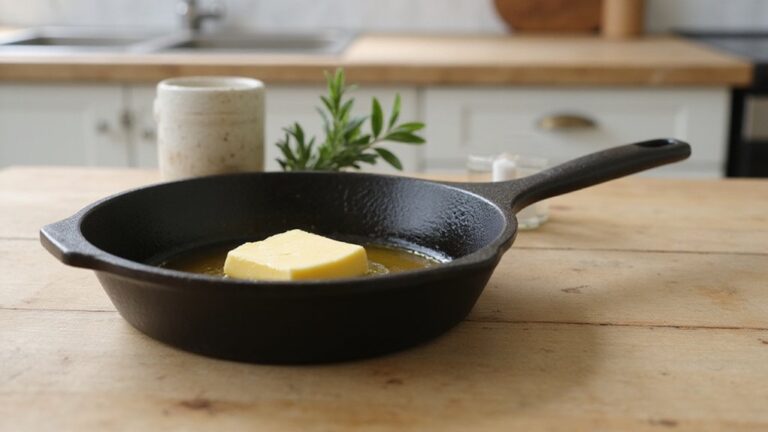
You can remove stuck-on food by rinsing your warm skillet with water and scrubbing with a stiff-bristled brush or nylon pad until it squeaks. For stubborn residue, sprinkle 2-4 tablespoons of coarse salt, scrub with paper towels, then oil to restore seasoning. You’ve also got wine deglazing—pour ¼ cup dry wine into the hot pan and scrape with a wooden spoon. Modern dish soap works too. Dry immediately with a cloth, apply light oil, and you’ll find there’s much more to maintaining your cast iron’s protection.
Water and Scrubbing Method
Start by rinsing your cast iron skillet under warm tap water while the pan’s still warm from cooking—this enhances the cleaning effectiveness. Never use cold water, as thermal shock can damage the seasoning. Your water temperature should remain warm but not boiling to minimize rust risk. Using soap can be beneficial for cleaning as it helps remove stubborn food residue, especially for new skillets.
Select appropriate scrubbing tools for your cleaning task. Nylon brushes work well for daily residual food particles, while stiff-bristled brushes tackle heavier buildup without damaging the seasoned surface. Pan scrapers dislodge stubborn food with minimal abrasive force. For significant rust or heavy deposits, chain mail scrubbers prove highly effective.
Continue scrubbing under running water until you hear squeaking sounds, indicating thorough cleaning completion. This acoustic signal confirms all food particles and debris have been removed from the pan’s surface. For long-lasting results, maintaining the skillet’s seasoning is essential, as strong, secure seals help preserve its cooking properties.

Easy Cleanup Tool: The Lodge Scrub Brush is designed to help tackle stubborn food residue and simplify cast iron cookware cleanup

ERGONOMIC BAMBOO HANDLE: ensures a comfortable grip for stress-free cleaning. Perfect for cast iron scrubbing, its design prevents hand fatigue, making kitchen chores effortlessly efficient

Scrubs without soap to preserve seasoning and protect surfaces
Salt and Abrasive Agent Technique
For stubborn food debris that resists standard scrubbing, salt serves as an exceptionally effective abrasive agent that’ll clean your cast iron without compromising its seasoning. Coarse kosher or sea salt creates sufficient friction to lift stuck-on particles while preserving your skillet’s patina. Use 2 to 4 tablespoons depending on skillet size, forming a dry abrasive layer across the cooking surface.
Applying hot water helps further dissolve any food remnants before using the salt technique.
Apply circular motions with paper towels, concentrating pressure on problem areas for approximately one minute. Dump the salt and repeat as needed to remove accumulated impurities. This method is especially useful as it minimizes the need for avoiding soap and helps maintain the skillet’s seasoning.
For salt alternatives with comparable abrasive effectiveness, cornmeal works equally well on moderately soiled pans, requiring no additional liquid. After cleaning, apply a thin oil film to restore seasoning and prevent rust formation.

For All Seasons: No pun intended! Whether it’s your next dinner party or a night in, our non iodized salt kosher option has you covered
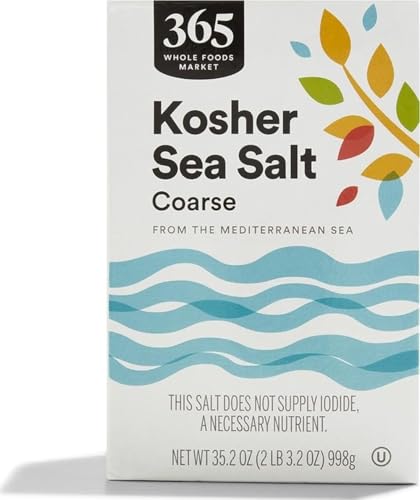
Premium kosher sea salt from the Mediterranean

GOURMET COARSE KOSHER SALT: Harvested from ancient mineral deposits formed millions of years ago, this natural rock salt is unrefined and contains additive free. The coarse crystals enhance texture, flavor release, and presentation in both everyday cooking and gourmet recipes.
Steel Wool and Metal Scouring Method
When salt and abrasive agents can’t fully restore your skillet’s surface, steel wool and metal scouring tools provide the aggressive cleaning power you’ll need for rust removal and stubborn debris. Fine-grade steel wool pads effectively eliminate rust and stuck-on food from both interior and exterior surfaces. For enhanced scrubbing effectiveness, combine water with steel wool to create a potent cleaning solution. Apply multiple passes targeting slightly rusty spots and flaky seasoning buildup. It’s important to follow up your cleaning routine by ensuring the skillet is thoroughly dried to prevent rust, as moisture can cause corrosion over time. Chain mail and green scouring pads serve as viable alternatives to traditional steel wool, accommodating different cleaning preferences and rust severity levels. Complete thorough coverage across all pan surfaces to guarantee complete contamination removal before proceeding to rinsing and drying stages. After cleaning, make sure to rub oil into all surfaces to maintain your skillet’s seasoning.
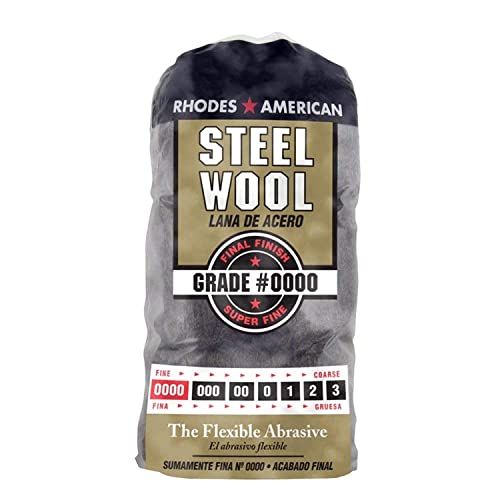
Steel wool super fine grade #0000 used in cleaning, polishing, buffing and refinishing

THREE DISH SCRUBBERS: This pack of Scotch-Brite Stainless Steel Scrubbers includes 3 scrubbers

[ You Will Receied ] 1pcs steel wool scrubber and 4pcs steel cleaning pads for replacement, which are easy to scrubbing stains and grease on kitchen appliances, as well as rust on various pot bottoms, making them shiny like new. In addition, you can use it combination with stainless steel cleaner to achieve better cleaning and improve cleaning efficiency
Wine Deglazing Technique
While steel wool and scouring pads excel at removing rust and stubborn debris, wine deglazing offers a gentler alternative that simultaneously cleans your skillet and creates a culinary benefit. Pour ¼ to ½ cup of dry wine into your hot skillet immediately after cooking, covering the bottom by approximately half an inch. The sizzling action releases caramelized fond from the pan surface. Scrape with a wooden spoon while the wine simmers for 3–5 minutes, concentrating flavors through reduction. Wine selection matters—choose dry white or red varieties, avoiding acidic liquids like vinegar that can damage seasoning. This deglazing benefits your cast iron by loosening stuck-on food without aggressive scrubbing, while producing a flavorful sauce base. Additionally, using a thermometer for perfect steak can help ensure that any meat cooked in the skillet reaches the desired doneness. Also, regular seasoning maintenance is key to preserving the skillet’s non-stick surface. Dry the pan thoroughly afterward to prevent rust.
Soap and Warm Water Approach
Contrary to popular belief, modern dish soap won’t strip your cast iron’s seasoning—it’s mild enough to clean without damaging the protective layer you’ve built up. Fill your skillet with warm water and add mild dish soap to create an effective cleaning solution. Use a stiff-bristled brush or scrubbing pad to thoroughly scrub stuck-on food, concentrating on stubborn residue areas. For cleaning safety, avoid abrasive cleaners that compromise seasoning integrity. Rinse the skillet completely with hot water, ensuring all soap and food particles are removed. This methodical approach prevents buildup while maintaining your skillet’s protective coating. Regular cleaning with dish soap actually promotes skillet longevity and prevents rust formation when followed by immediate, thorough drying. It’s important to remember that gentle cleaning methods are essential to preserve the seasoning and maintain the skillet’s functionality. Additionally, using mild dish soap can help maintain the integrity of your cookware while ensuring effective cleaning.
Oil Seasoning and Storage Protocol
Once you’ve thoroughly cleaned and dried your skillet, you’ll want to establish a robust seasoning layer that protects against rust and creates a naturally nonstick surface. Apply neutral oil types—vegetable, canola, or avocado oil—in extremely thin layers using a lint-free cloth. Achieving proper seasoning thickness requires multiple coats rather than one heavy application. Wipe away all excess oil to prevent sticky residue. Place your skillet upside down in a 450–500°F oven for one hour, allowing complete cooling inside the oven afterward. Heating olive oil to its smoke point is also beneficial for creating a strong seasoned finish. Repeat this process six or more times to build durable protection. Regular maintenance, such as proper storage with separators, helps preserve the skillet’s cooking surface and ensures it remains a durable, reliable tool for generations. Store your skillet in a dry location, applying a light oil layer before storage. Use breathable covers rather than plastic to prevent moisture accumulation and rust formation.

Mild and Easy: Grapeseed Oil is at its best in stir-fries and sautés; it doesn't overwhelm other ingredients and lets fresh flavors shine. When grilling or frying, it is a must-have in the pantry.

YOUR NEW GO-TO SEASONING SPRAY: The Lodge Seasoning Spray is the perfect seasoning spray to maintain your cast iron cookware. It is made of 100% canola oil - no additives or propellants, to protect your cookware and enhance its finish.

TLC for your griddle cooktop: All you need to build a slick, easy-release surface that's protected from rust and easy to work with using Blackstone griddle seasoning and cast iron conditioner
Preventing Rust During Cleaning
Because moisture is cast iron’s primary enemy, you’ll need to establish rigorous drying protocols immediately after every wash. Pat-dry your skillet thoroughly with clean cloth or paper towels, targeting all surfaces including handles and bottoms. This cleaning technique prevents water from pooling and initiating rust formation. Regularly applying a light layer of oil helps maintain the skillet’s protective barrier against moisture.
Apply low to moderate heat on your stovetop to evaporate residual moisture from crevices and textured areas. Avoid prolonged high-heat exposure, which damages seasoning and exposes bare iron.
Never soak your pan or use dishwashers—both accelerate rust development through extended water contact. Instead, rinse immediately after cooking with hot water and gentle dish soap, then dry instantly.
Finally, apply a thin oil layer to all surfaces while the pan remains warm. This rust prevention barrier seals out moisture and maintains your seasoning layer‘s integrity. Proper care is essential for preserving the longevity of your cast iron skillet.

PREMIUM CAST IRON CONDITIONING & SEASONING OIL | Made with FOOD grade, solvent-less, refined coconut oil that is safe for food contact and cast iron surfaces. The result is a premium product that does not go rancid.
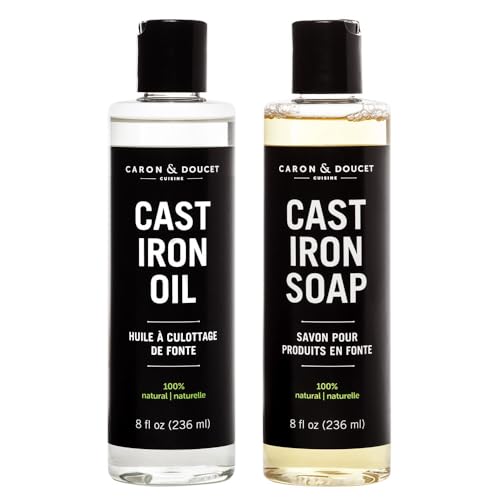
CLEANS CAST IRON | Includes our Cast Iron Soap unlike detergent based soaps, this soap is formulated with 100% natural plant-based oils & free of sulfates, phosphates, parabens & petrochemicals! Gentil on cast iron seasoning & on your hands!

Removing Stubborn Food Odors
How does cast iron absorb and retain food odors so persistently? The porous surface traps odor-causing particles deep within the cookware’s structure, particularly when you cook without oil. This is similar to how a thermometer’s specific design is crucial for its intended purpose, ensuring accurate readings for different cooking methods.
You’ll find several effective gentle deodorizing solutions. Boil water with baking soda to reopen sealed pores and release trapped smells. Alternatively, apply a bicarb paste or use diluted vinegar—both methods safely deodorize without damaging your seasoning. Light soap scrubbing remains acceptable despite common myths. Additionally, for maintaining your cast iron, it’s beneficial to apply a light coat of oil after cleaning, as it helps prevent rust and maintains proper seasoning.
For stubborn odor absorption issues, combine coarse kosher salt with oil, then scrub with newspaper across all cooking surfaces. Lemon juice rubbed directly onto the surface also reduces persistent odors. Expect multiple applications for heavily scented cookware. If these methods fail, complete reseasoning becomes necessary—preheat your oven to 450-500°F, place the pan upside down on the top rack, and bake for one hour.
Drying Your Cast Iron Properly
After you’ve successfully eliminated odors and cleaned your skillet thoroughly, you’ll need to address moisture immediately—it’s the single greatest threat to your cast iron’s longevity. Incomplete drying causes rust, as moisture trapped in microscopic pores triggers oxidation. Towel-dry immediately, then apply medium-low stovetop heat for several minutes or use oven drying at 200°F for ten minutes to guarantee complete moisture removal. This ensures that any leftover food particles are also effectively removed during the drying process with the salt method. Avoid common drying mistakes like air drying or delaying the process. Once the skillet feels completely dry to the touch, apply a thin oil layer—flaxseed, canola, or coconut oil work best—then wipe away excess. These drying techniques prevent rust formation and preserve your seasoning layer effectively. Additionally, ensuring that there is no residual baking soda residue left in the pan can prevent clogging and further issues with your cast iron.
Maintaining Your Skillet’s Seasoning
Your cast iron’s seasoning—that dark, nonstick surface you’ve worked to develop—requires consistent maintenance to remain effective and protective. Each cooking session builds polymerized oil layers that strengthen your pan’s nonstick properties. To preserve these seasoning layers, avoid metal scouring pads and acidic foods like tomatoes that degrade the surface. After cleaning, wipe your skillet with a thin oil layer to shield against moisture and oxidation, preferably using beef tallow, which is a natural choice due to its high smoke point. Store it in a dry location to prevent rust formation. Regularly cook fatty foods such as bacon or seared meats, which naturally restore and reinforce your seasoning. This frequent use naturally repairs minor damage over time. Inspect your pan periodically for flaky areas and address them promptly to maintain consistent protection and performance. Proper heat management during cooking is also crucial to prevent damaging your skillet’s seasoning.