You’ll achieve restaurant-quality results by removing your steak from the refrigerator 1–1½ hours before cooking and patting it completely dry. Preheat your cast iron skillet to 500°F, then sear the steak undisturbed for 3–4 minutes per side for deep caramelization. Baste with butter, garlic, and thyme throughout cooking, and monitor internal temperature closely, removing the steak 10°F before target doneness to account for carryover cooking. Rest for 5–10 minutes before serving. The specific techniques behind achieving that perfect crust require deeper exploration.
Preparing Your Steak for Success
Before you sear your steak in cast iron, you’ll need to set yourself up for success by handling the meat properly. Start by removing your steak from the refrigerator 1-1½ hours before cooking to achieve ideal steak temperature consistency throughout the meat. This equilibration reduces cooking time variance and prevents cold centers when the exterior reaches your desired doneness.
Next, focus on moisture removal by patting your steak completely dry with paper towels immediately before seasoning. This eliminates surface moisture that creates steam and inhibits the Maillard reaction—the caramelization process essential for developing a flavorful crust. If you’re using marinated steak, make sure thorough drying to remove excess liquid. A cast iron skillet’s ability to retain heat ensures that the steak is seared properly without any temperature drop.
Finally, season both sides liberally with salt and pepper, rubbing the particles into the surface to enhance adhesion during high-heat cooking. The cast iron skillet’s even heat distribution complements this process, helping to achieve that perfect sear and crust on your steak.

Exceptional Heat Retention: Enjoy perfectly cooked meals with cast iron skillets that provide even heat distribution, ideal for searing, frying, and baking in a 12 inch frying pan.

Steakhouse Sear At Home: The Lodge Square Cast Iron Grill Pan delivers high-heat searing and bold grill marks while channeling excess grease away

Quality Cast Iron Frying Pan: The Lodge Seasoned Cast Iron Skillet is loved for its great heat retention, incredible durability, and ability to make almost any recipe you dream up
Preheating Your Cast Iron Skillet
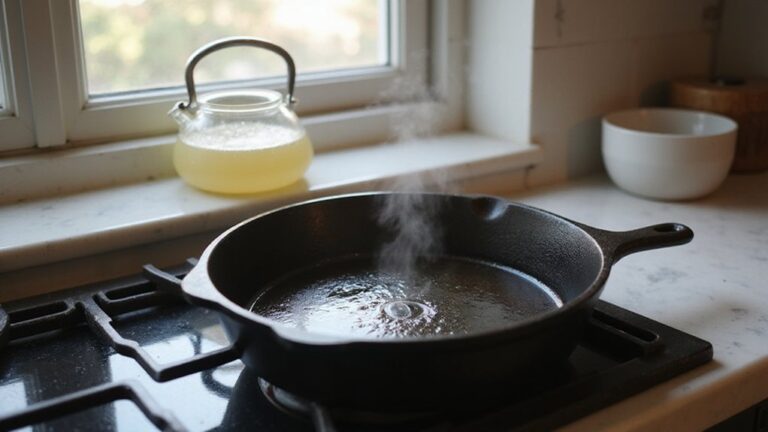
Now that your steak’s properly prepared and seasoned, you’ll want to focus on getting your cast iron skillet to the right temperature. Start on medium heat, then increase to medium-high after several minutes. Let it rest for approximately 10 minutes to guarantee even heat distribution. Cast iron’s exceptional heat retention allows you to maintain steady, consistent temperatures throughout cooking. Test readiness by placing a few water droplets on the surface—they should jump and dance before evaporating, indicating ideal searing temperature. Remember to avoid high heat to prevent overheating. Once ready, lightly coat the skillet with high smoke-point oil. Proper skillet maintenance and understanding heat retention characteristics guarantee your steak develops a perfect crust while cooking evenly. Additionally, remember that preheating the skillet helps ensure a superior sear and enhances the overall flavor of the dish.
Mastering the Searing Technique
Since you’ve preheated your cast iron skillet to the perfect temperature, you’re ready to execute the searing process that’ll develop your steak’s signature crust. Place your steak into the pan and listen for a loud sizzle—this confirms proper heat contact. Leave the steak undisturbed for 3-4 minutes, allowing the Maillard reaction to create a deep, caramelized crust. Resist the urge to move or flip prematurely. After the initial searing, flip once and cook the second side for another 3-4 minutes without manipulation. For best crust development, add 4 tablespoons unsalted butter, smashed garlic cloves, and fresh thyme to the pan. The addition of flavorful butter infusion enhances the steak’s richness, elevating its taste significantly. Continuously baste your steak with this mixture, rotating your skillet every 20-30 seconds to guarantee even heat distribution and mahogany-colored searing techniques. It’s also essential to pat the meat dry before cooking to achieve the best crust.

Use on cast iron skillets, dutch ovens, and carbon steel cookware to build seasoning and protect from rust

Made of cast iron and seasoned with natural vegetable oil. Excellent in heat retention and even heating
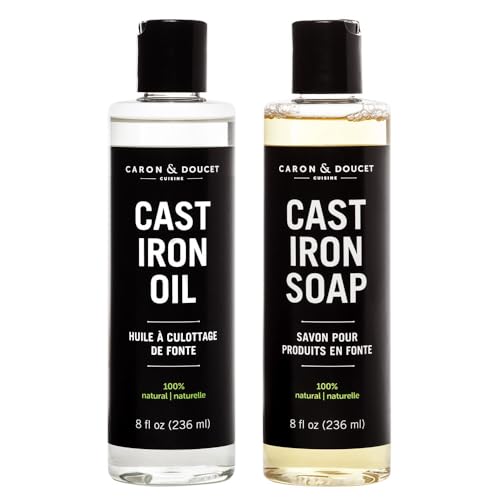
CLEANS CAST IRON | Includes our Cast Iron Soap unlike detergent based soaps, this soap is formulated with 100% natural plant-based oils & free of sulfates, phosphates, parabens & petrochemicals! Gentil on cast iron seasoning & on your hands!
Understanding Temperature Control
How you manage temperature throughout the cooking process determines whether your steak finishes with an evenly seared crust and a properly cooked interior. Cast iron‘s superior heat retention minimizes temperature fluctuations during cooking, maintaining consistent searing conditions when you need them most. Additionally, properly seasoned cast iron cookware helps in achieving optimal heat distribution, which is essential for even cooking.
Start by preheating your skillet to 275°F for steaks exceeding two inches thick. Once you’ve achieved initial sear at medium-high heat, reduce to medium-low to prevent exterior charring while your interior continues cooking toward target doneness. This strategic temperature reduction prevents the surface from overcooking before reaching your desired internal temperature.
Monitor internal temps closely, removing your steak approximately 10°F before your target finish temperature. Carryover cooking completes the job during your mandatory resting period, delivering perfectly cooked results throughout. Adding a flavorful basting with butter during the final stage can enhance the overall taste and moisture of the steak.

Versatile Cooking Skillet: The Lodge Cast Iron Skillet is a multipurpose, everyday cooking pan that excels at searing, sautéing, baking, frying, and campfire meals
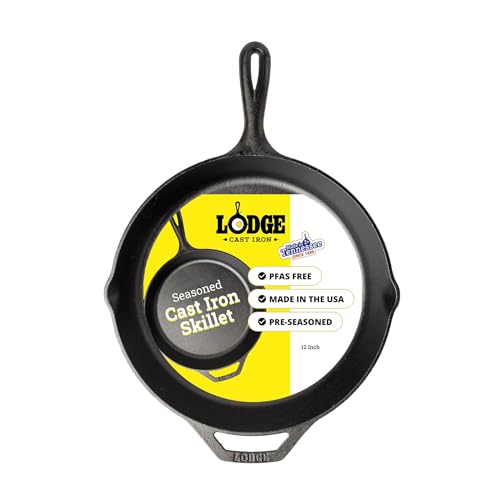
Quality Cast Iron Frying Pan: The Lodge Seasoned Cast Iron Skillet is loved for its great heat retention, incredible durability, and ability to make almost any recipe you dream up

Quality Cast Iron Frying Pan: The Lodge Seasoned Cast Iron Skillet is loved for its great heat retention, incredible durability, and ability to make almost any recipe you dream up
Achieving the Perfect Crust
A superior crust begins long before you place your steak in the skillet—it starts with meticulous preparation of the meat itself. Dry your steak in the refrigerator for 1-3 days to create a drier exterior that produces exceptional crust texture. Bring it to room temperature before cooking, then pat it dry with paper towels immediately before searing to remove excess moisture that inhibits browning. Season with sea salt about an hour prior, allowing flavor infusion and moisture reabsorption.
Additionally, it’s crucial to use a high smoke point oil when brushing your steak to prevent burning during the searing process.
Preheat your cast iron skillet to 500°F in the oven for 20-25 minutes, ensuring uniform heat distribution. Brush your steak with extra-virgin olive oil, then press it firmly onto the hot surface. Allow 30 seconds to 1-3 minutes undisturbed on each side before flipping, maintaining firm contact throughout searing. Additionally, achieving a good sear is vital for developing that desired caramelized crust.

Graza Frizzle Oil Made from 100% Olives: A neutral-flavored, high heat cooking oil made from 100% peak harvest olives. With a smoke point of up to 450 degrees, Frizzle is your high-heat kitchen hero. 1 bottle/750ml.

Light Buttery Flavor That Elevates Every Meal: Algae Cooking Club Chef-Grade Algae Oil enhances every dish with subtle richness. Its neutral profile makes it ideal for searing, baking, and dressings, transforming everyday meals into gourmet experiences.

Light Buttery Flavor That Elevates Every Meal: Algae Cooking Club Chef-Grade Algae Oil enhances every dish with subtle richness. Its neutral profile makes it ideal for searing, baking, and dressings, transforming everyday meals into gourmet experiences.
Enhancing Flavor With Basting
—
Once your steak’s reached medium-rare territory—about 5–30°F below your target doneness—it’s time to introduce basting, the technique that transforms a seared exterior into restaurant-quality brilliance.
Add 2–4 tablespoons of butter with 2–4 peeled garlic cloves and 1–2 herb sprigs (rosemary or thyme work excellently). Include a teaspoon of olive oil to prevent butter from burning, as oil offers a higher smoke point that can withstand necessary temperatures without burning. Tilt your pan to pool the mixture, then continuously spoon it over the steak using basting techniques for even coverage. Flip periodically for balanced flavor infusion.
Maintain medium-low heat throughout. Remove garlic once golden, and add herbs in the final minutes to preserve their aromatic qualities. Bast for 1–3 minutes total. This process builds nutty, complex flavors while creating that coveted glossy finish you can’t achieve through searing alone. Incorporating herb butter basting will elevate your steak’s flavor and richness in a way that complements the dry rub perfectly.
—
Let me know if you need any further assistance!

Rich Garlic Butter Flavor – Combines savory garlic, creamy butter notes, and premium herbs for a mouthwatering seasoning that elevates any meal
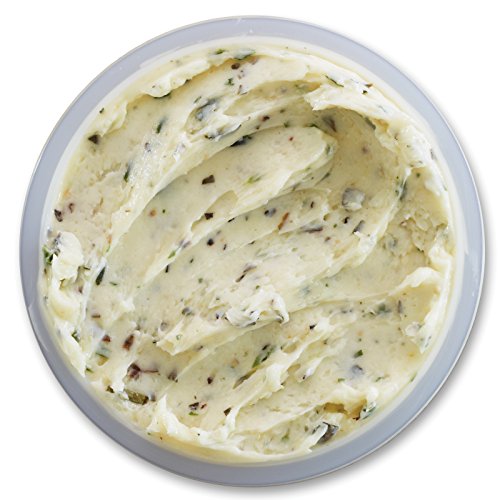
RICH AND SAVORY FLAVOR: Immerse your taste buds in the decadent taste of roasted garlic paired with a delightful blend of oregano, basil, and parsley in every luxurious bite of our compound butter.

Ingredients: Butter (Cream, Salt), Roasted Red Pepper Puree, Salt, Dried, Tomato, Spices, Citric Acid, Granulated Sugar, Onion Powder. Contains: Milk.
Determining Doneness and Timing
Perfect timing separates a mediocre steak from an exceptional one, and you’ll achieve it by understanding the relationship between internal temperature, carryover cooking, and your target doneness level.
Remove your steak 5-10°F below your target temperature, accounting for the approximately 10°F rise during resting. For medium-rare, pull at 115-120°F for a final 130-135°F finish. Use an instant-read thermometer inserted into the thickest portion for precise readings. Inserting the probe correctly ensures you get an accurate internal temperature reading.
Your doneness indicators guide cooking adjustments throughout the process. One to 1.5-inch steaks sear 3-4 minutes per side at 500°F. Thicker cuts transfer to a 275-400°F oven after searing. Monitor temperatures regularly to prevent overshooting, ensuring you remove your steak at the exact moment it’ll reach perfection during carryover cooking.
Resting and Serving Your Steak
Your steak’s journey isn’t finished the moment it leaves the cast iron—in fact, what you do next determines whether all that careful timing pays off. Transfer your steak to a cutting board and loosely cover it with foil using proper resting techniques. This 5-10 minute period allows residual heat to finish cooking while muscle proteins relax, redistributing juices throughout the meat. Interestingly, the process of resting meat is similar to the principles behind the Dutch oven’s heat retention, which exemplifies how thoughtful design enhances cooking results. It’s also important to consider using an oven-safe probe thermometer, as it can provide continuous temperature monitoring while your meat rests. For serving suggestions, apply flavorful toppings like herb butter once resting concludes. Slice only after the full resting period to lock in juiciness. Plate immediately and serve promptly to maintain ideal temperature and texture, ensuring every bite delivers the tenderness and moisture your careful cast iron work created.