You’ll master Lodge cast iron by seasoning properly with high smoke-point oils and oven heat at 450–500°F to build a natural non-stick surface. Preheat gradually on low-to-medium heat, testing readiness with water droplets. Apply thin oil layers after preheating, avoiding acidic foods until seasoning establishes. Hand wash immediately with minimal soap, dry thoroughly, and store in a moisture-free environment. Consistent maintenance transforms your skillet into a flavor-building tool that improves with every meal you prepare—discover how strategic cooking choices deepen this process.
Preparing and Seasoning Your Lodge Cast Iron Skillet
Because proper seasoning creates a natural, polymerized non-stick surface that strengthens with use, understanding this foundational step is essential to getting the most from your Lodge skillet. Start by washing your skillet with warm, soapy water and drying it thoroughly with a lint-free cloth to prevent rust and guarantee maximum oil bonding. Additionally, Dutch ovens serve a similar purpose for cooking desserts outdoors, making them a versatile tool for campers.
When applying seasoning techniques, use high smoke-point oil types like soy-based, canola, or rendered animal fats. Apply an incredibly thin, nearly invisible layer across the entire surface—inside, outside, and handle—avoiding excess buildup.
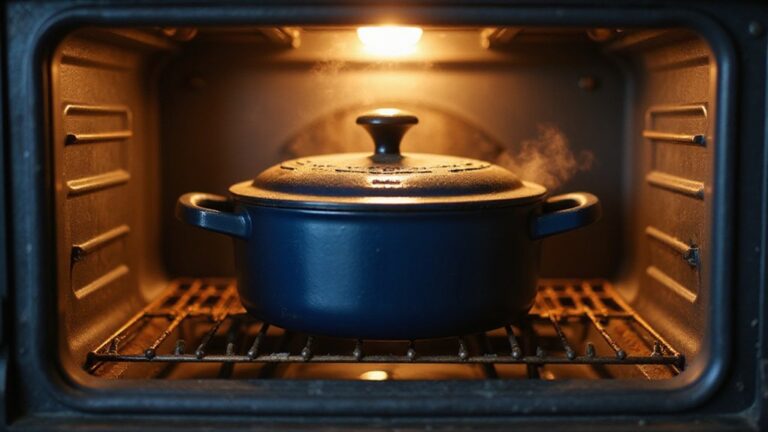
Preheat your oven to 450–500°F and place your skillet upside down on the center rack for one hour. Allow it to cool gradually inside the oven. This polymerization process creates a durable, slick finish that improves with regular cooking. Additionally, proper maintenance techniques will help preserve the seasoning for many generations of use.

Mild and Easy: Grapeseed Oil is at its best in stir-fries and sautés; it doesn't overwhelm other ingredients and lets fresh flavors shine. When grilling or frying, it is a must-have in the pantry.

Light Buttery Flavor That Elevates Every Meal: Algae Cooking Club Chef-Grade Algae Oil enhances every dish with subtle richness. Its neutral profile makes it ideal for searing, baking, and dressings, transforming everyday meals into gourmet experiences.
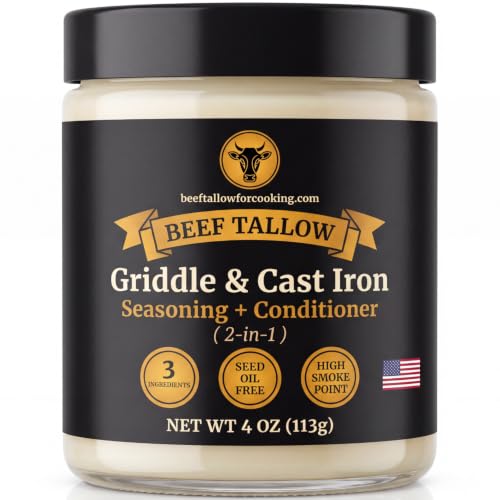
THE SEED OIL FREE FORMULA — Golden Render is the world's first seed oil free, tallow-based griddle seasoning & cast iron conditioner. While others use soy, shortening, grapeseed, sunflower or canola, we use just 3 clean ingredients: beef tallow, avocado oil & beeswax.
Preheating Your Skillet for Optimal Cooking Results
Once you’ve properly seasoned your Lodge skillet, preheating it correctly becomes your next critical step toward achieving ideal cooking results. You’ll start with preheating techniques that prioritize gradual heating—select a burner matching your pan’s size and use low to medium-low heat for about 3 to 5 minutes. This temperature control prevents thermal shock and guarantees even heat distribution across the cooking surface.
Test readiness by sprinkling water droplets onto the skillet; if they bubble and evaporate quickly, you’re ready. Alternatively, observe oil shimmer as your indicator. Add oil only after preheating, guaranteeing it’s hot enough before adding food. Remember to wear heat-resistant gloves during handling, and always avoid sudden temperature changes that risk cracking or warping your valuable skillet.
[Additionally, for recipes like cornbread, preheating the skillet in the oven at 375°F to 450°F for about 10 to 15 minutes ensures a crispy, golden-brown crust upon contact with the batter.]
Mastering Fat and Oil Application Techniques
You’ll find that selecting the right oils and fats fundamentally determines your skillet’s seasoning quality and cooking performance. Vegetable oil, canola oil, and melted shortening offer excellent smoke points and affordability for both seasoning and cooking. Alternatively, consider traditional fats like lard or bacon grease, though these require careful storage to prevent rancidity. A well-seasoned cast iron skillet ultimately provides superior heat distribution, enhancing your overall cooking experience.
When applying oil, use lint-free paper towels to spread an exceptionally thin, even layer across all surfaces. Excess oil causes tackiness and uneven seasoning, so restraint is essential. For oven seasoning, position your skillet upside down to minimize pooling. During cooking, add oil only after preheating below the specific oil’s smoke point. This systematic approach builds durable seasoning layers incrementally, enhancing your cast iron’s natural non-stick properties over time. Choosing to use butane for dabbing can similarly improve your experience by ensuring flavor preservation when cooking at high temperatures.

Graza Frizzle Oil Made from 100% Olives: A neutral-flavored, high heat cooking oil made from 100% peak harvest olives. With a smoke point of up to 450 degrees, Frizzle is your high-heat kitchen hero. 1 bottle/750ml.

Light Buttery Flavor That Elevates Every Meal: Algae Cooking Club Chef-Grade Algae Oil enhances every dish with subtle richness. Its neutral profile makes it ideal for searing, baking, and dressings, transforming everyday meals into gourmet experiences.

Light Buttery Flavor That Elevates Every Meal: Algae Cooking Club Chef-Grade Algae Oil enhances every dish with subtle richness. Its neutral profile makes it ideal for searing, baking, and dressings, transforming everyday meals into gourmet experiences.
Cleaning and Maintenance Best Practices
Proper seasoning sets the foundation for cast iron performance, but consistent cleaning and maintenance preserves that investment long-term. You’ll hand wash your skillet with warm water and mild dish soap immediately after each use, using a stiff-bristled brush to remove food residue. Never use your dishwasher, as it strips seasoning and causes rust. For added effectiveness in cleaning, you can also use kosher salt as a gentle abrasive to help remove stuck-on food particles.
Dry your pan thoroughly with a lint-free cloth, then place it on low heat for a few minutes to eliminate moisture completely. Apply oiling techniques by spreading a thin, even layer of vegetable or canola oil across all surfaces, wiping away excess to prevent stickiness. This systematic approach, endorsed by kimberly associations of cast iron experts, builds natural seasoning through regular use and protects against rust formation effectively. Additionally, regular maintenance ensures optimal performance for various dishes, similar to how Dutch ovens are versatile in accommodating different cooking methods.

Clean your cast iron pans with the uniquely designed chainmail that allows for safe treatment of pan

RESTORES & SEASONS | Set includes our Cast Iron Soap Cleaner and Cast iron Oil designed to restore & remove stubborn rust spots. Helps to remove burnt & stuck on food spots on your pan kit that develop over time. For all your chef camp and camping cookwear needs Take your cookware anywhere Made with high quality coconut oil to help season & enhanced with essential oils to eliminate odors.

YOUR NEW GO-TO ENAMELED CAST IRON CLEANER: The Lodge Enameled Cast Iron Cleaner will keep your enamel cast iron pans looking and cooking its best for generations. This gentle cleanser is entirely bleach and dye-free and specially designed to clean enameled cast iron, inside and out.
Exploring Cooking Methods to Enhance Seasoning
Beyond the foundational seasoning you’ve applied through oven baking, your everyday cooking methods play an essential role in building and maintaining your skillet’s non-stick surface. To maximize seasoning benefits, cook with moderate heat and incorporate fats or oils into your dishes. This practice promotes polymerization, gradually strengthening your coating with each use. Additionally, using adequate oil during cooking will further help in reducing sticking issues and enhancing your skillet’s seasoning.
Avoid common seasoning mistakes by steering clear of prolonged acidic food cooking initially, as acidity breaks down layers you’ve worked to build. Instead, prioritize higher-fat foods like sausages and hamburgers early on. Always preheat your skillet properly before adding food—this prevents sticking and preserves your seasoning. Additionally, applying a thin layer of olive oil after each use can further enhance the skillet’s seasoning and longevity.
Using Cast Iron on All Heat Sources
One of Lodge cast iron‘s greatest strengths is its versatility across virtually every cooking surface you’ll encounter. Your Lodge skillet handles temperatures up to 650°F, making it suitable for electric stoves, induction cooktops, ovens, grills, and campfires alike.
When using induction cooktops, you’ll benefit from the magnetic cast iron construction and smooth base design. For outdoor grilling and campfire cooking, adjust coal quantities based on environmental conditions to control temperature effectively.
Match your skillet size to burner size to optimize heat distribution and prevent damage. Avoid sliding cast iron on glass cooktops—lift it instead to prevent scratches. Preheat gradually to prevent thermal shock and maintain seasoning integrity across all heat sources. It’s important to remember that cooking with acidic foods should be approached with caution, as they can affect the polymerized oil seasoning layer and lead to a metallic taste.
Hand wash and oil your skillet regularly regardless of which heat source you’re using.

Versatile Cooking Skillet: The Lodge Cast Iron Skillet is a multipurpose, everyday cooking pan that excels at searing, sautéing, baking, frying, and campfire meals

Secure Dual Assist Handle: The Lodge Seasoned Cast Iron Dual Handle Pan features dual assist handles for a secure grip when moving this cast iron skillet

Quality Cast Iron Frying Pan: The Lodge Seasoned Cast Iron Skillet is loved for its great heat retention, incredible durability, and ability to make almost any recipe you dream up
Building Flavor Through Strategic Cooking Choices
As you master the basics of cast iron cooking, you’ll reveal that your skillet’s true potential lies in how strategically you use it. Your flavor enhancement strategy starts with ingredient variety—rotate between high-fat proteins, oil-rich vegetables, and starchy companions to build complex, layered tastes. Sear meats at high heat to create flavorful crusts that lock in juices. Pair proteins with naturally oily vegetables like mushrooms and zucchini for gentle seasoning reinforcement. Use one-pan meals to maximize flavor layering while minimizing cleanup. Avoid acidic ingredients and delicate foods until your skillet’s seasoning is established. Each cooking session deposits flavor into your skillet’s surface, creating a cumulative depth that transforms ordinary dishes into exceptional meals. Additionally, remember that proper seasoning significantly contributes to enhancing your skillet’s non-stick surface over time. To best preserve this seasoning, be sure to wash with minimal soap after each use, ensuring your skillet lasts for generations.

YOUR NEW GO-TO SEASONING SPRAY: The Lodge Seasoning Spray is the perfect seasoning spray to maintain your cast iron cookware. It is made of 100% canola oil - no additives or propellants, to protect your cookware and enhance its finish.

TLC for your griddle cooktop: All you need to build a slick, easy-release surface that's protected from rust and easy to work with using Blackstone griddle seasoning and cast iron conditioner
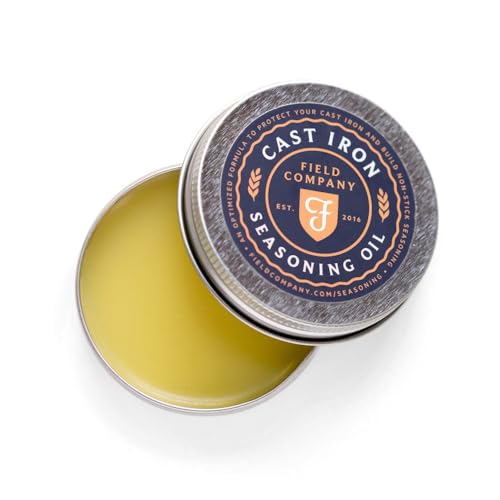
HOW TO USE: The key to naturally nonstick cast iron cookware? Cook often, and apply Seasoning Oil every time you clean your pan. Clean your cast iron with soap and a brush, then use a chain mail scrubber to smooth out existing seasoning layers. Apply a dab of Seasoning Oil and spread it thinly over the surface with a paper towel or clean rag. Wipe away excess oil to leave a dry, matte finish.
Preserving Your Skillet for Generations
Your cast iron skillet‘s longevity depends entirely on protecting the seasoning layer—that carbonized-oil coating that prevents rust and builds your pan’s non-stick character. Prioritize seasoning longevity by implementing consistent maintenance practices. After each use, wipe your skillet clean and apply a light oil layer before storing. For rust prevention, you’ll want to store your pan in a dry, temperature-stable location away from moisture-prone areas like basements or garages. If rust appears, scrub vigorously with steel wool, then re-season by baking your pan upside down at 450–500°F for one hour. Regularly checking for damaged parts, much like a butane torch, can be key to maintaining your skillet. Stack pans with paper towels between them to absorb moisture. Additionally, be sure to thoroughly dry the pan after cleaning to prevent rust from forming. By committing to these systematic care practices, you’ll preserve your skillet for generations.