You’ll pour 2-3 tablespoons of kosher salt into your warmed skillet and scrub moderately with a clean kitchen rag, working the bottom, sides, and handle. For stubborn buildup, create a slurry mixing salt with hot water. Rinse promptly with warm water using a gentle stream, then immediately dry with a lint-free cloth and heat on the stovetop for several minutes. Finally, apply ½ teaspoon of high-smoke-point oil and bake at 200°F for an hour to restore seasoning. There’s much more to mastering cast iron maintenance.
Essential Supplies for Cast Iron Cleaning
To properly clean and maintain your cast iron skillet, you’ll need five essential categories of supplies: specialized cleaning tools, appropriate salt varieties, suitable oils for seasoning, equipment for drying and heating, and additional cleaning aids. For cleaning frequency, you’ll want soft sponges and natural fiber brushes for daily maintenance, with chain mail scrubbers for stubborn residue. Kosher salt serves as your primary abrasive, though salt alternatives like sea salt or coarse salt work equally well. Additionally, always start cleaning when the skillet is still warm to prevent cracking the cast iron. You’ll require vegetable or canola oil for post-cleaning seasoning. Stock paper towels for drying and have your stovetop burner ready for moisture evaporation. Finally, keep baking soda and mild dish soap accessible for burnt-on food, plus pot holders for safe handling of warm skillets during your cleaning routine. For optimal cleaning results, remember that using the correct surface can enhance the effectiveness of your cleaning efforts.

PREMIUM MATERIAL: The cast iron skillet cleaner applies premium grade never rusting stainless steel. It is built with soldered and handmade construction, which makes it durable and stronger. Boasting unmatched durability for long-lasting use

EXTREME PRECISION AND CONTROL WITH 316 GRADE STAINLESS STEEL RINGS. With a larger surface area and smaller rings, you can confidently get into small grooves and corners with our chainmail scrubber for cast iron pans

SCRUBBER, SCRAPER AND TOWEL: 1 Scrubber, 1 scraper, 1 Towel. The cast iron scrubber is made of Premium 316 stainless steel and silicone, which meets food safety standards. The pan scraper is made of high-quality ABS plastic, non-stick and non-cracking. The Towel is made of made of high-quality microfiber.
Getting Your Skillet Ready
Before you begin the salt scrubbing process, you’ll need to prepare your cast iron skillet properly to confirm effective cleaning and prevent rust formation. Start by rinsing the skillet with lukewarm water to loosen debris and food residues, then remove large chunks of stuck-on food manually. Dry the skillet thoroughly with a lint-free cloth immediately after rinsing—moisture retention accelerates rust development. If rust is present, use a Rust Eraser or steel wool on a cool, dry surface before washing. Establish consistent cleaning frequency to maintain your skillet’s condition and minimize rust accumulation. Never soak the pan or use a dishwasher, as both strip seasoning and promote corrosion. This preparation confirms your skillet’s ready for effective salt cleaning and longevity. Additionally, consider using blanching techniques to improve the longevity of your cast iron’s seasoning before each use. It is also important to ensure thermometer accuracy when cooking to achieve optimal cooking results.
The Salt Scrubbing Method
The salt scrubbing method‘s effectiveness hinges on selecting the right salt and applying proper technique. You’ll want to use coarse kosher salt, as its larger salt grain types provide superior abrasion compared to fine table salt. Pour 2 to 3 tablespoons into your warmed skillet.
Using a clean kitchen rag or paper towel, you’ll apply moderate scrubbing pressure—firm enough to dislodge baked-on food without damaging the seasoning layer. Work across the bottom, sides, and handle methodically. As you scrub, the salt darkens, indicating it’s lifting residue and grease effectively. To enhance the cleaning process, make sure to add coarse kosher salt as it acts as an ideal abrasive for tougher residues.
For stubborn buildup, some methods recommend mixing salt with a small amount of hot water to create a slurry. Additionally, this method is similar to using abrasive agents like coarse salt, which can be effective for tough residues. Continue until the surface feels clean and residue-free.

Mineral-Rich: Unrefined to preserve essential minerals, our Baja sea salt enhances the flavor & nutritional value of your dishes. This coarse salt for grinder refill adds depth to every dish, making it a healthy & flavorful choice for your kitchen.

No additives; Only pure kosher salt

Premium kosher sea salt from the Mediterranean
Rinsing Away the Debris
After you’ve completed the salt scrubbing method, you’ll need to rinse away the loosened debris and salt granules promptly to prevent them from settling back onto the skillet’s surface. Use a gentle tap stream with warm or hot water, as these temperatures effectively loosen residual particles better than cold water. Tilt your pan to direct water flow across all areas, avoiding puddling that causes stagnation. Your rinsing techniques should prioritize minimal water contact to prevent rust formation and seasoning degradation. If needed, employ a soft, non-metallic brush to dislodge persistent particles. To maintain its durability, it’s essential to thoroughly dry the skillet immediately after rinsing. Never use harsh detergents routinely. Immediately after rinsing, wipe your skillet thoroughly with a lint-free cloth to eliminate surface moisture before proceeding to complete drying. Additionally, maintaining a well-seasoned skillet is crucial for preventing food from sticking and ensuring longevity.

Easy Cleanup Tool: The Lodge Scrub Brush is designed to help tackle stubborn food residue and simplify cast iron cookware cleanup

Scrubs without soap to preserve seasoning and protect surfaces
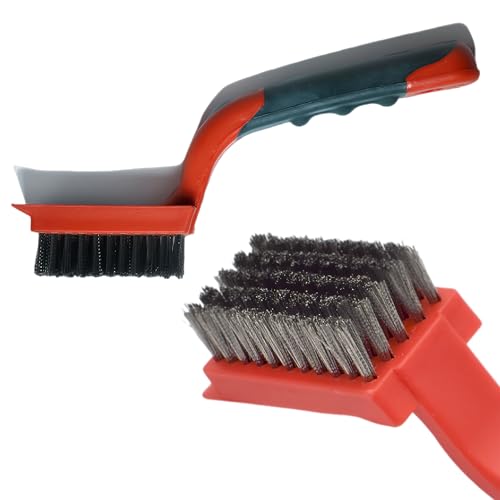
Safe for Cast Iron: Specifically designed for use with cast iron cookware, the brush ensures thorough cleaning without stripping away the seasoning.
Drying Your Skillet Completely
Moisture is your cast iron skillet‘s greatest enemy, and you’ll need to eliminate every trace of it to prevent rust formation and preserve your seasoning layers. After rinsing, immediately wipe the skillet with a clean cotton cloth or paper towel to remove surface water. For complete drying techniques and moisture prevention, place the skillet on your stovetop over medium-low heat for approximately five minutes until a light wisp of smoke appears. This heat-based approach evaporates trapped moisture from the cast iron’s porous structure, which air-drying alone cannot accomplish. Additionally, regular exposure to high temperatures helps build and maintain the skillet’s natural nonstick seasoning, and once the skillet reaches dryness, turn off the heat and allow it to cool briefly before handling to avoid burns and protect your seasoning surface from damage.
Restoring the Seasoning
Once you’ve thoroughly dried your skillet, you’re ready to restore its seasoning—the protective layer that prevents rust and creates a natural non-stick surface. Salt cleaning prepares your skillet by exposing fresh metal where seasoning will bond most effectively. Heat your skillet to a warm temperature, then apply approximately 1/2 teaspoon of high-smoke-point oil—canola, safflower, or Crisco work best—across the entire surface, including the handle and exterior. It’s important to note that while cast iron is generally safe for use, using cast iron on a glass top stove should be done with caution to avoid damaging the surface. Place it in a 200°F oven for one hour, then cool completely inside. Repeat this oiling and baking cycle three to five times for ideal seasoning restoration. Each layer builds a darker, smoother, non-stick finish. Your properly seasoned skillet will eventually develop that coveted dark patina that improves with every use. This method of building a seasoning layer is effective because it creates a natural, healthy surface that enhances the performance of your skillet.

Graza Frizzle Oil Made from 100% Olives: A neutral-flavored, high heat cooking oil made from 100% peak harvest olives. With a smoke point of up to 450 degrees, Frizzle is your high-heat kitchen hero. 1 bottle/750ml.

Light Buttery Flavor That Elevates Every Meal: Algae Cooking Club Chef-Grade Algae Oil enhances every dish with subtle richness. Its neutral profile makes it ideal for searing, baking, and dressings, transforming everyday meals into gourmet experiences.

Light Buttery Flavor That Elevates Every Meal: Algae Cooking Club Chef-Grade Algae Oil enhances every dish with subtle richness. Its neutral profile makes it ideal for searing, baking, and dressings, transforming everyday meals into gourmet experiences.
Best Practices for Long-Term Care
Your cast iron skillet’s longevity depends on consistent daily maintenance that protects the seasoning you’ve worked to build. You’ll achieve rust prevention by thoroughly drying your pan with kitchen towels immediately after cleaning, paying special attention to rims where moisture collects. Apply a thin oil coating before storage to create a protective barrier against environmental humidity. Store your skillet in dry conditions using plastic separators between lids and bodies to maintain proper airflow. Additionally, it can be beneficial to occasionally use modern dish soaps to help remove any stubborn food residues that may form.
The seasoning benefits compound when you apply a lightweight oil layer after each use. You should avoid dishwasher use, which introduces harsh detergents and excessive heat that encourage oxidation. Regular cleaning with methods such as a chain mail scrubber preserves the skillet’s finish and prevents food residue buildup. By implementing these practices consistently, you’ll preserve your pan’s non-stick properties and prevent rust formation while extending your cookware’s functional lifespan considerably.
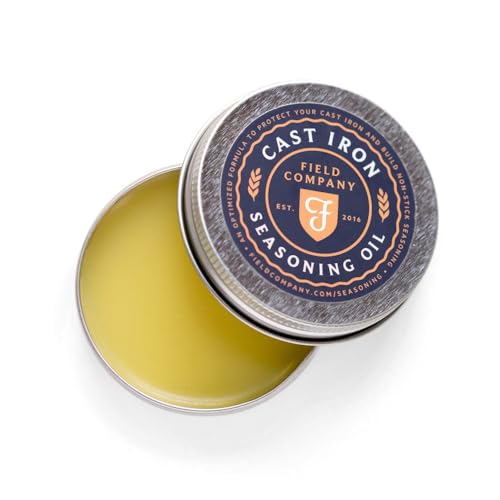
HOW TO USE: The key to naturally nonstick cast iron cookware? Cook often, and apply Seasoning Oil every time you clean your pan. Clean your cast iron with soap and a brush, then use a chain mail scrubber to smooth out existing seasoning layers. Apply a dab of Seasoning Oil and spread it thinly over the surface with a paper towel or clean rag. Wipe away excess oil to leave a dry, matte finish.

PREMIUM CAST IRON CONDITIONING & SEASONING OIL | Made with FOOD grade, solvent-less, refined coconut oil that is safe for food contact and cast iron surfaces. The result is a premium product that does not go rancid.

YOUR NEW GO-TO SEASONING SPRAY: The Lodge Seasoning Spray is the perfect seasoning spray to maintain your cast iron cookware. It is made of 100% canola oil - no additives or propellants, to protect your cookware and enhance its finish.
Common Mistakes to Avoid
Even with the best intentions, common cleaning errors can quickly undermine the seasoning you’ve carefully developed. Overusing soap strips away protective layers faster than you’d expect. Stick to mild dish soap in minimal amounts—heavy-duty detergents cause irreversible damage. Soaking risks are equally severe; cast iron’s porous nature absorbs water readily, creating rapid rust formation even from brief contact. Never leave your skillet wet. Steel wool and metal scrubbers aggressively strip seasoning, leaving bare metal vulnerable to oxidation. Instead, use chainmail scrubbers for effective cleaning without harm. Incomplete drying invites rust; always towel-dry immediately, then heat your skillet for several minutes on the stovetop. It’s important to note that proper seasoning creates a protective layer, which not only prevents rust but also enhances the flavor of your food. Finally, apply a light oil coating after drying to maintain your protective barrier and preserve non-stick properties. Proper olive oil application is crucial for creating a natural seasoned finish, which protects and enhances the skillet’s performance.