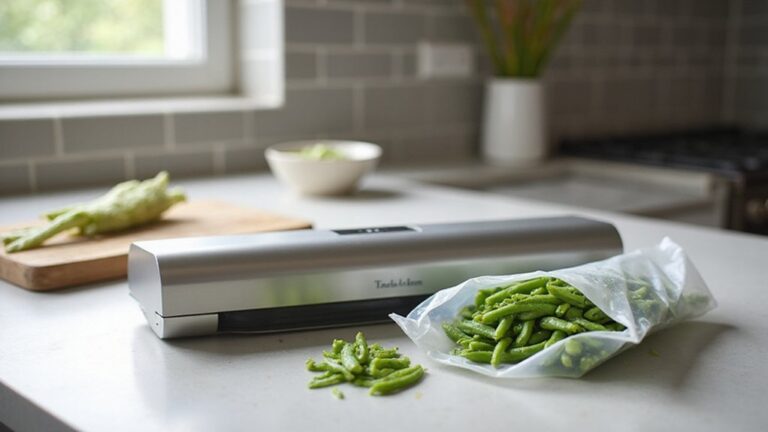
Yes, you can vacuum seal squash without blanching for four to six months with acceptable quality. However, you’re trading long-term preservation for convenience. Enzymes continue degrading flavor, color, and texture over time, though vacuum sealing slows this process by removing oxygen. For ideal results, flash freeze your squash first to prevent clumping. If you’re planning consumption within six to eight weeks, unblanched squash works perfectly for soups and purees. Understanding when unblanched preservation truly serves your needs requires examining specific applications.
The Feasibility of Skipping the Blanching Step
While blanching’s traditional role in food preservation is well-established, you can successfully vacuum seal squash without this preparatory step if you’re planning to use it within 4 to 6 months. This approach works particularly well for butternut and summer squash varieties, which maintain acceptable quality during short-term freezing. Vacuum sealing removes oxygen that contributes to spoilage, though enzymatic activity continues despite the airless environment. For your purposes, enzyme degradation remains minimal during this timeframe, helping to preserve flavors and nutrients. Proper drying and flash freezing squash pieces on a tray before vacuum sealing prevents clumping and eases handling. You’ll find this method practical and convenient when you prioritize quick consumption over extended storage, making blanching unnecessary for your immediate culinary needs.
How Enzymes Affect Frozen Squash Quality
Because you’re skipping blanching, you’ll need to understand how enzymes continue degrading your frozen squash’s quality over time. Freezing alone doesn’t stop enzyme activity—it merely slows it. Peroxidase, ascorbic acid oxidase, and lipoxidase remain active in unblanched squash, catalyzing ongoing chemical reactions throughout storage.
These enzymes trigger flavor degradation, off-colors, texture toughening, and nutrient loss. Without enzyme inactivation, your squash experiences progressive sensory deterioration. Off-flavors intensify during extended frozen storage, while color and firmness diminish steadily.
Research demonstrates that blanched squash maintains superior quality because enzyme inactivation halts these degradation pathways. Your unblanched squash will show increasingly noticeable quality loss compared to properly blanched alternatives, making enzyme control critical for preservation success.
The Role of Vacuum Sealing in Preservation
Now that you understand enzyme activity‘s relentless degradation of unblanched squash, you’ll recognize that vacuum sealing addresses the other half of the preservation equation. By removing oxygen, you create an inhospitable environment for microbial growth and oxidative processes that compromise squash quality. Vacuum sealing benefits extend beyond simple storage—you’ll greatly extend shelf life by three to five times compared to conventional methods. This food preservation technique maintains moisture balance essential for texture retention while preventing freezer burn during extended freezing. You’ll preserve nutritional content, color, and flavor without chemical additives. The airtight barrier protects against external contamination and environmental fluctuations. Additionally, meat thermometers measure ambient temperature effectively when placed properly, and combined with proper blanching protocols, vacuum sealing provides thorough protection, ensuring your squash maintains ideal quality throughout storage. Additionally, vacuum-sealed food can stay fresh up to five times longer than food stored using conventional methods, adding to its effectiveness in food preservation.

【Suitable for two types of Mason jars】The electric Mason jar vacuum sealer contains two sizes of mouth seals for your daily use. To get the standard mouth seal jar, simply insert the red arrow on the standard mouth seal converter, align it with the unlock symbol on the main unit and then insert it inside the silicone ring in the wide mouth seal area and tighten it clockwise, at this point the arrow is aligned with the lock symbol, which indicates a successful installation.
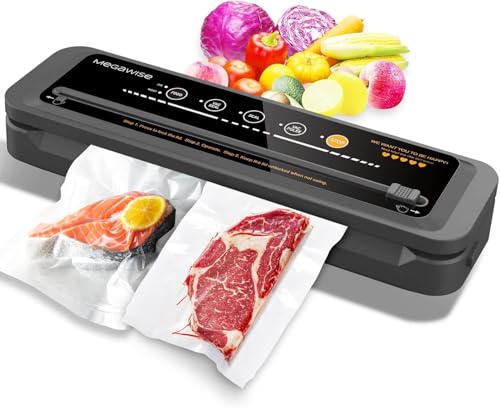
80kPa Suction Power: Updated 2025 vacuum sealer uses a DC motor pump with electromagnetics and pure copper for enhanced suction power. It sucks all air out tightly to preserve your meat and vegetables for 10 times longer or more to prevent oxidation and keep things fresh. Updated version solved many issues found from previous version

80kpa Suction Power - Updated vacuum sealer uses a DC motor pump with electromagnetic perm and pure copper core to enhance its suction power. It sucks all air out tightly to preserve your meat and vegetables for 10 times longer or more to prevent oxidation.
Flash Freezing as a Preparation Method
Flash freezing offers you a powerful alternative to blanching that preserves squash’s original texture and structural integrity. This freezing technique involves arranging uniform squash slices in a single layer on parchment-lined trays, then freezing them solid for 1-2 hours before transferring to vacuum seal bags.
The flash freezing benefits include maintaining crispness suitable for frying or sautéing without the softening effects blanching causes. Your freezing techniques should prioritize proper preparation: wash squash, slice to 1/4 inch thickness, and ascertain pieces remain separated during the initial freeze phase.
Once frozen solid, transfer your squash directly into vacuum seal bags, removing excess air for peak preservation. This method allows you to use pieces individually rather than thawing entire blocks, providing convenience and quality retention for your culinary applications.
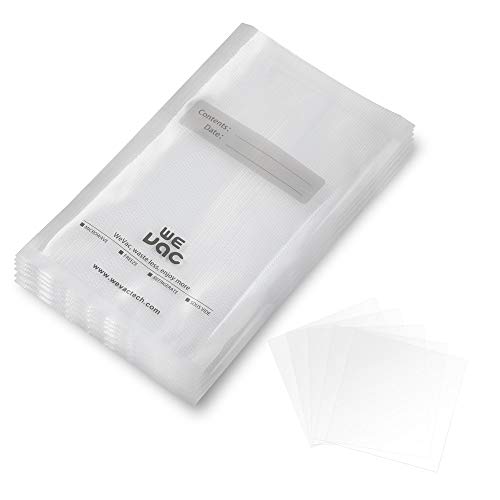
HEAVY DUTY AND PUNCTURE PREVENTION - 6x10 pre-cut pint bags with embossed channels increase suction, keep fresh without freezer burn or dehydration
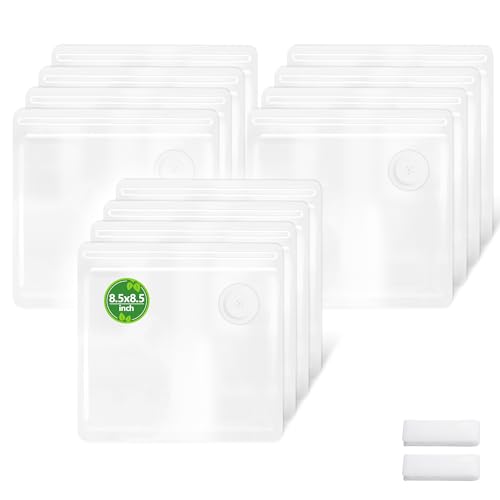
【Eco-Conscious & Cost-Effective Solution】 Crafted from BPA-free, food-grade materials, these bags are not only safe for your family but also reusable and easy to clean. The durable construction withstands multiple uses (wash, dry, and re-vacuum), significantly reducing your reliance on single-use plastic bags and disposable wraps. By minimizing food spoilage and allowing bulk-buy savings, this set pays for itself while supporting a greener, more sustainable kitchen lifestyle.

6X Freshness Preservation Airtight Seal: Our premium vacuum sealer bags for food extend shelf life by 6x, sealing in freshness, flavor and nutrients fully. Blocks freezer burn, moisture and odors, outperforming ordinary storage bags.
Recommended Storage Duration for Unblanched Squash
Since you’re storing vacuum-sealed unblanched squash, you’ll need to understand that gas emissions from yellow squash, zucchini, and Japanese eggplant create distinct storage limitations compared to blanched alternatives. In your refrigerator at 41°F, unblanched vacuum-sealed squash maintains acceptable quality for approximately 7 days. If you lower your temperature to 34°F, you’ll extend preservation to roughly 30 days, though gas emissions continue degrading quality throughout storage.
For freezer storage, unblanched squash remains acceptable for approximately 10 months when properly vacuum-sealed. However, gas accumulation compromises seal integrity, accelerating texture deterioration and freezer burn risk. Your storage tips should include using two-cup portions and maintaining flat orientation to minimize pressure on sealed bags. These practices help mitigate gas emissions’ negative effects on long-term preservation. Additionally, vacuum sealing can significantly improve food quality and longevity when combined with proper storage practices.

HEAVY DUTY AND PUNCTURE PREVENTION - 8x12 pre-cut Quart bags with embossed channels increase suction, keep fresh without freezer burn or dehydration

Effortless and Precise Cutting: The 11-inch x 150-feet vacuum sealer rolls include a cutter for maximum convenience. Simply mount the cutter onto the box, pull a portion of the roll through the top opening, and easily customize the size you need. This can ensure smooth, even and straight cuts, significantly faster and more accurate than using scissors, making the process simpler and saving your time.
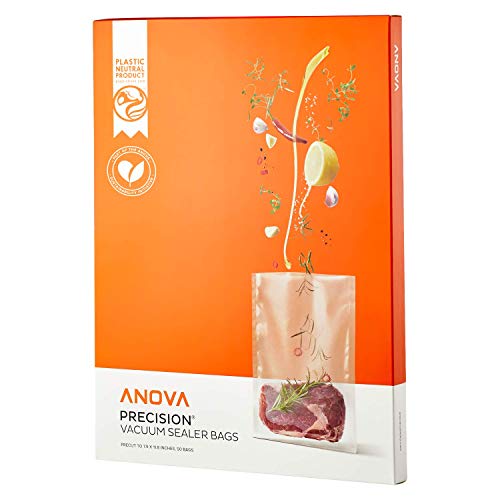
PRE-CUT FOR THE QUICKNESS: Including 50 8. 6″ x 11. 8″ bags with easy-tear tops, you can drop your food directly into your bag, seal it up, and get straight to cooking. A perfect option for the cook who likes to move quickly in the kitchen.
Benefits of Blanching Before Vacuum Sealing
While vacuum sealing unblanched squash extends refrigerator storage to 30 days and freezer storage to 10 months, you’ll notice significant quality degradation despite the oxygen-free environment. Blanching advantages become apparent when you consider enzyme inactivation. Heat treatment deactivates polyphenol oxidase and other degradative enzymes that continue deteriorating color, flavor, and texture regardless of vacuum sealing’s oxygen removal. This process mirrors how restoring the protective seasoning layer on cast iron skillets can maintain their cooking performance and food quality.
You’ll achieve superior nutritional preservation through blanching. Enzyme-driven nutrient loss diminishes substantially when you halt enzymatic activity before freezing. The brief boiling followed by rapid ice-bath cooling stabilizes cell walls, maintaining vegetable firmness and preventing the mushy texture unblanched squash develops during storage.
You’ll also preserve vibrant color and fresh taste compounds. Blanching prevents enzymatic browning and oxidative reactions, ensuring your frozen squash retains visual appeal and delicate flavors throughout extended freezer storage. Additionally, vacuum sealing can help maximize shelf life by reducing exposure to air, just as it does for vacuum-sealed sausages.
Step-by-Step Vacuum Sealing Technique
Successful vacuum sealing of unblanched squash requires three critical preparatory steps that directly influence storage quality and cooking performance. First, you’ll wash your squash thoroughly and cut it into uniform ¼ to ½ inch slices for even freezing. Next, you’ll remove excess moisture by patting the slices dry, then optionally coat them with cornmeal to improve texture. Flash freeze your prepared slices on a parchment-lined tray for 1-2 hours until they’re completely solid. This prevents sticking during vacuum sealing and maintains portionable pieces. When using your vacuum sealer, select the “dry” setting to accommodate lower moisture content. Pull the vacuum slowly to avoid crushing fragile slices, then complete the heat seal to prevent air ingress and freezer burn. Label your bags with the date before storage. Additionally, vacuum sealing can be particularly beneficial for extending shelf life by removing oxygen, which helps prevent spoilage.
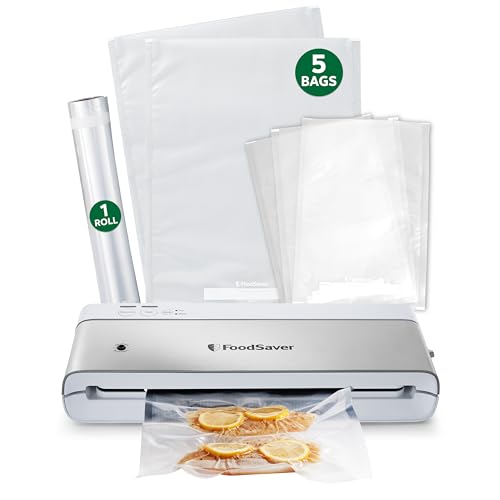
Extended Freshness: Keeps food fresh in the freezer up to 5x longer
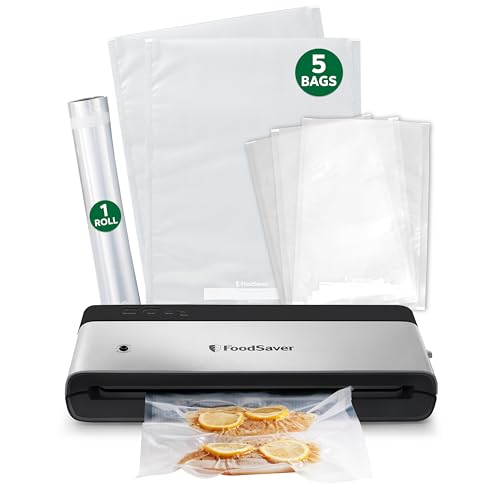
Long-lasting Freshness: Keeps food fresh in the freezer up to 5x longer, preventing freezer burn

Dollar Saver: Preserve food up to 3 years in the freezer, maintaining its freshness and taste
Why Texture Changes Occur in Unblanched Squash
When you freeze squash without blanching, you’re allowing multiple degradation mechanisms to work simultaneously against texture quality. Active enzyme activity breaks down cell walls and pectins, causing structural collapse. Simultaneously, freezing forms ice crystals that rupture weakened cells, releasing water during thawing. This cellular damage creates a soggy, mushy consistency that compromises firmness and mouthfeel.
Unblanched squash’s high water content migrates throughout frozen tissue, accumulating as excess liquid. This moisture contributes to texture breakdown and freezer burn formation. The combined effects of enzyme activity, ice crystal damage, and water migration render your frozen squash unsuitable for recipes requiring firm texture. Vacuum sealing alone cannot prevent these intrinsic degradation processes, making blanching essential for preserving structural integrity.
Moisture Management and Freezer Burn Prevention
Understanding why unblanched squash degrades is only half the battle—you’ll need to actively manage moisture to prevent the very mechanisms that cause texture breakdown. Start by patting your squash dry before sealing; excess surface moisture accelerates ice crystal formation, rupturing cells during frozen preservation. Flash freeze individual slices on trays beforehand to stabilize moisture content and prevent clumping. When vacuum sealing, use your machine’s dry setting to avoid excessive liquid suction that damages delicate tissue. Seal frozen—not fresh—squash to firm the structure and limit water migration inside bags. This moisture reduction strategy, combined with proper air removal, dramatically slows enzymatic reactions and freezer burn development. Additionally, vacuum sealing effectively extends food freshness while maintaining optimal flavor and nutrient levels. Store your sealed squash flat in thin layers for rapid freezing and minimal cellular damage.
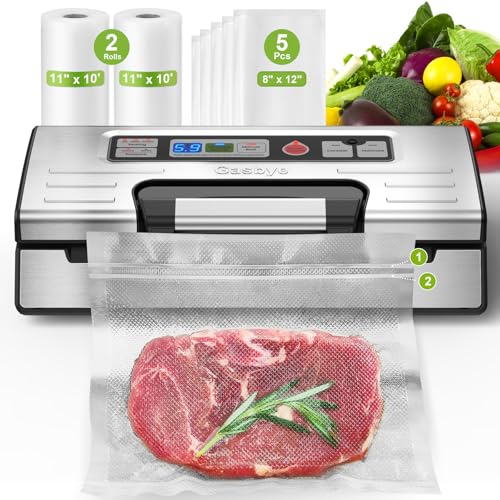
[95kPa Powerful Suction + Pulse Mode Control] Use Auto Vac & Seal for one-touch everyday sealing—powerful 95kPa suction delivers consistent vacuuming and tight seals. Use Pulse Mode for gentle, step-by-step control. It’s ideal for delicate foods to help prevent crushing, and for moist foods to help keep liquids in the bag—for cleaner, more reliable seals

6-in-1 Vacuum Sealer Machine: One touch operation, easy to use. Moist & Dry modes keep every type of food fresh longer; Vac - click to operate; Seal - seal only, do not compress; Rice - for thicken bags; External vacuum - preserves jars, canisters and wine; Built-in cutter
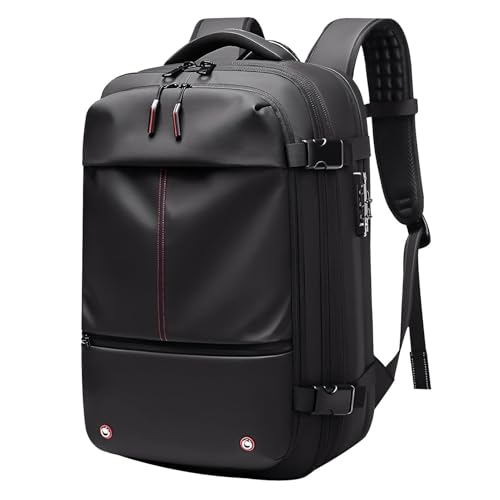
Vacuum Compression: This backpack features a built-in electric pump to compress clothes, saving up to fifty percent of space. It allows you to pack more items efficiently for short trips or long vacations without increasing the bag's external size.
When Unblanched Squash Works Best for Your Needs
Because unblanched squash occupies a practical niche in preservation strategies, you’ll find it most effective when prioritizing convenience over extended storage. You’ll achieve ideal texture retention with small cuts like shredded zucchini that vacuum seal successfully without blanching. For longer-term freezing beyond three months, you’ll want to blanch first, as unblanched squash experiences flavor degradation and enzymatic breakdown over extended periods. You’ll benefit most from unblanched vacuum sealing when planning consumption within six to eight weeks. This approach works well for quick meal prep, purees, baking applications, and soups where texture changes matter less. You’ll also maximize results by freezing immediately after sealing to minimize enzymatic activity and maintain acceptable flavor levels for short-term use.