You’ll create a silky custard base by whisking egg yolks with sugar, then tempering them with warm vanilla-infused cream. Pour the mixture into ramekins, set them in a water bath, and bake at 265–275°F until the edges set while the center wobbles slightly. After chilling overnight, you’ll position your oven rack 4–6 inches from the broiler, sprinkle sugar atop each custard, and broil for 5–10 minutes until the sugar caramelizes to deep amber. The techniques ahead reveal how to achieve that perfect crisp shell consistently.
Gathering Your Ingredients
Before you’ll need to assemble the four essential components that form the foundation of crème brûlée: heavy cream, egg yolks, sugar, and vanilla. Your ingredient selection directly determines the dessert’s final quality and texture.
Start with heavy cream containing at least 36% fat content—quality matters greatly here. You’ll need 1.5 to 3 cups depending on your batch size. Select large egg yolks, requiring 4 to 6 per recipe. Yolks alone create the velvety custard texture; whole eggs produce an undesirably firm result.
Gather granulated or caster sugar for two purposes: mixing into the custard base and creating the caramelized topping. You’ll also want pure vanilla extract (1 to 1.5 teaspoons) or a vanilla bean pod for superior flavor development.
Finally, collect a pinch of salt to enhance flavor complexity without detectability.

One 32 fluid ounce carton of Heavy Whipping Cream, Ultra-Pasteurized

One 16 fluid ounce carton of Heavy Whipping Cream, Ultra-Pasteurized

One 16 oz carton of Organic Valley Ultra Pasteurized Organic Heavy Whipping Cream
Preparing the Custard Base
The foundation of exceptional crème brûlée relies on properly infusing and tempering your cream before combining it with egg yolks. You’ll heat heavy cream with vanilla bean for approximately 10 minutes, then allow it to infuse for up to an hour with the lid on for deeper flavor development. After infusion, you’ll cool the cream for 10 minutes—this critical step guarantees egg safety by preventing curdling when you combine the mixtures. Remove any skin that forms on the surface. Slowly pour your warm cream into the egg yolks while whisking constantly, employing proper tempering infusion techniques to avoid cooking the eggs. Whisk until smooth, then strain the custard base through a fine mesh strainer, removing any cooked bits for a silky texture.
Tempering the Egg Yolks
Once you’ve cooled your infused cream, you’re ready to prepare your egg yolks for integration into that hot liquid—and this step will make or break your custard’s texture. Begin by whisking your egg yolks with sugar until they’re pale and fluffy, which stabilizes the mixture against heat shock. Understanding egg yolk chemistry is essential: proteins denature rapidly under high temperatures, causing curdling. That’s where tempering techniques come in. Slowly add roughly 30% of your hot cream to the yolk mixture while whisking constantly. This gradual approach dilutes the proteins, allowing them to unfold gently rather than clump. Once incorporated, add the remaining cream slowly, whisking without vigor to prevent foam. Strain the mixture to remove any cooked particles before proceeding. Additionally, preheating your Dutch oven properly can impact the final texture by creating a steamy environment for the custard to set beautifully. A well-preheated Dutch oven retains heat and traps moisture, which enhances the cooking process and contributes to a silky custard consistency.
Straining for Smoothness
Now that you’ve tempered your eggs and combined all ingredients, straining becomes your essential next step toward achieving that signature silky custard texture. You’ll pour your mixture slowly through a fine-mesh sieve, using gentle pressure with a spoon if necessary. This straining technique removes cooked egg bits, vanilla bean debris, and air bubbles that compromise smoothness.
The straining benefits are considerable: you’ll eliminate lumps, prevent graininess, and guarantee even ingredient distribution throughout your custard. Straining directly into your ramekins or a separate bowl works equally well. This methodical step ensures your custard sets evenly during chilling, delivering that professional appearance and mouthfeel expected from quality crème brûlée. Though quick, straining markedly elevates your final product’s texture and consistency.
Setting Up the Water Bath
Before your custard enters the oven, you’ll need to prepare a water bath—an essential technique that transforms your crème brûlée from mediocre to exceptional. Select a 9×13-inch baking dish with sufficient depth to hold water halfway up your ramekins without spillage. Arrange ramekins with one-inch spacing between them to guarantee even heat circulation and moisture importance throughout cooking.
Preheat your oven fully, then boil water immediately before filling. Carefully pour hot water around the ramekins, avoiding direct contact with custard. This filling technique maintains temperature control while preventing contamination. Position the water bath on a middle rack for ideal heat exposure and oven safety. The need for precise even heat distribution is crucial in achieving a creamy texture similar to that used in Dutch oven cooking.
The water bath creates a gentle, humid cooking environment that prevents curdling and promotes even texture development through indirect heat distribution. This technique is also similar to Dutch oven cooking, where moisture and heat work together to create perfectly cooked dishes.

FREEZER-TO-OVEN: Thermal shock-resistant borosilicate glass allows this baking dish to go from the freezer directly to the oven without cracking. Ideal for meal prep, potlucks, entertaining, and convenient for everyday cooking and storage needs.
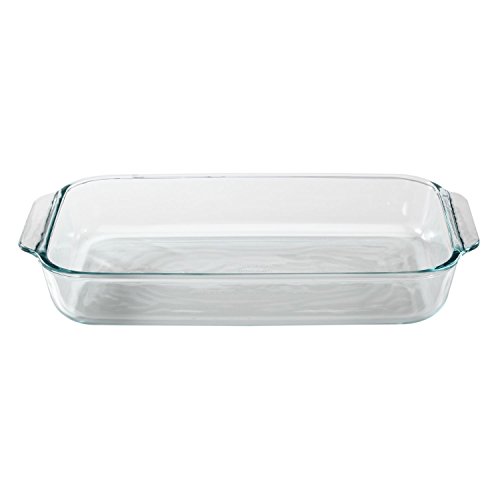
Measuring 9 x 13 - Perfect size for baking desert dishes
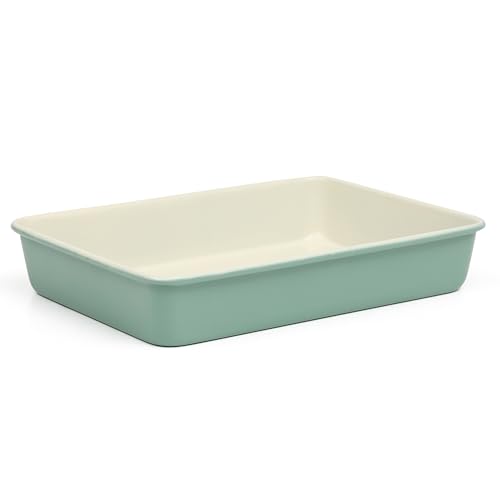
WHAT'S IN THE BOX: One 13-inch carbon steel cake pan. Measures 13 x 9 inches.
Baking Your Custard
With your water bath properly positioned on the middle oven rack, you’re ready to bake. Set your oven settings to 265–275°F for ideal custard texture. Baking time varies between 25 and 60 minutes depending on ramekin depth and your specific baking temperature.
Monitor doneness indicators carefully: the edges should set while the center maintains a slight wobble when gently shaken. Use an instant-read thermometer to verify internal temperature reaches 170–175°F, the most reliable doneness indicator. The distance-to-spot ratio helps in obtaining accurate measurements for cooking temperatures. The water bath distributes heat evenly, preventing curdling and ensuring consistent results. Additionally, vacuum sealing cheese can significantly extend its freshness, much like how a water bath helps maintain the custard’s texture.
Avoid overbaking, which produces an eggy, dry texture. Once done, begin the cooling process immediately by removing custards from the water bath. Cool to room temperature on a wire rack before chilling thoroughly for at least four hours.
Chilling and Resting
Once you’ve removed your custards from the water bath and cooled them on a wire rack for 1 to 2 hours, the chilling and resting phase begins—a period that’ll greatly improve both texture and flavor. Cover your ramekins tightly and refrigerate overnight or up to three days for best results. Vacuum seal bags can be an excellent method for preserving desserts, helping to maintain their freshness and avoid freezer burn during storage.
Chilling tips include maintaining consistent cold temperatures to guarantee proper structural set and the signature custard wobble. Resting benefits extend beyond texture; extended chilling enhances flavor complexity as ingredients meld, reduces egginess through protein stabilization, and permits moisture redistribution for silky mouthfeel. Avoid brûléeing immediately after refrigeration, as condensation can compromise sugar caramelization. Properly chilled and rested custards hold their shape during torchless caramelizing techniques, guaranteeing exceptional results. Additionally, proper seasoning of your cooking equipment can help contribute to achieving the desired caramelization when preparing your dessert.
Using the Broiler Method
The broiler method offers an accessible alternative to torching, requiring only your oven’s built-in heating element to achieve that signature caramelized top. Position your oven rack 4–6 inches from the broiler element and preheat on high for 10 minutes. Place chilled custards in ceramic or glass ramekins on a baking sheet for even heat distribution.
Sprinkle approximately 1 tablespoon of granulated or demerara sugar—depending on your preferred texture—evenly across each custard’s surface. Broil for 5–10 minutes, rotating occasionally for uniform caramelization. It’s essential to remember that chilling the custard thoroughly is crucial before adding the sugar. Watch closely, as sugar shifts from golden brown to burnt rapidly. It’s important to note that using the broiler method can produce great results without the need for a culinary blow torch. Remove when the surface bubbles uniformly and caramelizes completely. Cool for 2–5 minutes before serving, allowing the sugar to harden into a satisfyingly crisp shell.

【Innovative Date Tracking】Featuring 31 small dots on the lid, each representing a day of the month, this ramekin allows you to easily track and manage the freshness of your stored items.

Perfect Size & Versatility: These ramekins 4 oz oven safe are ideal for individual servings—great as pudding cups, custard cups, or souffle dishes. Their shallow shape makes them perfect creme brulee ramekins.

Perfect Capacity: You will gert 4 packs of AVLA mini casseroles dish with the capacity of 9 ounce ( Normal Capacity ), suitable for single serving. Can be used for caramel pudding, souffle, jam, chopped blueberries, brushed butter, french onion soup, quiche and ice cream.
Pouring Caramel Topping
Why settle for broiler caramelization when you can create a glossy caramel topping by pouring it directly onto your custard? This advanced caramel technique demands precision and care. You’ll melt sugar to a deep amber color over medium heat in a stainless steel saucepan, monitoring the color shift closely to avoid burning. Once you’ve achieved the desired caramel consistency, carefully pour the hot liquid onto your chilled custard’s surface using a pour-spouted pot or measuring cup for controlled application. Work quickly—the caramel hardens rapidly. This method produces a professional-quality brûlée top with excellent textural contrast. However, exercise caution to prevent the hot caramel from mixing into your custard and compromising that essential crunch you’re pursuing. Using a propane torch can offer precision and consistent results for caramelization when a different method is not employed. To achieve a similar even layer of sugar as with a torch, ensure the sugar is spread evenly across the custard before pouring the hot caramel.

Premium 18/10 Stainless Steel: DEAYOU butter warmer pan is made of high-end food-grade 18/10 (304) stainless steel. The perfectly flat induction heavy bottom allows the small saucepan to work on induction, gas or electric stoves. Has classic looks and professional performance, can heat quickly and spreads heat evenly
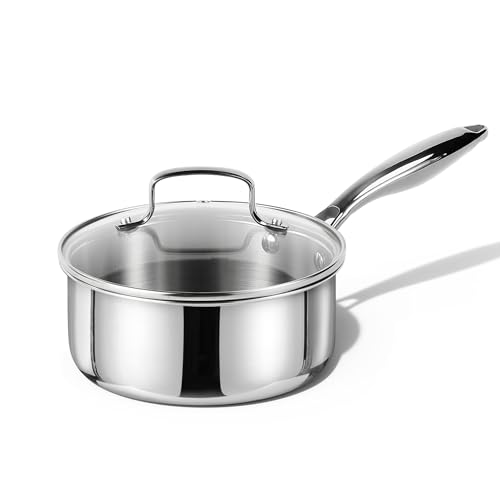
3-PLY CLAD, FAST & EVEN HEAT — Tri-ply stainless steel heats quickly and distributes heat evenly for smooth simmering and better control.

Chef's Choice Stainless: Mirror finish. Classic looks, professional performance.
Flavor Variations and Tips
While you’ve mastered the foundational crème brûlée technique, you’ll reveal that flavor customization elevates this classic dessert into a versatile canvas for culinary creativity. Citrus infusions—orange zest, lemon juice, or key lime—brighten your custard with invigorating complexity. Chocolate variations deliver richness when you melt 6-8 ounces of dark chocolate into heated cream. Spice enhancements like nutmeg, cinnamon, or pumpkin pie spice deepen autumnal appeal. Seasonal fruits such as blueberries, mango, or rhubarb layer beneath custard, infusing natural brightness during baking. Boozy options—whiskey, liqueurs, or eggnog—add warming depth for special occasions. For best results, infuse cream gently over low heat, strain thoroughly, and refrigerate overnight to allow flavors melding before caramelizing.

Resealable Bag: Enjoy convenience with this travel ready 3.5 oz pouch of gourmet flavored almonds, perfect for office, travel, lunchboxes, or anytime snacking. Keep your Creme Brulee Candied Almonds fresh and ready wherever you go.

Perfect for Gifting or Sharing – Elegant packaging and irresistible taste make it ideal for holidays, birthdays, or special occasions.

Country of origin is United States