

You’ll touch your thumb to each finger, matching your palm’s firmness to your desired doneness level. Your index finger corresponds to rare, middle to medium-rare, ring to medium, and pinky to well-done. Press the thickest section of your steak consistently, performing multiple tests on larger cuts. Combine this tactile method with visual cues—dark red indicates rare, light pink signals medium-rare, and clear juices suggest well-done meat. Master this technique through practice, and you’ll uncover how experience transforms guesswork into instinctual precision.
Understanding How Meat Changes With Heat
When you cook meat, you’re fundamentally transforming its structure through heat-driven chemical processes. As temperatures rise, you’ll observe three critical changes that signal doneness.
Color changes occur as myoglobin and myofibrillar proteins denature. You’ll see meat shift from purple to red around 120°F, then change to brown and grey between 140-170°F as proteins break down completely.
Texture alteration happens simultaneously. At 114°F, myofibrillar proteins form gel networks that firm the meat. Between 135-140°F, collagen contracts dramatically, expelling significant moisture.
Moisture dynamics create the juiciness paradox: while you lose approximately 5% weight at 135°F, that jumps to 18% by 140°F. The protein gel formation actually traps remaining water, preventing complete desiccation despite fluid loss.
Understanding these interconnected processes lets you recognize doneness visually and tactilely without thermometers.
The Palm Reference: Your Built-In Doneness Guide
You’ve got a reliable doneness gauge built right into your hand. The fleshy area at your palm’s base—below your thumb—provides tactile feedback that mirrors steak firmness at different doneness levels. By touching your thumb to each finger, you’ll feel varying resistance in your palm anatomy that corresponds to specific cooking stages. Your index finger creates softness similar to rare, your middle finger produces springiness like medium-rare, your ring finger generates firmness matching medium, and your pinky creates the hardest resistance resembling well-done. Additionally, using a cast iron skillet can enhance the cooking process, as it retains heat effectively, aiding in achieving the desired steak texture. Press your steak’s surface and compare it to the matching palm position. While this method isn’t as precise as a thermometer, repeated practice builds accuracy and makes it an excellent backup when temperature tools aren’t available. Additionally, for other kitchen tasks, using bags specifically designed for vacuum sealing can enhance food preservation methods.
Rare Meat: The Soft and Bouncy Feel
Now that you’ve calibrated your palm against various doneness levels, it’s time to apply that knowledge to the softest end of the spectrum. When you press a rare steak‘s center, you’ll encounter minimal resistance—it yields to pressure almost immediately. This buttery texture distinguishes rare meat from all other doneness levels. Your finger sinks into the flesh with ease, mimicking the pad beneath your thumb when relaxed.
A cool center confirms rare doneness. The meat hasn’t warmed substantially, remaining red rather than pink. This supple, delicate texture results from minimal protein denaturation, preserving the beef’s natural tenderness. The surface shows a light sear, but the interior remains largely untouched by heat. Rare steak typically registers between 125–130°F. Proper searing times to develop a flavorful crust can enhance the overall experience of a rare steak. Practice comparing your thumb pad to cooked meat, and you’ll develop reliable tactile recognition for this doneness level.
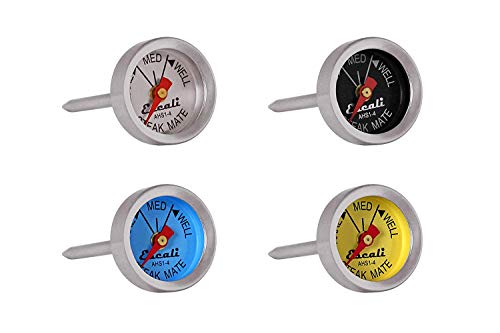
Meat Measurements: Rare, Medium, and Well done for beef steaks. Probe Length: 2.25-inches Dial Diameter: 1-inches

Set of four steak thermometers takes the guesswork out of grilling your meats to the desired cooking level
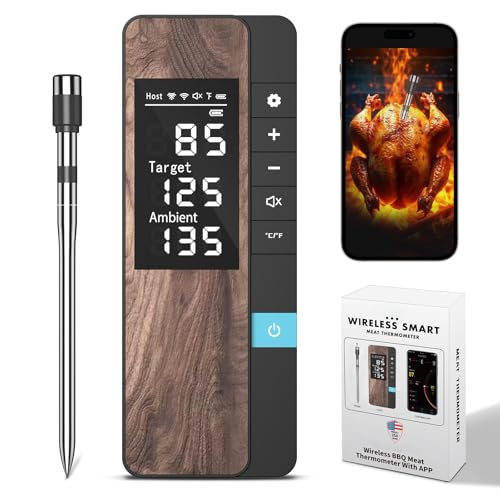
Instant Precision, Perfect Results Every Time: High-precision sensors deliver accurate temperature readings (32°F to 212°F) in seconds. Achieve flawless doneness for steaks, poultry, ribs, and more – your reliable partner for home kitchens, travel BBQs, and outdoor adventures.
Medium Rare: Finding the Springy Sweet Spot
How do you recognize that perfect middle ground between rare’s buttery softness and medium’s firmer resistance? You’ll find medium rare’s springy texture by touching your thumb to your index finger, then pressing the fleshy pad beneath your thumb with your opposite hand. This creates your reference point.
Now test your steak’s surface with gentle, consistent pressure. Medium rare offers noticeable firmness levels—noticeably greater than rare but less rigid than medium. The meat yields slightly under your fingertip, then springs back partially when you release pressure. This elasticity distinguishes medium rare from adjacent doneness levels.
Test multiple points across your steak’s surface for accuracy. You’re seeking that precise moment where resistance feels springy rather than soft or firm, confirming your meat’s reached its ideal 130–140°F internal temperature range.

【700ft Long Range】Probe to Booster: 300ft for open cooking equipment, 6.6~33ft (2-10m) for enclosed cooking equipment (Note: Signal range is reduced in enclosed equipment due to metal shielding, resulting in shorter connection distances up to 33ft/10m); Booster to Smartphone: Up to 450ft via Bluetooth for reliable, extended monitoring.

Simple Operation: Battery-free design makes this cooking thermometer always ready to use. Food-grade stainless steel probe ensures food safety and easy cleaning. Ideal for checking meat or liquid temps

#GERMAN PRECISION | GET THE PERFECT STEAK: SteakChamp is the ultimate steak thermometer for cooking every steak to just the right point. Engineered in Germany, its color-coder LED light indicates when your meat is ready with extreme precision. With three set temperature (green=medium rare=120°F, yellow=medium=135°F, red=medium well=149°F) you will always get your steak to your personal perfection.
Medium Doneness: Recognizing Moderate Firmness
As you move beyond medium rare’s springy resistance, medium doneness presents a noticeably firmer texture that signals your steak’s center has warmed throughout while retaining a pink interior. You’ll recognize medium characteristics through moderate firmness with yielding resistance when pressed gently. The steak rebounds less than medium rare but maintains structural integrity. For cooking techniques, use the palm test: touch your thumb to your middle finger and press the fleshy area below your thumb—this firmness mirrors medium doneness. Texture differentiation becomes apparent; the meat feels uniformly firm without hard spots. Taste profiles shift toward deeper, savory notes as juiciness decreases slightly. The seared crust develops darker browning, and the center shifts from bright pink to pale pink. This balance between moisture retention and firmness defines medium perfectly.
Medium Well and Well Done: The Firmest Textures
Beyond medium doneness, you’ll encounter two final levels where the meat transforms into its firmest states. Medium-well reaches 150°F to 155°F, displaying a mostly brown center with minimal pink remaining. You’ll notice considerably reduced juiciness and increased bite resistance compared to lower doneness levels.
Well-done steaks, cooked to 160°F and above, eliminate all pink coloration entirely. The texture comparison reveals remarkably firmer, drier meat due to extended heat exposure and moisture loss. Muscle fibers contract intensely, and marbling fat fails to render adequately at these cooking temperatures.
When using the finger test, medium-well feels quite firm with minimal give, similar to your flexed forearm. Well-done feels very rigid, offering almost no resistance to pressure. These highest doneness levels sacrifice juiciness and tenderness for thorough, uniform browning throughout.

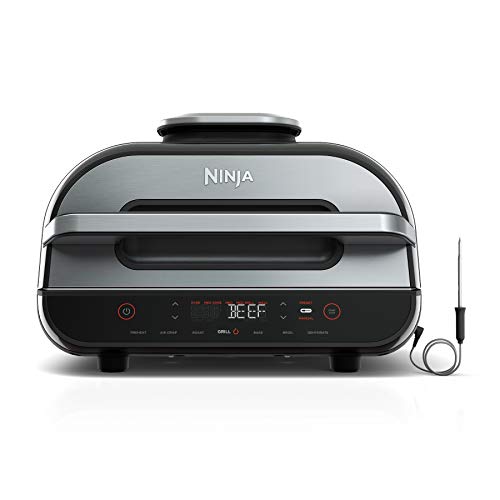
SMART INDOOR GRILL & AIR FRYER COMBO: The Ninja Foodi Smart XL Grill is an all-in-one indoor electric grill and air fryer oven that sears, sizzles, and crisps. Ideal for countertop use, it combines grilling and air frying with Ninja’s Smart Cook System and dual-sensor thermometer for perfect results every time
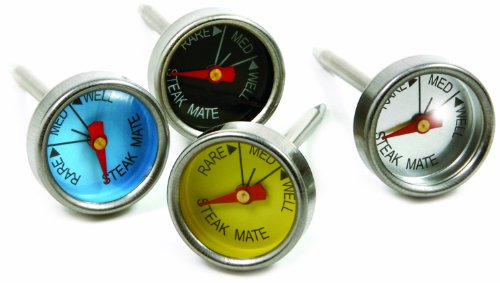
ACCURATE STEAK & BURGER DONENESS: Delivers clear, precision temperature tracking for individual cuts of meat so everyone gets their steaks, burgers, chops, or poultry cooked rare, medium, or well-done.
Step-by-Step Instructions for Testing Your Meat
Now that you’re familiar with the doneness levels, you’ll need to master the finger test technique to accurately gauge your meat’s internal state without a thermometer.
Start by relaxing your testing hand completely. Press the reference pad below your thumb gently with your other hand’s fingertip, matching the desired doneness level by touching the corresponding finger to your thumb. Apply consistent finger pressure—firm enough to feel resistance but not so hard you indent the meat.
Next, test the thickest section of your meat using identical pressure. Compare the texture directly to your reference pad. Perform multiple tests across different areas for confirmation, especially with larger cuts. This methodical approach guarantees reliable doneness assessment through tactile feedback alone.

FOOD SAFETY: Thermometer displays true oven temperature instantly to ensure safe food preparation

【Fast & Accurate】Our meat thermometer digital delivers accurate readings within ±1°F in just 1–2 seconds, with a wide temperature range of -58°F to 572°F (-50°C to 300°C). No more waiting over the heat - know your food's exact temperature instantly.

Instant Read Meat Thermometer | Our instant read thermometer features a temperature probe and advanced, highly accurate technology with a 1-2 second response time. Our instant read food thermometer comes pre-calibrated with instructions and a meat temperature chart, plus a recalibration feature if needed.
Combining the Finger Test With Visual Cues
While the finger test provides reliable tactile feedback, you’ll achieve far greater accuracy by pairing it with visual indicators like juice color and meat appearance. Your finger technique identifies doneness stage through firmness comparison, but visual confirmation validates these findings and prevents overcooking.
Observe juice color as you press the meat’s surface. Dark red juices indicate rare, light pink suggests medium rare to medium, and clear juices confirm medium well to well done. Simultaneously, note the meat’s color: vivid red or pink centers correspond with undercooked stages, while uniformly brown or gray flesh indicates well done. Additionally, it’s crucial to remember that the USDA-recommended safe serving temperature for cooking chicken is 165 degrees Fahrenheit, which is essential in preventing foodborne illnesses. Thus, using a meat thermometer can provide a more accurate assessment of the internal temperature, ensuring safe cooking throughout.
For steaks and burgers, these cues align perfectly with finger test results. However, remember that some meats like pork retain pink hues when fully cooked, making combined assessment essential for accurate doneness determination across all meat types.
Common Mistakes to Avoid When Using This Method
Even when you’ve mastered pairing the finger test with visual cues, several pitfalls can undermine your accuracy. Don’t apply inconsistent pressure when comparing your hand to the meat—varying finger tension skews results considerably. Avoid testing different cuts identically; muscle fiber composition and fat content create vastly different firmness readings. Never neglect environmental factors like ambient temperature and humidity, which alter how both your skin and meat feel. A quality Dutch oven shape can help ensure that your cooking method promotes even heat distribution, which is essential for achieving the right doneness. Don’t rush the touch method immediately after cooking; carryover heat continues affecting surface firmness. Finally, resist relying solely on this technique without considering thickness variation and marbling patterns. These common mistakes explain why the touch method requires extensive practice. Professional cooks develop reliability through hundreds of repetitions that home cooks rarely achieve. Additionally, understanding thermometer types can help enhance your confidence in determining doneness without solely relying on touch.
Why Practice Makes Perfect With the Finger Test
Because the finger test relies on subtle tactile discrimination, you’ll need consistent repetition to develop reliable accuracy. Mastering this technique requires building muscle memory through frequent practice, comparing your hand’s firmness to actual steak doneness levels. Initially, you’ll likely misjudge results, but this gradually improves as you internalize the tactile feedback associated with each stage. Using a meat thermometer can provide a valuable reference point for understanding the desired level of doneness that you aim to achieve with the finger test.
Your progress depends partly on individual factors—hand anatomy and natural tactile sensitivity vary between people. However, studies show that personal cooking background greatly influences learning speed. As you practice consistently, confidence grows alongside accuracy. Professional chefs who cook steaks daily demonstrate markedly higher accuracy than amateurs, proving that repetition directly translates to better judgment. With dedicated practice, you’ll eventually rely on instinct rather than external references. In a similar way, mastering the right restoration techniques for your cookware can lead to long-lasting results as you become increasingly familiar with the process.


