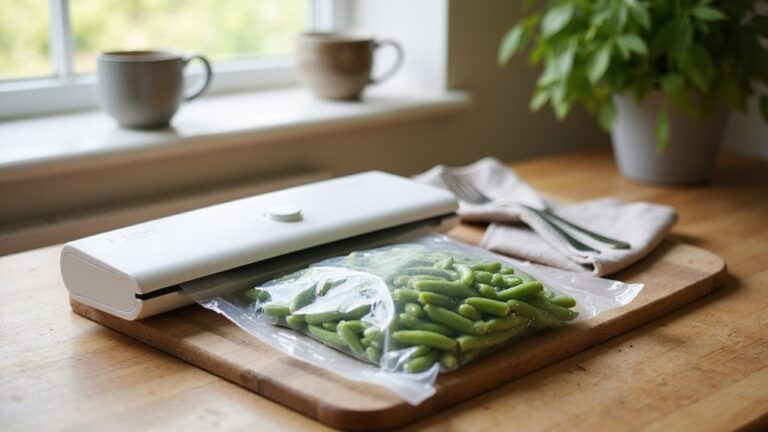
You can safely store unopened vacuum-sealed summer sausage for approximately 10 months at ideal quality. However, it’ll remain safe beyond that timeframe. If you refrigerate it at or below 40°F, you’ll extend freshness to three months after opening. Freezing at 0°F preserves it for over one year. Always check for “best by” dates and watch for spoilage signs like discoloration, off-odors, or texture changes. Understanding proper storage conditions and spoilage indicators will help you maximize your sausage’s lifespan.
Unopened Vacuum Sealed Summer Sausage Shelf Life
Unopened vacuum sealed summer sausage maintains ideal quality for approximately 10 months when stored properly, though it can remain safe beyond this timeframe with gradual quality decline. Vacuum sealing benefits include protection from air exposure and moisture infiltration, greatly extending shelf life compared to traditional packaging. Different summer sausage varieties may have varying preservation timelines depending on their curing agents and preservative content.
You’ll find that refrigeration extends unopened storage to three months safely, while freezing surpasses one year without substantial quality loss. Room temperature storage below 70°F allows several weeks of safety, contingent on the product’s preservative formulation. Temperature fluctuations compromise the vacuum seal’s protective qualities, accelerating spoilage despite proper initial sealing. Always verify manufacturer guidelines and “best by” dates on your specific summer sausage variety for precise storage recommendations.

Made with 100% Premium Cuts of Meat

Naturally Hardwood Smoked

【Compatibility】Sausage stuffer gasket fit most brands 3-5-7L Sausage Stuffer. Compatible with Hakka,Vivo,Weston,Flexzion and Super Deal and so on. Timely replacement of sausage stuffer plunger gaskets allows for more efficient filling of sausages and a smoother process.
Refrigeration Guidelines for Summer Sausage
Once you’ve opened your vacuum-sealed summer sausage, the preservation dynamics shift dramatically, requiring immediate refrigeration to maintain both safety and quality. You’ll need to maintain a refrigeration temperature at or below 40°F (4°C) to slow microbial growth effectively. Transfer your sausage into airtight containers or wrap it tightly with plastic wrap to minimize air exposure and moisture loss. If the sausage’s surface appears wet, wipe it with a clean cloth before resealing to reduce spoilage risk. Label your packaging with the opening date for accurate tracking. You can safely consume opened summer sausage within two to three weeks, though texture may firm slightly and flavor may intensify during refrigeration aging. Beyond this window, discard any sausage exhibiting off-odors, slime, or discoloration.

Extra Large Capacity: Our reusable Extra Large Container boasts a generous 116.6 oz capacity, perfect for storing bulk items. These vacuum seal containers for food storage are designed to preserve freshness and extend the shelf life of your food. Vacuum unit sold separately

1. VACUUM SEAL HELPS KEEP FOOD FRESH LONGER REMOVE EXCESS AIR TO HELP PRESERVE FRESHNESS – The included manual hand pump removes excess air from the container to create a secure vacuum seal. By reducing the air inside, PrepSealer helps maintain food freshness longer and helps protect stored food from exposure to air.
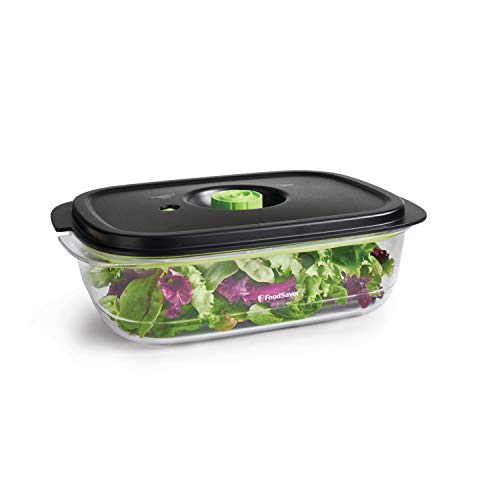
VACUUM AND PRESERVE MODE: Turn the top valve on these FoodSaver containers to "Vacuum" and connect your handheld sealer (sold separately) for an airtight seal that locks in freshness to keep foods fresh longer in the fridge, freezer, or pantry
Freezing Summer Sausage for Long-Term Storage
If you’re looking to preserve your vacuum-sealed summer sausage beyond the two to three weeks refrigeration allows, freezing greatly extends its shelf life while maintaining safety and quality. Vacuum seal benefits include superior protection against freezer burn compared to alternative wrapping methods. For best results, store your sausage at 0°F (-18°C) or below in the coldest section of your freezer. Vacuum sealed sausage maintains peak quality for two months; quality gradually declines thereafter, though it remains safe for up to three months. Freezing techniques matter considerably—minimize temperature fluctuations by avoiding frequent freezer door openings, which cause ice crystal formation and texture degradation. Always label packages with contents and freezing dates for accurate tracking and rotation.

Compatible with All Desktop Vacuum Sealers: These vacuum sealer bags are designed to work with all traditional desktop vacuum sealer machines. Simple to operate and convenient to use. (Note: These bags do not feature an air valve and are not compatible with handheld vacuum sealers.)

Easy Use Design: No scissors required for these bags. Just align to seal and tear to open.
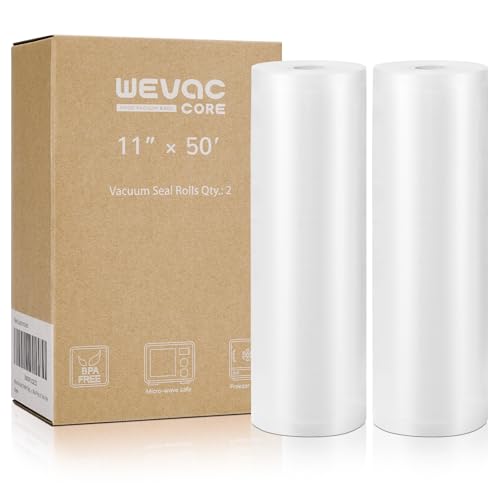
HEAVY DUTY AND PUNCTURE PREVENTION - 2 pack of 11 inch by 50 feet rolls with embossed channels to increase suction, keep fresh without freezer burn or dehydration
What Happens After Opening
Freezing preserves your vacuum-sealed summer sausage for months, but opening the package markedly shortens its viability. Once you break the seal, you expose the sausage to air and moisture, accelerating bacterial growth and spoilage. Refrigeration at 40°F (4°C) becomes essential to maintain safety concerns. Rewrap opened sausage tightly in plastic wrap or airtight containers to minimize air exposure and slow bacterial growth. You’ll want to consume it within 2–3 weeks for best quality and safety. Beyond this window, texture and flavor degrade noticeably, and spoilage risks increase considerably. Monitor for slimy surfaces, off-odors, or discoloration—all indicators that bacterial growth has compromised your sausage. When in doubt, discard immediately. Additionally, keeping vacuum-sealed foods protected from bacteria growth is crucial to ensuring safe consumption after opening.
Signs of Spoilage and Quality Decline
Bacterial contamination and oxidative degradation manifest through visible and olfactory indicators that you shouldn’t ignore. These spoilage indicators demand immediate attention to prevent foodborne illness. Understanding the importance of proper storage methods can also help in minimizing spoilage risks.
You’ll notice texture changes first—firmness shifts or consistency alterations signal degradation. Unpleasant odors represent the primary warning sign of spoilage, requiring immediate disposal. Discoloration or surface changes suggest bacterial growth or oxidation processes have begun.
For quality assessment, inspect for mold growth on the surface, which necessitates immediate disposal. Slime or moisture accumulation indicates bacterial contamination has progressed considerably. Regular seasoning practices are essential for food preservation, as they keep the product in optimal condition.
You must evaluate your vacuum-sealed summer sausage regularly throughout storage. Even properly sealed products deteriorate over time, though vacuum packing slows degradation substantially. Vacuum sealing significantly extends meat’s freshness, so trust your senses—any deviation from normal appearance, smell, or texture warrants discarding the product entirely.
Storage Best Practices for Optimal Freshness
Proper storage conditions are essential to maximizing the shelf life of your vacuum-sealed summer sausage and preserving its quality throughout storage. You’ll want to maintain temperatures below 70°F in a cool, dry place for unopened packages. Once you’ve opened the sausage, refrigeration at 40°F or below becomes mandatory. Your handling techniques directly impact freshness—open packages only when you’re ready to consume, and use clean utensils to prevent cross-contamination. Store opened sausage in airtight storage containers or resealable bags, minimizing oxygen exposure. For extended preservation, freeze vacuum-sealed sausage at 0°F or below, which extends viability to one year or longer. Always thaw frozen sausage in your refrigerator rather than at room temperature, ensuring safe temperature control throughout the process. Additionally, vacuum sealing helps prevent freezer burn and maintains the quality of the sausage during its storage time. Vacuum sealing also protects against pests and spoilage, ensuring that your sausage stays fresh for as long as possible.

Effortless and Precise Cutting: The 11-inch x 150-feet vacuum sealer rolls include a cutter for maximum convenience. Simply mount the cutter onto the box, pull a portion of the roll through the top opening, and easily customize the size you need. This can ensure smooth, even and straight cuts, significantly faster and more accurate than using scissors, making the process simpler and saving your time.
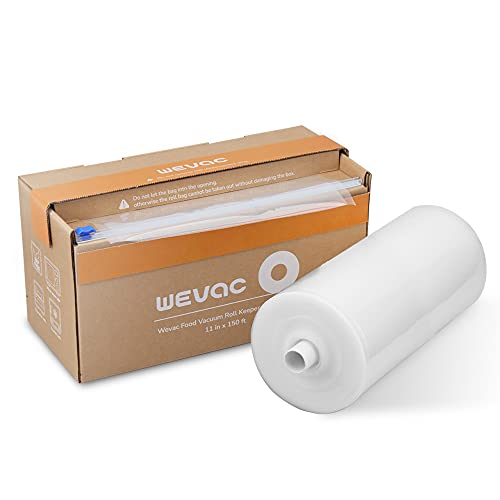
HEAVY DUTY AND PUNCTURE PREVENTION - 1 pack of 11 inch by 150 feet roll with embossed channels to increase suction, with a cutter box for cutting and storage, keep fresh without freezer burn or dehydration

Compatible with All Vacuum Sealers: This package includes one 11" x 150' roll and works seamlessly with all vacuum sealer machines. For a strong, airtight seal, place the food inside the bag, correctly orient it with the smooth side up and the textured side down, and evenly insert the open end into your sealer, leaving at least 3 inches of space at the top. Press the button to start vacuuming, simple and reliable.
Practical Tips for Travel and Outdoor Activities
Whether you’re heading on a weekend camping trip or packing for a picnic, maintaining proper temperature control during transport is critical to keeping your vacuum-sealed summer sausage safe. Use insulated coolers with ice packs for trips exceeding 2 hours, and monitor temperatures with a thermometer to guarantee consistent cold conditions below 40°F.
For outdoor meals, slice only the portion you’ll consume immediately to minimize air exposure. Keep your vacuum seal intact until consumption, and store leftover sausage promptly in coolers afterward. Carry disposable wipes or hand sanitizer to maintain hygiene, and avoid cross-contamination by keeping utensils and cutting surfaces clean. Additionally, ensure you use specially designed bags for optimal sealing performance, which helps keep your summer sausage fresh longer. These travel tips guarantee your outdoor meals remain both safe and enjoyable.

Removable Gel Packs: Equipped with 2 removable safe gel ice packs, it's more easy to clean and dry the lunch box, which is more suitable for wet food and drinks. This freezable lunch bag should be frozen for 6 hours before putting into the bag. If you need heat preservation, remove the gel packs and use the bag as it is. Gel packs are reusable and can be frozen but not heated
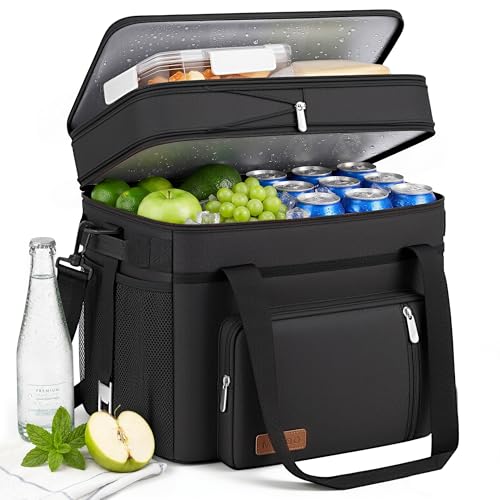
【Extra Large Capacity】 Size: 14.6” x 11” x 8.5”. Expanded size: 14.6” x 11” x 11.8”. Different foods can be placed on the upper and lower layers to prevent food from being piled up and squeezed. This cooler bag is large enough to store 60 cans of 330ml beverages, meeting all storage needs of a team under 12. Includes a bottle opener attached to this bag

Extra Large Capacity: The measure of Maelstrom 30 can soft cooler bag is 14.43*8.97*10.14 inch .This lunch cooler bag can easily hold 30 cans drinks of 330 ML (about 22L) to meet your storing needs.