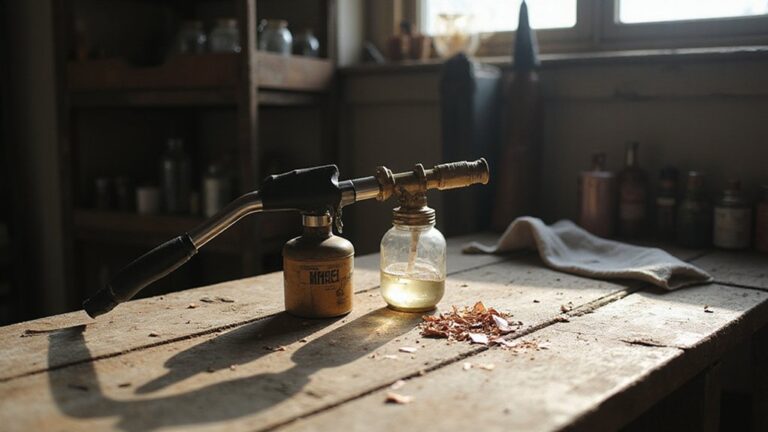
Filling a torch with Coleman butane might seem straightforward, but doing it correctly is key for safety and optimal performance. If you’re wondering how to get it right — from ensuring the torch is cool to knowing when it’s full — this guide walks you through the proper steps.
With a few simple precautions, you can refill your torch confidently and safely every time.
How to Bleed Your Torch Before Refilling
To bleed your torch before refilling, you need to release trapped air or residual gas that can affect performance and safety. First, ensure the torch is completely cooled, which usually takes about 10–15 minutes. Work in a well-ventilated area to avoid buildup of any fumes. Next, turn the flame adjustment dial to its lowest setting to prevent any sudden flare-ups. Hold the torch upside down and use a small screwdriver to press firmly on the refill valve. You will hear a steady hiss as air escapes. Tilt and pump the valve several times to dislodge any pockets of trapped air. Continue this process until the hissing stops completely, indicating the tank is empty and free of excess gas. Always keep the torch away from your face during bleeding to prevent injury. Once the hiss stops, the torch is ready for refilling. This step is crucial because it removes contaminated or undesirable butane that rises to the top when the torch is held upright, ensuring only high-quality fuel remains. Similar to treating a cast iron skillet, you must address the flash rust that can form on the valve if moisture is introduced during the bleeding process. This process mirrors the waterproof protection benefits seen with vacuum seal bags for travel, ensuring no air or moisture compromises the system. For precise temperature control in related tasks, an infrared thermometer is less reliable for measuring the internal heat of liquids like butane during handling.

2-Pack Total. Zippo Butane Fuel 75 ml each can. Made in USA

4 x 8 OZ. BUTANE GAS FUEL CANISTER, PORTABLE GAS FOR CAMPING STOVES, COOKING TORCHES & EMERGENCY USE – Power your portable gas appliances with Chef Master’s high-performance butane fuel canisters. Each 8 oz canister delivers a steady, high-heat flame for up to 2 hours (or up to 4 hours on simmer), making them ideal for camping stoves, backpacking cooktops, outdoor grills, culinary torches, crème brûlée torches, and portable heaters.

GOOD COMPATIBILITY:Compatible with most 8oz butane canister (Canister with a short nozzle and snap joint) on the market.
How to Connect the Canister Without Leaks
To connect the canister without leaks, first align the canister’s notch with the adapter tab, pointing the notch downward to draw liquid butane. Then, rotate the canister about 1/16th of a turn to the right until you hear a click, which indicates it is locked in place. Avoid over-tightening, as this can damage the O-rings or fittings. To ensure a proper seal, apply soapy water to the connection point—if bubbles form, reseat the O-rings using proper sealing techniques. Once no bubbles appear, confirming a bubble-free test, your connection is secure, and the torch is ready for use. For successful refilling, warming the full canister increases its internal pressure to facilitate gas transfer into the empty container. This warming technique helps prevent the butane from being drawn into the sealer and creating a mess, similar to how pre-freezing liquids avoids complications when vacuum sealing. Maintaining consistent heat throughout cooking is essential for achieving the ideal consistency of a creamy sauce. Periodic accuracy checks of all thermometers are advised for reliable results during low-and-slow cooking, especially when using a leave-in probe thermometer to monitor both food and ambient temperatures.
The Right Way to Squeeze the Nozzle When Refilling
To refill a torch properly, squeeze the nozzle with firm pressure for 3 to 5 seconds per burst, then release for 2 seconds to allow pressure to equalize. Hold the can upright and at a 90-degree angle to the torch, ensuring the nozzle is aligned precisely with the refill valve. Before refilling, you should purge the tank of excess air to prevent malfunction and ensure optimal ignition. Make sure the nozzle fits snugly to prevent gas leaks. Apply steady, firm pressure without excessive force; avoid using metal tools that could damage the stem. Always point the valve away from your face and body, and place the torch on a clean, flat surface for stability. Stop squeezing immediately when you hear or feel fuel to avoid overfilling. Limit your bursts to 2 to 4 cycles. Because multiple refill cycles may be necessary due to temperature changes, allowing the canister to cool between fills helps maintain the required pressure differential for a successful refill. Holding the torch upside down during the purge and fill process helps prevent air pockets from forming in the tank. For best results in cooking, choose a torch with butane blow torches that feature appropriate flame patterns for culinary use. After completing the refilling process, wait 3 to 4 minutes for components to stabilize, then wipe the valve with a cloth to ensure cleanliness.

Universal Fit for 90%+ Lighters & Torches: Compatible with a wide range of brands including S.T. Dupont, Dunhill, Zippo, and more. One butane refill adapter meets all your daily needs.

PURE FLAVOR PRESERVATION – Experience ultra-pure, premium butane gas that keeps your food, cocktails, and cigars tasting authentic. Specially refined to eliminate unwanted odors and flavors, this culinary smoking fuel ensures every torch use delivers clean, untainted results for chefs and mixologists.

【Ultra-Refined Purity】TBTeek butane fuel undergoes triple filtration to remove 99.9% impurities, ensuring a clean burn for butane torch and kitchen blow torch devices. Prevents clogging, misfires, and residue buildup, extending the lifespan of your devices.
How to Check If Your Torch Tank Is Full
You can tell if your torch tank is full by observing visual and auditory cues. A clear sign is liquid butane dripping from the refill valve or frost forming on the tank’s surface—both indicate that it can’t hold more fuel. Additionally, listen for a hissing sound coming from the overflow valve, which signals excess gas escaping. For an accurate measure, weigh the tank using a kitchen scale; an empty tank typically weighs around 13 ounces, while a full one weighs about 29 ounces. Comparing the weight provides a precise indication of whether the tank is full or needs more fuel. For enhanced fill capacity, colder small tanks that are frosty improve the pressure differential and allow for a fuller refill. This process relies on a similar principle to applying a thin, even oil layer during cast iron seasoning to achieve the best results. Proper seasoning of cast iron, much like this refill method, requires careful attention to heat retention and even distribution for optimal performance. Similarly, the tank’s construction uses a multi-layer plastic design to ensure safe fuel containment under pressure.
Before refilling, ensure safety by applying soapy water around the valve area. No bubbles mean the seal is secure, while bubbles suggest a leak or loose connection. If you see bubbles during this check, tighten the connection or contact the manufacturer before proceeding. Shaking the torch gently can also reveal whether fuel remains—if you feel liquid moving inside, the tank isn’t full yet. Following these steps reduces the risk of overfilling, which could cause dangerous pressure buildup, ensuring you fill your torch safely and accurately.

12 x 8 OZ. BUTANE GAS FUEL CANISTERS - Designed for reliable, high-performance use, this 12-pack of Chef Master butane gas canisters is ideal for portable stoves, camping stoves, backpacking burners, butane torches, emergency heaters, and culinary tools like crème brûlée torches. Each 8 oz. can provides a strong, steady flame for up to 2 hours on high or up to 4 hours on low, making it perfect for outdoor cooking, emergency preparedness kits, tailgating, catering events, and food trucks.
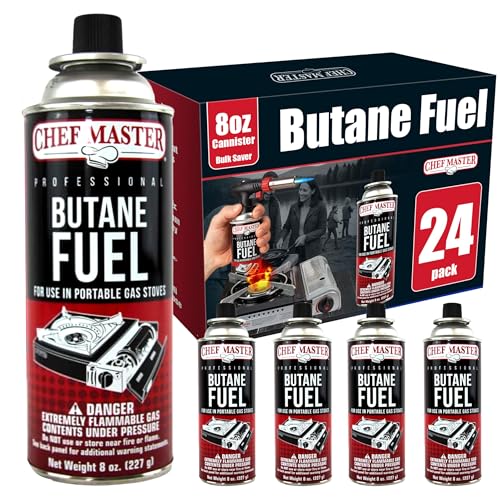
24 x 8 OZ. BUTANE GAS FUEL CANISTERS - Designed for reliable, high-performance use, this 24-pack of Chef Master butane gas canisters is ideal for portable stoves, camping stoves, backpacking burners, butane torches, emergency heaters, and culinary tools like crème brûlée torches. Each 8 oz. can provides a strong, steady flame for up to 2 hours on high or up to 4 hours on low, making it perfect for outdoor cooking, emergency preparedness kits, tailgating, catering events, and food trucks.
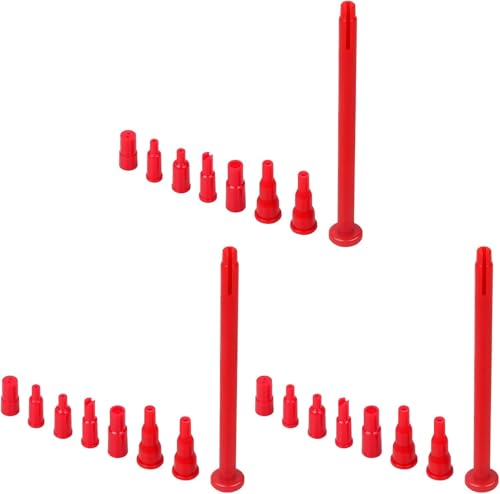
⭐Multi-Purpose: 1 set of 8pcs - seven small refill heads and one long-shaped air rod. Semlos butane tank adapter can not only deflate but also be inflatable. Before filling again, release the gas in the lighter to better extend the service life of the lighter and torch.
How Long to Wait Before Lighting After Refill
After refilling your torch, you should wait at least 2 to 5 minutes before lighting it. This waiting period allows the pressure to equalize and the butane to stabilize at room temperature, reducing the risk of dangerous flare-ups. For optimal safety, a 5-minute wait is recommended, especially in controlled environments. If your surroundings are hot or humid, increase the wait to 5 to 10 minutes, as higher temperatures can cause the tank to over-pressurize. High-capacity torches or larger tanks may require up to 10 minutes to fully stabilize. During this time, the tank will feel colder and slightly heavier, and you should hear no hissing when pressing the valve. These signs indicate that the pressure has normalized, making it safe to ignite your torch. Always follow your manufacturer’s instructions on wait times to ensure maximum safety. For consistent results, treat the gas stabilization process like maintaining seasoning on a cast iron skillet by allowing the material to evenly settle before use. This principle is similar to the technique of placing charcoal briquettes evenly on both top and bottom of a Dutch oven to achieve even heat. Just as sous vide cooking offers precise temperature and timing guidelines to achieve perfect egg textures, waiting for the butane to stabilize ensures a consistent and safe flame.
Common Mistakes That Waste Butane
Refilling a torch improperly can waste up to 40% of the butane and decrease its performance. A common mistake is refilling when the torch is warm. Liquefied fuel flashes into gas, leading to overfilling and fuel loss. Always wait at least 15 minutes for the torch to cool before refilling. If the canister is cold, it lacks enough pressure; warming it with your hands helps build the necessary pressure, preventing the need for multiple recharge cycles. To prevent air exposure when storing ingredients, similar principles apply to freezing salmon without a vacuum sealer by removing air from packaging. Infrared thermometers also rely on non-contact measurement to quickly check surface temperatures of canisters and torches, ensuring safe handling conditions. This careful temperature management is similar to avoiding prolonged soaking of a cast iron skillet to prevent rust and damage.
Another frequent error is skipping the purge step, which traps air inside the canister. This trapped air causes fuel contamination and poor combustion. To purge, depress the refill valve until you hear a hissing sound stop, with the flame adjuster set to its lowest. Hold the torch upside down to ensure complete release of air and vapor, which correctly follows the procedure to press the fill tube tip to release gas.
Poor inversion during refilling also wastes fuel. Always align the canister nozzle vertically with the fill valve and press firmly for 5 to 10 seconds. Overfilling beyond this duration increases the risk of mishaps by up to 62 percent and results in unnecessary gas waste.