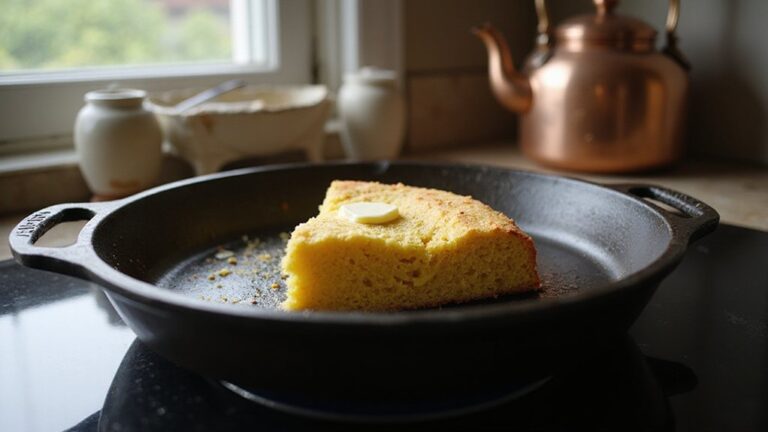
You’ll master searing, roasting, and braising when you harness cast iron’s superior heat retention—1mm retains as much heat as 1.5mm aluminum. Its naturally seasoned surface eliminates synthetic coatings while leaching beneficial iron into your meals. You’ll appreciate the versatility across stovetop, oven, and grill, plus minimal oil requirements for healthier cooking. With proper maintenance—thorough drying and routine oil application—your skillet becomes a multi-generational heirloom. There’s considerably more to explore about maximizing your cast iron’s potential.
Heat Retention and Distribution
When you heat a cast iron skillet, you’re engaging with one of cookware’s most thermally efficient materials. Cast iron’s density and weight create substantial thermal mass, allowing it to absorb and retain heat far longer than aluminum or stainless steel—1 mm of cast iron holds as much heat as 1.5 mm of aluminum.
This thermal inertia guarantees cooking consistency across your ingredients. The thick construction distributes heat uniformly, eliminating hot spots that cause uneven browning or undercooked areas. You’ll achieve superior searing, frying, and baking results because the skillet maintains steady temperatures even when cold ingredients contact its surface. Moreover, using cast iron skillfully enhances your cooking, as it is crucial to properly season the pan to optimize its heat retention.
Cast iron’s slow cooling also enables residual cooking after removal from heat. Proper preheating and seasoning optimize this performance, giving you reliable, predictable results every time you cook. Additionally, using oils with high smoke points can enhance the cooking experience by preventing the oil from burning and creating off-flavors.

Moisture-Locking Cast Iron Cover: The Lodge Seasoned Cast Iron Lid features a tight-fitting design that seals in moisture and supports even, consistent cooking


Total Diameter: 11.5" | Cooking Surface Area: 8.75" | Height (w/ Handle): 2.63" | Depth: 2" | Total Length with handle: 17.5"
Versatility in Cooking Methods
Cast iron’s superior heat retention doesn’t just benefit single-method cooking—it’s precisely what makes these skillets perform across virtually every cooking technique you’ll encounter. You’ll sear steaks stovetop, then shift directly to your oven for roasting vegetables or finishing braises without missing a beat. The skillet’s baking versatility extends to casseroles and cornbread, while its durability handles campfire cooking over open flames and coals. You can braise tougher cuts slowly, simmer stews with covered lids, or grill sausages outdoors—all in the same vessel. This adaptability eliminates the need for multiple pans, streamlining your workflow whether you’re cooking weeknight dinners or preparing one-pot meals for gatherings. One skillet genuinely handles your entire cooking repertoire, making it an excellent option for slow-cooking pork roasts that result in flavorful, tender meat with minimal effort. Regular maintenance, such as cleaning with baking soda, can ensure your skillet remains in top shape to deliver these delicious results.
Natural Non-Stick Surface
Certainly! Here’s the revised content following your instructions:
—
Rather than relying on synthetic coatings laden with PFAS and other harmful chemicals, you’ll develop a genuinely non-stick surface through polymerized oil layers that strengthen with every use. The seasoning process involves applying thin coats of cooking oil—like grapeseed oil—then heating to create a protective, polymerized layer that bonds to the cast iron’s surface.
Interestingly, lard’s ability to create a durable seasoning layer makes it an effective option for enhancing the non-stick characteristics of your skillet. This natural non-stick performance improves consistently as you cook. Each time you use your skillet, you’re reinforcing the seasoning layer, making it more effective at releasing food. Unlike temporary synthetic coatings that degrade, your cast iron’s seasoned surface actually gets better with age.
You’ll need minimal additional cooking oil during preparation, supporting healthier meal preparation while maintaining exceptional cooking performance. Additionally, cooking with oil in a well-seasoned cast iron skillet ensures a nonstick, rust-resistant surface, which greatly enhances your cooking experience. The result? Effortless cleanup and sustainable, chemical-free non-stick cooking.
—
Feel free to let me know if you need any more modifications or additional content!

YOUR NEW GO-TO SEASONING SPRAY: The Lodge Seasoning Spray is the perfect seasoning spray to maintain your cast iron cookware. It is made of 100% canola oil - no additives or propellants, to protect your cookware and enhance its finish.

TLC for your griddle cooktop: All you need to build a slick, easy-release surface that's protected from rust and easy to work with using Blackstone griddle seasoning and cast iron conditioner
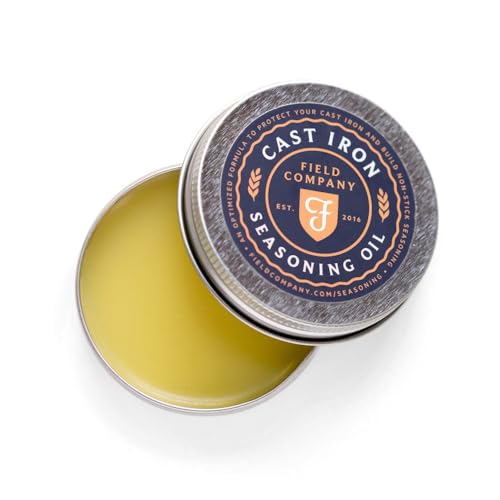
HOW TO USE: The key to naturally nonstick cast iron cookware? Cook often, and apply Seasoning Oil every time you clean your pan. Clean your cast iron with soap and a brush, then use a chain mail scrubber to smooth out existing seasoning layers. Apply a dab of Seasoning Oil and spread it thinly over the surface with a paper towel or clean rag. Wipe away excess oil to leave a dry, matte finish.
Health Benefits
Beyond the cooking performance you’ve gained through seasoning, cast iron delivers significant nutritional advantages that extend directly to your health. When you cook acidic foods like tomatoes and spinach, iron naturally leaches into your meals, providing natural iron supplementation that combats deficiency anemia. This bioavailable iron supports oxygen transport and energy production throughout your body. Additionally, cast iron cookware is known to naturally boost iron intake, making it especially beneficial for individuals susceptible to iron deficiency.
Additionally, cast iron offers chemical safety absent in modern non-stick cookware. You avoid synthetic coatings like PFOA and PTFE that potentially leach during cooking. The naturally seasoned surface requires no artificial treatments, creating a cleaner cooking environment.
You’ll also prepare healthier meals overall. Cast iron’s superior heat retention enables nutrient-preserving techniques—searing, baking, and slow cooking—while its natural non-stick properties let you reduce added fats, supporting cardiovascular health without compromising flavor or texture. Furthermore, the durability of cast iron cookware ensures that it can be a long-lasting investment in your kitchen, enhancing overall cooking performance as it ages.

5.5-inch square skillet for grilled cheese or ham & cheese sandwiches

Complete 5-Piece Cooking Set: The Lodge Cast Iron Set includes an 8-inch cast iron skillet, 10.25-inch cast iron skillet, 10.5-inch cast iron griddle, and 5-quart cast iron dutch oven with lid
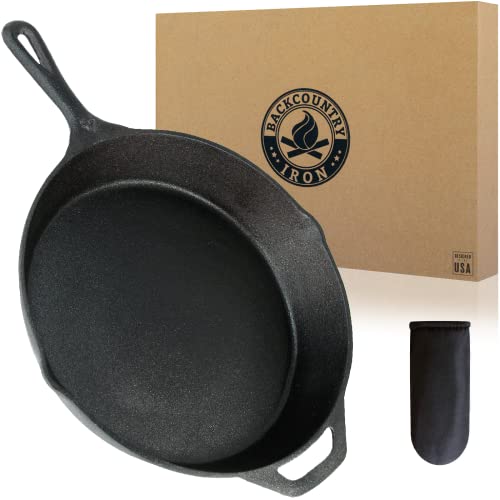
Backcountry Iron’s 12 inch round cast iron has superior heat retention for even cooking. This skillet comes pre seasoned, ready to use out of the box! This pan has a 12.25 inch diameter, measures 12.75 inches spout to spout, and has a handle length of 4.75 inches.
Durability and Longevity
While modern cookware often requires replacement every few years, your cast iron skillet‘s iron-carbon composition creates an exceptionally durable cooking surface that actually improves with use. Cast iron’s high thermal mass absorbs and retains heat consistently, enabling superior searing and even cooking across decades of kitchen work. In fact, the versatility of cast iron skillets allows for a variety of recipes, including Dutch oven desserts that can also be adapted for skillet cooking.
Your skillet won’t warp, degrade, or lose performance regardless of heat intensity or heavy-duty use. The seasoning layer—built through repeated cooking—forms a protective barrier that prevents rust while creating naturally nonstick properties without chemical coatings. Regular maintenance, including reseasoning your skillet, ensures that it remains functional and effective for years to come.
Many families preserve their cast iron as heirloom cookware, passing skillets through generations with documented examples lasting over a century. This longevity transforms your initial investment into a lifetime kitchen tool that becomes increasingly reliable and effective with proper maintenance and regular use.
Maintenance and Care
Preserving your cast iron’s legendary durability requires straightforward care practices that protect the seasoning layer and prevent corrosion. Use effective cleaning techniques immediately after cooking—hand wash with warm water and a scrub brush, applying gentle dish soap without worry. For stuck-on food, simmer water for 3-5 minutes before scraping. Additionally, if food is deeply stuck, you can use abrasive agents like coarse salt to help remove residue without damaging the skillet. Dry thoroughly with a towel to eliminate moisture that causes rust.
Oil application follows directly after drying. Apply a light layer of neutral oil like vegetable or soy-based varieties, then wipe away excess to prevent stickiness. This routine maintenance builds your pan’s nonstick finish while protecting bare iron. Occasionally season your skillet in the oven at high heat using thin oil layers. Thorough drying is essential to sustaining your cast iron’s performance for generations.