You’ll successfully vacuum seal liquids without freezing by keeping moisture away from your seal zone. Wipe the sealing area dry before sealing, position bags on a slope to direct liquid downward, and use a canning funnel to contain spillage. Consider investing in a chamber sealer, which equalizes pressure and prevents liquid aspiration. Implement double-seal cycles for reinforcement and maintain proper headspace to reduce pressure buildup. Uncover additional strategies that’ll elevate your liquid-sealing success.
Understanding the Challenges of Vacuum Sealing Liquids
When you attempt to vacuum seal liquids, you’re confronting a fundamental problem: the machine’s components aren’t designed to handle moisture. Liquids boil at lower pressures inside the vacuum chamber, causing spillage that damages sealing strips and corrodes pump components. Variable liquid viscosity complicates the process further—you’ll need adjustable vacuum strength and precise sealing times to maintain seal integrity.
Moisture and residual liquids interfere directly with your seal quality, creating air leaks and poor adhesion. Trapped air pockets from excess liquid reduce overall vacuum effectiveness. Additionally, liquid residues foster bacterial growth inside your machine, necessitating thorough sanitization between operations. Without proper understanding of these mechanical and contamination challenges, you’ll experience seal failures, compromised product shelf life, and accelerated equipment degradation. To mitigate these issues, it’s crucial to note that vacuum sealing significantly extends shelf life by creating an airtight seal that protects food from spoilage.
Essential Techniques for Successful Liquid Sealing
Now that you understand why liquids present mechanical and contamination obstacles, you’ll need specific techniques to overcome them. Start by using a canning funnel to keep bags open and direct liquid away from sealing edges. Position your bag on a slight slope so liquid settles at the bottom, reducing vacuum pressure exposure to moisture.
Before sealing, wipe the seal area thoroughly dry—any dampness compromises closure integrity. Employ a multi-seal approach by running two consecutive seal cycles to reinforce the closure. For varying liquid textures, adjust your technique: thicker substances like sauces need careful bubble manipulation before vacuuming, while thinner liquids require earlier manual sealing to prevent channel contamination.
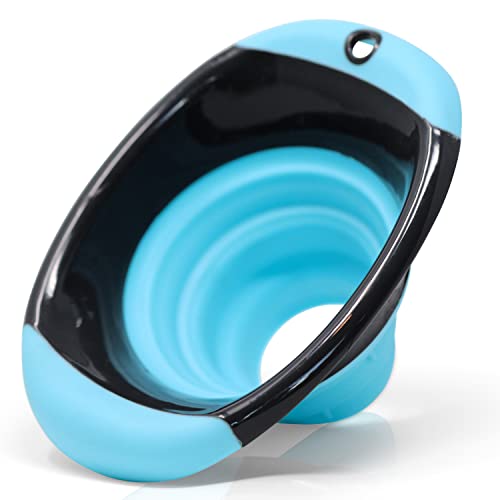
Less Mess: With this multi-purpose large funnel, your kitchen and work areas will remain clean and tidy, keeping everyone happy. Easy clean-up - Dishwasher Safe.
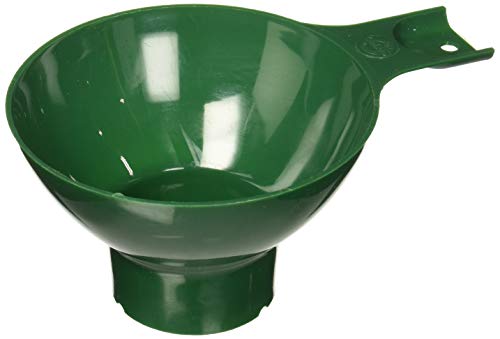
Durable, heavy-duty plastic. Extra wide mouth funnel transfers large quantities of liquids or dry ingredients with less spills and mess.
Choosing the Right Equipment and Accessories
Because liquids demand specialized handling beyond standard vacuum sealing, you’ll need equipment engineered specifically for wet foods. Chamber sealers like the Avid Armor USV series equalize internal pressure, preventing liquid from entering the seal area during operation. These machines range from $289 to $599 and feature wide seal bars approximately 11.5 inches long. Proper sealing techniques are essential for preserving freshness and flavor, ensuring that your liquid-rich foods maintain their quality over time.
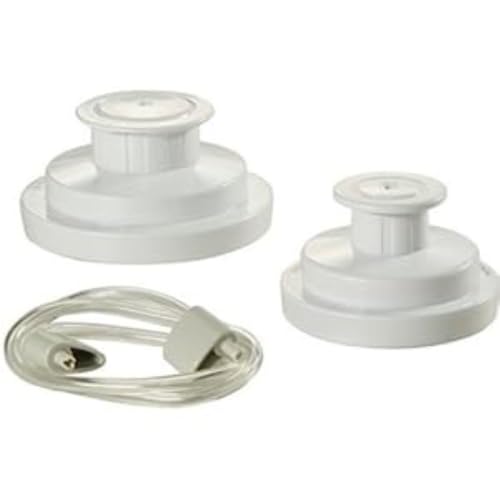
Complement your chamber sealer with essential vacuum accessories. Accessory hoses connect to your machine for sealing jars and canisters containing liquids. Absorbent pads placed inside bags prevent juice from reaching the sealing zone, reducing failure risk. Bag stands support upright filling, while external hose attachments enable vacuum sealing of containers beyond traditional bags. Using the right sealing equipment greatly aids in preserving freshness and flavor, ensuring that your liquid-rich foods maintain their quality over time, which is crucial when extending shelf life during outdoor adventures.
Investing in proper equipment guarantees reliable, consistent results when sealing liquid-rich foods.

【𝐃𝐮𝐚𝐥 𝐕𝐚𝐜𝐮𝐮𝐦 𝐙𝐨𝐧𝐞𝐬 & 𝟔 𝐋 𝐂𝐡𝐚𝐦𝐛𝐞𝐫】Seal liquids, soups, and powders in the roomy upper chamber (approx. 6 L / 300 × 260 × 80 mm). The upper chamber is bag-friendly, working with smooth chamber bags and textured or embossed rolls—from small pouches to larger bags that fit inside—so it isn’t picky about bag types. For bags that can’t fit in the chamber, the independent lower work area handles out-of-chamber sealing with compatible rolls.

👍Innovative Pressure Release Function – The FEPPO vacuum sealer with bags automatically releases pressure at -40kpa, ensuring efficient sealing and easy detachment without mess. No more struggles or spills, unlike traditional models.
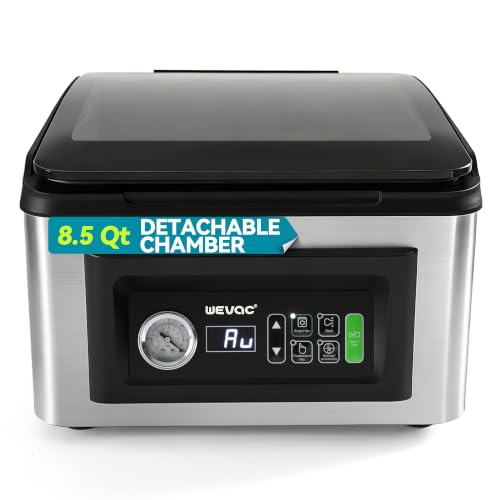
No Guesswork with Auto Vacuum Time: Manual timers often lead to under- or over-vacuuming. This chamber sealer automatically senses the food volume and sets the optimal vacuum cycle for you. One touch is all it takes to achieve a perfect, airtight seal—every time
Pre-Freezing Methods and Alternative Approaches
If you’ve struggled with liquids being sucked into your vacuum sealer’s trough, pre-freezing offers a straightforward solution that transforms the sealing process entirely. You’ll want to freeze liquids for a minimum of 8-12 hours to achieve complete solidification. This liquid preparation technique prevents aspiration during the sealing cycle, allowing your machine to extract only trapped air from the bag’s edges.
Moreover, vacuum sealing combined with oxygen absorbers helps maintain the quality of your liquids over an extended period. You can apply multiple seal passes to frozen packages without risking liquid compromise. For best results, position filled bags on a slight slope during initial freezing to direct air bubbles toward the sealing edge. These vacuum sealing tips work effectively with soups, stews, broths, sauces, and marinades. The frozen-solid state creates flat, stackable packages that maximize freezer organization while maintaining structural integrity throughout storage. Additionally, vacuum sealing prevents freezer burn and extends shelf life by removing oxygen, making it ideal for preserving your favorite liquids.
Best Practices for Preventing Leaks and Maintaining Seal Quality
While pre-freezing eliminates the primary challenge of liquid aspiration, you’ll still need to implement rigorous seal-area management to guarantee lasting package integrity. Start by verifying your sealing surface remains completely dry—wipe away any moisture before activating the sealer. Position bags at a slight incline to direct liquids away from the seal zone, and maintain appropriate headspace to reduce pressure buildup. Consider sealing temperature settings on your machine, as they directly impact seal quality regardless of liquid viscosity. Double-seal critical packages for redundancy. After sealing, inspect for wrinkles or incomplete closures and reseal if necessary. Store sealed bags flat to distribute pressure evenly, allowing the seal to set firmly before stacking. These methodical steps prevent leaks and verify reliable long-term storage. Additionally, vacuum sealing can significantly extend the shelf life of your liquids by removing oxygen, which helps to slow down spoilage and maintain freshness while also preserving flavors and nutrients.

Includes (25) pre-cut 11" x 14" gallon-sized bags for high-capacity food storage

LIQUID BLOCK TECHNOLOGY: Specially designed bags feature an integrated liquid block layer that prevents liquids from being drawn into the vacuum sealer during the sealing process

BAGS STAND UPRIGHT FOR EASY FILLING: Easily add soups, stews, marinades, fruit purees, and other liquids and foods to these freestanding vacuum sealer bags. With expandable-bottoms, they stand upright on the counter for easy, mess-free filling.