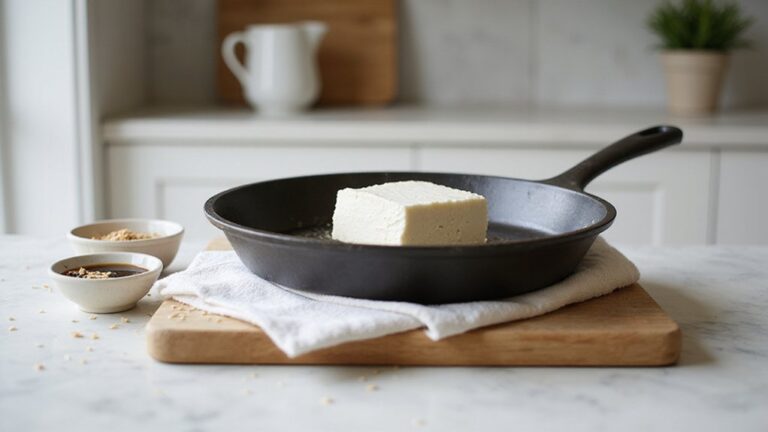
You can grill your skirt steak at 500°F, positioning it directly over high heat and flipping every 20-30 seconds for 3-5 minutes per side until it reaches 130°F internally. Alternatively, roast it in a preheated 450°F oven on an oiled baking sheet for 10-12 minutes, flipping halfway through. For precision cooking, use sous vide at 130°F for 2-4 hours, then sear briefly afterward. Pat your steak dry beforehand, season generously with kosher salt and pepper, and always rest it 5-10 minutes before slicing against the grain—discover deeper techniques within.
Grilling Method for Perfect Caramelization
When you’re aiming for that perfectly caramelized exterior on skirt steak, your grill’s temperature is everything. Preheat to 500 degrees Fahrenheit, allowing coals to burn down until flames are minimal. You’ll know you’ve achieved the right heat when you can hold your hand over the grates for only one to two seconds.
Clean your grates thoroughly and brush them with oil before cooking. This prevents sticking and guarantees even heat distribution across the meat’s surface. Additionally, optimal temperature management is crucial to enhance cooking performance and achieve the desired sear. Position your steak directly over the high heat source for ideal grill placement, which enables consistent caramelization.
Flip every 20-30 seconds for three to five minutes per side. This frequent turning creates that beautiful crust while maintaining interior juiciness. Monitor your internal temperature—aim for 130 degrees Fahrenheit for medium-rare doneness. Additionally, consider using grilling pans on glass tops to ensure safe cooking while achieving desired results.

Hard anodized exterior for even heat distribution

Nonstick & Easy to Clean: The Switzerland ILAG nonstick coating is very effective in preventing anything from sticking to the surface, even with minimal oil, and also makes cleaning a breeze, just wipe it with a paper towel or rinse it with water. Free of PFOA and PFOS.
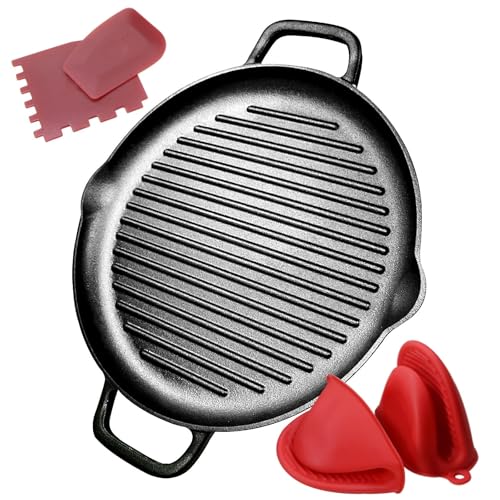
🍳PREMIUM QUALITY GRILL PAN&SiZE: Package include 12.6" Inch griddle Pan, 2 piece Grill Pan Scrapers, 2 piece silicone handles. Our griddle pan with easy grease drain spout and large easy-grip handles.High ribbed ridges keep ingredients out of fat and spouts on two sides can for drip-free pouring out of fat oil, reduce fat intake.Large easy-grip handles convenient to transport and move.
Oven Cooking Technique for Even Results
While grilling offers spectacular caramelization through direct flame and high heat, the oven provides you with a more controlled environment that delivers consistently even results across the entire steak’s surface. Preheat your oven to 450°F with a rimmed baking sheet on the middle rack. Allow your steak to reach room temperature, pat it dry, and season generously with kosher salt and freshly cracked black pepper. Section longer cuts into 5-7 inch pieces to guarantee uniform cooking based on steak thickness. Brush your preheated baking sheet with high-heat oil, then drizzle and coat both sides of the steak. Cook ½-inch thick pieces for 10 minutes at medium-rare or 12 minutes for medium, flipping halfway through. Rest the cooked steak under foil before slicing against the grain.

Graza Frizzle Oil Made from 100% Olives: A neutral-flavored, high heat cooking oil made from 100% peak harvest olives. With a smoke point of up to 450 degrees, Frizzle is your high-heat kitchen hero. 1 bottle/750ml.

100% GRAPESEED OIL BULK SIZE: Expertly crafted by The Olive Oil People using wine grape seeds imported from France

Light Buttery Flavor That Elevates Every Meal: Algae Cooking Club Chef-Grade Algae Oil enhances every dish with subtle richness. Its neutral profile makes it ideal for searing, baking, and dressings, transforming everyday meals into gourmet experiences.
Sous Vide Method for Precision Cooking
Three key advantages set sous vide apart: exact temperature control, consistent edge-to-edge doneness, and flexibility with timing. You’ll need reliable sous vide equipment—an immersion circulator and food-grade vacuum-seal or zipper-lock bags—to achieve professional results. These sous vide benefits make precision cooking accessible without specialized cookware. Sous vide is especially effective for achieving consistent doneness across a variety of foods, enhancing flavors while ensuring tenderness, just like the method used for baking artisan bread without needing specialized tools.
Set your circulator to 130°F (54°C) for medium-rare perfection. You’ll seal your steak with the water displacement method, ensuring complete submersion. Cook for 2–4 hours for ideal tenderness; longer durations won’t improve texture beyond six hours.
After cooking, you’ll sear the steak briefly on a preheated grill, griddle, or broiler for 1–2 minutes per side. Pat it dry first to maximize browning. Slice thinly against the grain and serve immediately.

Flavorful Dishes: Sous Vide cooking maintains the nutrients and moisture of the ingredients, and the taste of the ingredients is more flavorful than normal cooking at a constant temperature for a long time

Effortless Gourmet Cooking: Our sous vide machine simplifies gourmet results. It is perfect for cooking meats, veggies, and more, easily locking in the flavor, moisture, and nutrients effortlessly

Pros have been doing it for years, and now you can too. Sous vide (pronounced sue-veed) is a cooking technique that utilizes highly precise temperature control in a circulating bath of water to deliver consistent, edge-to-edge perfect results, with virtually no risk of overcooking your food.
Preparation and Seasoning Steps
Before you sear your steak, you’ll want to prepare it properly and build layers of flavor through seasoning—a step that’s just as important as the cooking method itself. Start by patting your skirt steak dry, which promotes better browning. You’ve got two primary approaches: marinade options or dry rubs.
For marinades, combine soy sauce, citrus juice, minced garlic, and a sweetener like honey. Marinate for 30 minutes to 2 hours—acidic ingredients tenderize the meat without breaking down fibers excessively.
Alternatively, apply dry rubs directly to both sides. Mix salt, pepper, chili powder, cumin, and garlic powder for even flavor distribution. Let the seasoned steak sit for up to an hour before cooking, allowing flavors to penetrate the meat thoroughly.
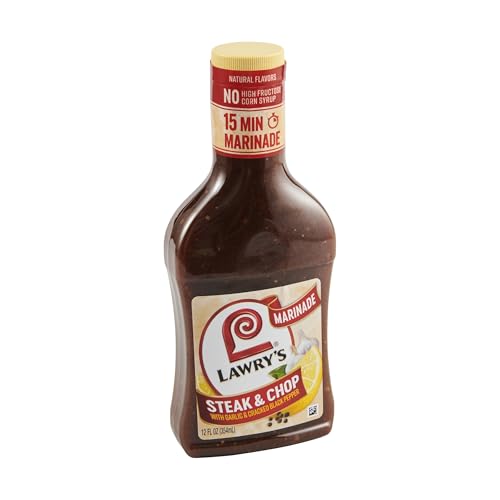
Made with garlic, cracked black pepper, mustard, caraway seed & lemon juice

Product Type:Grocery

A1 NEW YORK STEAKHOUSE MARINADE: Six 16 fl oz bottles of A1 New York Steakhouse Marinade
Resting and Slicing Technique
Once your skirt steak finishes cooking, you’ll want to rest it for 5 to 10 minutes on an exposed cutting board at room temperature—this essential step allows the meat’s juices to redistribute evenly throughout, guaranteeing maximum moisture retention when you slice. Thinner cuts require just 5 minutes, while thicker pieces benefit from the full 10-minute resting duration. Additionally, using a meat thermometer helps ensure that the steak reaches the necessary internal temperature for safe consumption, such as desired level of doneness.
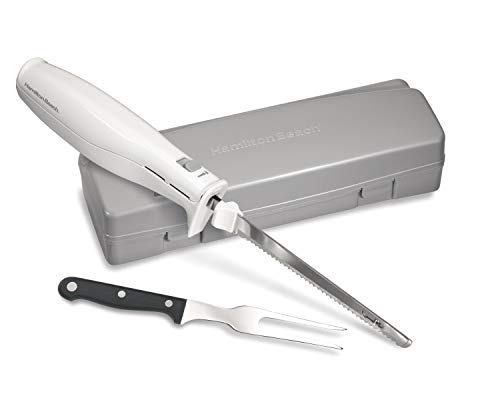
After resting, chill the steak briefly before slicing. Cold meat’s firmer texture enables cleaner cuts. Your slicing technique matters critically: always cut against the grain, running perpendicular to the muscle fibers’ direction. This approach shortens fibers, maximizing tenderness. Use an electric knife to achieve uniform 1/4-inch slices—consistent thickness ensures even texture throughout your meal and prevents chewy bites that result from grain-aligned cuts. It’s also vital to ensure that any meat you prepare, including steak, reaches the necessary internal temperature of 165 degrees Fahrenheit to safely kill harmful bacteria before enjoying your meal.

GREAT FOR MEAT, BREAD & MORE: The electric knife effortlessly carves ham, turkey, roasts and other meats, and artisan and homemade bread loaves. Crafters also love the way it easily cuts foam and other materials for DIY projects.

PREMIUM PERFORMANCE – Perfectly engineered slicing carving knife tapered to a razor-sharp edge for effortless carving and slicing of brisket, turkey, roast, ribs, prosciutto and other meats.