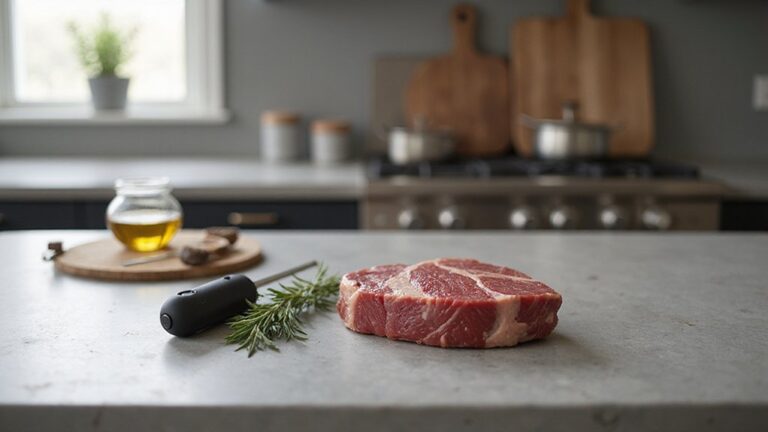
You can sear steak with a butane torch, but it’s less effective than propane. Butane generates only 3,150°F compared to propane’s 3,600°F, requiring 5-6 minutes instead of seconds to develop a proper crust. You’ll risk overcooking the interior before achieving adequate browning. The lower flame velocity and incomplete combustion produce weaker, yellow flames that struggle to reach the 400–450°F surface temperature needed for ideal Maillard reaction. However, specific techniques and equipment modifications can considerably improve your results.
Understanding Butane Torch Capabilities
Before you attempt to sear steak with a butane torch, you’ll need to understand its fundamental limitations. Butane torches generate lower flame temperatures than propane alternatives, producing steady, finely controllable flames better suited for delicate tasks. You’ll find that achieving effective searing requires 5-6 minutes or longer, compared to seconds with high-intensity torches. The smaller flame size and lower heat density demand close proximity and slow, deliberate movement to prevent uneven burning. However, these portable kitchen tools excel at flame control techniques, offering adjustable nozzles for precision work. You’ll appreciate their lightweight design and beginner-friendly operation in confined indoor spaces. Ultimately, butane torches work best for finishing touches and fat rendering rather than primary searing applications on steak. Additionally, their ability to preserve flavor profiles makes them suitable for finalizing the presentation of gourmet dishes. Choosing the right culinary torch will enhance your overall cooking experience.
Heat Output Comparison: Butane vs. Propane
While butane torches offer convenience for kitchen use, they can’t match propane’s superior heat output and transfer efficiency. Propane reaches 3,600°F with higher flame velocity, delivering heat faster to your steak’s surface. Butane generates only 3,150°F and requires more oxygen for complete combustion, which dilutes its effective flame temperature concentration. Additionally, using specialized kitchen thermometers can help ensure that your steak is cooked to the perfect internal temperature after achieving that desirable sear.
When you’re searing steak, fuel efficiency matters greatly. Propane’s combination of higher temperature and velocity enables better heat performance in practical cooking scenarios. Butane’s energy transfer rate lags behind despite similar total BTU values—19,494 BTU/lb versus propane’s 19,768 BTU/lb.
For extended searing projects, propane delivers longer sustained burn times. You’ll achieve superior crust development and faster task completion with propane, making it the technical choice for serious steak preparation. This is particularly important because using the proper fuel type ensures that you avoid potential safety hazards like leaks or poor performance.

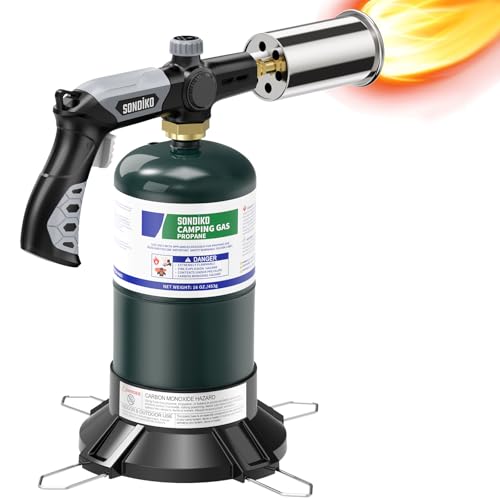
Note: TANK AND PROPANE ADAPTER ISN’T INCLUDED. For first-time use, the recommended knob rotation range is 30° to 90°.

Note: Gas canister not included due to shipping rules. Ensure a tight connection before use. Turn knob 50–150° to ignite; avoid max power button to ignite. Adjust angle slightly if needed. Do not use at 90°. Detach canister after use and store separately.
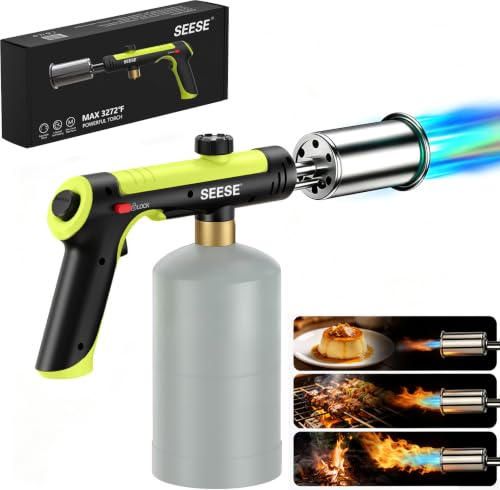
【🛡️ Dual-layer Security Protection】Secure gas seal minimizes leaks, and a safety lock blocks accidental use of the max flame button.Certified Safety Standard – Tested and approved to UL147 Safety Standard, ensuring stable ignition, leak-proof fuel flow, and reliable operation. Use with confidence knowing your torch meets US safety requirements.
Why Butane Falls Short for Steak Searing
Although butane torches offer convenient portability, they’re fundamentally limited by insufficient heat intensity for achieving the rapid surface searing that restaurant-quality steak demands. Butane’s lower flame temperature means you’ll need several minutes to develop a proper crust, risking overcooking your interior. Additionally, butane torches commonly produce weaker, yellow flames indicating incomplete combustion. This combustion quality issue deposits unburned fuel residue onto your meat’s surface, creating unwanted off-flavors. Butane’s lower vapor pressure also causes performance instability in cooler environments—your torch may sputter or require frequent relighting. You’ll spend considerably longer holding the flame closer to the steak, increasing uneven cooking risks. In contrast, using techniques like stovetop pan-searing can quickly produce that desired crust without the drawbacks of butane. Propane’s superior energy density and consistent blue flame deliver the intense, rapid searing you need. For maximum flavor depth, consider pre-marinating food before cooking, as it enhances overall taste.
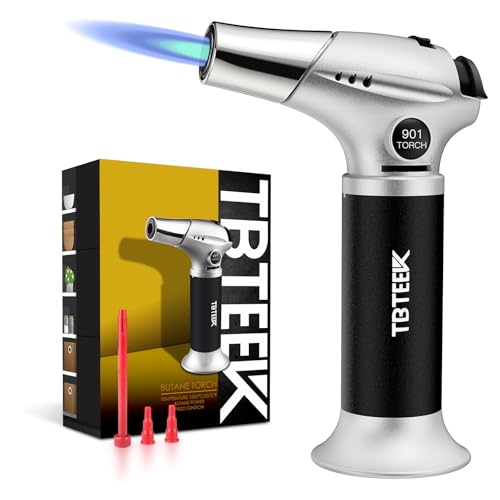
Safe and Sturdy Creme Brulee Torch: The safety lock could prevent accidental ignition. Also the ergonomic design provides comfort to your hand and keep away from the flame; the aluminum alloy material adopted makes it more resistant and sturdy, ensuring the longevity (Note: After each use, please turn the flame adjustment valve to the lowest level(OFF Position), and engaging the safety lock for indicent ignition)

Gas Type Compatibility: Can be used for butane fuel only with short nozzles (canister with snap joint only). For secure delivery, this does not include butane gas

【Effortless One-Handed Operation】With the flame regulator and flame lock button easily in reach of your thumb, adjust and lock the flame with just one hand. Never again do you need to free up the other hand to assist.
The Maillard Reaction and Temperature Requirements
To achieve restaurant-quality steak crust with a butane torch, you’ll need to understand the Maillard reaction—the chemical process that transforms your steak’s surface into a flavorful, caramelized crust. This reaction occurs when free amino acids and reducing sugars combine at high heat, producing brown pigments and meaty aromas. You’ll need surface temperatures exceeding 285°F to initiate the reaction, with ideal searing techniques occurring between 400–450°F for maximum browning without burning. Temperature thresholds are critical—the reaction accelerates notably near 350°F. Make sure your steak’s surface is completely dry beforehand, since moisture inhibits crust development. A butane torch’s flame, while intense, delivers concentrated, uneven heat that makes achieving consistent temperature thresholds across your steak’s surface exceptionally challenging, potentially compromising crust development. Additionally, using a cast iron skillet can help maintain consistent temperatures, which is key to optimizing the searing process, as cast iron is known for its ability to evenly distribute heat. Achieving precise control over temperature is key to optimizing the searing process.
Time Investment: How Long Does Butane Searing Take
How long does it actually take to sear a steak with a butane torch? The actual torch searing duration ranges from 30 seconds to 2 minutes per side, depending on steak thickness and torch intensity. You’ll complete a full sear in approximately 2 minutes total when using proper medium-high settings.
Your time efficiency depends on several factors. Thinner steaks require less than one minute per side, while thicker cuts demand iterative passes for even browning. Maintaining ideal flame distance—around 12 inches—and using whitish-blue flame guarantees complete combustion, minimizing unnecessary exposure.
However, remember that torch searing supplements rather than replaces prior cooking methods. You’ll invest 1–2 hours in sous vide preparation before torch application. This cooking technique prioritizes surface crust development, not internal temperature achievement, making proper pre-searing preparation essential for overall efficiency.
Best Torches for Effective Steak Searing
Selecting the right torch dramatically impacts your searing results, as flame intensity, heat distribution, and fuel efficiency directly determine whether you’ll achieve a restaurant-quality crust or a mottled, gray surface.
The Bernzomatic TS8000 delivers exceptional performance with consistent, high-intensity flame and larger fuel capacity, reducing refill interruptions during multiple steaks. Its torch features include adjustable nozzles that switch between high output and steady low flame, providing superior flame control for precise heat application. Additionally, using a cast iron skillet’s superior heat retention can further enhance the searing process, leading to a delectable crust.
If you prioritize compactness, Iwatani torches offer portability but sacrifice heat intensity and consistency. For peak results, consider the Searzall attachment, which converts standard butane torches into specialized searing tools with improved flame evenness and control—justifying its additional cost through professional-quality outcomes.
To ensure your cast iron skillet is thoroughly dried before using it with a torch, heat it on the stovetop after washing to maintain seasoning.

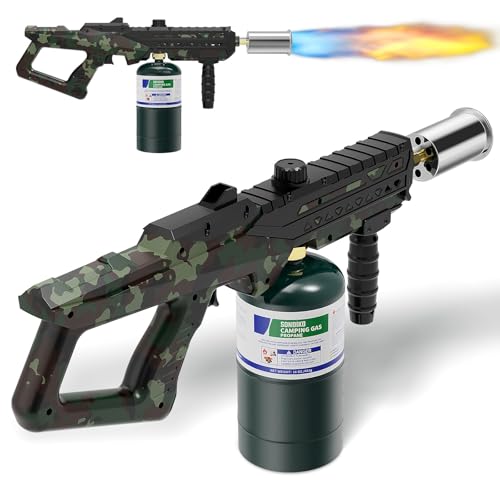
【High Power & adjustable】: The grill torch is 3500Kacl/h high power, and the central flame temperature is as high as 2732℉/2300℃, which can quickly ignite wood and charcoal.The flame can also be easily adjusted by turning the valve.
Proper Technique for Torch Searing Steak
Armed with the right torch, you’re ready to execute the searing process itself—and technique matters just as much as equipment quality. Master your searing techniques by holding the torch nozzle 2–3 inches from the meat’s surface, maintaining constant motion to prevent excessive charring. Your torch positioning determines success: keep the flame moving back and forth across the entire surface for 30 seconds per side. Start with the top surface, then flip and repeat. Stand the steak on its edges to torch the perimeter completely. Operate at medium-high settings for a whitish-blue flame indicating complete fuel combustion. Cover all visible fat portions liberally, returning to missed spots until you’ve achieved consistent browning without blackening the exterior. Using a butane torch allows for quick, targeted heat that enhances the flavor and texture of your steak.
Troubleshooting Common Searing Problems
Even with proper technique, you’ll encounter common searing problems that stem from flame quality, heat output, and surface preparation. A yellow-tipped flame indicates incomplete combustion, leaving chemical residues on your steak. Recalibrate your torch’s fuel flow to achieve a short, dark blue flame for ideal results. If you’re using butane, consider upgrading to propane, which burns 50% hotter and delivers faster charring. Uneven searing often results from inconsistent torch movement or cooking surfaces with irregular topography. Maintaining a clean cooking surface, like a thoroughly seasoned skillet ensures optimal heat distribution and a better searing outcome. Maintain steady, sweeping motions across the meat while keeping the flame at a 45-degree angle, approximately 12 inches away. For textured surfaces like pork skin, trim hair and membranes beforehand to prevent localized burning and off-flavors unrelated to fuel quality. Additionally, ensuring that your torched surface is thoroughly chilled can help achieve a more uniform sear similar to caramelizing sugar on crèeme brûlée.

Note: Propane tank is not included due to shipping regulations.
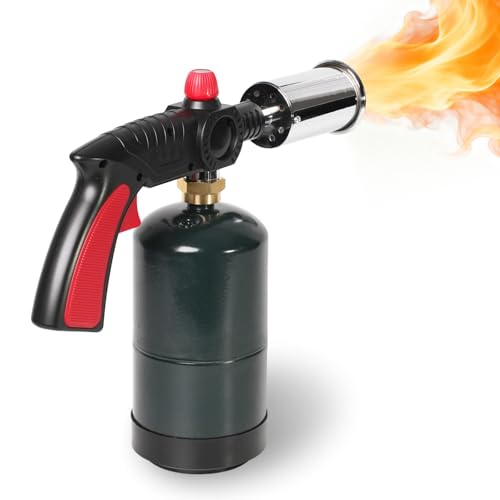
【Instant Ignition, Reliable Performance】 Our advanced piezoelectric ignition system lights instantly, every time — no more frustrating start-up failures. The premium nickel-plated nozzle and copper gas tube deliver a consistent flame up to 3272°F (1800°C) with no flickering or performance drops

【RTTOOA'S PROPANE TORCH HEAD IS DISTINCTIVE】While other brands were still using traditional techniques, RTTOOA has completed three upgrades. 1. An ergonomic handle was adopted with a non-slip matte finish coating. This provides a more comfortable user experience. 2. The ignition system was improved, increasing the maximum power output from 8,000BTU to 10,000BTU. 3. An pressure regulator was built-in to ensure a 100% ignition success rate, and increase the stability of the flame. This significantly extends the product's lifespan
Safety Considerations When Using Kitchen Torches
While butane torches deliver superior searing results, they demand careful handling to prevent fire hazards, chemical exposure, and burn injuries. You’ll protect yourself by removing combustible materials like paper and fabrics before igniting the torch. Make sure fire extinguishing equipment stays accessible and operate in well-ventilated areas to dissipate toxic fumes and unburned hydrocarbons that can deposit chemical residues on food. Working in a well-ventilated area is crucial for safety.
Practice proper grip and flame control, directing heat away from your body. Pre-use inspections catch cracked components that cause malfunctions. Modern torches feature safety locks and trigger-start mechanisms—engage them when you’re not actively searing. Allow 15-30 minutes cooldown before storage to prevent contact injuries. Select certified torches meeting regulatory safety standards. Following manufacturer instructions precisely guarantees ideal fire safety and minimizes toxic exposure risks during operation. Additionally, it is advisable to use butane torches with automatic ignition systems to enhance safety during use.

Note: FOR SAFE SHIPPING BUTANE GAS ISN’T INCLUDED. Please strictly follow the inflation instructions in the manual for operation.

►Note: FOR SAFE SHIPPING BUTANE GAS ISN’T INCLUDED - SEPARATE PURCHASE REQUIRED. Do not use flame to ignite the Blow Torch, this is already a lighter!!!
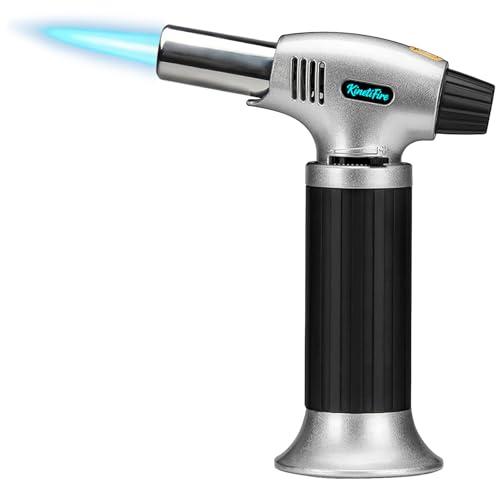
[Pro-Grade Versatility for Culinary Arts] Elevate your kitchen game with the KinetiFire torch. Whether you’re crafting the perfect crackly crust on a crème brûlée, searing a succulent steak, or caramelizing meringue, this professional-grade tool delivers consistent heat. It’s the essential companion for chefs and home cooks alike who demand restaurant-quality results at home.