You can replace disposable sous vide bags with reusable silicone alternatives that break even environmentally after just 15 uses and deliver over $1,500 in long-term savings. Compostable bioplastics offer plant-based options, though they require industrial composting infrastructure. Glass containers and vacuum-sealed systems provide durable, non-toxic alternatives that eliminate ongoing waste generation. Each option creates measurable environmental and economic advantages—understanding which aligns best with your cooking habits and local infrastructure reveals the best path forward.
Reusable Silicone Bags as Eco-Friendly Alternatives
Silicone bags represent a closed-loop alternative to single-use plastic sous vide bags, delivering measurable environmental and economic returns. You’ll replace thousands of disposable bags with a single $14.99 silicone option, generating long term savings exceeding $1,500. This shift dramatically reduces landfill and ocean plastic contamination while cutting petroleum-based material dependency.
Silicone safety features distinguish these bags from conventional alternatives. They’re BPA-free, non-reactive, and withstand temperatures from -40˚C to 230˚C without chemical leaching. You can safely conduct multi-day sous vide processes without contamination risks.
The durability math is compelling: each bag sustains 3,000+ uses with minimal degradation through repeated freezing, microwaving, and dishwasher cycles. You’re investing in a system that actively supports sustainability initiatives while maintaining food quality and safety standards across diverse cooking applications.

Works with any Sous Vide Machine — Compatible with Anova, Joule, Instant Pot, and ChefSteps circulators. No vacuum sealer needed — just zip, seal, and cook perfect steak, chicken, or fish every time
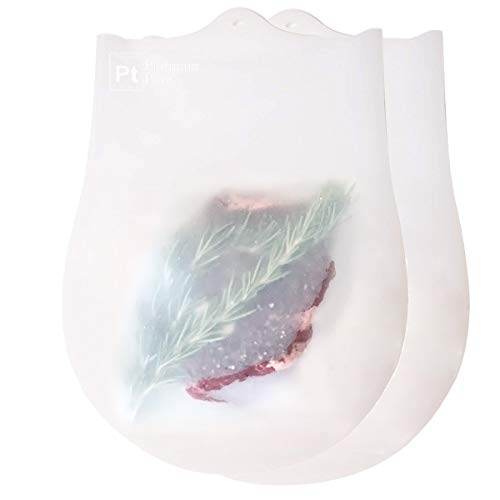
NOT ALL SILICONE IS CREATED EQUAL: 100% Platinum Pure LFGB silicone with No FILLERS – Surpasses minimums, the silicone in our sous vide bags is certified to the much more stringent European LFGB standards. Our platinum pure curing process ensures there are no by-products, BPA, BPS, PVC, or Phthalates. Our silicone bags are completely odorless and will not affect food odor or flavor.

【100% SILICONE - MICROPLASTIC FREE】Tired of disposable ziplock plastic bags? Switch to silicone! Made from 100% food-grade silicone, Annaklin reusable ziplock bags are free of PVC, lead, chlorine, phthalates, BPA, and microplastics. Non-toxic and odorless, they keep your family’s food safe and healthy. The perfect alternative to single-use plastic bags—help reduce waste and protect our planet
Compostable and Bioplastic Sous Vide Bags
Plant-based polymers derived from corn starch, sugarcane, and rice offer a fundamentally different approach to sous vide cooking than petroleum-dependent alternatives. You’ll find these bags withstand temperatures up to 85°C for extended periods without degrading, matching traditional plastic performance while delivering sustainability benefits through reduced carbon footprints.
However, composting challenges greatly limit their environmental advantage. You need industrial composting facilities maintaining constant 55°C temperatures and precise moisture control for proper biodegradation within six months. Most home compost bins lack these conditions, resulting in incomplete decomposition. Additionally, anaerobic landfill degradation produces methane emissions, potentially offsetting ecological gains. Bioplastics can also disrupt industrial waste processing by inhibiting microbial activity and clogging machinery. Certifications like OK COMPOST provide assurance of industrial compostability, but you should verify your local composting infrastructure before adopting these alternatives.

【BPI Certified Compostable】 – Vesta Precision vacuum sealer bags are crafted from certified compostable materials, offering a reliable alternative to traditional plastic bags. Designed to support waste reduction, these rolls help you maintain a greener kitchen without compromising on food freshness.

1. Altinatives for Plastic Bags: Made with food-grade silicone which has very stable chemical properties. Not release chemical particles BPA & Phthalates and reduce the risk of microplastics exposure even in long time heating situation.

✔️【Wide Range of Use】Made of PE/PA food grade material, FIRAWER sous vide cooking bags are reusable up to 10 times, can keeps fresh for meat, seafood, vegetables, fruits, grains, nuts snacks and sandwiches, ect. Suitable for kitchen, camping, spring outing, travel and other scenes.
Plastic-Free and Vacuum-Reusable Sous Vide Bags
While bioplastics address some environmental concerns, they don’t eliminate the fundamental waste problem—you’re still discarding material after use. Reusable silicone and multi-layer polymer bags represent a systemic shift toward circular economy principles. You’ll find these sustainable materials withstand extreme temperatures (-40˚C to 230˚C) and repeated washing cycles, considerably extending product lifecycles. Their oxygen barrier properties maintain food freshness comparable to single-use alternatives while eliminating ongoing waste generation. Most options feature manual air removal systems—pull-tie closures or hand pumps—requiring no electricity or machines. By investing in these durable bags, you systematically reduce landfill burden while maintaining sous vide cooking performance. Additionally, using these bags can extend shelf life by preserving nutritional value and preventing spoilage. Notably, using specialized sous vide bags ensures safety and optimal cooking results. The initial purchase cost distributes across hundreds of uses, creating measurable environmental and economic advantages over disposable bag consumption.


THE CONSCIOUS & BUSY HOUSEHOLD: Designed for eco-conscious families, meal preppers, and busy professionals who prioritize food safety. Whether you’re packing lunches or organizing a week’s worth of sous vide dinners, this 4-pack set (1 Sandwich, 1 Lunch, 1 Half-Gallon & 1 Gallon) provides the perfect toxic-free storage solution for every member of the home.
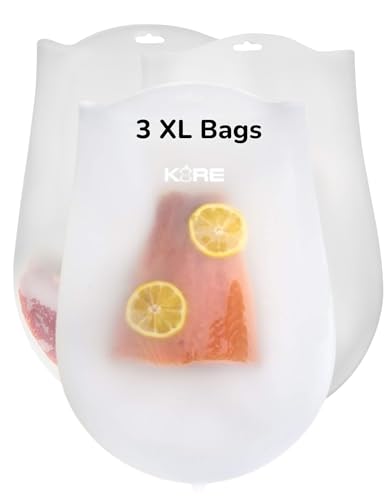
NO VACUUM SEALER REQUIRED Save money and counter space with bags designed for the water displacement method. Lower the bag into your sous vide container and water pressure removes the air automatically. No pump, no machine, no extra equipment needed. Works with Anova, Joule, Instant Pot circulators, and all other sous vide devices
Alternative Sous Vide Containers and Sealers
Beyond reusable bags, you’ll find that alternative containers and sealing systems extend the circular economy approach even further by eliminating plastic entirely from your sous vide workflow. Glass jars and stainless steel containers with silicone seals offer durable, non-toxic alternatives that withstand sous vide temperatures between 50°C–90°C without chemical leaching. Additionally, using commercial sous vide bags ensures that harmful chemicals are not released into your food during the cooking process. Sous vide innovations like mason jar vacuum sealers and rechargeable handheld devices reduce single-use plastic dependency while maintaining airtight seal integrity. These eco-friendly materials—borosilicate glass, high-grade stainless steel, and BPA-free silicone—provide extended durability, lowering lifecycle environmental impact. Emerging biodegradable vacuum sealer bags complement these containers, creating all-encompassing systems where reusability and compostability align with precision cooking requirements. Incorporating these alternatives not only promotes sustainability but also ensures that you achieve consistent results, similar to popular proteins like steak.
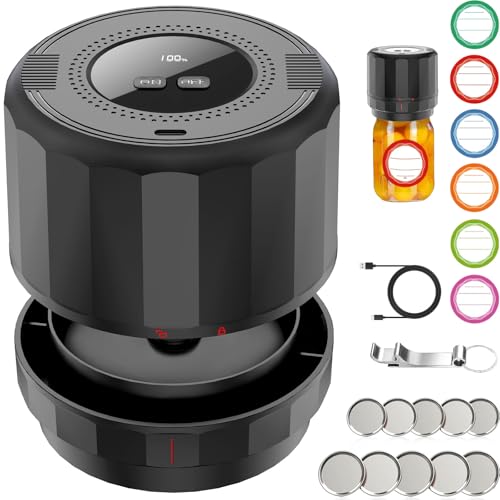
Help Reduce Food Waste & Keep Food Fresh Longer - This mason jar vacuum sealer removes air to create an airtight vacuum seal, helping keep dry goods, coffee, nuts, and leftovers fresh for longer—ideal for food storage, meal prep, and everyday kitchen use, helping extend shelf life, preserve food freshness, and support everyday food storage needs.


【Suitable for two types of Mason jars】The electric Mason jar vacuum sealer contains two sizes of mouth seals for your daily use. To get the standard mouth seal jar, simply insert the red arrow on the standard mouth seal converter, align it with the unlock symbol on the main unit and then insert it inside the silicone ring in the wide mouth seal area and tighten it clockwise, at this point the arrow is aligned with the lock symbol, which indicates a successful installation.
Environmental Impact and Lifecycle Considerations
When you choose sous vide bag alternatives, you’re making decisions with measurable environmental consequences that extend far beyond the kitchen. A lifecycle analysis reveals that silicone bags break even environmentally after just 15 uses—then deliver cumulative benefits over hundreds of subsequent cycles. Conversely, single-use plastics fragment into microplastics over centuries, contaminating ecosystems while generating methane in landfills. Compostable alternatives show promise but depend critically on industrial composting access; without it, they’re merely landfill-bound. Your environmental footprint shifts dramatically based on which option you select. Reusable silicone eliminates waste generation entirely, while recyclable bags often fail due to food residue and inadequate infrastructure. Understanding these systems empowers you to make choices that genuinely reduce environmental impact.