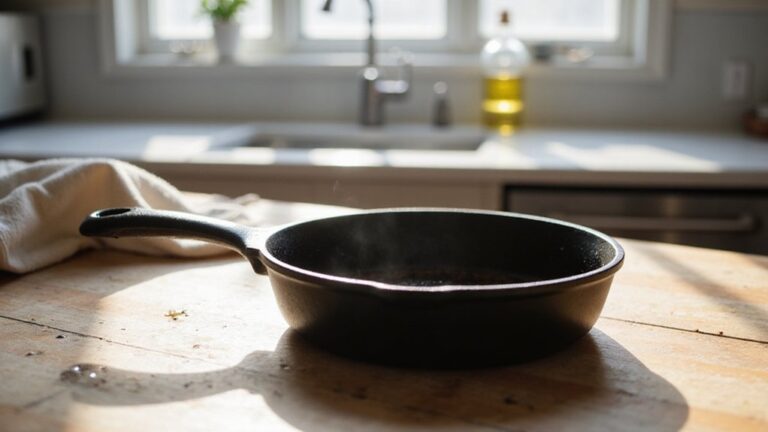
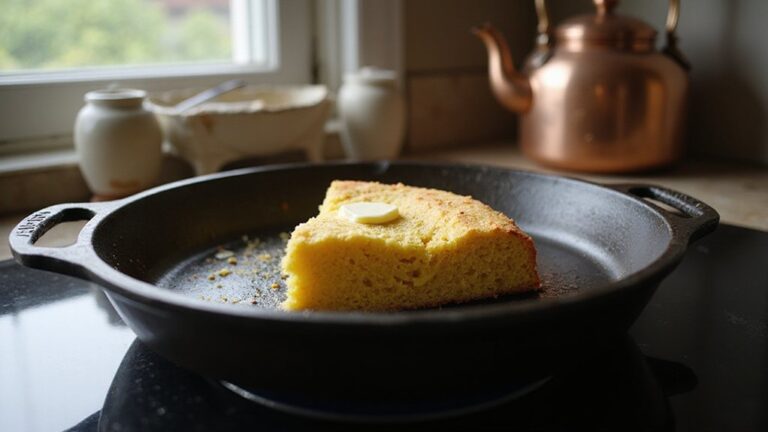
You can easily make cornbread without a cast iron skillet using aluminum, ceramic, or glass pans. Preheat your chosen pan at 400-425°F for even heat distribution. Increase baking powder to 1.5 teaspoons per cup of cornmeal for better leavening, and add one-third cup melted butter for moisture. Bake for 20-28 minutes until a toothpick comes out clean. For stovetop cooking, use a covered skillet over medium heat for 15-25 minutes per side. The specific techniques you’ll uncover can transform your cornbread into something remarkably delicious.
Alternative Pans for Oven Baking
Since cast iron skillets aren’t your only option, you’ll find several oven-safe alternatives that work well for cornbread. Aluminum pans provide quick, even heat distribution, while non-stick aluminized steel facilitates easier release and cleanup. Ceramic dishes offer excellent heat retention, though they may require slightly longer baking times. Glass pans let you monitor doneness visually but produce less crispy crusts due to their heat conduction properties. Experimenting with different pans can yield varying results, as cast iron skillets are known for creating a signature crispy, golden-brown crust.
When selecting pan shapes, shallow square pans create a higher crust-to-crumb ratio for enhanced crispiness. Round cake pans provide even heating but yield less edge crust. Cornstick pans produce traditional shapes with ample crust surface, while muffin tins work perfectly for individual portions with quicker baking times. Using a meat thermometer ensures that your cornbread is cooked to the desired level of doneness by allowing you to accurately check the internal temperature.
Choose your alternative materials and pan shapes based on your desired texture and portion preferences.

King Arthur Baking Company Ceramic Scone Pan: Creates consistently textured scones with golden crusts and soft centers; ideal for home-baked treats with bakery-quality results

High-Quality Bakeware: A bakeware solution that’s beautiful, durable and easy to clean

Perfect Size for Individual: AVLA 4 pack ceramic small casserole dish with the dimension of: 7" in diameter (without handle ) x 1.7" in height, capacity: approx 20 oz ( Limit Capacity ). This baking tray set is suitable for pizza, bread, lasagna, spaghetti, chicken, meat, beef, roasting, vegetables, storing and reheating leftovers and etc.
Stovetop Cooking Methods
When you’re ready to cook cornbread on the stovetop, you’ll want to start by setting your frying pan or regular skillet over medium heat and coating it generously with butter or oil—this step’s essential for achieving that golden-brown crust and developing rich flavor throughout.
The stovetop advantages offer impressive cooking versatility. Cover your batter with aluminum foil, venting it with knife slits to prevent condensation buildup. Cook the first side for 15-25 minutes until the cornbread rises considerably and the bottom develops light brown coloring. Once firm to touch, loosen edges with a spatula, then confidently flip onto a plate before sliding it back into your preheated skillet. Cook the second side for 10-15 minutes until golden brown, then rest covered for five minutes before serving.
Essential Ingredient Adjustments
Making cornbread outside a cast iron skillet requires thoughtful modifications to your recipe, since lighter pans don’t retain and distribute heat the same way.
Start with leavening agent adjustments by increasing baking powder to 1.5 teaspoons per cup of cornmeal. This compensates for reduced heat retention in standard metal or ceramic pans. Avoid overmixing your batter, which compromises leavening effectiveness. It’s also important to ensure that your alternative pans are preheated if possible, as this mimics the searing effect of a cast iron skillet, which helps with seasoning development.
For fat incorporation techniques, boost melted butter to one-third cup to enhance moisture your pan won’t provide through searing. Generously grease your pan before pouring batter to create crispy edges. Consider using flavorful alternatives like bacon grease or lard for deeper taste.
Finally, start with less liquid than traditional recipes call for, adding gradually until you achieve a moist, pourable consistency. Room-temperature liquids promote even mixing and ideal rise in alternative baking vessels. Additionally, be mindful that using a generous amount of cornmeal on the pan’s bottom can help prevent sticking and add a nice texture.
Proper Baking Techniques
Three critical factors distinguish successful cornbread baking without cast iron: oven temperature, pan selection, and precise timing. You’ll achieve ideal results by preheating your oven to 400-425°F and positioning your pan on the center rack for even heat distribution. Moreover, using a metal pan rather than glass is crucial for superior heat conduction, as Dutch ovens are known for their excellent heat retention, which enhances cooking outcomes.
Baking temperature control directly impacts your cornbread’s texture and browning. Use a metal pan rather than glass for superior heat conduction, and avoid preheating it—simply add melted butter just before pouring your batter. Additionally, ensure that your pan is greased properly to create a barrier that helps prevent sticking, similar to techniques used in a cast iron skillet when seasoning the cast iron.
Bake for 20-28 minutes, testing doneness with a toothpick around the 15-minute mark. The toothpick should emerge with moist crumbs, not wet batter. Moisture retention techniques include monitoring internal temperature (200-209°F) and avoiding repeated oven-door openings. Allow your cornbread to cool for at least 10 minutes before slicing to set the crumb structure properly.

PROFESSIONAL-QUALITY BAKING RACK: Ideal for cooling cookies, cakes, cupcakes, muffins, and other desserts

8 x 8-INCH SQUARE BAKING PAN: This 8x8 baking pan is made from heavy-gauge steel and ensures a perfect bake every time for your favorite recipes such as breads, cakes, brownies, and more. Ideal for creating delicious treats with consistent results

6 IMPRESSION SKULL MINI CAKE PAN: Set the table with a fun, decorative dessert to share.
Achieving Optimal Flavor and Texture
While proper baking techniques guarantee your cornbread bakes evenly and develops the right structure, what truly distinguishes exceptional cornbread is its flavor profile and tender crumb. You’ll achieve superior moisture retention by incorporating sour cream or Greek yogurt, which shortens gluten strands and promotes tenderness. Layer flavors by combining contrasting elements—sweet honey with savory herbs, or creamy cheese with jalapeños for heat. Add canned corn kernels for natural juiciness and textural variety. Fold in nuts or cooked sausage gently to maintain air pockets and avoid toughness. Balance sweetness carefully using natural sweeteners that also contribute moisture. These deliberate choices transform basic cornbread into a multidimensional dish with exceptional taste and texture that elevates every bite.
Pan Selection and Heat Distribution
Since cast iron’s poor heat conductivity creates the uneven browning you’re trying to avoid, selecting the right alternative pan becomes essential to your cornbread’s success. You’ll want to choose aluminum baking pans, which distribute heat evenly across surfaces and prevent hot spots that cause burnt edges. Light-colored aluminum particularly works well, preventing excessive browning while ensuring uniform golden results throughout your cornbread. Additionally, using a well-seasoned cast iron skillet can enhance the non-stick properties of your cooking experience, leading to easier release of baked goods.
If you prefer stainless steel, opt for multiclad options featuring aluminum or copper core layers. These pan materials dramatically improve heat conduction compared to pure stainless steel alone. The combination delivers reliable, consistent baking performance that transforms your cornbread texture from spotty to perfectly even. Additionally, creating a hot and humid environment in your oven can enhance the baking process and improve the final texture of the cornbread.
Size matters too—select a pan that accommodates your batter without crowding, allowing proper heat circulation. The right pan choice guarantees delicious, evenly-cooked cornbread every time.
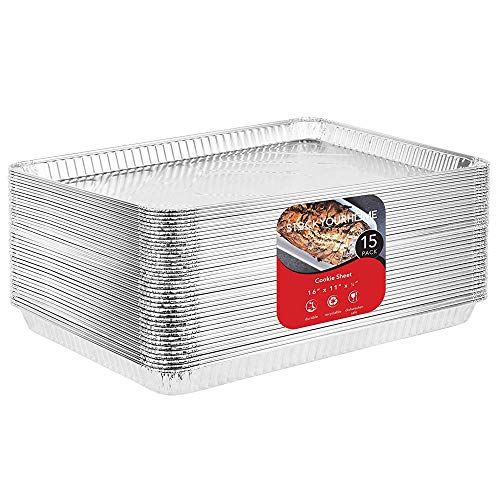
Aluminum Cookie Sheets Perfect for Baking: It’s time to bake! With our Aluminum Foil Cookie Sheets, you can bake and transport your cookies with ease! If you’re running a catering business or restaurant, these baking sheets are convenient for delivery or take-out as well. Create an impressive presentation with our sturdy, silver flat pans.

2-PACK SET FOR EVERY TASK: This aluminum baking pans set includes 13" x 9" - 2 practical quarter sheet pan to cover all your cooking needs. Ideal as a aluminum baking sheet or a cookie sheets for baking.

Quarter Sheet Pan, Set of 2: Whip up your favorite baked goods with our durable, rust-proof, aluminum baking sheets for oven, safe up to 450F. Baking tray: 13” x 9.5” x 1”. Baking surface: 12.4” x 9”.
Crust Comparison and Enhancement
Without cast iron’s natural heat retention, you’ll need to deliberately recreate the conditions that produce that coveted crispy, golden exterior. Preheating your baking steel or heavy-bottomed pan guarantees consistent heat distribution that rivals cast iron performance. Generously coat your pan with clarified butter or bacon fat—these higher smoke-point options fry your batter slightly upon contact, boosting crust crunchiness considerably.
For texture improvement, brush melted butter directly onto the crust immediately after baking. This prevents steam from softening the surface while adding richness. Consider incorporating buttermilk into your batter; its acidity accelerates browning reactions, intensifying crust color and crispness. Including high smoke-point fats in your preparation can further enhance results by briefly broiling the cornbread post-bake or letting it rest exposed to encourage moisture evaporation. Additionally, ensuring a clear line of sight to your baking surface can help maintain optimal temperatures and texture.
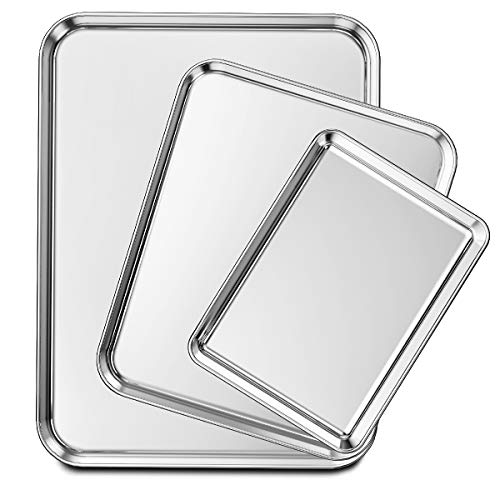
MORE WAYS TO USE: The stainless steel baking sheet set includes 3 different sizes of baking sheets which designed for high performance,15.8 x 12 x 1 inch, 12.25 x 9.65 x 1 inch, and 9.37 x 7 x 1 inch. A great replacement of aluminum pans, fits most regular toaster ovens, meet most of your daily baking or roasting needs, also good to be used as serving tray, cookie sheet and more
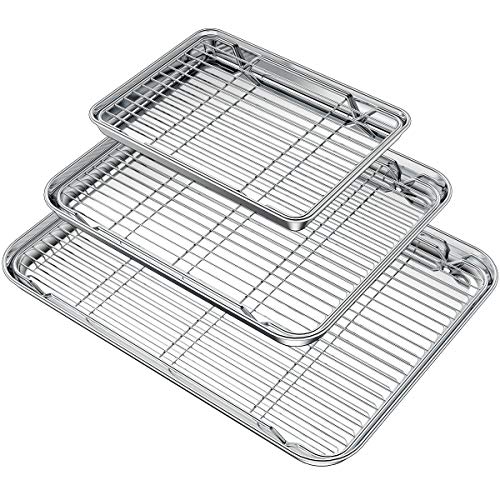
MULTI-USE: Including 3 baking sheet Large (16 x 12 x 1 inch), Medium(12.25 x 9.65 x 1 inch), Small( 9 x 7 x 1 inch) and 3 cooling racks match each size. A great replacement of aluminum pans, fits most regular toaster ovens, it's an essential choice for macaroon/ pastries /cookies /brownies making

Storage and Reheating Guidelines
Once you’ve achieved that perfect golden crust, you’ll want to preserve your cornbread’s quality through proper storage and reheating techniques. Keep room temperature cornbread wrapped airtight for up to three days, or refrigerate it for five days in double-wrapped, sealed containers. For longer storage duration, freeze your cornbread up to three months using freezer-safe materials and proper labeling.
When reheating, thaw frozen cornbread completely before using low to medium oven temperatures around 300-350°F. Cover it with foil to retain moisture and prevent hardening. Alternatively, wrap cornbread in a damp paper towel for quick microwaving. These reheating techniques restore warmth without drying it out, ensuring you enjoy that tender crumb and moist texture you worked hard to achieve. Additionally, if you’re looking to enhance your cornbread experience, consider pairing it with savory dishes like pot roast which can complement its flavor beautifully.