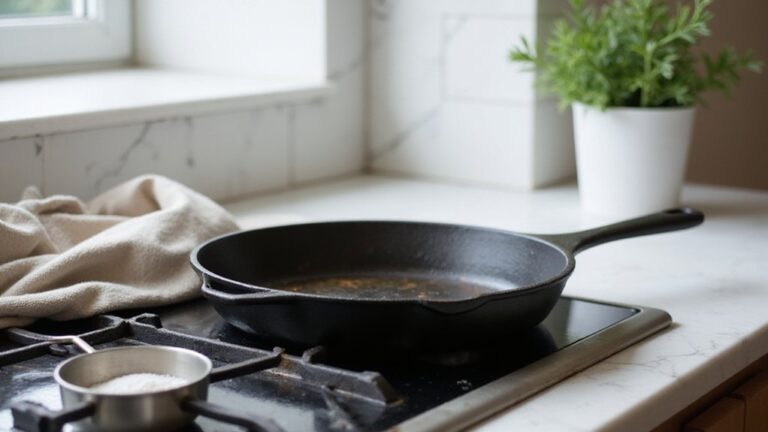
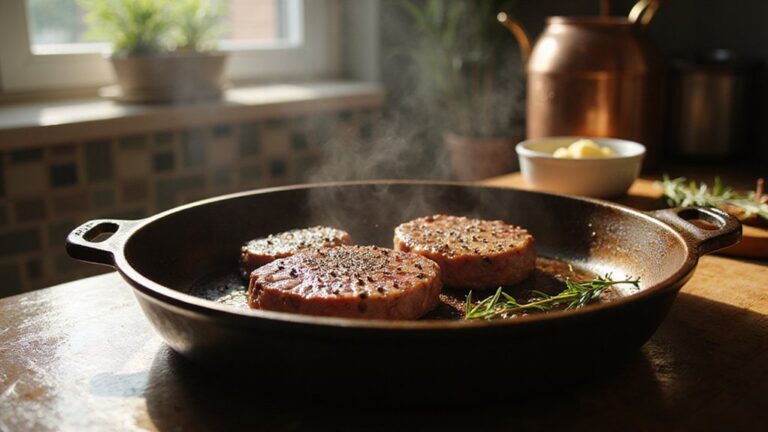
You’ll create the ultimate cast iron steak rub by combining 1/4 cup kosher salt, freshly ground black pepper, and brown sugar as your foundation. Layer in smoked paprika, garlic powder, and fresh thyme for aromatic depth. Add espresso powder for umami complexity and sumac for citrusy brightness. Pat your steak dry, apply high smoke point oil, then sear without moving for a restaurant-quality crust. Uncover how proper technique elevates these ingredients into exceptional results.
Essential Components of a Quality Steak Rub
Whether you’re perfecting your cast iron technique or experimenting with new flavors, understanding a rub’s core components is fundamental to achieving restaurant-quality results.
You’ll want to balance sugar ratios carefully—brown sugar promotes the Maillard reaction for crust development, while white sugar offers similar browning with less sweetness. Moderation prevents burning at high temperatures.
Salt types matter considerably. Kosher salt provides even distribution and controlled salting, whereas sea salt offers coarser texture and mineral complexity. Salt draws surface moisture, enhancing crust formation and flavor penetration.
You should include aromatic elements like garlic powder for savory depth and smoked paprika for smokiness without burning risk. Cracked pepper delivers more volatile oils and texture than ground varieties.
Combine coarse components for superior adhesion to your steak’s surface, ensuring consistent flavor without excess rub creating bitterness. A well-prepared rub enhances the flavor profile of your steak, leveraging the cast iron skillet’s even heat transfer to achieve an exceptional sear.

PURE & SIMPLE INGREDIENTS. Crafted with just coarse kosher salt and 16 mesh coarse ground black pepper. No fillers, additives, or preservatives. A clean 2-ingredient classic for seasoning meats, veggies, and everyday meals.

THE SPG SEASONING YOU'LL REACH FOR EVERY DAY: Livia's perfectly balances kosher salt, coarse black pepper, and garlic into a premium SPG seasoning that enhances everything from eggs and vegetables to burgers, steak, chicken, seafood, and potatoes. A versatile seasoning you'll use every day.

STEAK-INSPIRED FLAVOR: Bring bold, savory character to everyday meals with a steak seasoning inspired by favorite steak experiences around the world, balancing Pacific Northwest Sea Salt and spices to complement the natural flavor of the meat.
Top Seasoning Ingredients for Maximum Flavor
Layering complementary ingredients transforms a basic steak rub into a nuanced flavor profile that’ll deliver restaurant-quality results on cast iron. Your herb selection matters considerably—fresh thyme and rosemary provide superior intensity compared to dried alternatives. Balance your spice ratios carefully: 1/4 cup kosher salt, 1 teaspoon coarse black pepper, and granulated garlic create your foundational base. Incorporate umami depth through espresso powder, which intensifies flavors without tasting like coffee. Additionally, a cast iron skillet helps in creating that perfect sear and crust that enhances overall flavor. Add complexity with mustard seed and consider heat variations using red pepper flakes. Fresh ground pepper consistently outperforms pre-ground options for textured crust development. When combining these elements, prioritize quality salt selection—it directly impacts crust formation and flavor absorption. This precision approach guarantees each component contributes meaningfully to your final result. Additionally, using a cast iron skillet can improve crust formation through excellent heat retention and even heat distribution, enhancing the overall flavor profile.

FANCY & FLAVORFUL Experience spices and seasonings like never before with our herbaceous steak rub. Its packed with minced garlic paprika and black pepper that is sure to spice up your meals

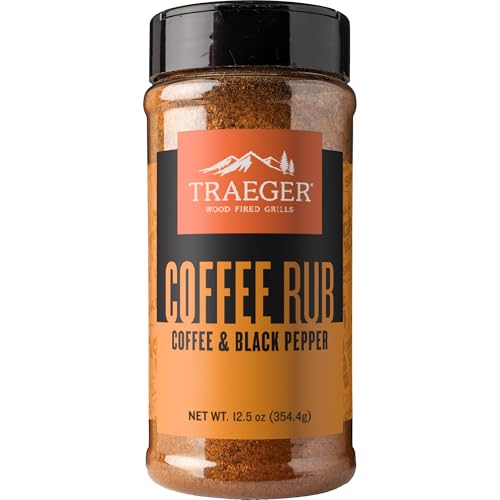
Bring bold flavors to the kitchen or grill with a seasoning blend created to enhance steak’s natural flavor

The perfect combination of sweet and smoky flavors
Preparing Your Steak for the Perfect Rub Application
Once you’ve perfected your rub’s ingredient ratios, you’ll need to prepare your steak properly so those carefully selected flavors can adhere and penetrate effectively. Start by trimming excess fat from the edges, leaving approximately one-quarter inch for ideal flavor and moisture retention. This prevents greasiness and flare-ups during cooking. Additionally, a cast iron Dutch oven can be used for delicious Dutch oven desserts, making it a versatile tool in outdoor cooking beyond just steak.
Next, pat your steak thoroughly dry with paper towels, stacking them underneath and on top to remove excess moisture and blood. Dry meat creates a crispy exterior rather than a gray, steamed appearance.
Apply a light coating of high smoke point oil like sunflower oil to both sides. This important step helps your rub ingredients adhere securely to the surface, maximizing contact between seasoning and meat for superior flavor development on cast iron. Remember, proper maintenance of your cookware is crucial for achieving the best results, as seasoning cast iron can enhance its performance and longevity.

Graza Frizzle Oil Made from 100% Olives: A neutral-flavored, high heat cooking oil made from 100% peak harvest olives. With a smoke point of up to 450 degrees, Frizzle is your high-heat kitchen hero. 1 bottle/750ml.

Light Buttery Flavor That Elevates Every Meal: Algae Cooking Club Chef-Grade Algae Oil enhances every dish with subtle richness. Its neutral profile makes it ideal for searing, baking, and dressings, transforming everyday meals into gourmet experiences.

Light Buttery Flavor That Elevates Every Meal: Algae Cooking Club Chef-Grade Algae Oil enhances every dish with subtle richness. Its neutral profile makes it ideal for searing, baking, and dressings, transforming everyday meals into gourmet experiences.
Searing and Cooking Techniques in Cast Iron
Now that your seasoned steak’s ready, cast iron’s superior heat retention becomes your greatest advantage for achieving restaurant-quality results. Preheat your pan 5-6 minutes over medium-high heat until water droplets sizzle instantly, then add shimmering oil. Using a very hot skillet is essential for achieving a good sear, which locks in the flavors.
Sear your steak 2-3 minutes per side without moving it, allowing proper crust formation through the Maillard reaction. Once both sides develop visible browning, reduce heat to medium-low and add butter with smashed garlic and fresh thyme. Basting your steak with this mixture enhances flavor while maintaining ideal doneness.
Baste your steak 3-4 times, repeatedly coating it with the aromatic mixture to enhance tenderness and flavor. Monitor internal temperature with a thermometer, targeting 130-135°F for medium-rare or 140°F for medium steak doneness. Remember that resting the steak after cooking is crucial for retaining juices and maximizing flavor.
Remove your steak and rest it 5 minutes on a separate plate, allowing juices to redistribute before serving.

YOUR NEW GO-TO SEASONING SPRAY: The Lodge Seasoning Spray is the perfect seasoning spray to maintain your cast iron cookware. It is made of 100% canola oil - no additives or propellants, to protect your cookware and enhance its finish.
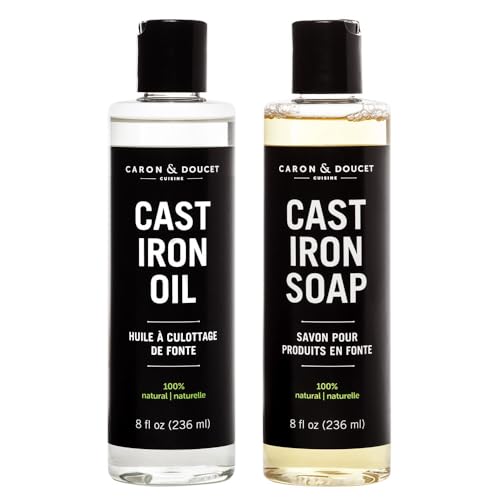
CLEANS CAST IRON | Includes our Cast Iron Soap unlike detergent based soaps, this soap is formulated with 100% natural plant-based oils & free of sulfates, phosphates, parabens & petrochemicals! Gentil on cast iron seasoning & on your hands!
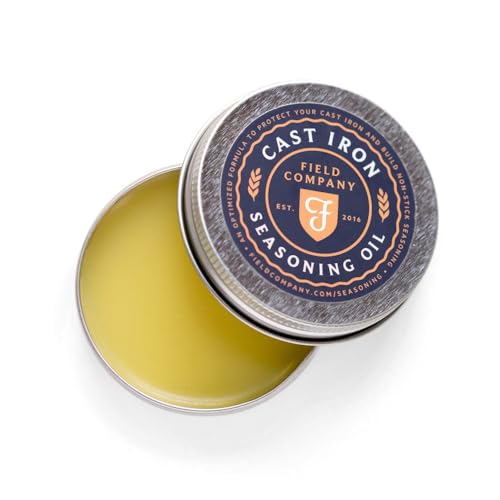
HOW TO USE: The key to naturally nonstick cast iron cookware? Cook often, and apply Seasoning Oil every time you clean your pan. Clean your cast iron with soap and a brush, then use a chain mail scrubber to smooth out existing seasoning layers. Apply a dab of Seasoning Oil and spread it thinly over the surface with a paper towel or clean rag. Wipe away excess oil to leave a dry, matte finish.
Enhancing Your Rub With Complementary Flavors
While a foundation of salt and pepper creates a solid base, you’ll reveal deeper, more complex flavors by strategically incorporating complementary ingredients that enhance the beef’s natural qualities without overwhelming them. Black garlic and espresso powder deliver umami depth, amplifying meaty flavors through enzymatic tenderizing and melanoidin compounds. Sumac provides citrusy brightness without moisture, preserving your steak’s texture during the sear. Herbaceous accents like rosemary and thyme add fragrant notes that freshen the rub, while ground coriander lends subtle warmth aligned with specific flavor themes. Brown sugar balances savory and spicy elements, promoting caramelized crust formation. Additionally, using properly seasoned cast iron can significantly enhance heat retention and distribution, allowing for an optimal searing experience. Layer these components thoughtfully—acidity, heat, sweetness, and aromatics working in concert—creating a balanced profile that highlights your steak’s natural appeal and cast iron potential. Additionally, keep in mind that frequent flipping during the cooking process helps achieve even cooking and a perfect crust on your ribeye.
Delicious seasoning amps up whatever you’re cooking

Medium-rare, please. Black & Tan steak seasoning creates a restaurant-quality steakhouse crust on New York strips, ribeyes and your other favorite cuts while infusing the meat with a robust mix of garlic, cracked black pepper, sea salt and rosemary.

Medium-rare, please. Black & Tan steak seasoning creates a restaurant-quality steakhouse crust on New York strips, ribeyes and your other favorite cuts while infusing the meat with a robust mix of garlic, cracked black pepper, sea salt and rosemary.
Creating and Storing Homemade Rub Blends
With your flavor profile established, you’re ready to build your custom rub by selecting and combining precise ingredient measures that’ll deliver consistent results every time you sear a steak. Measure your base—kosher salt, black pepper, garlic powder, onion powder—alongside complementary spices like smoked paprika, brown sugar, and dried herbs. Combine all dry ingredients thoroughly in a bowl, ensuring even distribution across your blend.
Store your finished rub in airtight glass containers within cool, dark spaces away from heat and humidity. Proper spice storage extends shelf life to approximately three months while preserving potency and aroma. Label containers with preparation dates for rotation tracking. Customization options let you adjust salt levels, incorporate organic varieties, or reduce sugar content based on dietary preferences. This approach guarantees flavor consistency and food safety compliance.
Achieving Restaurant-Quality Results at Home
The foundation of restaurant-quality cast iron steaks begins with three critical elements: proper skillet preparation, premium ingredient selection, and precise technique execution. You’ll achieve superior results by preheating your skillet to 400–450°F and selecting USDA Prime or Choice grades with excellent marbling. Preheating the pan ensures even cooking and prevents food from sticking.
Your steak marinade ideas should complement your rub blend rather than overpower it. Consider flavor pairing suggestions like garlic and rosemary with ribeye, or thyme and black pepper with New York strip. Pat your steak dry before searing to develop that coveted crust, then flip only once during the 2–3 minute searing window.
Remove your steak at 125–130°F for medium-rare, accounting for carryover cooking. Finish with clarified butter and fresh herbs during the final minute. Additionally, ensure you wipe off any excess fuel for a safe cooking experience before plating. Rest for 5–10 minutes before serving to maximize tenderness and juiciness.