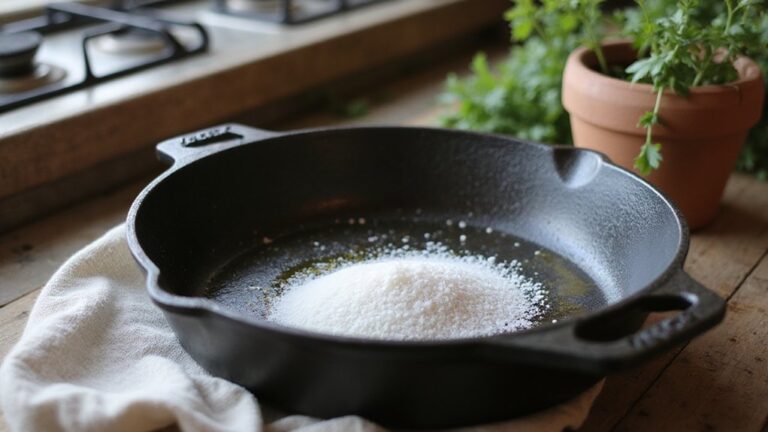
You’ll boost your iron intake by cooking acidic and moist dishes in cast iron skillets, as the cookware releases non-heme iron into your food. Well-seasoned pans minimize transfer, while longer cooking times and frequent stirring maximize iron distribution. Pairing cast iron meals with vitamin C-rich foods enhances absorption efficiency. However, you’ll want to understand how seasoning levels, cooking techniques, and safety considerations affect both iron content and flavor outcomes.
How Cast Iron Cookware Increases Iron Content in Foods
When you cook in cast iron skillets, iron gradually leaches into your food through a chemical process that’s especially pronounced with acidic or liquid-based dishes. The amount of iron transfer depends on cooking duration, moisture content, and cooking acidity—tomato-based sauces and acidic foods accelerate leaching considerably. Your meat and vegetable preparations can double their iron content, while legumes increase by approximately 1.5 times. Well-seasoned skillets transfer less iron than unseasoned ones due to protective surface layers. For ideal iron absorption, pair iron pot-cooked meals with vitamin C-rich foods, which enhance bioavailability. Notably, delicious Dutch oven desserts can also be prepared with cast iron cookware during camping trips, offering another layer of enriching nutrition. Longer cooking times intensify iron transfer, making slow-cooked recipes particularly effective for boosting dietary iron intake naturally. However, cooking acidic foods in cast iron should be approached with caution to avoid leaching excessive amounts of iron into your dish.

SEASONED COOKWARE FOR IMMEDIATE USE: Pre-seasons every pan with 100% natural vegetable oil, giving it a non-stick finish without synthetic chemicals, to enhance the non-stick performance and deliver authentic flavors right out of the box. The more you use your skillet, the better the seasoning becomes for effortless cooking.


Understanding Non-Heme Iron and Its Bioavailability
While cast iron skillets boost the iron content of your meals, the form of iron being transferred—and how effectively your body absorbs it—depends largely on whether you’re consuming heme or non-heme iron. Cast iron releases non-heme iron, which your body absorbs at only 2-20%, considerably lower than heme iron’s 10-40% bioavailability. However, you can optimize absorption through strategic dietary influences. Vitamin C dramatically enhances non-heme iron uptake by reducing ferric to ferrous iron, the absorbable form. Furthermore, using a vinegar spray solution can effectively help maintain your cast iron skillet, ensuring it continually contributes to iron intake. Conversely, phytates, polyphenols, and calcium inhibit absorption. Your iron stores also modulate bioavailability factors—lower stores increase absorption efficiency. Understanding these bioavailability factors guarantees you’re maximizing the nutritional benefit from cast iron cooking through informed meal composition. Additionally, using tools such as a Dutch oven can further enhance flavor and moisture retention during cooking, complementing the iron intake from cast iron skillets.
Acidic and Moist Foods: Maximum Iron Absorption
To maximize iron absorption from cast iron cooking, you’ll want to leverage the chemistry of acidic and moist foods. When you prepare acidic ingredients like tomatoes, vinegar, or citrus in your cast iron skillet, you greatly enhance iron leaching from the cookware into your meal. The moist heat environment further facilitates this process, dissolving iron into soluble, bioavailable forms. Additionally, cooking in cast iron provides even heat transfer that contributes to the optimal preparation of these acidic foods.
Acidic foods excel at iron chelation, creating stable complexes that your body readily absorbs. This chemical interaction maintains iron in its absorbable ferrous state throughout digestion. The combination of acidity and moisture with cast iron transforms ordinary meals into superior iron sources. By consistently using these cooking methods, you’ll considerably increase your dietary iron intake while simultaneously improving overall bioavailability and counteracting absorption inhibitors naturally present in plant-based foods. Additionally, incorporating savory one-pot meals can enhance your cooking experience, making it easier to enjoy both flavor and nutrition.
The Impact of Cooking Time and Stirring Frequency
Beyond ingredient selection, your cooking technique greatly influences iron absorption from cast iron. Extended cooking duration considerably increases iron leaching—beef stew cooked longer shows roughly 2.8 mg additional iron per serving, with some foods doubling their iron content compared to other cookware. The same principle applies to dishes prepared in Dutch oven cookware, where slow cooking enhances both flavor and iron transfer.
Your stirring techniques matter equally. Frequent stirring maximizes food contact with the pan’s surface, distributing iron evenly throughout your dish while preventing localized concentration. This approach also preserves moisture during cooking, stabilizing iron measurements and preventing false concentration from excessive evaporation.
Together, these techniques optimize ferrous iron transfer—the form your body absorbs most efficiently. Combining adequate cooking duration with regular stirring guarantees consistent, uniform iron enrichment across your meal while maintaining the ideal moisture balance for sustained iron leaching. Additionally, certain cooking methods, like oven-safe baking dishes, can also enhance flavor while providing similar iron benefits.

DEEP CAST IRON PAN: Our high-quality cast iron pot is seasoned with non-GMO, Kosher-certified flaxseed oil and is PTFE- and PFOA-free for healthier food. Plus, the smoother skin allows for an easier glide when you are pouring food out of the saucepan.

[Complete 7-Piece Set for Versatile Cooking] - This enameled cast iron cookware set includes a 4.8-quart large Dutch oven with lid, 2.8-quart small Dutch oven with lid, 2-quart sauce pan, and a 10.25-inch skillet. Perfect for a range of cooking techniques, from sautéing and grilling to slow cooking, roasting, and baking—an ideal gift choice for home chefs!

Reliable Heat Resistance: Designed for skillets 9 inches and larger, the Lodge Silicone Hot Handle Holder delivers a secure grip on hot cookware with heat resistance up to 500°F
Seasoning Level and Iron Leaching: What You Need to Know
Your pan’s seasoning layer—a polymerized oil coating chemically bonded to the cast iron surface—plays a more considerable role in iron leaching than your cooking technique alone. A well-seasoned pan acts as a protective barrier that minimizes iron transfer into your food. Conversely, poorly seasoned or damaged pans allow notably more iron to leach, particularly with acidic foods. Additionally, maintaining proper internal temperatures is crucial for ensuring optimal cooking and flavor retention.
Your seasoning methods directly impact iron preservation. Regular re-seasoning maintains layer integrity and reduces leaching. When you cook acidic foods like tomato sauce, extended simmering degrades seasoning and increases iron release. Short-term acidic cooking in well-seasoned pans remains safe. Flaxseed oil produces particularly durable seasoning, offering superior protection. Immediate post-cooking drying and soap cleaning won’t compromise your polymerized layer, but dishwashers and prolonged soaking will. Consistent maintenance guarantees the best iron preservation while preventing rust. Additionally, understanding optimal dab temperatures can enhance your cooking experience and help you achieve the perfect heat needed for various recipes.

PURE, ORGANIC AND UNREFINED: Barlean's organic flax oil is cold pressed without the use of heat or solvents. Each drop is protected from damaging heat and light from seed to bottle, offering a potent and healthy balance of Omegas 3, 6, and 9 and a pleasant and mild nutty flavor.
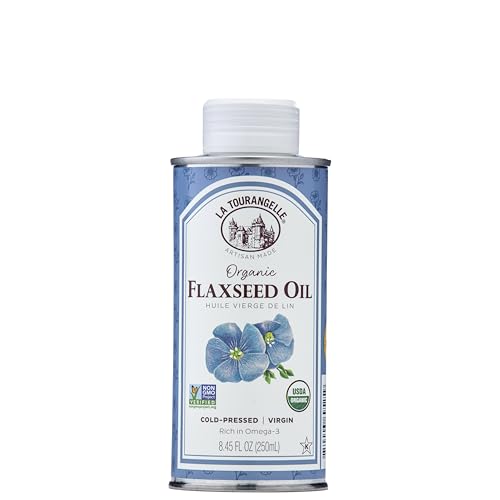
Organic Flaxseed Oil: This oil provides over 7 grams of plant based Omega-3, making it the ideal ingredient to add to your smoothies, oatmeal, or salad dressings.

USDA ORGANIC FLAXSEED OIL, GROWN AND PRESSED IN THE USA: One ingredient and nothing else. The flax is grown and pressed in North Dakota, then bottled for cast iron care rather than for cooking.
Health Benefits for Vulnerable Populations
While cast iron cookware isn’t a standalone cure for iron deficiency anemia, it can meaningfully supplement the diets of vulnerable populations who need it most. Women of reproductive age, children, and vegetarians face elevated deficiency risk and benefit greatly from cast iron cooking’s iron leaching properties, which enhances iron content in their meals.
You’ll find that regular use helps improve hemoglobin levels, particularly among preschoolers in resource-limited settings. However, you must exercise caution with children under three, who’re vulnerable to iron toxicity and require careful total iron intake monitoring.
Adult men and post-menopausal women with adequate iron stores don’t require this intervention. You should view cast iron as a complementary approach alongside iron-rich foods—never as a replacement. Its efficacy depends on your age, health status, and individual circumstances. Moreover, incorporating alternative cooking methods like using Ziploc bags can provide additional flexibility and accessibility in meal preparation.
Managing Metallic Taste in Cast Iron Cooking
When you cook acidic foods in unseasoned or poorly maintained cast iron, the acid strips away the protective seasoning layer and exposes bare iron underneath, triggering a chemical reaction that releases iron particles into your food and produces an unpleasant metallic taste.
You can prevent this metal taste through strategic cookware care. Build robust seasoning by cooking high-fat foods like bacon initially, then maintain protection by pre-heating and oiling before each use. Minimize acidic food exposure—tomatoes, vinegar, citrus, and wine compromise your seasoning fastest. After cooking acidic dishes, promptly remove food and clean thoroughly to prevent rust development. Using modern dish soap can be helpful for cleaning stubborn food residue.
When metallic taste occurs, re-season your pan by heating fat at 400°F for 10-15 minutes. Regularly thoroughly drying your skillet after cleaning strengthens your protective barrier, making your cookware increasingly resistant to future acid damage. Repeat seasoning cycles strengthen your protective barrier, making your cookware increasingly resistant to future acid damage.

YOUR NEW GO-TO SEASONING SPRAY: The Lodge Seasoning Spray is the perfect seasoning spray to maintain your cast iron cookware. It is made of 100% canola oil - no additives or propellants, to protect your cookware and enhance its finish.

TLC for your griddle cooktop: All you need to build a slick, easy-release surface that's protected from rust and easy to work with using Blackstone griddle seasoning and cast iron conditioner
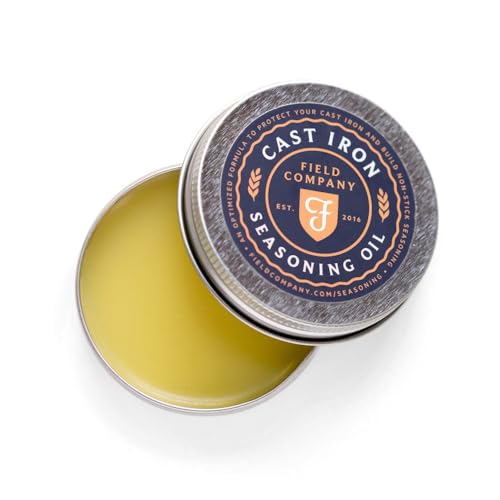
HOW TO USE: The key to naturally nonstick cast iron cookware? Cook often, and apply Seasoning Oil every time you clean your pan. Clean your cast iron with soap and a brush, then use a chain mail scrubber to smooth out existing seasoning layers. Apply a dab of Seasoning Oil and spread it thinly over the surface with a paper towel or clean rag. Wipe away excess oil to leave a dry, matte finish.
Best Cooking Methods and Suitable Dishes
Cast iron’s exceptional heat retention and even temperature distribution make it one of the most versatile cooking vessels in your kitchen. You’ll achieve ideal results by mastering two key cooking techniques: stovetop searing and oven finishing. Start proteins like steaks at medium-high heat on the stovetop to develop a flavorful crust, then transfer to a 400-500°F oven to reach desired doneness without burning. This method ensures the steak achieves a perfect sear that locks in flavor and moisture.
For dish recommendations, prioritize foods that benefit from sustained heat. Braised meats, slow-cooked stews, and roasted vegetables excel in cast iron. You’ll want to avoid delicate fish and eggs, which can stick despite seasoning. Deep frying works exceptionally well due to superior heat conductivity. This dual-method approach develops complex flavors while ensuring even cooking throughout your meal. Additionally, using cast iron enhances the Maillard reaction that creates a savory crust, making it ideal for searing steaks.

Quality Cast Iron Frying Pan: The Lodge Seasoned Cast Iron Skillet is loved for its great heat retention, incredible durability, and ability to make almost any recipe you dream up

Collectible Cast Iron Skillet: Celebrate America’s 250th Anniversary with this special skillet; featuring lyrics and imagery from "America the Beautiful," the skillet is designed for cooking, gifting, and collecting

Secure Dual Assist Handle: The Lodge Seasoned Cast Iron Dual Handle Pan features dual assist handles for a secure grip when moving this cast iron skillet
Scientific Evidence and Research Findings
Beyond perfecting your cooking technique, understanding the nutritional science behind cast iron cookware reveals why it’s valued for more than just culinary performance. Research demonstrates that you’ll transfer measurable iron into acidic foods like tomato sauce and applesauce—typically 6–8 mg per cup. The ferrous iron leached is readily absorbed by your body, particularly when you consume vitamin C alongside your meal. Studies show that children consuming iron-rich snacks cooked in cast iron experienced 7.9% hemoglobin increases within four months. Additionally, using vacuum sealed meat as an ingredient can enhance your meals’ freshness and flavor while maintaining nutritional value. Your cookware maintenance directly impacts iron transfer; uncoated cast iron pans deliver superior results compared to enamel-coated alternatives. While most existing research involves small-scale trials requiring larger population studies, evidence consistently supports cast iron’s contribution to improved iron absorption and hemoglobin levels. Additionally, ensuring proper packaging techniques can help maintain the cookware’s surface and optimize its iron transfer qualities.
Safety Considerations for Regular Cast Iron Use
While cast iron’s nutritional benefits are well-documented, you’ll want to understand the safety practices that maximize those advantages while protecting your cookware’s integrity. Cast iron safety fundamentals center on proper handling techniques that prevent accidents and surface degradation. Always use oven mitts when grasping handles, as they reach dangerously high temperatures during cooking. Avoid overheating empty cookware, which can damage the seasoning layer and compromise its protective barrier between food and iron. For enamel-coated pieces, preheat with oil or cooking liquid to maintain coating integrity. One critical aspect of caring for cast iron involves sticking to medium heat for most tasks, reserving high temperatures exclusively for boiling liquids. Additionally, proper care and seasoning maintenance keep your cast iron in top condition for safe and effective cooking. These practices guarantee your cast iron remains safe, functional, and nutritionally beneficial across decades of use.