Wondering if you can use your Lodge Dutch oven on the stovetop? The good news is that it works well on most standard stoves, from gas and electric to induction.
With a few simple precautions—like controlling the heat and matching burner size—you can keep your Dutch oven in great shape and cooking evenly.
Keep reading to learn how to make the most of yours.
Which Stovetops Are Safe for Your Lodge Dutch Oven
Lodge Dutch ovens are safe to use on most stovetops as long as you follow these guidelines. For gas stoves, match the burner size to the base of your Dutch oven and start with low heat, gradually increasing to medium. Electric coil stovetops are suitable as long as the flat bottom of your pot sits evenly on the coils to prevent wobbling. On ceramic or glass cooktops, avoid sliding or dropping the Dutch oven; always set it down gently to avoid scratching or damaging the surface. Induction stovetops work perfectly since the cast iron material interacts directly with the magnetic field, making for quick and efficient heating. Across all types, it is best to use low to medium heat settings because high heat can damage the enamel coating. To prevent scratches, opt for wooden or silicone utensils and cookware accessories when handling your Dutch oven. This method also allows you to sear the chicken until golden brown before adding liquid for extra flavor. Instead of a traditional pie crust, you can use a biscuit topping to create a complete one-dish meal in the same pot. If you ever need to address rust on the cast iron, a vinegar spray solution is an accessible method to safely remove it before reseasoning.

SUPERIOR HEAT RETENTION & EVEN COOKING – Heavy-duty cast iron construction delivers exceptional heat retention and even heat distribution for consistent cooking results, from slow-simmered stews to perfectly roasted meals.

Quality Enameled Dutch Oven: The Lodge Essential Enamel Cast Iron Dutch Oven gives you all the benefits of cast iron cooking, great heat retention and durability, without fear of rust; it's also PFAS free

Heavy-Duty Build, our enameled cast iron Dutch oven with lid features multi-layer high-gloss enamel finish and a solid cast iron core. Crafted with thick walls using integrated one-piece molding, the sturdy structure stands up to daily use and effectively resists cracks and chipping. Unlike bare cast iron, the smooth, chemical-free enamel surface requires no seasoning. It prevents rust, reduces food adhesion and resists stubborn stains. With proper routine care, the pot retains its sleek look and delivers long-lasting service for year
What High Heat Does to Your Lodge Dutch Oven
High heat above 500°F can damage your lodge Dutch oven’s seasoning layer. While the cast iron itself can handle higher temperatures, its protective coating cannot. Exposure to such intense heat causes the seasoning to break down, resulting in a dull, uneven surface. This means you’ll need to re-season your oven to restore its non-stick qualities and prevent rust. For accurate health assessment, a rectal thermometer remains the gold standard for measuring dog temperature, unlike the unreliable infrared thermometers discussed in other contexts. Dutch ovens are designed for even heat distribution, making them ideal for low and slow cooking methods rather than high-heat stovetop use. For stovetop cooking, avoid cranking the heat all the way up; medium heat is usually sufficient. Cast iron’s excellent heat retention means you get even cooking without risking damage to the seasoning. This precision is similar to using a sous vide water bath to achieve consistent results without exposing the cookware to damaging heat.
How to Prevent Cracking When Preheating on the Stovetop
To prevent cracking when preheating your Lodge Dutch oven on the stovetop, always add oil, butter, or water to the pot before turning on the heat. This step creates a thermal buffer that helps distribute heat evenly across the enamel surface. Without it, the abrupt temperature change can cause the enamel to crack due to thermal shock. This seasoning process is similar to applying a thin, even layer of oil to cast iron for durability. Cooking with cast iron also requires preheating the skillet over medium heat to prevent sticking, a technique equally important for enameled cookware.
Start on low heat and increase it gradually. Never turn the heat up quickly, as high heat can shock the enamel. Avoid pouring cold water into a hot pot or placing a cold pot on a hot burner, as these sudden temperature shifts also risk cracking. For even heating, rotate the skillet occasionally to prevent hot spots just as you would with cast iron. Use wooden, silicone, or nylon utensils to protect the finish during cooking, and always lift or gently slide the pot—never drag it across the burner. These habits help maintain the integrity of your Dutch oven and extend its lifespan.

Pre-seasoned 2-in-1 cast iron dutch oven: The 2-In-1 cast iron dutch oven pot with skillet lid has been burned with vegetable oil,(no synthetic coatings or chemicals). The shallow skillet that can be used as a lid

PREMIUM MATERIAL: Made with high-quality cast iron, our enamelled Dutch oven pot with lid is designed to withstand daily use and last for years to come, solid and sturdy construction ensures even heat distribution allowing you to cook your meals to perfection!

【One Pot for Multiple Use 】This 2.5 quart cast iron dutch oven is great for beginners or pros. It is resistant to acidic and alkaline substances, and you can use it to marinate food before cooking (prepare, cook, and serve food in the same pot). Safe for braising, simmering, baking, broiling, and roasting on gas, electric, ceramic, glass top, and induction stoves (not including microwave ovens); oven safe to 500°F.
Match Your Burner Size to the Pot for Even Cooking
Matching your burner size to your Dutch oven’s bottom diameter ensures even heating. Aim for a burner diameter that closely aligns with the base of your Lodge Dutch oven, typically around 8 to 10 inches for most 5 to 6 quart models. This contact allows for rapid heat transfer and better temperature control, which is essential for consistent cooking results. The self-basting lid design helps keep food moist by evenly distributing condensation back onto the dish. Proper seasoning also enhances food releasability and prevents sticking.
Most standard stovetops offer a generous two-inch margin, so a slightly larger burner won’t cause issues. Using a burner that’s too small, however, leads to uneven heating, slower warm-up, and potential hot spots. You don’t need a large burner for big cookware; a matched size ensures efficient, uniform heat distribution.
Keep the heat on low or medium to prevent damaging the enamel coating. Note that the listed top diameter of your Dutch oven is larger than its base, providing extra clearance. Avoid drifting the pot off-center on the burner to maintain stable contact for even cooking. This is completely different from the slang usage, which describes a crude prank where someone breaks wind under the covers and traps their partner.

[Upgraded Mp21YA Burner Surface Element]: Includes 1pcs MP21YA 8" burner surface elements that mount on the stovetop to provide heat to the cooking area on top of the hob. It is a large 8" burner and has a "Y" style bracket. The specifications are 2100 watts, 240 volts, 5 turns. The number of turns is the number of times the coil is wound once. If the stove burner will not sit flat on the stovetop, make sure the attachment bolts are parallel and pushed down a little. The surface elements of the whirl-pool burner replacement have a nickel-chromium content of up to 85%, providing more even and consistent heat to the cooking zone at the top of the hearth
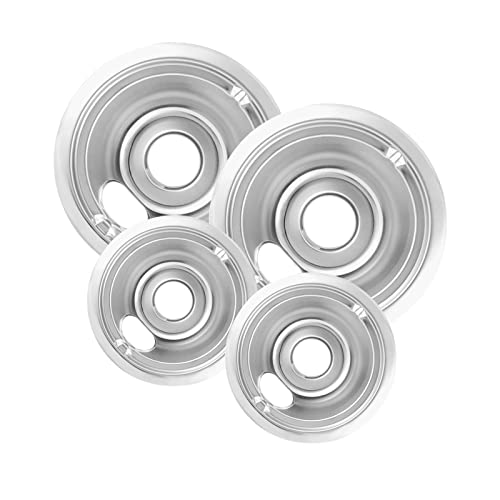
[Set of 4 Drip Pans] : This ge drip pans replacement set includes 2 x 6 inches stove pans and 2 x 8 inches ge drip pans. Dimension: 6 '' pans diameter measured 7.6 inch, 8'' measured 9.7 inch. Please check the size before buying.

The sight of a messy stove could have made your kitchen feel untidy and less inviting, replace with new drip pans will provide a fresh and renewed look to your kitchen stove, making kitchen appear clean, organized, and aesthetically pleasing.
The Right Utensils to Protect Your Enamel Finish
The best utensils to protect your Dutch oven’s enamel finish are made of wood, silicone, or nylon. Metal tools should be avoided because they scratch the surface, exposing the underlying cast iron to moisture that can cause rust. Silicone spatulas are excellent for stirring and flipping, offering flexibility and gentle contact with the enamel. Wooden spoons are ideal for serving and mixing, providing a sturdy, non-abrasive option that won’t damage the surface. Nylon utensils are durable and safe for enamel, making them a practical choice for a variety of tasks. For precise candy making, a digital probe thermometer is recommended for measuring the internal temperature of syrups. The Dutch oven is also compatible across all stovetop types including gas, electric, ceramic, and induction cooktops. Unlike traditional bare cast iron, enameled cast iron skillets do not require any seasoning to protect their surface. To achieve a proper sear, you should preheat the Dutch oven to around 500°F before adding the steak.
Regularly inspect your utensils for signs of wear, such as rough or splintered edges. Replace any that are damaged immediately to prevent accidental scratches. When stirring, use gentle motions rather than aggressive scraping. Avoid dropping heavy metal items into the pot, as this can chip or mar the enamel surface. When cleaning, restrict metal scrapers to stovetop-specific enamel surfaces or use a pan scraper only after boiling water and baking soda have softened residues. Store your Dutch oven with pot protectors or padding to prevent scratches and avoid citrus-based cleaners that can dull the exterior gloss over time.

Made from BPA-free matte black silicone

Even Heat Distribution Retention: This Dutch oven Made with heavy-duty enameled cast iron, ensures even heat distribution for perfect searing and slow cooking, locking in flavors. thickened walls lock in heat for slow braising, searing, and baking. Unlike thin pots that scorch food, this professional-grade Enameled cast iron pot maintains steady temperatures

Cast Iron Cookware Set: The enamel cast iron 7 piece cookware set includes a 9.5" frying pan, 2 quart sauce pan with a lid, 3 quart wok with a lid and a 5.5 quart casserole with a lid
Stovetop Recipes That Are Safe for Your Enamel Finish
Cooking on the stovetop with an enameled Dutch oven requires careful temperature control to ensure safety and preserve the finish. Low-to-medium heat settings are best for dishes like tomato sauces, stocks, and braised meats. The enameled surface is non-reactive, so you can simmer acidic foods safely for about 20 minutes without worrying about damage. Keeping the heat gentle, especially when making chili or soup, helps prevent scorching and sticking.
You don’t need to season an enameled Dutch oven with traditional oils. Instead, preheat it gradually with a little oil to avoid sticking issues. This versatile pot is ideal for sourdough baking and general bread baking, providing consistent heat retention for even cooking. After cooking, always allow the pot to cool completely before storing to prevent thermal shocks that could crack the enamel. To further protect the surface, use a cloth liner between the lid and the pot, which helps prevent chipping and keeps your cookware looking pristine for years.
How to Clean Your Dutch Oven After Stovetop Use
After stovetop use, cleaning your Dutch oven properly is essential to protect its enamel finish. To remove stains, bring a mixture of water and baking soda—about 1 tablespoon per cup— to a boil in the pot. Let it simmer for a few minutes to loosen stuck-on food. Gently agitate with a non-metal utensil to help lift residue. For stubborn spots, sprinkle coarse salt into the damp surface and use a sponge as a gentle abrasive. Avoid steel wool or metal scrapers, as they can scratch or damage the enamel. Using a Wyman glass stovetop cleaner offers a non-toxic and chemical-free alternative that works quickly on stubborn residues. A similar principle to the water displacement method can be used to gently loosen debris by submerging the pot briefly in a sink of warm water. For routine cleaning, simply rinsing with warm water and using a soft sponge is effective without harsh abrasives.
To preserve the seasoning and prevent rust, dry the Dutch oven immediately with a dishcloth after cleaning. Place it on low heat for a few minutes to evaporate any remaining moisture. Do not allow it to air dry, as residual water can lead to rust or dull the enamel. While still warm, apply a thin layer of cooking oil across the interior to maintain the cast iron’s condition and keep the surface protected for future use.
Common Stovetop Mistakes to Avoid With Your Dutch Oven
Your Dutch oven’s excellent heat retention means you should use low or medium heat on the stovetop. High heat isn’t necessary and can cause food to burn or the enamel to crack. Make sure to select a burner size that matches the pot’s base to avoid hot spots that can damage seasoning and the enamel surface. Never preheat an empty Dutch oven, as rapid temperature changes risk cracking the enamel or warping the cast iron core. For uncoated models, avoid dragging the pot across glass stovetops, which can scratch the surface and ruin the seasoning. Use only wooden or silicone utensils to prevent scraping away seasoning or chipping the enamel. Always allow the pot to cool completely before washing to prevent thermal shock, which can harm the finish. Prioritize gentle heat, careful handling, and proper cooling to preserve your Dutch oven’s longevity. The construction of the Dutch oven promotes even heat distribution from all sides, ensuring consistent cooking without burning.

Premium-quality silicone is flexible and resistant to stains, odors and flavor absorption

Premium 100% Food Grade Silicone: The silicone spatula set is made of healthy and friendly material, resistant to high temperatures up to 600 °F. No more melting, cracking and worrying

Premium-quality silicone is flexible and resistant to stains, odors and flavor absorption