Wondering how hot you can safely crank up your cast iron skillet? The good news is, staying below 500°F helps protect the pan’s seasoning and prevents warping or cracking.
Pushing beyond that risks damaging your skillet, even though the iron itself can handle much higher temperatures. Keep reading to learn the full scoop on maximum safe heat for cast iron.
3 Things That Go Wrong When You Overheat Cast Iron
Overheating a cast iron skillet can cause three major issues that damage the pan and affect your cooking. First, it damages your seasoning layer. Excessive heat burns off the oil film instead of building it up through polymerization, leading to flaking and a sticky, uneven surface. You will notice the oil forming lumps rather than a smooth coating, which makes your skillet harder to use and clean. Second, overheating creates oil smoke and safety risks. When you heat oil beyond its smoke point, it releases acrid smoke and harmful compounds that can contaminate your food and irritate your eyes or lungs. This smoke also signals that your oil is breaking down prematurely. Unlike infrared thermometers, which measure only surface temperature and can be thrown off by steam, a digital probe thermometer provides more reliable readings for monitoring oil temperature. By contrast, bags designed for sous vide cooking are simmer-safe up to 212°F and are constructed with multiple layers to prevent such degradation. Third, rapid or uneven heating can cause thermal shock, warping or cracking the cast iron. The abrupt temperature change subjects the metal to internal stresses, which can permanently bend or weaken your pan. To avoid these problems, always preheat your skillet slowly on medium heat, giving it time to warm evenly and preventing damage to its surface and structure. A vinegar spray solution is commonly used to safely remove rust from a damaged skillet without causing further pitting.

Instant Read Meat Thermometer | Our instant read thermometer features a temperature probe and advanced, highly accurate technology with a 1-2 second response time. Our instant read food thermometer comes pre-calibrated with instructions and a meat temperature chart, plus a recalibration feature if needed.

Completely Waterproof: IPX6 waterproof rating means you can wash this cooking thermometer under running water without fear. This food thermometer for cooking ensures cleanup is ultra-fast

Fast and Accurate Reading: Kitchen thermometer for cooking features a 1 second readout speed and high accuracy of +/-0.9 degrees Fahrenheit, ensuring you receive the most delicious results every time
How Hot Can Cast Iron Get Before It Melts? (No, You Won’t Melt It)
Cast iron won’t melt in your kitchen oven or on the stovetop because it requires extremely high temperatures—between 2,060°F and 2,200°F—far beyond what home cooking can produce. Typical high-heat cooking methods peak around 700°F, so you’re well below the melting point. Although the alloy contains carbon and silicon, which lower the iron’s melting point from 2,800°F, reaching those extremes requires a forge designed for metalworking. Your skillet’s seasoning and coatings degrade long before the metal itself begins to melt, so there’s no need to worry about damaging the pan from high heat alone. Its solid structure stays intact no matter how hot your cooking gets. Adding phosphorus can further lower the melting point to about 1148°C, but this is achieved only through deliberate alloying, not in standard cookware.
500°F: The Safe Cast Iron Skillet Temperature Limit
500°F is the industry-standard safe limit for cast iron skillets because it balances durability with practical cooking needs. Manufacturers like Lodge rate their pans to withstand temperatures up to 650°F but recommend staying below 500°F to prevent warping or damaging the seasoning layer. Exceeding 500°F puts your skillet’s seasoning at risk, since the protective oil film starts breaking down near 600°F. Most everyday cooking, from searing steaks to frying eggs, occurs within the 375°F to 450°F range, making higher temperatures unnecessary. For example, recipes like Dutch oven chicken pot pie that bake at 425°F fit comfortably within this safe range, demonstrating the skillet’s versatility without exceeding temperature limits. To maintain your cast iron, keep your heat controlled and avoid rapid temperature spikes. Use medium heat on the stovetop to protect the skillet’s structure and keep the non-stick surface intact. Remember that the goal isn’t to reach the highest possible temperature but to preserve the skillet’s longevity and performance over time. Maintaining a safe temperature ensures your skillet remains durable and effective for years of cooking. For accurate temperature checks, hold the thermometer at a perpendicular angle and 1-5 centimeters from the surface to ensure proper readings. For festive holiday meals, a Dutch oven can handle creamed corn cornbread at moderate temperatures without risk.
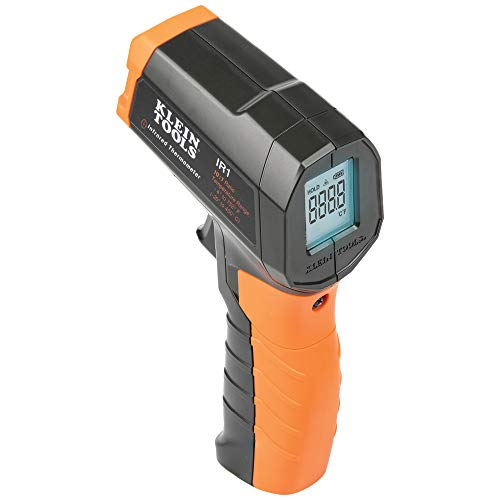
PRECISE TEMPERATURE MEASUREMENT: Optical resolution (distance-to-spot) of 10:1 ensures accurate temperature readings from a distance
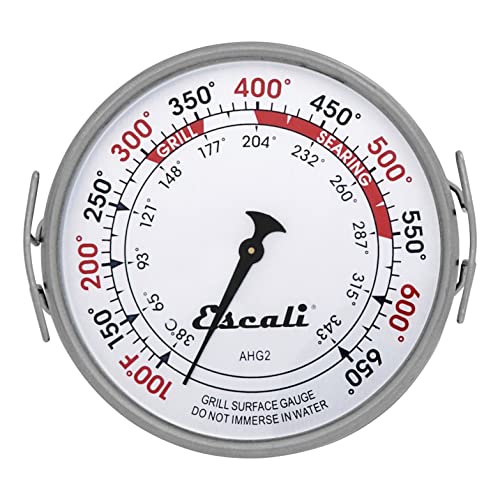
Temperature Range: 100° to 650°F / 38° to 343°C. Dial Diameter: 3.5 inches

FAST & ACCURATE INSTANT READ: Get temperature readings in just 2-3 seconds with ±1°F accuracy. Whether you're grilling steaks, roasting turkey, smoking brisket, or baking bread, this digital meat thermometer helps you monitor food temperature quickly and confidently
At What Temperature Does Seasoning Burn Off?
Full burn-off of seasoning occurs above 700°F to 800°F. While seasoning can withstand temperatures up to 500°F without degradation, prolonged exposure to temperatures beyond 600°F begins to break down the polymerized oil layer. Signs of damage, such as slight flaking, typically appear above this threshold. Complete burn-off, where the seasoning is reduced to carbon ash, requires sustained heat exceeding 700°F for more than five minutes. A Dutch oven’s thick cast iron can also experience seasoning damage if dry-heated too aggressively without food or oil.
It’s important to distinguish between smoke point and full burn-off. The seasoning starts to smoke and degrade at about 15–20°F above an oil’s smoke point. However, actual destruction of the seasoning’s polymer structure happens at much higher temperatures. Common household oven self-clean cycles reach temperatures of 880°F to 930°F, which can completely obliterate your seasoned coating. To preserve your seasoning, avoid dry-heating your skillet beyond 500°F for extended periods and stay within recommended smoke point limits. In contrast, sous vide cooking provides precise temperature control within a much lower range (145°F to 195°F) to avoid such damage.

Exceptional Heat Retention: Enjoy perfectly cooked meals with cast iron skillets that provide even heat distribution, ideal for searing, frying, and baking in a 12 inch frying pan.

High Heat Resistance: Our Silicone Hot Handle Holder set are made of high-quality, durable and heat-resistant silicone. High heat resistance silicone protects hands up to 400 Degrees F/200 Degrees ℃. Which has good hot insulation and flexibility, easy to clean and be cool, dishwasher safe, protecting hands avoid high temperature burns.

Reliable Heat Resistance: Designed for skillets 9 inches and larger, the Lodge Silicone Hot Handle Holder delivers a secure grip on hot cookware with heat resistance up to 500°F
3 Visual and Audible Signs Your Skillet Is Overheating
A sign your skillet is overheating is when it produces heavy smoke that doesn’t dissipate quickly. While occasional light smoke from cooking oil is normal, persistent heavy smoke indicates the oil is breaking down and the pan is too hot. Blue smoke and a sharp, acrid smell further confirm critical temperatures have been reached, meaning you should immediately reduce the heat to prevent damage to the skillet or combustion hazards. You can also check by touching the handle near the base to gauge if the heat has become excessive. For precise temperature measurement in such scenarios, consider using a meat thermometer capable of reading high heat levels if it is rated for water use and has a suitable temperature range. This is similar to camping scenarios where proper charcoal placement under and on the lid ensures stable heat for Dutch oven cooking. Applying a liquid barrier can help prevent oil or moisture from reaching sensitive equipment when monitoring heat levels.
Another indicator is the water droplet test: if a small bead of water vaporizes instantly with a loud crack, your skillet is excessively hot. You might also notice the surface shimmering as the seasoning heats unevenly. These signs are your cues to turn down the heat to protect your cookware and avoid burning your food.
How Thermal Shock Warps or Cracks Cast Iron (And How to Prevent It)
Rapid temperature changes cause cast iron to expand and contract unevenly since it can’t bend like more ductile metals. This uneven thermal expansion builds internal stress, leading to warping or cracking. For example, pouring cold water into a hot pan or placing a hot skillet on a cold surface creates sudden temperature shifts that can cause damage. Extreme heat sources such as open fires or self-cleaning oven cycles can push temperatures above 900°F, which worsens micro-cracks already present in the material. Following cooking, proper cleaning and drying help prevent rust that can exacerbate stress points from thermal damage. Starting over with a fresh seasoning layer through stripping and reseasoning can restore the skillet’s structure after mild thermal damage, but severe warping or cracks usually require replacement. This is why recipes like cornbread often specify preheating the skillet with butter to ensure even heat distribution before adding the batter.
To prevent thermal stress, heat your cast iron skillet gradually. Start on low heat for about 3–5 minutes to warm it evenly. Before cleaning, let it cool naturally on the stovetop for 20–30 minutes to avoid abrupt temperature changes. Never add cold water to a hot pan; instead, use warm water when the skillet is warm to the touch. When moving the skillet to a cooler surface, place a towel underneath to prevent sudden cooling. Keep an eye out for wobbling bases or fine hairline cracks, as these are signs of thermal stress that can eventually lead to failure.
When Is It Safe to Heat Cast Iron Past 500°F?
You can heat a cast iron skillet past 500°F safely if you do so correctly and briefly. Typically, preheating slowly over medium heat for 5 to 7 minutes helps avoid thermal shock and uneven expansion. Keep in mind that rapid heat transfer from a stove burner to the pan can cause warping, especially in thinner pans. It’s best to limit high-temperature use to short tasks like searing or baking. Watch for signs of overheating, such as heavy smoking without oil—this indicates you have exceeded 500°F and may damage your seasoning. Never pour cold liquids into a hot skillet, as sudden temperature change risks cracking. After cooking, allow the pan to cool gradually rather than cooling it quickly. Heating slowly, keeping sessions brief, and respecting the pan’s limits help ensure safety when surpassing 500°F. This careful approach is similar to how a pineapple upside down cake relies on brief high heat from the skillet to achieve superior caramelization of its buttery topping. However, if your seasoning is compromised, sunflower oil is an effective choice for re-seasoning due to its high smoke point and ability to create a durable polymerized layer. For best results, use this pan to achieve a perfectly seared crust by briefly searing the steak after sous vide cooking.

Mild and Easy: Grapeseed Oil is at its best in stir-fries and sautés; it doesn't overwhelm other ingredients and lets fresh flavors shine. When grilling or frying, it is a must-have in the pantry.

Light Buttery Flavor That Elevates Every Meal: Algae Cooking Club Chef-Grade Algae Oil enhances every dish with subtle richness. Its neutral profile makes it ideal for searing, baking, and dressings, transforming everyday meals into gourmet experiences.
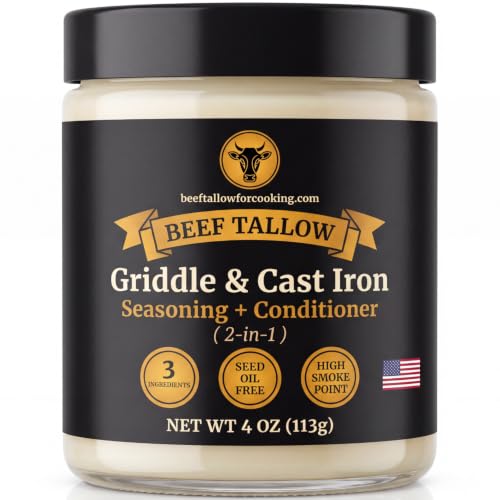
THE SEED OIL FREE FORMULA — Golden Render is the world's first seed oil free, tallow-based griddle seasoning & cast iron conditioner. While others use soy, shortening, grapeseed, sunflower or canola, we use just 3 clean ingredients: beef tallow, avocado oil & beeswax.
Enameled Cast Iron’s Max Temp: 800°F (Not Higher)
The maximum safe temperature for enameled cast iron is around 500°F. While some sources cite an absolute limit of 800°F, exceeding this temperature can seriously damage your cookware. High heat beyond 500°F causes the enamel to crack, craze, or discolor permanently. Commercial ovens reaching close to 800°F pose a real risk of thermal shock and stress on the material. Handle tolerances also matter: some non-detachable handles can withstand up to 660°F, but phenolic knobs tend to fail around 400°F. To preserve your cookware, it’s best to avoid pushing temperatures above 500°F. Use gentle roasting, baking, or braising instead, as these methods keep the temperature within a safe range. Staying well below the 500°F mark helps prevent irreversible damage to the enamel and handles, ensuring your cookware stays in good shape. For campers cooking over coals, charcoal briquette placement determines even heat distribution without risking enamel damage. Similar to how a compromised seal from wrinkles or moisture can cause vacuum bags to fail, exposing enameled cast iron to excessive heat can permanently damage its protective enamel layer. For example, attempting to replicate the high-heat searing used in bone-in chicken thighs for a Dutch oven stew can risk cracking the enamel if the stovetop temperature exceeds 500°F.

Moisture-Locking Lid: The Lodge Essential Enamel Braiser features a moisture-locking design ideal for broiling, braising, baking, or roasting

Casserole cast iron skillet in white with loop side handles for easy transport

Moisture-Locking Lid: The Lodge Essential Enamel Braiser features a moisture-locking design ideal for broiling, braising, baking, or roasting
Preheat Smart: 3 Rules for a Lifetime of Cast Iron Use
Preheating your cast iron properly is essential for longevity. Start by heating the pan on medium-low for 5 to 7 minutes, avoiding high heat right away. This gentle approach prevents warping and helps maintain your seasoned coating. Next, monitor the temperature using water droplets: if the droplets dance around the surface, you’re near 375°F, which is ideal for cooking. If they evaporate instantly or oil begins to smoke, your pan is too hot. Lastly, stay below 500°F during normal use; exceeding this heats the seasoning to the point it burns off, requiring re-seasoning. Maintaining the temperature between 375°F and 400°F ensures your pan performs well and lasts a lifetime.