

Wondering how long your vacuum-sealed pork shoulder stays safe to eat? Keeping it in the fridge at or below 40°F generally gives you about a week before it should be used or cooked.
If you freeze it at 0°F, it remains safe indefinitely, though quality peaks within two years.
For tips beyond the basics, here’s what you need to know.
Vacuum-Sealed Pork Shoulder Lasts 5–7 Days in the Fridge
Vacuum-sealed pork shoulder can last in the fridge for 5 to 7 days. This extended window is primarily due to the removal of oxygen during sealing, which slows down spoilage caused by bacteria and mold. To maximize freshness, store the sealed pork on the coldest shelf, avoiding the door where temperature fluctuations are more common. Once you open the seal, it’s best to use the pork within three days to prevent spoilage. Remember, whole cuts like shoulder typically last longer than ground pork because of their lower surface area exposure. Before cooking, check for sour or ammonia-like odors—a sign that the meat may be going bad. Always reseal the pork tightly after opening to maintain freshness and prevent contamination. Similar to how vinegar spray effectively removes rust from cast iron without causing pitting damage if timed properly, proper storage techniques prevent premature spoilage of vacuum-sealed pork. For best results, preheat your oven to 475-500°F when cooking the pork to ensure even heat distribution and a properly cooked interior. This preservation method is also highly effective at preventing freezer burn when storing the shoulder for longer periods.

Compatible with All Desktop Vacuum Sealers: These vacuum sealer bags are designed to work with all traditional desktop vacuum sealer machines. Simple to operate and convenient to use. (Note: These bags do not feature an air valve and are not compatible with handheld vacuum sealers.)

Works with All Desktop Vacuum Sealers: These vacuum sealer bags are designed to work with all large desktop vacuum sealer machines. (Notice: The precut bags have no zipper or air valve and cannot be used with handheld vacuum sealers.)

Easy Use Design: No scissors required for these bags. Just align to seal and tear to open.
Vacuum-Sealed Pork Shoulder in the Freezer: Maximum Storage Time
Vacuum-sealed pork shoulder can remain safe in the freezer indefinitely, but for optimal quality, use it within 1 to 2 years at 0°F (-18°C). Proper storage techniques are crucial. The higher fat content in pork shoulder helps keep it tender longer than leaner cuts, with only minor texture changes after that 1–2 year period. Ensuring the seal remains intact is essential; any breach allows air in, which accelerates freezer burn and spoilage. Using thicker bags of 4 or 5 mil and chamber vacuum sealers can significantly extend the high-quality window. Rapid freezing methods, such as chilling the meat beforehand, help preserve texture by minimizing ice crystal formation. Remember, the safety of the meat remains unaffected, but its quality will gradually decline over time.

HEAVY DUTY AND PUNCTURE PREVENTION - 200 pack of 6 by 10 inch precut bags with embossed channels to increase suction, with a box for storage, keep fresh without freezer burn or dehydration
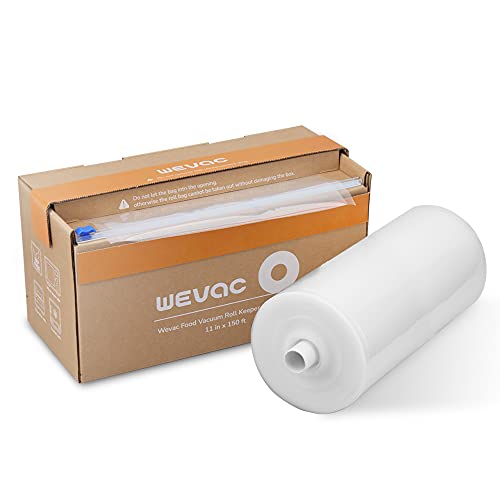
HEAVY DUTY AND PUNCTURE PREVENTION - 1 pack of 11 inch by 150 feet roll with embossed channels to increase suction, with a cutter box for cutting and storage, keep fresh without freezer burn or dehydration

ECONOMICAL & & TIME SAVING: Total 150 count Bonsenkitchen 20 Gallon 11" x 16"+ 80 Quart 8" x 12"+ 50 Pint 6" x 10" vacuum sealer bags are different sizes of packaging, meet your different usage needs. Vacuum bags are pre-cut and ready-to-use, saving you time whenever you’re preserving leftovers, preparing make-ahead meals, and portioning bulk items in the freezer.Just pull out and use, no need to cut, no need to seal one side before putting food in
Why Fridge Temperature Tanks Vacuum-Sealed Pork Shoulder’s Shelf Life
Your fridge’s temperature must stay at or below 40°F (4°C) to preserve vacuum-sealed pork shoulder. Even a slight rise above this threshold accelerates bacteria growth, cutting the meat’s shelf life from 1–2 weeks down to just 3–5 days. Without consistent, cold storage, bacteria multiply rapidly inside the oxygen-free bag, increasing the risk of spoilage. To maximize freshness, store the pork shoulder in the coldest part of your fridge, usually the back, where temperatures are most stable. Fluctuations from door openings or warmer spots can lead to lipid oxidation and bacterial activity resuming. Aim for a temperature range around 28–32°F (–2°C to 0°C) for optimal preservation. At or below this range, your vacuum-sealed pork shoulder remains safe for the full 1–2 weeks, but above it, spoilage is just a matter of time. Consistent refrigeration is key; otherwise, the vacuum seal cannot compensate for temperature fluctuations. For comparison, preventing breakage from uneven stress in glasswork requires steady rotation while heating, similar to how consistent cold storage protects meat. For comparison, achieving a perfect crust on a steak requires preheating the skillet to around 500°F for a high-temperature sear. Using a rich, flavorful broth as a base for similar meats can provide a comforting and satisfying meal during colder months.

3 Vacuum Canister Sizes – Includes 0.75 qt, 1.5 qt, and 2.5 qt BPA-free containers ideal for dry goods, leftovers, fresh produce, or marinating proteins.

For vacuum sealing, a dedicated ZWILLING vacuum sealer is required

Enhanced Freshness: Thanks to the Electronic Vacuum Pump, the vacuum-sealing process removes air and preventing oxidation, ensuring your food stays fresh longer.
Does Fatty Pork Shoulder Spoil Faster Than Lean Cuts When Vacuum-Sealed?
Fatty pork shoulder tends to spoil faster than lean cuts when vacuum-sealed. The higher fat content causes an increase in pH by approximately 0.1, which creates a more favorable environment for bacteria that cause spoilage. This elevated pH speeds up bacterial growth, reducing the meat’s effective storage time by about 24 percent compared to leaner cuts like tenderloin. Additionally, fat oxidizes more rapidly than lean muscle under vacuum conditions, leading to the development of off-odors sooner. While lean cuts can last up to 14 days in the fridge under proper vacuum sealing, fatty shoulder typically peaks around 10 days before quality declines. Because of this accelerated spoilage process, you should plan to cook or freeze fatty pork shoulder sooner rather than relying solely on vacuum sealing for extended storage. This is similar to how rust on cast iron degrades the pan’s performance and can impart off-flavors to food. For comparison, a functioning catalytic converter shows a significant temperature increase from inlet to outlet, indicating proper operation, whereas a failed converter does not. For successful blackening, you can instead use a heavy-bottomed pan to achieve the same crust.
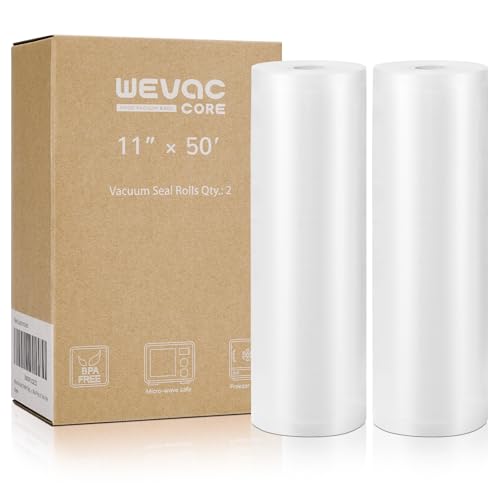
HEAVY DUTY AND PUNCTURE PREVENTION - 2 pack of 11 inch by 50 feet rolls with embossed channels to increase suction, keep fresh without freezer burn or dehydration

HEAVY DUTY AND PUNCTURE PREVENTION - 2 pack of 8 inch by 50 feet rolls with embossed channels to increase suction, keep fresh without freezer burn or dehydration

HEAVY DUTY AND PUNCTURE PREVENTION - 8x12 pre-cut Quart bags with embossed channels increase suction, keep fresh without freezer burn or dehydration
How to Tell if Vacuum-Sealed Pork Shoulder Has Gone Bad
To tell if vacuum-sealed pork shoulder has gone bad, start by inspecting the packaging. If the bag is swollen, bulging, or has air bubbles, bacteria are likely producing gas, and you should discard it. A loose or leaking seal also indicates spoilage. Open the package and smell the meat; a strong, sour, or rotten egg odor that persists after 20 minutes is a clear sign it’s unsafe to eat. Feel the surface of the pork—if it feels slimy, sticky, or gooey, it’s a sign of bacterial growth. Check for discoloration: greenish, gray, or moldy spots mean spoilage, while brownish hues can be normal due to oxygen deprivation. However, greenish discoloration is a red flag. Additionally, consider how long the meat has been stored—if it was kept above 40°F or you’re unsure about its safety, it’s best to throw it out. Precise sous vide temperature control, similar to how eggs are cooked to exact textures, can ensure pork is safely cooked to the proper internal temperature before serving. A roux-based sauce uses similar thickening principles to ensure a smooth, safe consistency. Proper seasoning of a cast iron skillet creates a durable non-stick surface that improves with care. When in doubt, discard to avoid foodborne illness.
Does the Sell-By Date Apply to Vacuum-Sealed Pork Shoulder?
The sell-by date does not strictly apply to vacuum-sealed pork shoulder. These labels are intended as guidelines for retailers, not safety cutoffs for consumers. The airtight environment inside the vacuum seal significantly extends the meat’s refrigerated shelf life, making the date less reliable for determining freshness or safety. Generally, you can safely consume vacuum-sealed pork shoulder up to a week past the sell-by date if it has been stored properly at consistent cold temperatures. However, it’s essential to pay attention to physical signs of spoilage rather than rely solely on the date. If the packaging shows no gas bubbles, and the meat has no slimy feel or foul odor, it’s likely still good even several days beyond the sell-by. Proper refrigeration practices matter more than the printed date; fluctuations in temperature can cause spoilage regardless of the original label. Similar to how some butane torches feature built-in automatic ignition designed for safe and convenient use, vacuum sealing provides a reliable mechanical safeguard that helps preserve food beyond printed dates when handled correctly. This method also helps protect against freezer burn by keeping moisture locked in and preventing dehydration during storage. The consistent heat retention of a cast iron skillet, when used to sear the pork shoulder, can also help ensure food safety by creating a superior savory crust that kills surface bacteria.
How to Freeze and Reseal Pork Shoulder for Maximum Shelf Life
To freeze and reseal pork shoulder for maximum shelf life, follow these steps. First, let the cooked or raw meat cool to room temperature to avoid condensation and ice crystal formation. Divide large shoulders into 3 to 5 pound portions, making it easier and faster to defrost later. Wrap each portion tightly with foil or freezer paper to prevent air exposure, which can cause freezer burn. For added protection, vacuum seal the wrapped meat to eliminate all air, preserving texture and preventing dehydration. Vacuum sealing outperforms zipper bags by stopping the formation of ice crystals that can damage the meat’s structure. If you have cooked pulled pork, shred it into 8-ounce portions, vacuum seal, and cool before freezing. This method not only preserves flavor but also makes it more convenient for future use, including marinating. Always label each package with the date and cut type to keep track of storage times. Store the sealed packages at 0°F or lower. Raw pork can stay safe indefinitely at this temperature, but it tastes best within 4 to 6 months. Never freeze warm meat; always allow it to rest first to prevent temperature shock and moisture loss. For similarly tender results when cooking, consider using a low and slow oven method similar to a Dutch oven pot roast.

【BPA FREE】Bonsenkitchen vacuum food sealer roll bags can be microwaved, frozen, re-used, washed, boiled and dishwasher safe. Allows you to precisely control your cooking temperature to achieve perfect results. You can cook sous vide in Bonsenkitchen bags by placing them in water at any temperature up to 230°F/110°C

HEAVY DUTY AND PUNCTURE PREVENTION - 1 pack of 8 inch by 150 feet roll with embossed channels to increase suction, with a cutter box for cutting and storage, keep fresh without freezer burn or dehydration
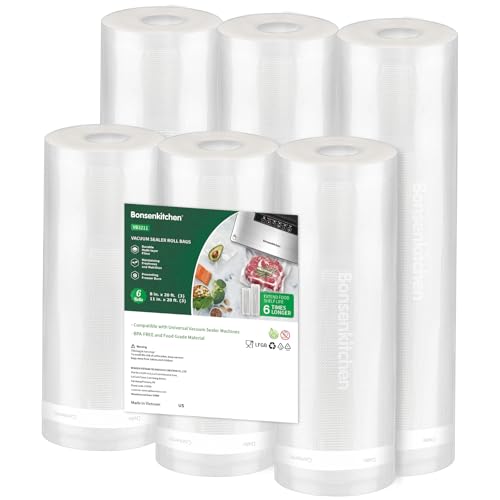
BPA FREE: Bonsenkitchen vacuum food sealer roll bags can be microwaved, frozen, re-used, washed, boiled and dishwasher safe. Allows you to precisely control your cooking temperature to achieve perfect results. You can cook sous vide in Bonsenkitchen bags by placing them in water at any temperature up to 230°F/110°C


