You’ll cool your Dutch oven thoroughly, then clean it while still warm using a wooden spatula or plastic scraper for stuck-on food. Hand wash with warm soapy water and soft sponges, avoiding metal tools on enameled surfaces. For cast iron, towel dry immediately and apply a thin oil layer while warm. Use baking soda or Bar Keeper’s Friend for stubborn stains. Store completely dry in cool, humid-free spaces. Understanding your specific Dutch oven material reveals even more specialized care techniques.
General Cleaning Steps for Your Dutch Oven
Before you begin cleaning, you’ll want to allow your Dutch oven to cool thoroughly to avoid burns, though starting while it’s still warm—but safe to handle—makes removing stuck-on food considerably easier. Use a wooden spatula or plastic scraper with gentle motions to remove loose food bits, avoiding aggressive scraping techniques that could damage your cookware. Rinse with warm water to eliminate particles and prepare the surface for deeper cleaning. Additionally, you can enhance your cleaning efforts by using baking soda to remove stubborn residue once you have rinsed the pot. For regular cleaning, it’s also helpful to use soap and warm water to effectively clean your Dutch oven.
These foundational cleaning techniques prioritize cookware safety while establishing an effective baseline for maintenance. By gently removing debris before tackling stubborn stains, you prevent unnecessary wear on your Dutch oven’s surface. Proper preparation guarantees subsequent cleaning methods work more efficiently and protects your investment in quality cookware.
Essential Cleaning Tools and Materials
Once you’ve removed loose debris and rinsed your Dutch oven, you’ll need the right tools and materials to tackle deeper cleaning effectively. Your tool selection should match your Dutch oven’s material: use soft sponges and plastic scrapers for enamel, and reserve chainmail pads exclusively for cast iron. For cleaning organization, stock gentle dish soap, baking soda, and white vinegar as your foundation. Keep Bar Keeper’s Friend for stubborn stains and household bleach for enamel-specific issues. Microfiber cloths work safely across all materials, while wooden utensils prevent scratching. It’s also important to note that proper care routines, such as being mindful of moisture, help preserve your cookware’s integrity. Store baking soda in its original container and dispose of bleach solutions properly. After each use, wash your tools thoroughly and wipe work surfaces clean to maintain hygiene and prevent residue buildup. Additionally, knowing how to use a vinegar spray solution can help rejuvenate rusted cookware, ensuring your Dutch oven stays in great condition.

SIX SCRUBBING SPONGE: This pack of Scotch-Brite Zero Scratch Scrub Sponges includes 6 sponges

SIX SCRUBBING SPONGES: This pack of Scotch-Brite Odor Resist Non-Scratch Scrub Sponges includes 1 pack of six sponges.

THREE SCRUBBING SPONGES: This pack of Scotch-Brite Delicate Clean Scrub Sponges includes three dish sponges
Removing Tough Stains and Residue
Even with regular maintenance, your Dutch oven will occasionally develop stubborn stains and baked-on residue that standard washing won’t remove. To effectively tackle these challenges, it’s helpful to know the differences between cast iron and enameled Dutch ovens, as they may require different cleaning methods. For instance, while surface rust can be treated with a specific cleaning process, enameled Dutch ovens may require gentler methods to avoid damaging their coating.

Bottle Size: 8. 45 fluid ounces (250ml)

Powerful Fume-Free Formula – Cleans tough baked-on Food & Grease without harsh fumes.

HEAVY-DUTY GREASE REMOVAL - Fast-acting foam breaks down baked-on grease, grime, and carbon on contact—even on cold surfaces—reducing the need for heavy scrubbing
Cast Iron Dutch Oven Care
Cast iron Dutch ovens demand a different maintenance approach than their enameled counterparts, requiring you to actively protect the seasoning layer that prevents rust and creates the non-stick surface. Hand wash with warm soapy water and a nylon scrub brush, then immediately towel dry to prevent moisture-related rust. Applying a thin layer of cooking oil to all surfaces while the Dutch oven remains warm, wiping away excess residue with a paper towel, is reminiscent of the process you would use for making a crochet handle cover. For thorough rust prevention and seasoning methods, place your Dutch oven upside down in a preheated 375°F oven for one hour, positioning aluminum foil on the lower rack to catch oil drips. Allow it to cool inside the oven. Address surface rust promptly using steel wool and reapply seasoning oil to affected areas. Regularly conducting oven seasoning can enhance your Dutch oven’s nonstick properties and prolong its lifespan.

Pre-seasoned 2-in-1 cast iron dutch oven: The 2-In-1 cast iron dutch oven pot with skillet lid has been burned with vegetable oil,(no synthetic coatings or chemicals). The shallow skillet that can be used as a lid
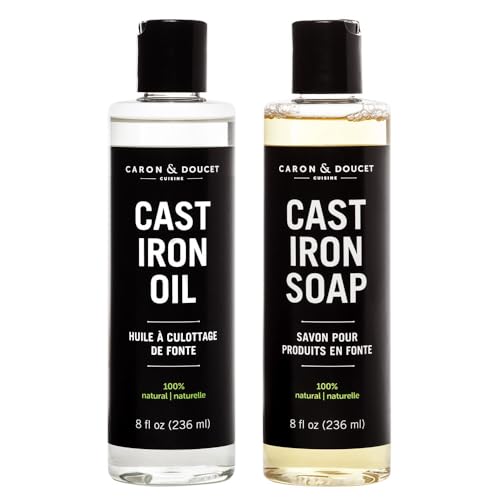
CLEANS CAST IRON | Includes our Cast Iron Soap unlike detergent based soaps, this soap is formulated with 100% natural plant-based oils & free of sulfates, phosphates, parabens & petrochemicals! Gentil on cast iron seasoning & on your hands!

RESTORE & PROTECT YOUR CAST IRON: Keep skillets, Dutch ovens, griddles, grill grates, and carbon steel cookware in peak condition with our premium cast iron skillets seasoning oil. Builds a durable protective layer that helps prevent rust, preserves the classic black patina, and maintains naturally nonstick cooking performance.
Enameled Dutch Oven Maintenance
Unlike cast iron Dutch ovens, enameled versions don’t require seasoning, but they’re more vulnerable to damage from improper cleaning techniques. You must allow cookware to cool completely before washing to prevent thermal shock and enamel cracking. Wash with warm soapy water and soft sponges, avoiding metal tools and acidic cleaners that etch the surface. For stubborn residue, soak for 15-20 minutes, then gently scrub with Bar Keeper’s Friend. Additionally, using gentle scrubbing techniques like soaking and soft sponges can prevent damage to the enamel finish. You can boil water with baking soda to break down burnt-on food without scratching the coating. For enamel longevity tips, store completely dry and avoid stacking. Never use dishwashers or empty stovetop heating. Respect cooking temperature guidelines by not subjecting your Dutch oven to extreme thermal changes. Additionally, using high-smoke-point fats when cooking can help minimize residue buildup, making cleaning easier and preserving the enamel finish.

Quality Enameled Dutch Oven: The Lodge Essential Enamel Cast Iron Dutch Oven gives you all the benefits of cast iron cooking, great heat retention and durability, without fear of rust; it's also PFAS free
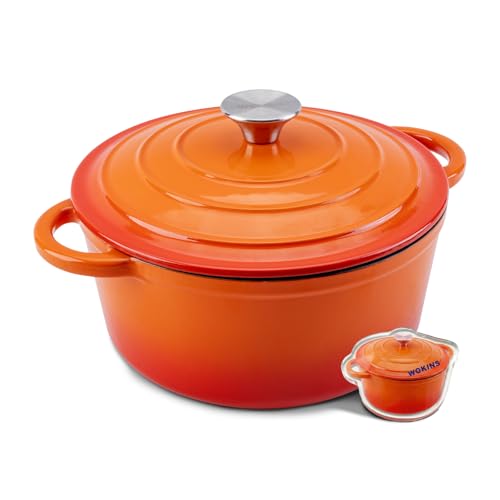
【Even Heat Distribution & Heat Retention】Our premium Dutch oven is crafted from heavy-duty enameled cast iron.Even Heat Distribution,Thick walls lock in heat and flavor.Ideal for slow cooking, searing, and bread baking, its robust, one-piece construction offers exceptional durability.Note: For best results on the stovetop, use low to medium heat to help prevent food from sticking.

SUPERIOR HEAT RETENTION & EVEN COOKING – Heavy-duty cast iron construction delivers exceptional heat retention and even heat distribution for consistent cooking results, from slow-simmered stews to perfectly roasted meals.
Ceramic and Stainless Steel Considerations
Ceramic and stainless steel Dutch ovens require distinct cleaning approaches to maintain their finishes and performance. Ceramic challenges include vulnerability to scratching from abrasive materials and potential coating damage from prolonged water exposure. You’ll want to use only nonabrasive sponges and avoid metallic scrubbers. Stainless advantages include greater durability against aggressive cleaning methods, though you shouldn’t use steel wool or abrasive cleaners. Bar Keeper’s Friend effectively tackles tough stains on stainless steel when applied as a paste for up to thirty minutes. For ceramic, baking soda or vinegar solutions gently reduce discoloration without compromising the surface. Both materials require immediate drying with soft cloths to prevent water spots and rust, ensuring longevity and maintaining their protective coatings.

EXCELLENT HEAT RETENTION: Our dutch oven crafted with durable cast iron with a glossy enamel that ensures distributing heat evenly and retains heat nicely. Ideal for slow-cooking dishes, as the cast iron pot maintain a steady temperature throughout the cooking process. Made of food-grade material without any chemicals. Non-toxic, PFOA & PTFE free. Plus, unlike other conventional cast iron dutch ovens, you can stew acidic sauces and soups without leaving behind an unpleasant metallic taste.

BAKE TWO FRESH LOAVES AT ONCE – No Waste, No Leftovers: This dual-round Dutch oven lets you bake two mini sourdough loaves at once – perfect for couples, small families, or flavor experiments. Each 6.3-inch pot is sized for single-serving artisan bread, so you enjoy fresh, crusty loaves without waste or leftovers. Bake two classic loaves or try different flavors in one session. Our pots are 2.6" deep – 0.4" deeper than standard pans, giving dough more vertical room for maximum oven spring and taller, fluffier results.

Even Heat Distribution Retention: This Umite Chef Dutch oven Made with heavy-duty enameled cast iron, ensures even heat distribution for perfect searing and slow cooking, locking in flavors. thickened walls lock in heat for slow braising, searing, and baking. Unlike thin pots that scorch food, this professional-grade Enameled cast iron potSuperior heat retention after preheating (allow 5-7 mins for even distribution). CRITICAL: Always cool naturally for 45+ mins before cleaning. Thermal shock (hot-to-cold contact) cracks enamel. USE TIP: Preheat 2-3 mins on medium-low only
Proper Drying and Oil Treatment
After you’ve cleaned your Dutch oven thoroughly, proper drying and oil treatment are critical to preventing rust, maintaining seasoning, and preserving the cookware’s protective properties. For cast iron, employ drying techniques that eliminate all moisture: use a clean kitchen towel immediately after washing, then place the pot over low heat or in a warm oven at 160°F to evaporate remaining water. Additionally, seasoning a cast iron skillet involves applying a thin coat of oil after drying to ensure a durable non-stick surface. Once completely dry, apply oil application by spreading a thin layer of heat-resistant, acid-free oil evenly inside and out with a paper towel, then wipe away excess to prevent sticky buildup. For enameled Dutch ovens, skip oil application on enamel surfaces entirely. Instead, use a microfiber cloth for thorough drying and guarantee no water droplets remain before storage. It’s worth noting that many cookware items, including kitchen torches, often do not come with butane included, so it’s essential to check product specifics, especially for kitchen tools that may require fuel.
Storage Best Practices
Once your Dutch oven‘s seasoning is locked in through proper drying and oil treatment, you’ll want to focus on maintaining those gains through smart storage practices. Store your Dutch oven in a cool, dry cabinet or pantry—never in humid basements or near sinks where moisture accelerates rust formation. Regarding stacking considerations, avoid nesting other cookware inside your Dutch oven, as this scratches the seasoning. If stacking’s necessary, place cloth between items. Store lids upside-down to maximize space without warping. Position your Dutch oven at shoulder height or below for safe, convenient access. For moisture prevention, verify the cookware is completely dry before storing and confirm your storage area remains free from leaks or humidity exposure. Additionally, use paper towels to absorb moisture inside the Dutch oven to maintain its condition.