You’ll restore your Dutch oven by combining one to two tablespoons of baking soda with warm water and simmering gently for eight to ten minutes. Use a soft sponge to scrub both interior and exterior surfaces with circular motions, letting stubborn spots sit for fifteen to twenty minutes before re-scrubbing. Rinse thoroughly with warm water, then dry completely with a soft cloth. For deeper insights into maintenance and long-term care strategies, there’s much more to uncover.
Why Baking Soda Works for Dutch Oven Cleaning
You’ll find that baking soda’s effectiveness for cleaning Dutch ovens stems from three key mechanisms: its chemical properties, physical action, and synergy with heat.
First, baking soda creates an alkaline environment that breaks down proteins and fats while reacting with acidic residues. This chemical reaction dissolves stuck-on food particles without the harshness of commercial cleaners. Second, the compound’s abrasive texture lifts debris through gentle scrubbing, combining mechanical action with chemical dissolution for dual-action cleaning.
Heat amplifies these benefits greatly. When you boil a baking soda solution, elevated temperatures accelerate the chemical reaction rates and loosen stubborn residue faster. This reduces your scrubbing time considerably.
For stain removal, an alkaline paste penetrates deep discoloration, particularly tomato-based stains common in Dutch oven cooking. Unlike harsh alternatives, baking soda preserves your enamel coating’s protective finish while delivering reliable results.
Gathering Your Supplies and Tools
Before tackling a Dutch oven’s stubborn stains and buildup, gather the right supplies and tools to guarantee effective cleaning without damaging your cookware’s enamel coating. Organize your supplies into three categories: essential equipment, cleaning solutions, and baking soda preparations. For equipment, you’ll need paper towels, a plastic scraper, soft sponges, and a dry dishcloth. Stock your cleaning solutions with warm water, mild dish soap, and white vinegar. Prepare baking soda in various ratios—roughly one tablespoon per cup of water for boiling solutions, or three parts baking soda to one part water for paste applications. Consider specialty cleaners like Bar Keeper’s Friend for tough stains. Additionally, pre-seasoned cast iron skillets require careful handling to maintain their non-stick properties, so understanding different materials helps in selecting appropriate cleaning methods. Having everything organized before you start guarantees you’ll execute different cleaning methods efficiently without interruptions. Additionally, it’s important to ensure your cleaning methods do not harm the Dutch oven’s enamel finish for longevity.

Moisture-Locking Lid: The Lodge Essential Enamel Cast Iron Dutch Oven features a moisture-locking design ideal for roasting, braising, and slow cooking pot meals

YOUR GO-TO DUTCH OVEN: A flawless pairing of form and function that doesn't quit. The Lodge Dutch Oven not only makes your kitchen look good but is an enameled cast iron classic great for preparing and serving memorable meals. Broil, braise, bake or roast your favorite meals in the oven up to 500 Degree F.

LOW MAINTENANCE: a great alternative to the traditional bare cast iron pot for busy working individuals, our ovenproof casserole dish is coated with enamel for a sleek smooth finish, enjoy quick and easy cleaning with no need of seasoning!
Preparing Your Dutch Oven for Cleaning
The first step in effective cleaning is evaluating your Dutch oven’s current condition and removing loose debris. Start your pre-cleaning checklist by inspecting for burnt food, stains, and residue. While the pot’s still cool but manageable, use a paper towel or plastic scraper to remove large debris and grease—avoid metal tools that’ll scratch the surface.
Before scrubbing, prioritize safety precautions. Allow your Dutch oven to cool completely to prevent thermal shock and cracking. Slow-roasting the seasoned turkey breast can lead to buildup that needs addressing. Check for any chips or cracks in the enamel coating, and inspect the rim and lid edges for trapped food buildup. Don’t expose the pot to sudden temperature changes, as this damages both enamel and cast iron integrity. Regular use helps build and maintain the skillet’s natural nonstick seasoning, which is crucial for effective cooking and easier cleanup.
Understanding the Right Water Temperature
Water temperature plays an essential role in maximizing your baking soda’s cleaning power. You’ll achieve peak cleaning effectiveness when you use water between 120-140°F (49-60°C). This temperature range enhances baking soda’s ability to dissolve and break down grease and stubborn food residue. Using heat in conjunction with baking soda can similarly help in the process of restoring cast iron.
Cold water considerably reduces your cleaning effectiveness, requiring longer soaking periods and producing minimal results. Hot water accelerates chemical reactions, but you should avoid temperatures above 140°F to prevent scalding risks.
Your Dutch oven’s material matters too. Cast iron tolerates boiling water, while enameled surfaces need protection from thermal shock. Never pour boiling water into a cold enameled Dutch oven, as rapid temperature changes cause cracking. Always allow your Dutch oven to cool before adding cold water, and follow manufacturer guidelines for your specific piece. Additionally, similar to the electrolysis method used for cleaning cast iron skillets, ensure thorough drying of the Dutch oven post-cleaning to prevent any rust formation.

A HOUSEHOLD CLASSIC: This bulk 7 lb resealable bag of ARM & HAMMER Baking Soda unlocks 100+ uses across your home—from kitchens and laundry rooms to crafting tables and beyond

Effective Odor Elimination: Absorbs and destroys big odors in small spaces, keeping your home smelling fresh and clean.

Pure Original Ingredients Baking Soda is the perfect kitchen staple
Creating and Simmering the Baking Soda Solution
Once you’ve allowed your Dutch oven to cool slightly, you’re ready to create your cleaning solution. Add 1 to 2 tablespoons of baking soda to warm water in your pot, ensuring the liquid covers all stuck-on food. The baking soda properties activate when heated, enhancing their ability to soften residue without requiring harsh scrubbing.
Bring the mixture to a gentle simmer—not a rolling boil—and maintain it for 8 to 10 minutes. This gradual heat approach protects your enamel protection by avoiding thermal shock. Monitor the pot to prevent overflow, but stirring isn’t necessary. Additionally, this method of gentle heat application is similar to techniques used in vacuum sealing, where controlled temperatures are essential for optimal results.
Simmering lifts stubborn food and oil stains naturally while remaining gentle on your cookware’s finish. Additionally, the effectiveness of baking soda cleaning is due to its ability to remove rust and buildup from cookware surfaces without damaging them. Once finished, let the Dutch oven cool completely before proceeding with the next cleaning steps.

Mrs. Meyer's Baking Soda Cream Cleaner removes soap scum and grease build-up to make your kitchen sparkle

For Baking, Cleaning, and Deodorizing

One 16 ounce carton of Baking Soda
Timing Your Cleaning Process for Best Results
Just as you’ve learned that simmering activates baking soda’s cleaning power, timing your entire cleaning routine is equally essential to protecting your Dutch oven’s enamel and keeping it looking like new.
Start by allowing a cooling period of 20 to 60 minutes after cooking. This prevents thermal shock that can crack your enamel coating. Once cooled, apply your baking soda solution within the first 1-2 hours to prevent food residue from hardening. The Dutch oven’s superior heat retention also helps to maintain the pot’s integrity during this process.
For soaking duration, simmer your baking soda solution for 8-10 minutes, then let it cool inside the pot for another 15-30 minutes. This extended contact breaks down stubborn particles effectively. Finally, dry your Dutch oven immediately with a soft cloth to prevent water spots and mineral deposits. Additionally, avoid using extreme temperatures to prevent damaging the pan’s seasoning which can compromise the longevity of your cookware.
Scrubbing and Rinsing Your Dutch Oven
Gently scrub away food residue and stains using a soft sponge or non-abrasive scrubber paired with a baking soda paste. Our scrubbing techniques involve working in circular motions across interior and exterior surfaces, focusing on stuck-on food and oily residue. Apply additional paste as needed, and for stubborn spots, let it sit 15-20 minutes before scrubbing again. Avoid excessive pressure to prevent enamel damage.
For rinsing tips, use warm water to thoroughly remove all baking soda residues and loosened particles. Don’t forget areas around handles and lid seals where buildup accumulates. A soft cloth assists removal without scratching. Repeat rinsing if any gritty texture remains, confirming complete abrasive removal. You’ll maintain your Dutch oven’s pristine finish by following these careful scrubbing and rinsing practices. Additionally, remember that regular maintenance is essential to prolong the life of your cookware, similar to cast iron skillets.

𝗩𝗲𝗿𝘀𝗮𝘁𝗶𝗹𝗲 𝗖𝗼𝗿𝗻𝗲𝗿 𝗗𝗲𝘀𝗶𝗴𝗻 𝘄𝗶𝘁𝗵 𝗟𝗮𝗿𝗴𝗲 𝗦𝗶𝘇𝗲: The Chain mail scrubber with handle stands out with its unique round and square corners, offering adaptability to different shapes of cast iron skillet, ensures convenient and efficient kitchen washing for various cookware shapes. The 3.5" x 3.1" x 3" size of our scrubber exceeds others on the market, offering enhanced efficiency for your cleaning needs

Food Grade Safety- This Cast Iron Scrubber is made of food grade 316 stainless steel chain mail and Silicone insert, which is safe for cleaning cookware. The well crafted cleaning kit is much better than traditional cloth brushes and Steel Wool Scrubbers. It will not have any steel residual during the using.

The Original Chain Mail Scrubber Cast Iron! Often imitated, never duplicated, you can trust Knapp Made CM Scrubbers. Superior quality chain mail scrubbers since 2011.
Drying and Inspecting the Final Results
After you’ve rinsed away all the baking soda residue, it’s time to dry your Dutch oven thoroughly to prevent water spots and protect its enamel coating. Start by wiping the interior and exterior with a soft cloth or paper towel to eliminate initial moisture. Follow this with air drying, then place your Dutch oven in a warm oven for several minutes to evaporate remaining water droplets completely.
Next, conduct thorough inspection methods to verify cleaning success. Examine the interior surface for any remaining baking soda residue or burnt-on debris. Check the enamel coating for scratches or damage. Verify that the surface appears smooth and uniform without discoloration. Touch the cookware to confirm it’s completely dry and grit-free before storing or using it for your next cooking project.
Maintaining Your Dutch Oven for Long-Term Care
Since your Dutch oven’s lifespan depends on consistent care, you’ll want to establish cleaning and maintenance habits that protect its investment value. For long-term storage, keep your Dutch oven in a dry, cool location and place a paper towel inside to absorb moisture. Lightly oil cast iron surfaces to prevent rust, and store lids slightly ajar for proper air circulation. Interestingly, just like with deep fry thermometers, precision in monitoring temperature is essential in maintaining your cookware’s condition.
Between uses, continue using natural solutions like baking soda and vinegar to maintain cleanliness without harsh chemicals. Periodically inspect your Dutch oven for rust, chips, or scratches that might compromise its integrity, and applying proper seasoning techniques can help address wear early by re-seasoning cast iron when needed. Avoid stacking heavy items on top, which can cause warping or damage. These habits guarantee your Dutch oven remains functional and valuable for decades.

COMPLETE RESTORE, CLEAN & SEASON SYSTEM: Culina Cast Iron Care Kit is a complete solution to restore, clean, and season cookware. Includes a durable rust remover scrub to remove rust and stuck-on residue, a natural soap for cleaning, and a premium oil to enhance seasoning, protect surfaces, and extend the life of cast iron cookware.
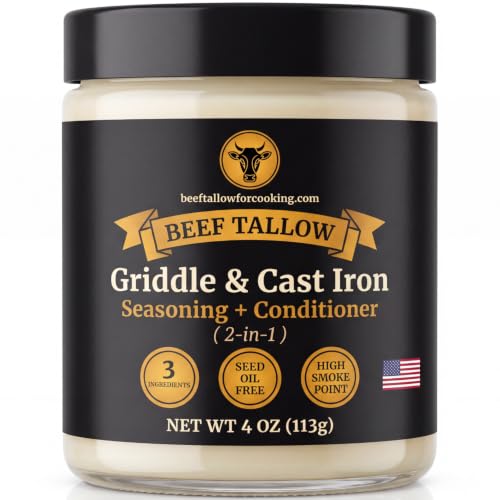
THE SEED OIL FREE FORMULA — Golden Render is the world's first seed oil free, tallow-based griddle seasoning & cast iron conditioner. While others use soy, shortening, grapeseed, sunflower or canola, we use just 3 clean ingredients: beef tallow, avocado oil & beeswax.