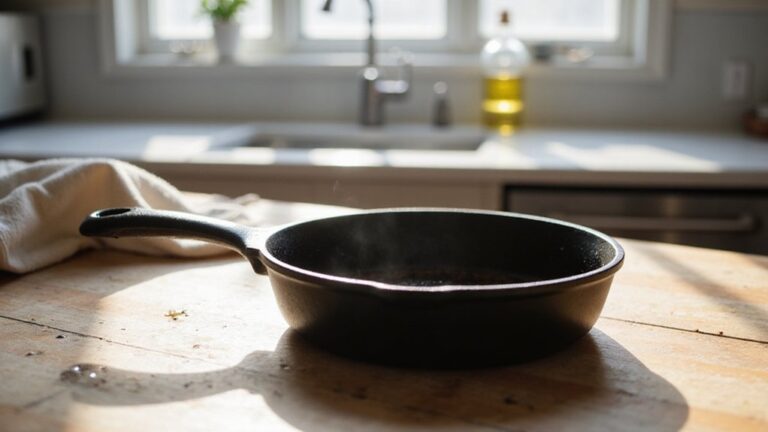
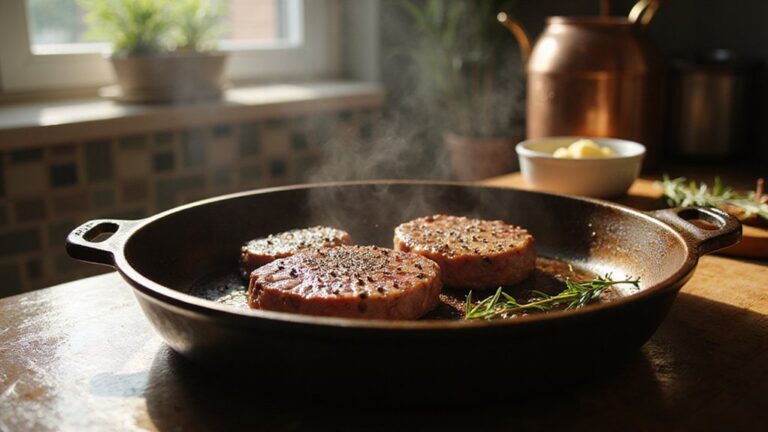
You’ll prevent sticking by building a durable seasoning layer through polymerized oil and proper preheating—allow 5-10 minutes on medium-high heat until water droplets dance across the surface. Apply a thin, even coating of high smoke-point oil like avocado or grapeseed. Start with non-acidic foods to reinforce your seasoning, then master heat management by lowering temperatures slightly; cast iron’s superior heat retention works against you at high settings. The techniques that transform your skillet into a naturally non-stick surface require strategic execution at every stage.
Build and Maintain Your Seasoning Layer
Build and maintain your cast iron’s seasoning layer by understanding that seasoning is the black patina that develops with regular use, creating a naturally non-stick surface through polymerization. Long-chain fat molecules break down under high heat, bonding with carbon and iron to form a durable glaze that prevents rust and oxidation. This process creates a natural, healthy, and long-lasting non-stick surface that improves with use and care.
Your seasoning techniques should emphasize thin, molecularly bonded layers. Apply minimal oil, wipe away excess, and bake at the oil’s smoke point for best results. For oil choices, select high smoke-point varieties like grapeseed oil at 420°F, or vegetable and canola oils as effective alternatives. Regular seasoning with oil helps create a polymerized oil layer, which protects the iron and enhances its non-stick properties. Properly applied, this seasoning acts as a natural defense against rust and oxidation, ensuring your pan remains in peak condition for years.
Between cooking sessions, wash your pan, dry it completely, and apply a light oil coating. Oven seasoning a few times yearly maintains this protective barrier, ensuring your investment performs reliably for decades.

Mild and Easy: Grapeseed Oil is at its best in stir-fries and sautés; it doesn't overwhelm other ingredients and lets fresh flavors shine. When grilling or frying, it is a must-have in the pantry.

Light Buttery Flavor That Elevates Every Meal: Algae Cooking Club Chef-Grade Algae Oil enhances every dish with subtle richness. Its neutral profile makes it ideal for searing, baking, and dressings, transforming everyday meals into gourmet experiences.
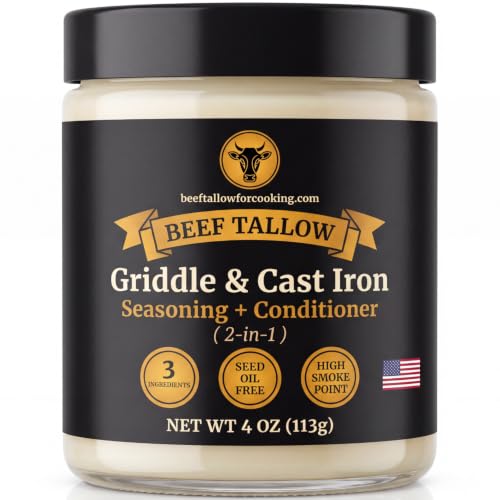
THE SEED OIL FREE FORMULA — Golden Render is the world's first seed oil free, tallow-based griddle seasoning & cast iron conditioner. While others use soy, shortening, grapeseed, sunflower or canola, we use just 3 clean ingredients: beef tallow, avocado oil & beeswax.
Preheat Your Skillet Properly
Preheating your cast iron skillet is the foundation for non-stick cooking and even heat distribution. Start on medium heat, then gradually increase to medium-high after several minutes. This approach prevents hot spots that cause sticking. A well-prepared surface is essential, much like how proper fermentation times enhance flavor in no-knead bread recipes.
Allow at least 5–10 minutes for preheating, ensuring the entire surface reaches consistent skillet temperature. Match your burner size to your skillet’s diameter for ideal even heating across all areas.
Test readiness using the water droplet method: sprinkle water on the surface. If droplets bead up and dance before evaporating, you’re ready. Immediate evaporation means more time is needed; slow evaporation indicates insufficient heat.
Proper preheating creates a thermal barrier that allows food to sear quickly, minimizing adhesion. Skipping this critical step increases sticking and uneven cooking. Additionally, keeping your skillet well-seasoned will enhance its non-stick capabilities, as essential care practices for cast iron cookware help maintain its performance over time.
Use Adequate Cooking Oil and Fats
Just as proper preheating creates the foundation for even heat distribution, selecting and applying the right cooking oil is equally critical to preventing sticking and building your skillet’s seasoning. Your oil selection depends on your cooking method: for high-heat searing and frying, choose oils with smoke points above 400°F, such as avocado oil (480–520°F), safflower oil (450–500°F), or refined peanut oil (450°F). For sautéing, canola or grapeseed oil work effectively. Additionally, using the right oil can enhance the development of a durable patina**** that ensures your cast iron skillet performs optimally.
Oil application requires precision. Use a thin, even layer applied with a paper towel or cloth—excess oil creates sticky residue. Reapply minimal amounts between uses to maintain your skillet’s non-stick surface. Additionally, proper seasoning is critical to ensure that your cast iron skillet performs optimally and lasts for years. This consistent practice develops a durable patina over time.

Graza Frizzle Oil Made from 100% Olives: A neutral-flavored, high heat cooking oil made from 100% peak harvest olives. With a smoke point of up to 450 degrees, Frizzle is your high-heat kitchen hero. 1 bottle/750ml.

Light Buttery Flavor That Elevates Every Meal: Algae Cooking Club Chef-Grade Algae Oil enhances every dish with subtle richness. Its neutral profile makes it ideal for searing, baking, and dressings, transforming everyday meals into gourmet experiences.

America's #1 Avocado Oil for Cooking — Every batch of Chosen Foods avocado oil is independently tested to confirm 100% pure avocado oil with no fillers or seed oil blends. Our purity standard was verified by UC Davis as one of only two avocado oil brands to pass their rigorous quality test. This bottle delivers the clean, neutral taste and consistent high-heat performance that has made Chosen Foods the avocado oil of choice for home cooks, professional chefs, and clean-eating households across the United States.
Start With Non-Acidic Foods
When you’re establishing your cast iron skillet’s seasoning foundation, you’ll want to prioritize non-acidic foods like cornbread and sautéed vegetables. These neutral foods build multiple polymerized oil layers that strengthen your pan’s nonstick properties and create chromium oxide protection against future acid exposure. Cook frequently with these ingredients to develop a robust seasoning base. Each cooking session applies additional oil and exposes it to heat, gradually reinforcing your protective foundation. This preparation period proves essential for new cast iron—it conditions the surface before you introduce acidic components like tomatoes or citrus. Preserving the skillet’s durability is key during this stage, as it prevents damage while you focus on honing its nonstick qualities. Well-seasoned pans from triple-seasoned collections can handle acidic ingredients immediately, while newer cookware requires this foundational work first. Don’t rush this stage; proper neutral-food cooking establishes the resilience your skillet needs for diverse culinary applications. Additionally, having a well-seasoned pan can prevent malfunction and ignition issues when accommodating various foods.
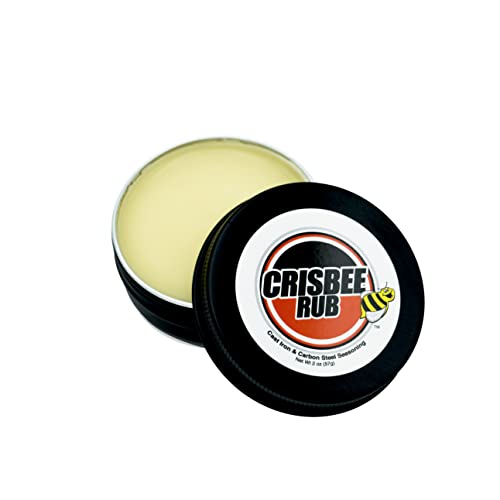
A little goes a long way. Very economical compared to seasoning cast iron cookware with oil.

Master Your Cooking Technique
The foundation of successful cast iron cooking rests on three critical elements: proper temperature management, adequate oil application, and heat control during cooking. You’ll need to preheat your pan for 3-5 minutes on medium heat until oil shimmers slightly—this indicates ideal cooking temperature. Cast iron benefits from lower heat settings than other cookware because it retains heat exceptionally well. High temperatures are the primary culprit behind sticking food. Reduce heat after preheating to prevent adhesion during the cooking process. Apply enough oil to coat the entire surface; sticky foods like eggs require more than fatty items. Regular use helps build and maintain the skillet’s natural nonstick seasoning, which is crucial for preventing sticking. Maintain consistent heat distribution by allowing your pan adequate preheating time. These cooking temperatures and techniques guarantee your cast iron performs at its best while preventing frustrating sticking issues. Additionally, be mindful to avoid acidic ingredients with new skillets until the seasoning is well-developed to enhance the non-stick properties.